


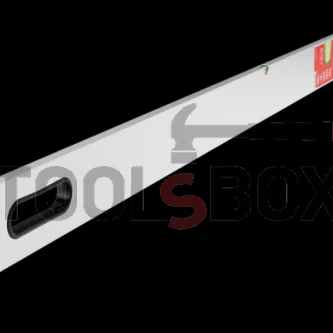
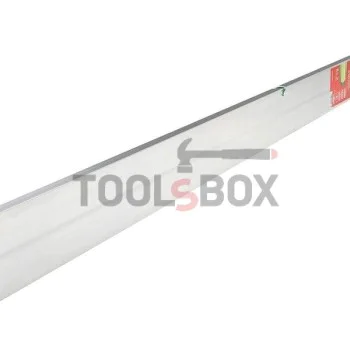
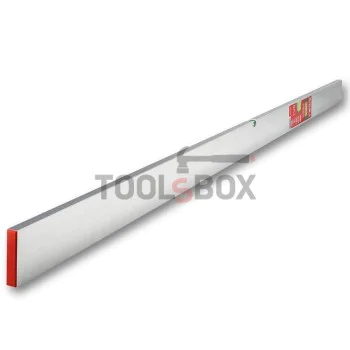
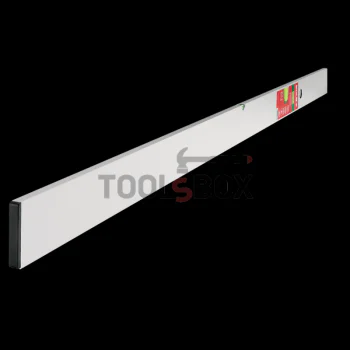
Mastar
A trowel for smoothing plaster, render, and construction surfaces
The trowel is a hand tool used for leveling, smoothing, and checking flatness in construction, repair, and finishing work. It is used for floor screeds, wall plasters, concrete layers, joint fillers, and preparing substrates before flooring or tiling. The straight profile allows for even distribution of the material and quick checking for unevenness, without complex techniques or unnecessary delays in the work process.
The trowel is a hand tool, but it has a direct impact on the final appearance of the surface. In professional use, it helps construction crews work faster, and in home use, it facilitates the precise execution of repair tasks. A well-chosen size, profile, and material reduce fatigue during work and improve control over the layer being formed.
What do the screed models include
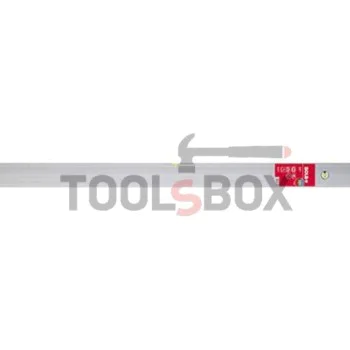
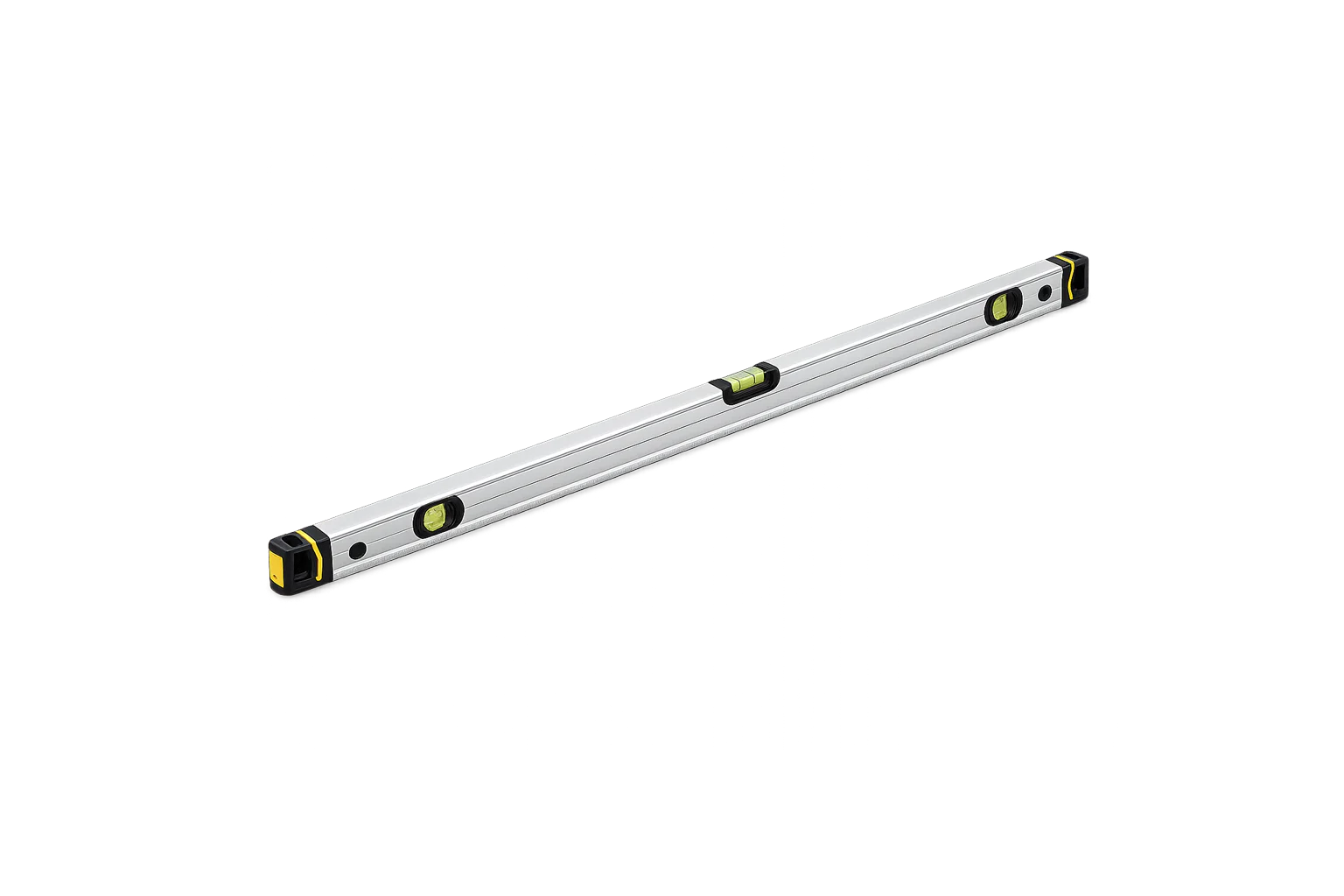
This section features models for manually leveling and checking construction surfaces. Aluminum models are the most common, as they are lightweight, corrosion-resistant, and easy to transport between job sites. Available profiles include straight, trapezoidal, and H-shaped, as well as variants with reinforced walls, models with handles, and screeds with built-in spirit levels for checking horizontal or slope alignment.
Screeds differ primarily in length, profile shape, wall thickness, and edge type. Shorter versions are convenient for tight spaces, around doors, columns, windows, and niches. Longer ones allow for work on larger areas and are valued for floor screeds, where a straight line must be maintained over a wider section. Reinforced profiles are practical for frequent professional use because they better withstand pressure and movement along guide rails.
Applications in Construction and Renovation
The trowel is used in both rough and fine construction work. When applying screed, the tool moves along pre-set guides and pulls the material to the desired level. For plastering, it is used to remove excess mortar and create a smooth wall surface. For spackling and preparatory work, it helps identify dents, protrusions, and areas that require correction.
For installation work, the screed level is useful for checking substrates for tiles, laminate, parquet, drywall constructions, and facade systems. For more precise tasks, a model with a spirit level facilitates the control of slopes, for example on terraces, in bathrooms, in drainage areas, and on outdoor patios. When working with concrete or cement mixtures, the profile must be cleaned promptly to ensure the straight edge remains precise and smooth.
Types based on profile and task
| Screed type | Characteristics | Application |
|---|---|---|
| Trapezoidal profile | Lightweight and easy to guide across the surface | Smoothing of plaster, putty, and thinner layers |
| Rectangular or H-profile | More stable grip and good straightness | Screeds, leveling control, and work along guides |
| Leveling tool with spirit level | Combines leveling and visual level checking | Slope adjustments, installation, and finishing work |
| Model with handles | More comfortable grip during prolonged use | Larger areas and frequent tool movement |
How to choose the right spirit level
When buying a level, pay attention to the length. Short models are easy to handle with one hand and are practical for home repairs, tight spaces, and details around openings. Medium lengths are preferred for everyday construction tasks because they offer good maneuverability and sufficient reach. Long models are better suited for floors and wide walls, but require more space and careful storage.
The material also matters. An aluminum trowel is lightweight, doesn't strain your hands, and is easy to clean after working with mortar. For more intensive use, look for a profile with sufficient thickness and evenly shaped edges. A straight working edge is crucial for accuracy, so the tool must not be twisted, bent, or have distorted geometry.
The profile shape is selected based on the type of work. The trapezoidal trowel glides smoothly over the material and is convenient for plastering. The H-profile provides stability when pulling plaster and when working on guides. Models with a spirit level are practical when, in addition to flatness, horizontal or vertical alignment needs to be monitored. Handles are valuable for long lengths, as they provide better control and less slippage.
Operation, Safety, and Maintenance
The trowel should be moved with even pressure, without sudden jerks or twisting the profile. When applying plaster, guide the tool along stable guides or rails; when applying render, glide it across the surface with smooth movements. Excessive pressure on one edge distorts the surface and leaves marks in the fresh material.
After finishing work, clean the profile of cement, lime, plaster, or adhesive before the mixture sets. Dried material can damage the working edge and impair accuracy on the next task. Store the tool lying flat on a level surface or hung so that it does not bend. When transporting a longer trowel, be careful to protect the edges from impacts against walls, doors, and metal parts.
Trowel for professional and home use
A straightedge is essential for finishing work where a level surface determines the quality of the next step-tile installation, flooring, spackling, or painting. For craftsmen, construction crews, and discerning DIYers, the right model saves on corrections and makes the job more predictable.
Browse the screed options at Toolsbox.bg and choose the length, profile, and type based on the specific task-from small repair jobs to larger construction projects.