
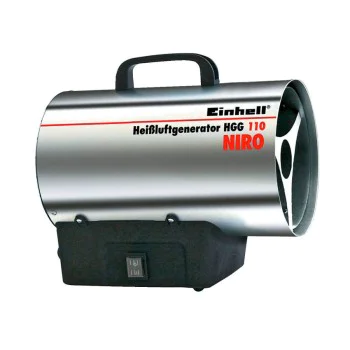
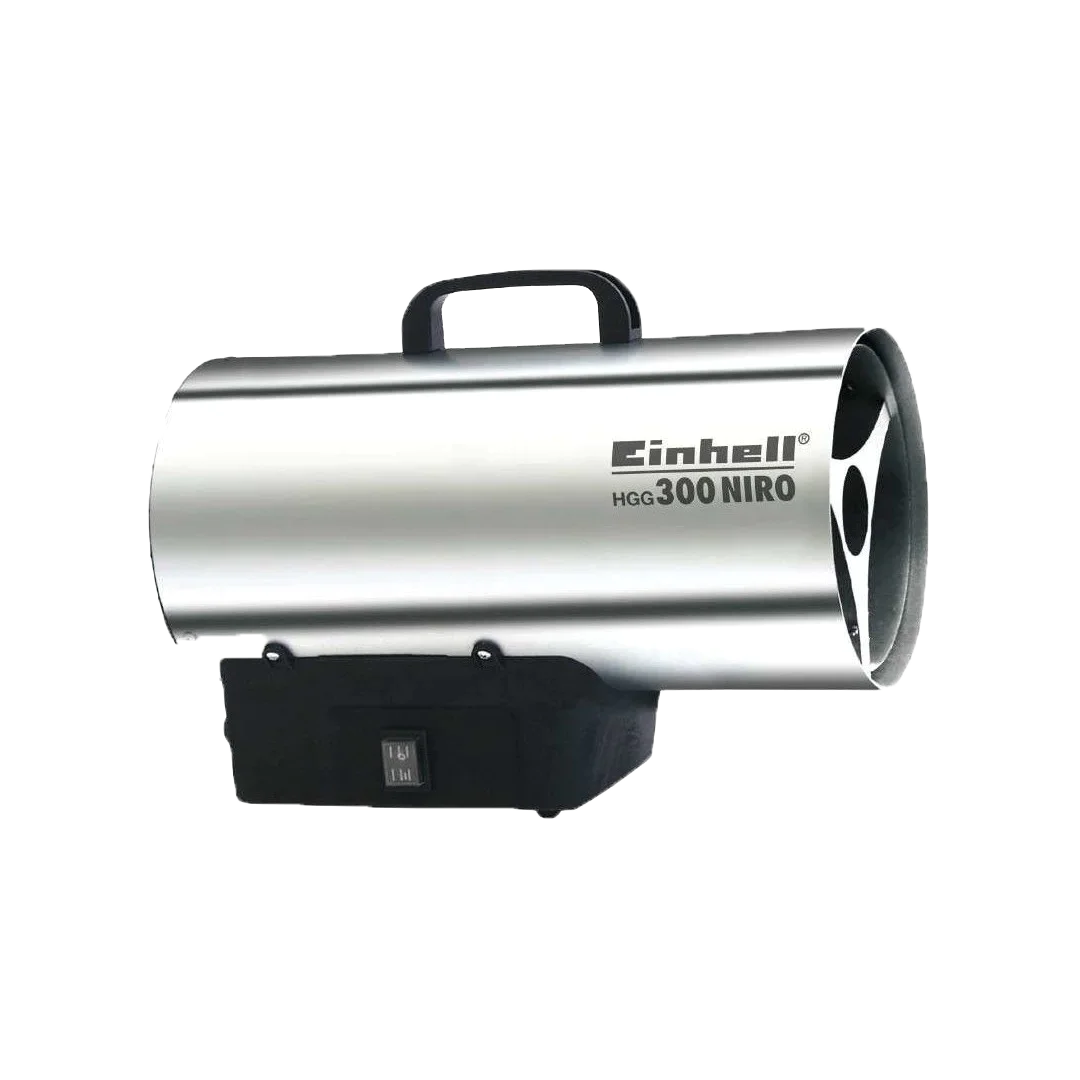
Gas heater
Gas space heater for rapid heating of work and utility areas
A gas heater is a practical heating device for places where a strong heat stream is needed in a short time: workshops, garages, warehouses, hangars, construction sites, service areas, greenhouses, and agricultural facilities. It runs on gas, most commonly propane-butane, and the built-in fan distributes the heated air to the work area. This heats the space faster than static heaters and maintains a more comfortable temperature during repairs, installation, drying of materials, or temporary work during the cold months.
Gas heaters are part of gas-powered equipment valued for their mobility, high heating capacity, and operation without the need for a permanent installation. They are preferred for temporary work sites, locations without central heating, and spaces with intermittent occupancy. Unlike many electric heaters, a gas heater can cover larger air volumes at a reasonable cost, provided the room is well-ventilated and safety guidelines are followed.
What Do Gas Heaters Include?
This product group includes portable heating units with a combustion chamber, a fan, a housing to direct the airflow, and components for connecting to a gas cylinder. Some models come with a hose and a pressure-reducing valve, while for others, these accessories are selected separately based on the unit's specifications. Power is typically required for the fan and controls, while heat is generated by burning gas.
Different heaters vary in power, airflow, gas consumption, ignition method, size, weight, housing shape, and protection rating. Some models feature piezo ignition, thermal protection, flame failure protection, a carrying handle, or a sturdy metal stand. These features affect ease of use, heating speed, and suitability for more intensive professional use.
Applications in workshops, construction, and agriculture
The gas heater is a valuable tool for heating rooms that are not used constantly or are difficult to heat using conventional methods. In workshops and service centers, it helps maintain a comfortable temperature around workbenches, machinery, or assembly areas. In construction, it is used for temporary heating of sites, supporting construction processes, and drying plaster, putty, and painted surfaces when conditions permit such work.
In warehouses and industrial buildings, the gas heater accelerates the heating of areas with large air volumes. In agricultural activities, it is used for temporary heating in farm buildings, greenhouses, or equipment maintenance areas. For home users with high demands, the unit is suitable for a garage, hobby workshop, or well-ventilated utility room where a powerful heater is needed for a limited period.
Selecting a gas heater based on the room and the task
When selecting a gas heater, the volume to be heated is considered first, not just the floor area. The room's height, insulation, frequency of door openings, outdoor temperature, and desired heating time all influence the required power. Smaller models are suitable for garages, service areas, and confined workspaces. More powerful heaters are designed for warehouses, construction sites, and storage facilities where a higher airflow is required.
Gas consumption, the type of pressure-reducing valve, the length and condition of the hose, the stability of the housing, and ease of movement are also important. If the unit will be moved frequently between locations, weight, the handle, and compact dimensions matter. For continuous operation in a service center or warehouse, it is wise to pay attention to safety features, easy ignition, and the ability to smoothly adjust the heat output, when available.
Key purchasing criteria
- Heat output-select based on the room's volume and the desired heating speed.
- Airflow - higher airflow distributes heat more quickly in larger spaces.
- Gas consumption-an important factor for continuous operation and cost planning.
- Compatibility with the cylinder and regulator-check the pressure, connections, and manufacturer's recommendations.
- Ignition and control-piezo ignition, regulation, and user-friendly buttons simplify daily operation.
- Safety features-thermal protection and flame control enhance operational safety.
- Portability-weight, handle, and stable base are important when working in multiple locations.
Safe operation of a gas heater
A gas heater requires good ventilation, as combustion produces exhaust gases and consumes oxygen. The unit must not be placed in enclosed living spaces without ventilation, nor near flammable materials, solvents, paints, fuels, or dust accumulations. There must be clear space in front of the hot air outlet, a stable base, and a properly connected gas cylinder.
Before starting, check the hose, clamps, pressure-reducing valve, and connections. Do not use damaged or cracked components. The gas cylinder must be kept upright and at a safe distance from the hot air stream. After finishing work, shut off the gas supply to the cylinder and allow the unit to cool down. Regular cleaning of the housing, intake vents, and fan helps ensure stable operation and a longer service life.
Accessories, Consumables, and Maintenance
For a gas heater to function properly, compatible accessories are required: a gas hose, a pressure-reducing valve, clamps, and possibly spare ignition or service parts depending on the specific model. When selecting accessories, consider the operating pressure, gas type, connection diameter, and the manufacturer's recommended specifications. Inappropriate components can disrupt combustion or pose a safety risk during operation.
Maintenance is relatively easy but should not be neglected. Dust, construction debris, and dirt around the air intake reduce airflow and strain the fan. When storing the unit seasonally, ensure it is dry, clean, and protected from impact. Keep the gas hose free from kinks, oil, and direct heat. This ensures the heater remains ready for the next use during repairs, installation, or heating at the workplace.
Gas heater for professional and demanding home use
Gas heaters are a great choice for tradespeople, installation crews, service providers, construction companies, warehouses, and workshop owners looking for a powerful portable heater. When properly sized, the unit provides thermal comfort in cold rooms, aids the work process, and reduces the time needed to reach the desired temperature. A compact model is sufficient for smaller spaces, while larger areas require higher power and a stronger airflow.
Browse the gas space heater options at Toolsbox.bg and select a model based on the room, frequency of use, required power, and available accessories. A well-chosen space heater is a practical part of the heating equipment for work areas, construction sites, and service rooms during the cold season.