
Extended key
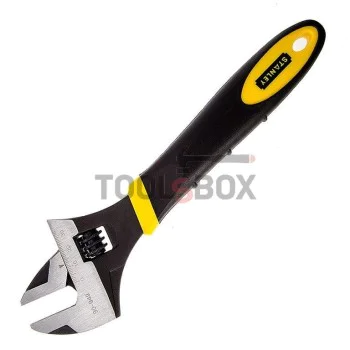
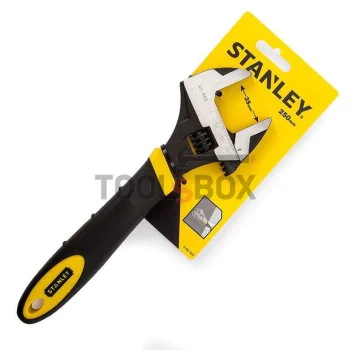
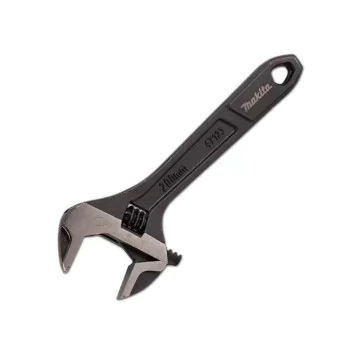
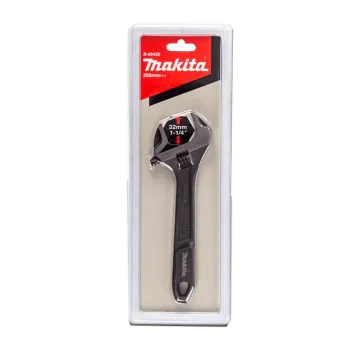
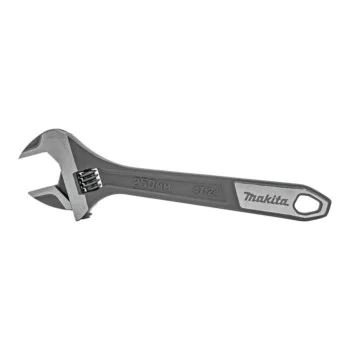
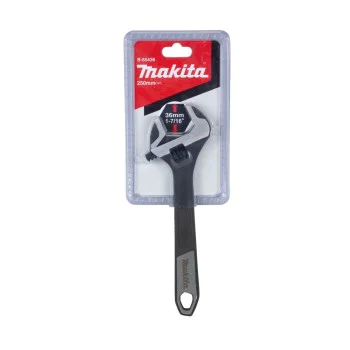
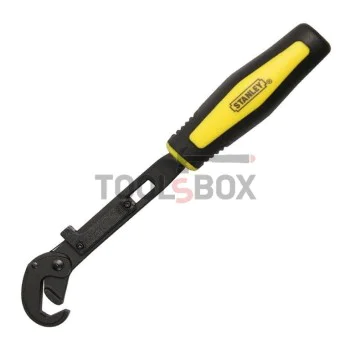
Adjustable wrench for installation, repair, and maintenance
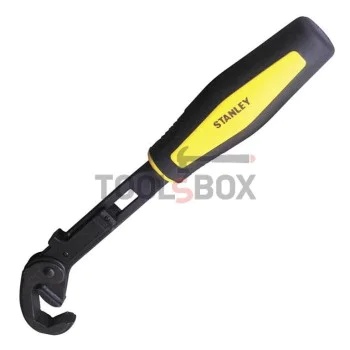
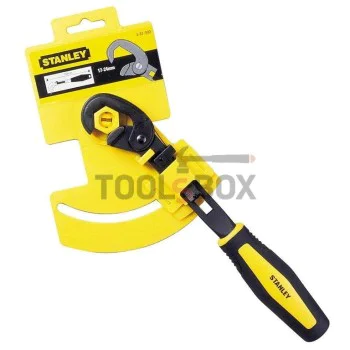
An adjustable wrench is a practical hand tool for tightening and loosening nuts, bolts, couplings, and fittings of various sizes. The adjustable jaw replaces several fixed wrenches and saves space in your toolbox, workshop, or service vehicle. This type of wrench is invaluable for installation work, machine repair, plumbing, automotive maintenance, metal fabrication, and home repairs where the size of the fastener is not always known in advance.
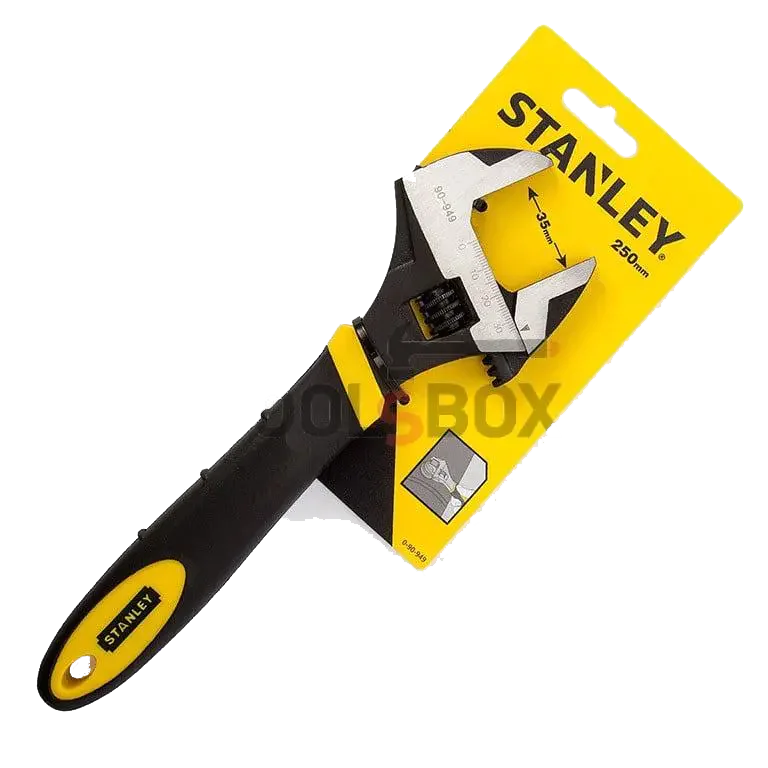
Every adjustable wrench operates via a movable jaw controlled by a screw mechanism. After being adjusted to the specific nut, the tool must grip the sides of the fastener tightly, without play or slipping. This reduces the risk of rounding the edges and ensures a more controlled torque. For professional use, precise adjustment, a stable head, and a comfortable handle are valued, while for home use, compact size, easy adjustment, and a good grip are key.
Where is an adjustable wrench used?
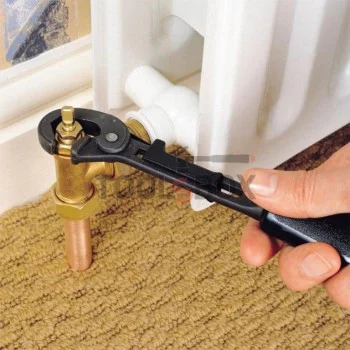
An adjustable wrench is among the essential hand tools for repair, installation, and maintenance. In plumbing work, it is used for working with socket nuts, soft metal couplings, and various fittings. In an auto repair shop, it helps remove fasteners with non-standard or intermediate sizes. In construction, it is useful for assembling clamps, anchors, profiles, and temporary structures. In a workshop, it is used for machine setup, securing parts, and general repair operations.
The compact adjustable wrench is convenient for tight spaces, electrical cabinets, home repairs, and quick adjustments. Longer models provide greater leverage and are better suited for tighter nuts or larger fasteners. When working with chrome-plated, brass, or visible parts, it is recommended to carefully adjust the jaws, as excessive pressure or an incorrect angle can leave marks on the surface.
How to Choose an Adjustable Wrench
Choosing an adjustable wrench starts with the size. The length of the tool affects tightening force, control, and access to the work area. Small models are lightweight and easy to carry; medium-sized ones handle everyday repair tasks; and large ones are designed for heavier loads and fasteners with larger diameters. The jaw opening is just as important, as it determines the range of sizes the tool can handle.
- Wrench length-shorter versions offer maneuverability, while longer ones provide greater leverage.
- Maximum opening-it must accommodate the nuts, bolts, or fittings you are working with.
- Body material-chrome-vanadium or other tool steel offers good resistance to stress.
- Handle shape-smooth, textured, or coated for a more secure grip during prolonged use.
- Scale on the head-facilitates presetting and repeatable operations.
Jaws, mechanism, and adjustment accuracy
The quality of the jaws is directly important for safe operation. Flat contact surfaces, a tight screw mechanism, and smooth movement of the movable part help ensure a stable grip. An adjustable wrench with a loose mechanism requires more adjustments and increases the risk of slipping. When selecting a tool, pay attention to the parallelism of the jaws, the smooth rotation of the adjustment screw, and the absence of sharp edges on the handle.
Sizes and Applications
| Type Size | Practical use | Advantage in use |
|---|---|---|
| Compact | Home repairs, installation in tight spaces, light maintenance tasks | Easy to carry and good access |
| Medium | General workshop, automotive maintenance, installation work | A convenient balance between power and control |
| Large | Larger nuts, metal structures, heavier repair operations | Higher torque and a secure grip |
Materials, finishes, and comfort
A well-made adjustable wrench is recognizable by its sturdy body, precise head, and smooth adjustment. A chrome-plated or phosphated finish helps protect against corrosion and makes cleaning easier after working in dusty, damp, or dirty environments. The handle should sit securely in the hand without tiring the wrist during repetitive operations. In service work and on-site installation, comfort directly affects the pace of work and the accuracy of tightening.
For tools carried daily in a bag or case, weight also matters. A model that is too heavy puts unnecessary strain on the user during small tasks, while one that is too small does not provide sufficient leverage for tight fasteners. A practical set consisting of one medium and one smaller adjustable wrench covers a wide range of repair situations without the need for many separate wrenches.
Safe operation and maintenance
An adjustable wrench must be placed snugly over the nut, with the movable jaw properly aligned before applying force. Extending the handle with a pipe is not recommended, as the load on the mechanism exceeds the tool's normal operating limits. For tightly fastened or corroded fasteners, it is wiser to use a tool of the exact size or a suitable insert when access permits.
Maintenance is simple: clean the jaws of chips, dust, and oil, and periodically lubricate the adjusting screw with a small amount of machine oil. Storing the tool in a dry place protects the steel and mechanism from corrosion. If the jaws show visible deformation or excessive play, the tool no longer provides a secure enough grip and must be replaced.
Choose the right adjustable wrench for your job
At Toolsbox.bg, you'll find adjustable wrenches for service teams, installers, technicians, craftsmen, and discerning DIYers. Select a model based on the size of the fasteners, your workspace, the required torque, and frequency of use. This way, you get a practical hand tool that complements any toolbox well and helps with a wide range of repair and installation tasks.