
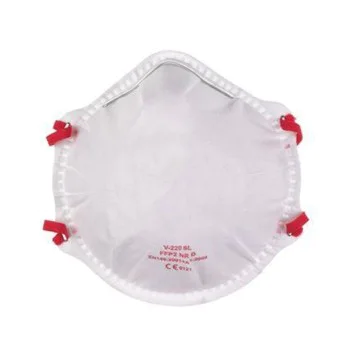
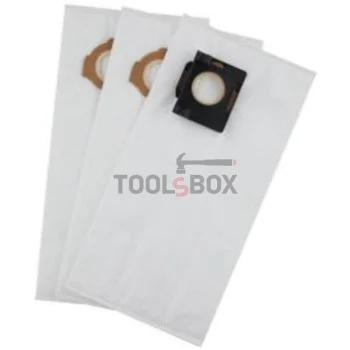
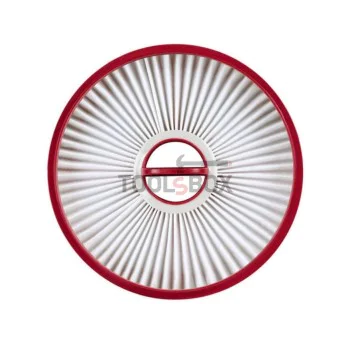
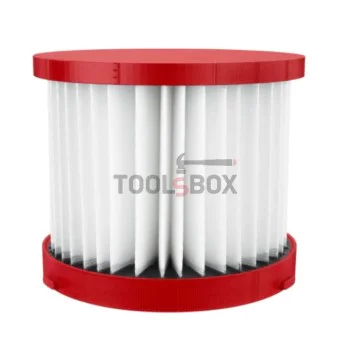
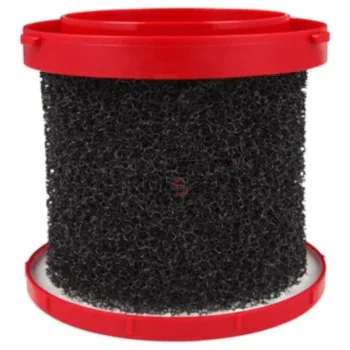
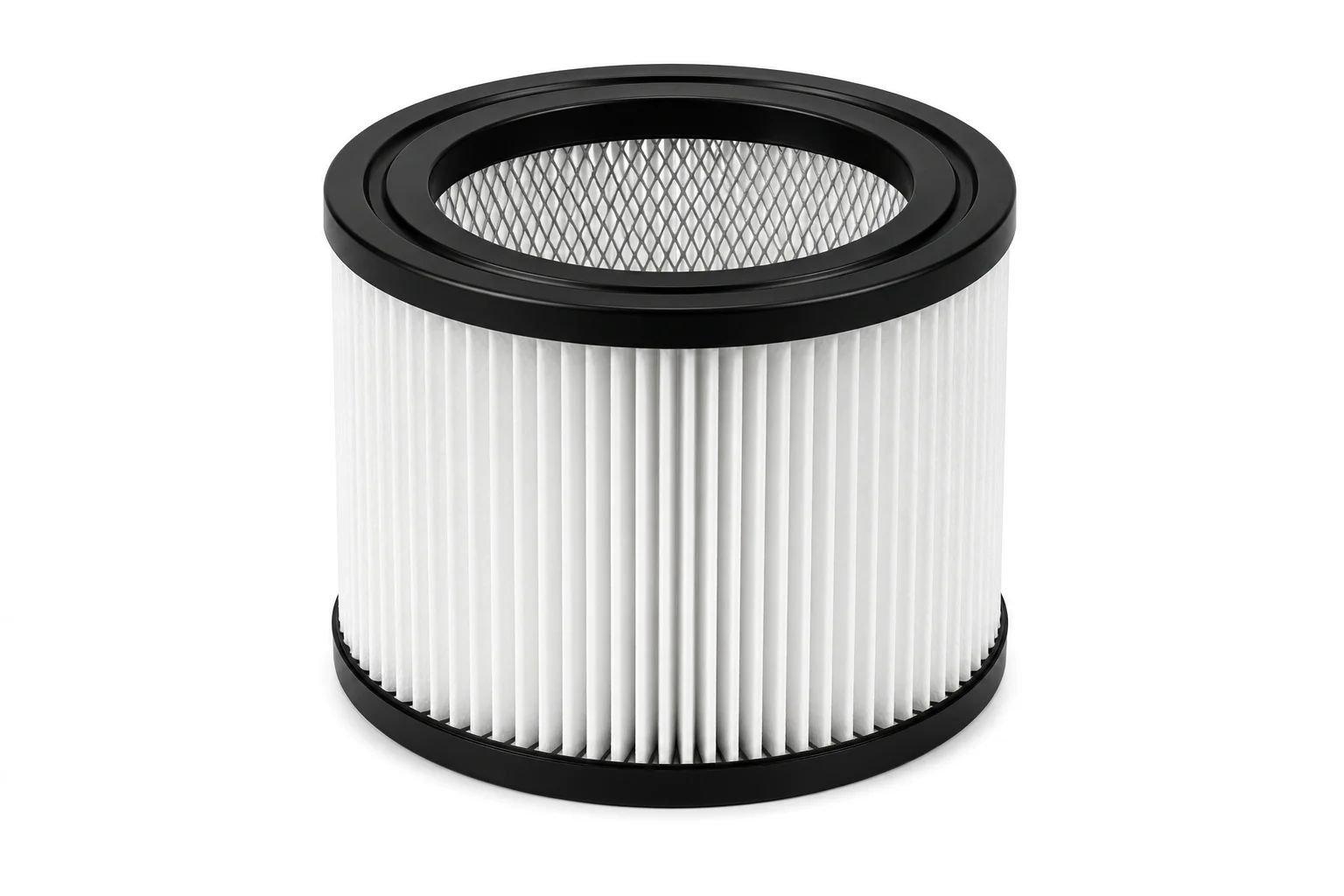
Filter
Respirator filter for use with dust, gases, and vapors
A filter for safety masks and respirators is a consumable that purifies inhaled air when working in environments containing dust particles, aerosols, vapors, or certain gases. In the field of protective clothing, it is part of personal respiratory protection and is used in combination with half-masks, full-face masks, or other compatible protective equipment. Selecting the right filter directly affects comfort, the level of protection, and safety during construction, renovation, painting, sanding, woodworking, working with chemicals, or maintenance activities.
Toolsbox.bg offers filters for various work tasks-from capturing fine dust to protection against organic vapors and mixed contaminants. Some models are designed for single-use replacement after exposure, while others attach to reusable masks via a threaded, bayonet, or other type of connection. When selecting a filter, you must consider the work environment, compatibility with the mask, the protection rating, and working conditions.
Types of filters for safety masks and respirators
Filters differ based on the contaminants they are designed to protect against, their retention class, the shape of the housing, and the method of installation. A dust filter is required for grinding, cutting, drilling, and working with mineral materials, wood, plaster, cement, or insulation materials. These models capture solid and liquid particles according to their respective class, such as P1, P2, or P3, when such a designation is provided by the manufacturer.
Gas and vapor filters are selected based on the type of substances in the work environment. Markings such as A, B, E, or K indicate protection against different groups of gases and vapors, such as organic vapors, inorganic gases, acidic gases, or ammonia compounds. For painting activities, work with solvents, varnishes, adhesives, or cleaning agents, a model with appropriate chemical protection tailored to the specific material is typically required.
A combined-type filter combines protection against particles and certain gases or vapors. It is practical for tasks where dust is generated and vapors are present simultaneously-for example, when painting after sanding, working with primers, chemicals, or composite materials. There are also pre-filters that protect the main element from rapid clogging and extend its service life in highly dusty environments.
| Filter type | Working environment | Selection guidelines |
|---|---|---|
| Dust | Grinding, cutting, construction dust, woodworking | Class P1, P2, or P3 depending on dust level |
| Gaseous | Painting, solvents, chemical vapors | Markings A, B, E, K depending on the substance |
| Combined | Dust plus gases or vapors | Combination of particles and chemical protection |
| Pre-filter | Highly dusty environment | Compatibility with holder and main filter |
Compatibility with masks, half-masks, and face shields
The compatible filter must fit the specific mask or respirator precisely. Different manufacturers use different attachment systems-threaded connections, bayonet sockets, snap-on holders, or special cartridges. Incorrect attachment compromises the seal and reduces protection, even if the filter element itself is correctly labeled for the specific work environment.
Half-masks typically use a single central filter or two side elements positioned symmetrically for better balance. For full-face masks, the filter must not obstruct visibility or impede breathing more than is permissible for the specific task. For longer periods of work, models with lower inhalation resistance are more comfortable, provided they meet the required level of protection.
Criteria for selecting a filter for work
First, identify the type of contaminant-dust, smoke, aerosols, organic vapors, acid gases, or a mixed environment. Then check the protection class, labeling, and compatibility with the mask being used. A filter for fine dust particles does not replace a chemical model, and a gas cartridge without particle protection is insufficient for sanding or working with dry construction mixtures.
- Marking and class-look for a clear indication of the type of protection and the intended use of the filter.
- Connection-check that the thread, bayonet, or holder matches the mask model.
- Work environment-consider dust exposure, the type of chemicals, the duration of the task, and ventilation.
- Comfort-weight, fit, and breathing resistance affect fatigue during prolonged use.
- Replacement-replace the filter if breathing is difficult, if you smell odors through the mask, if there is visible contamination, or as directed by the manufacturer.
Practical Use, Storage, and Safety
Filters should be stored in a clean, dry environment, protected from dust, moisture, and chemical vapors when not installed on the mask. After working with solvents or strong-smelling substances, it is advisable to keep the cartridges separate from clean consumables, as the active material continues to absorb contaminants from the environment. A damaged housing, cracked seal, or missing cap are signs that replacement is needed.
The filter does not supply oxygen and is not intended for use in enclosed spaces with oxygen deficiency or unknown concentrations of hazardous substances. For standard workshop, construction, installation, and repair tasks, however, a well-chosen filter enhances protection and comfort when working with dust, smoke, and fumes. Combining it with goggles, gloves, protective clothing, and good ventilation creates a safer work environment.
Browse the selection of respiratory protection filters at Toolsbox.bg and choose a compatible filter based on your mask, work environment, and required protection. This ensures the equipment remains practical for professional use, service work, home repairs, or workshop tasks.