
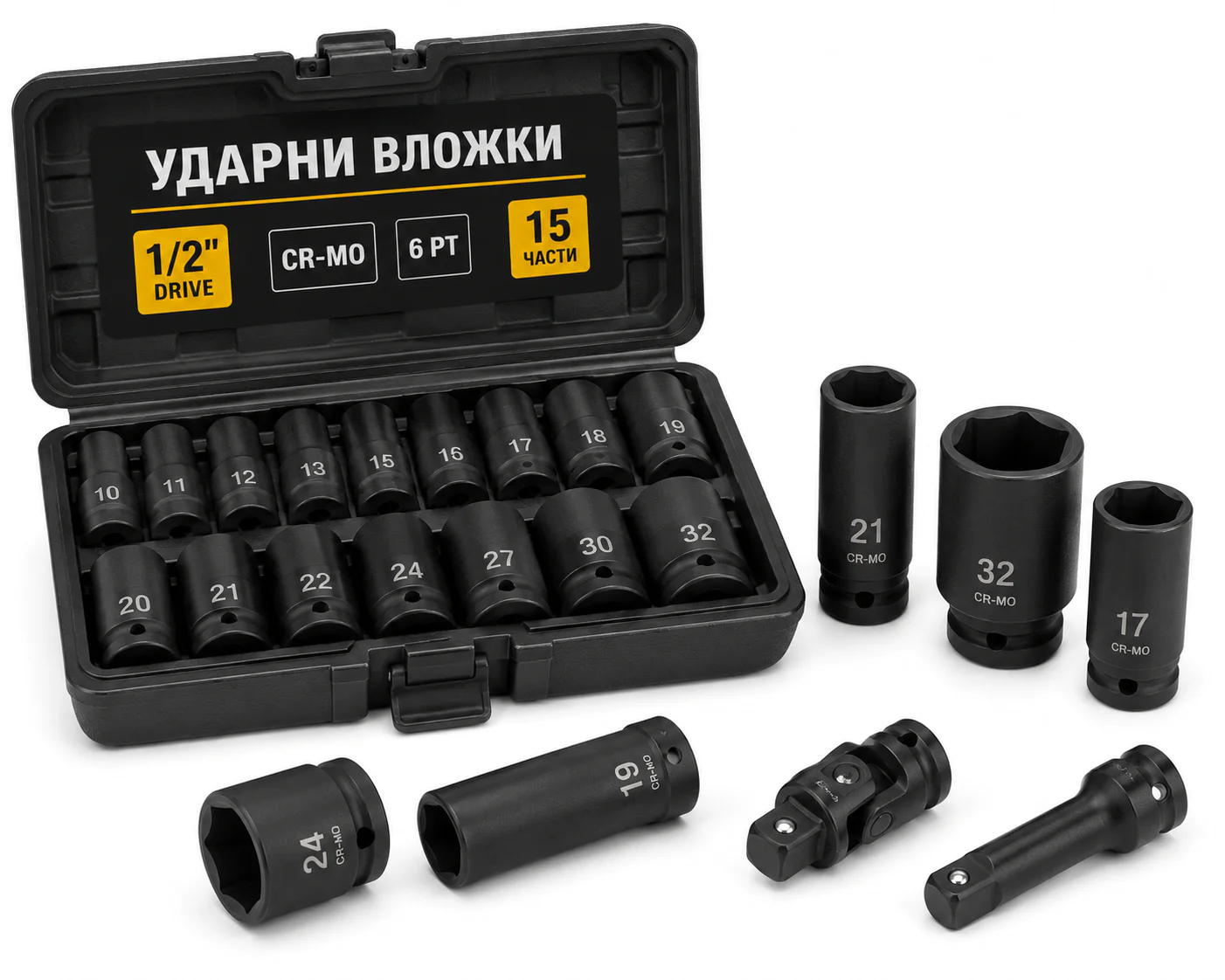
Impact inserts
Impact sockets for high-torque tightening and loosening
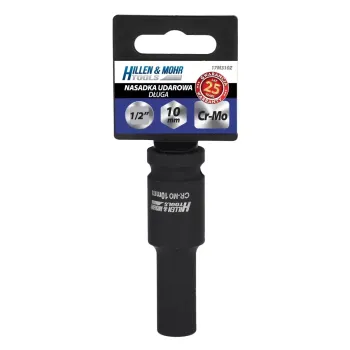
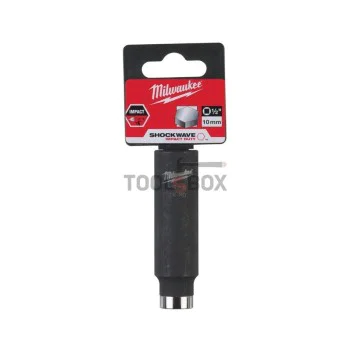
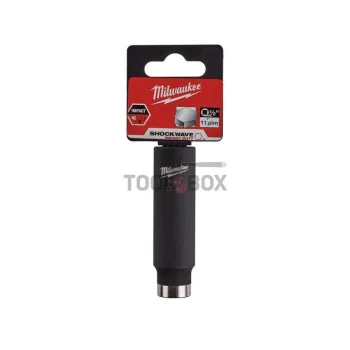
Impact sockets are specialized bits designed for use with impact wrenches, impact screwdrivers, pneumatic tools, and hand tools with the corresponding square drive. They absorb the short, powerful impacts when tightening and loosening bolts and nuts without cracking easily and without damaging the fasteners when the correct size is selected. The black finish, thicker walls, and construction from durable alloy steels set them apart from standard ratchet sockets.
At Toolsbox.bg, you can choose impact sockets for auto repair shops, installation work, construction, machine repair, equipment maintenance, and home workshop projects. The range includes single sizes, deep sockets for studs, short sockets for confined spaces, sockets with different grips, and sets for more frequent service work.
What are they used for?
Impact sockets are used for loosening tight, rusted, or loaded fasteners where standard hand sockets are not a safe choice. They are preferred for changing tires, servicing the chassis, assembling metal structures, working on agricultural machinery, and repairing trailers, machines, and equipment. When properly combined with a socket wrench or impact driver, they ensure a stable transfer of torque to the nut or bolt.
During assembly tasks, fasteners of varying lengths and accessibility are often used. Short impact sockets are convenient in tight spaces where the tool must remain close to the workpiece. The deep models reach nuts on studs, wheel nuts with deeper sockets, and fasteners located under an edge or profile. For repair work on cars, trucks, and construction equipment, depth and the exact size are just as important as the square drive itself.
Sizes, Drive, and Working Profile
When selecting impact sockets, first consider the fastener size and the machine's drive size. The most common sizes are 1/2" for auto repair shops and general workshops, 3/8" for more compact tools, 1/4" for lighter tasks, and 3/4" and 1" for heavy-duty service, industrial maintenance, and large fasteners. An incorrect adapter or loose fit increases wear and can cause the insert to come loose.
- Metric sizes-for nuts and bolts in automotive service, construction, and machinery maintenance.
- Deep models-for studs, rims, and fasteners that are harder to access.
- Short models-for working in confined spaces and better control over the machine.
- Hexagonal profile-ensures stable contact with the sides of the nut and reduces the risk of rounding.
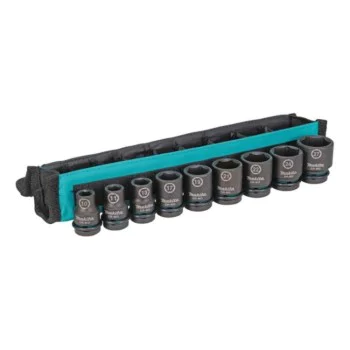
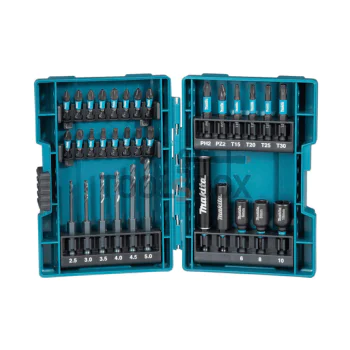
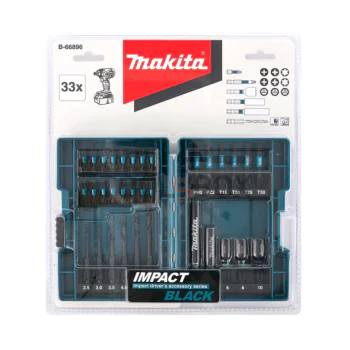
- Sets-a practical option for service centers and workshops where multiple sizes are used throughout the day.
Material, coating, and durability
High-quality impact sockets are typically made of chrome-molybdenum steel, as this material withstands impact loads and torsion better than the steels used in standard hand sockets. The thicker wall and precise heat treatment help the socket maintain its shape during repeated use with high torque. The black oxide or phosphated coating protects the surface from corrosion and makes them easier to identify among other sockets in the workshop.
It is not good practice to mount a standard chrome-plated socket for a manual ratchet onto an impact wrench. Under high-impact loads, it can break suddenly, posing a risk to the operator and nearby components. Impact sockets are specifically designed for this type of operation and provide safer performance under load, provided they are selected according to the machine and the fastener.
Compatibility with Impact Wrenches and Screwdrivers
Before purchasing, check the square drive of the impact wrench or adapter, the working range of the fasteners, and access to the installation site. For impact screwdrivers with a hexagonal holder, an adapter to a square drive is often required, while for powerful pneumatic impact wrenches, sockets with a pin hole and a locking ring are needed. This locking mechanism holds the socket firmly on the machine's anvil, which is particularly useful when working overhead, on the undercarriage, or on heavy structures.
For rims, sizes compatible with the vehicle's lug nuts are required, and for aluminum rims, models with a more precise shape and sufficient depth are used to prevent damage to the surface around the socket. For industrial maintenance and the installation of metal components, the choice tends toward larger sizes, reinforced walls, and a corresponding 3/4" or 1" square drive.
Safe operation and care
For a long service life, impact sockets must be used with the correct size fasteners, without play and without tilting the machine. Excessively worn nuts or bolts should be handled carefully to avoid damaging the working profile of the socket. When working with a high-torque impact wrench, safety goggles, a stable body position, and torque control are required, especially during final tightening.
After use, clean the sockets of dust, metal shavings, dirt, and oil residue. Storing them in a case, rack, or organizer prevents them from getting scattered and facilitates quick access in the workshop. Visible cracks, deformations, or a severely rounded inner profile are signs that the socket needs to be replaced.
Choose the right impact sockets for your job
Well-chosen impact sockets save time during servicing, installation, and repair, protect fasteners, and reduce stress on the machine. Consider the socket wrench square, the size of the nuts, the access depth, and the method of fastening. Browse the selection at Toolsbox.bg and choose a single socket or a set based on the tasks in your workshop, service center, or construction site.