
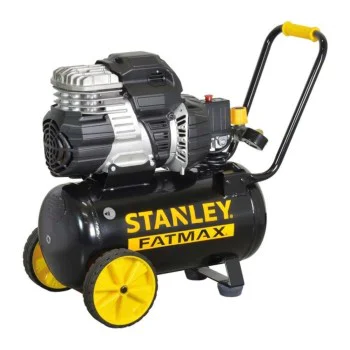
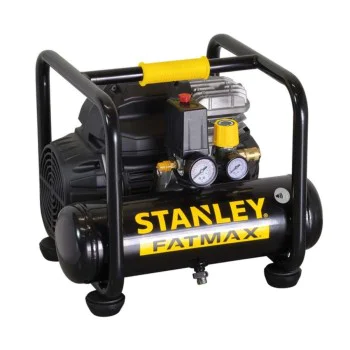
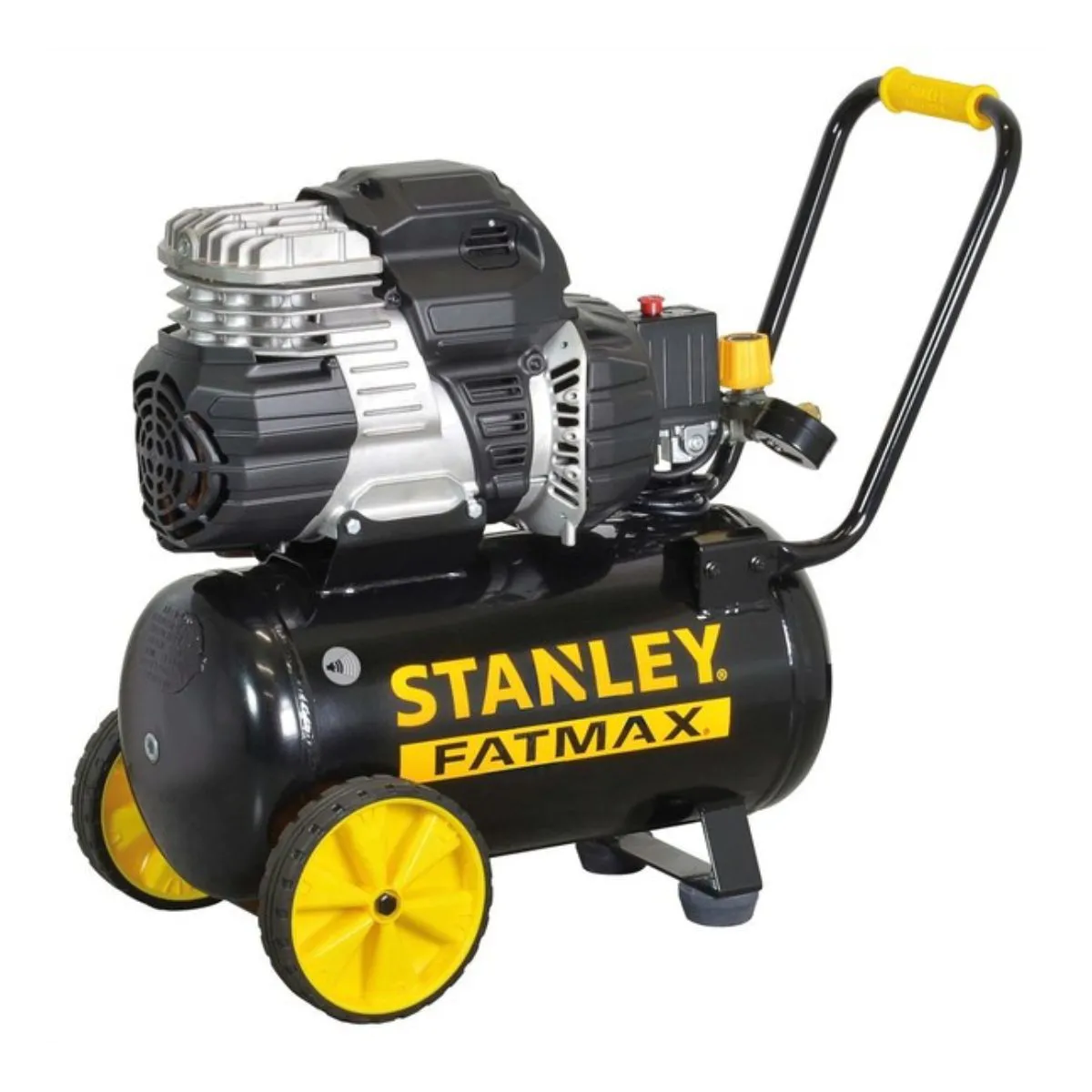
Silent compressors
Silent compressors for clean and quiet compressed air operation
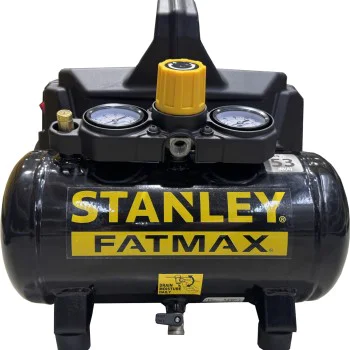
Silent compressors are a practical choice for places where low noise levels are required along with stable pressure-small workshops, service rooms, garages, studios, offices, and home repair areas. They supply compressed air for pneumatic tools, blowing, painting, inflating, airbrushing, tackers, fine assembly operations, and other tasks, without the loud noise of standard compressors.
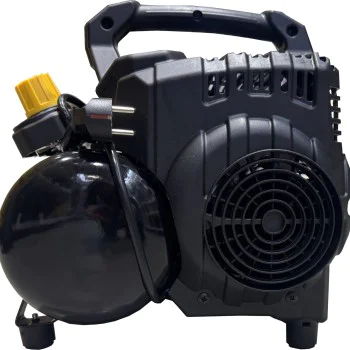
In these machines, quiet operation is achieved through low-speed electric motors, precisely balanced pump heads, vibration damping, and a design focused on lower noise levels. Many models are oil-free, which simplifies maintenance and reduces the risk of oil contamination in the air during delicate operations. Other variants rely on a larger-capacity receiver to maintain an air supply and limit frequent motor cycling.
Where are quiet compressors used?
Quiet compressors are valued where noise interferes with concentration, communication, or work near residential areas. In a workshop setting, they power blow guns, pressure gauges, small impact wrenches, riveters, tackers, and other pneumatic tools with moderate air consumption. In carpentry, furniture making, and assembly work, they are ideal for nails, staples, dust removal, and supplying air to light tools.
For hobbies and precision tasks, silent compressors are valuable for airbrushing, model making, decoration, touch-ups, lacquer coatings, and working with small paint spray guns. For home use, they are used for inflating tires, balls, and inflatable accessories, blowing out filters, cleaning work surfaces, and light repair work. In medical, cosmetic, or laboratory settings, compact and clean air sources with low vibration are preferred when the specific activity allows it.
Differences Between Models
Silent compressors differ in several parameters that directly affect their operation. The receiver volume determines how much air is available before the motor restarts. Smaller tanks are convenient for portability and light tasks, while larger ones provide a more consistent flow during longer operations. The flow rate indicates how much air the machine delivers per unit of time and is of great importance for pneumatic tools with constant consumption.
The working pressure depends on the tool or accessory being powered. For inflating, blowing, and airbrushing, a lower air flow is often required, while nail guns, impact wrenches, and paint spray guns require a more substantial supply. The motor power affects the fill time, and the design of the compressor head impacts noise, vibration, and load during continuous operation.
| Guidelines for selection | What to look for | Practical considerations |
|---|---|---|
| Tank capacity | liters | Greater air supply and less frequent motor activation |
| Flow rate | l/min | Matches the consumption of the pneumatic tool |
| Working pressure | bar | Stable operation of nozzles, guns, and tools |
| Noise level | dB | A more comfortable environment indoors or near residential areas |
| Pump type | Oil-free or oil-lubricated | Differences in maintenance, air quality, and service life |
How to choose a quiet compressor based on the application
When selecting a compressor, first compare the tool's requirements with the compressor's specifications. Every pneumatic tool requires a specific flow rate and pressure; if the machine is too small, it will run almost constantly and lose pressure under load. For short operations, airbrushing, blowing, and inflating, a compact model with a small receiver is sufficient. For nail guns, assembly work, and longer painting sessions, it makes more sense to look for a larger tank and a higher actual flow rate.
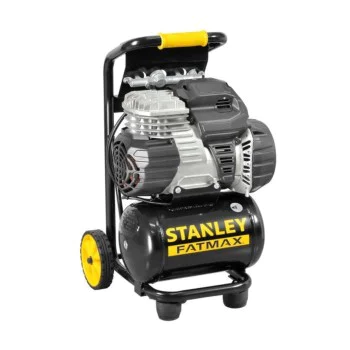
The work location also influences the choice. For a stationary workshop, a heavier compressor with a larger receiver can be selected, while for installations at various sites, lightweight bodies, handles, wheels, and a compact design are convenient. When working indoors, low vibration, stable rubber feet, and high-quality connections reduce resonance noise and protect the floor from scratches.
Oil-free and oil-lubricated options
Oil-free silent compressors are preferred for activities where clean air is a priority-airbrushing, painting small parts, precision assembly, blowing out electronics, or working in a clean environment. They do not require oil changes and are convenient for users seeking low-maintenance operation. Oil-lubricated models are typically designed for heavier-duty use but require oil level checks and regular maintenance according to the manufacturer's instructions.
Compatibility, Accessories, and Safe Operation
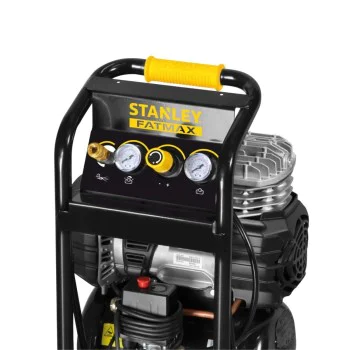
For optimal operation with compressed air, you need compatible hoses, quick-connect fittings, a pressure-reducing valve, a pressure gauge, a filter, a moisture trap, and nozzles appropriate for the task. When painting or using an airbrush, moisture in the air affects the finish, so filtration is highly beneficial. With pneumatic tools, the diameter and length of the hose affect pressure drops, especially at higher flow rates.
Safe operation begins with the correct pressure, stable positioning, and regular drainage of condensate from the receiver. The compressor should not be covered during operation, as the motor and pump head require cooling. Cables, hoses, and connections should be inspected periodically, and the safety valve and regulator should be kept free of contamination. This ensures the machine operates smoothly and has a longer service life.
Silent compressors for professional and home use
Selecting a quiet compressor is most effective when you consider the tasks, frequency of use, required flow rate, receiver volume, and available space. For tradespeople, repair shops, and installation teams, machines with a larger air reserve and convenient portability are valuable. For discerning home users, a compact, quiet compressor offers convenience for repairs, car maintenance, hobbies, and small jobs in the garage.
Browse the selection at Toolsbox.bg and choose a quiet compressor that matches your tools, work environment, and expected workload. The right model ensures quiet, stable, and convenient operation with compressed air for both everyday and specialized tasks.