
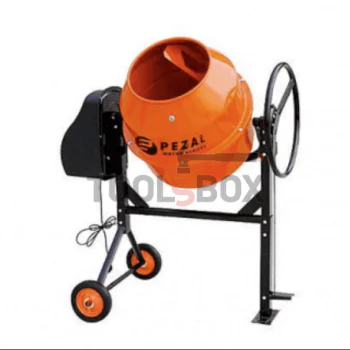
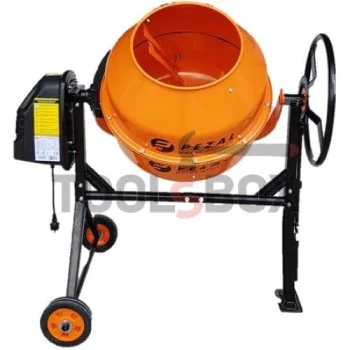
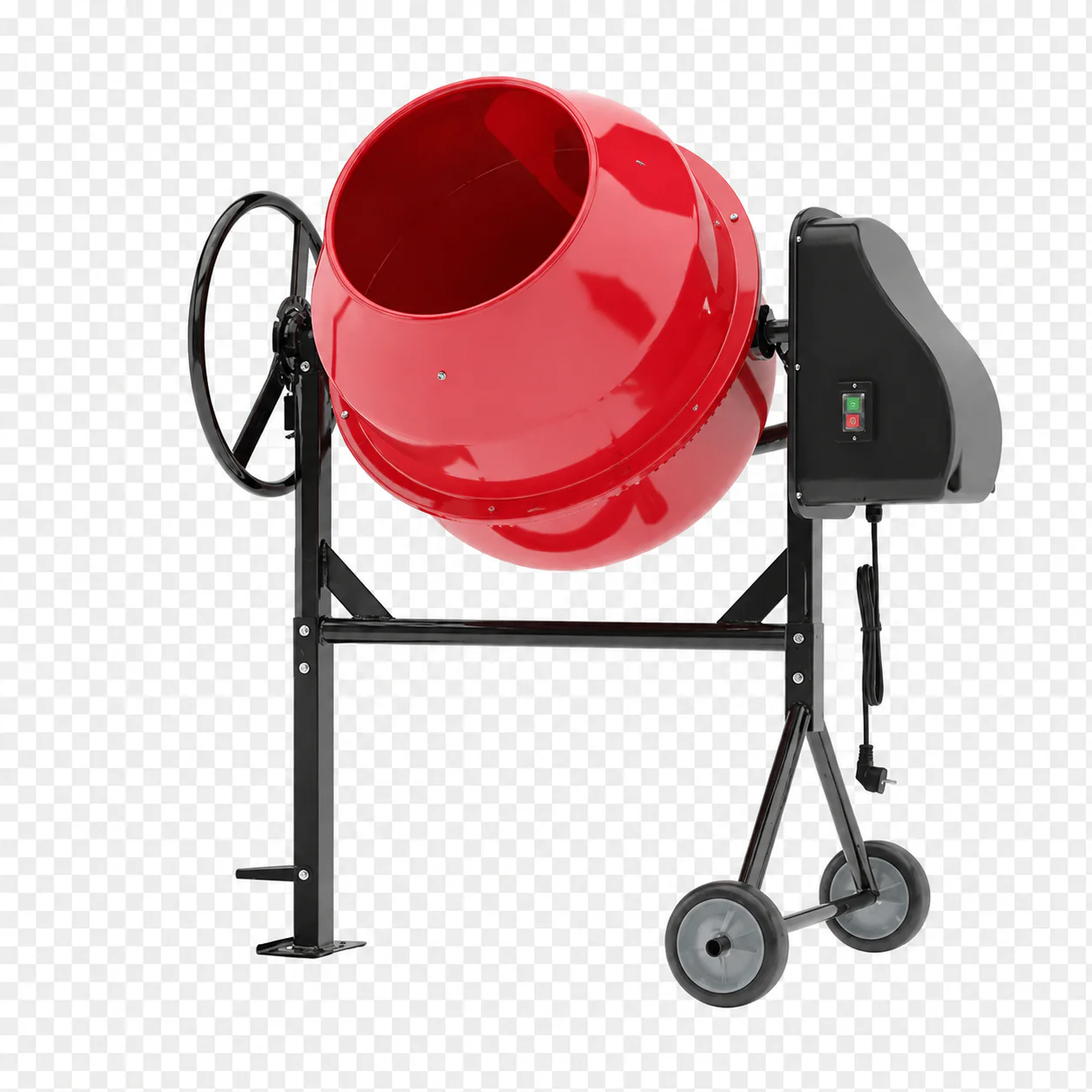
Mixer for concrete
Concrete mixer for precise mixing of construction mixtures
A concrete mixer is a practical machine for preparing a uniform mixture for construction, repair, installation work, and use in a workshop or on a job site. It is used for concrete, cement mortars, screeds, tile adhesives, plasters, fillers, and other materials that require thorough mixing without lumps or uneven consistency. For smaller quantities, the mixer is a convenient alternative to the classic concrete mixer, and for finishing work, it provides better control over density and mixing time.
When choosing this type of equipment, consider power, RPM, mixer type, mixing capacity, grip, weight, and operating mode. Different models are designed for different workloads-from occasional home use during bathroom or garage renovations to daily work on a construction site. A well-chosen mixer saves time, reduces physical effort, and helps ensure consistent results with every new batch of material.
What concrete mixers include
This group includes electric construction mixers, machines with one or two paddles, mixers with different speeds, models with soft start, adjustable RPM, and handles for stable control. Some of them work with lighter mixtures such as adhesives, fine plasters, and fillers, while others are designed for denser materials-concrete, lime-cement mortar, floor screeds, and mixtures with higher resistance to mixing.
The mixer is a key component for the machine's operation. Upward-moving spiral mixers are practical for heavier mortars because they pull the material from the bottom and aid in uniform mixing. Downward-moving mixers are used for more fluid and fine mixtures where less air entrainment is desired. The diameter and length of the mixer must correspond to the container, the amount of material, and the machine's power.
Applications in Construction and Repair
Concrete mixers are used for preparing foundations, pouring small concrete sections, repairing steps, curbs, patios, screeds, and installing building elements. For interior renovations, they are used for tile adhesives, leveling compounds, gypsum and cement-based fillers, decorative plasters, and other materials where a uniform texture is crucial for proper application.
For professional teams specializing in tiling, drywall, masonry, and finishing work, the machine is part of their daily equipment. For demanding DIYers, it is practical for larger-scale renovations where manual mixing is slow, tiring, and difficult to achieve consistent results. When used correctly, the mixture is prepared faster, and the material is applied more evenly.
Main options and differences between models
| Option | Operation | Practical use |
|---|---|---|
| Electric mixer with a single beater | Compact body, standard spindle, and easy control | Adhesives, fillers, plasters, small quantities of concrete mix |
| Mixer with two beaters | Higher torque and more uniform mixing | Thick mortars, plaster, more intensive work on-site |
| Powerful construction mixer | Designed for heavier loads and continuous operation | Professional construction work, frequent mixing of heavy materials |
| Drum concrete mixer | Drum mixing for larger volumes | Concrete for foundations, slabs, fences, walkways, and exterior construction work |
How to choose a concrete mixer
Power and torque
Power affects the machine's ability to mix thick materials without overloading. A more compact model is sufficient for light adhesives and fillers, while concrete, cement mortar, and heavy mortar require a more powerful motor and stable torque. For frequent professional use, it's best to look for a machine with a robust gearbox, comfortable handles, and speed control.
Speed and Control
Speed control allows for more precise mixing of different materials. Low speeds are important for thick mixtures because they reduce splashing and provide better control. Higher speeds are useful for liquid solutions and fine materials. A soft start makes it easier to start working with a full container and protects the operator from sudden jerks of the machine.
Compatibility with Mixers
Before purchasing, it is advisable to check the type of attachment, the mixer's diameter, and the maximum mixing volume specified for the specific model. The M14 attachment is widely used on construction mixers and allows for use with various mixers. With heavy mixtures, a larger diameter mixes faster but puts more strain on the motor, so it must be compatible with the machine's specifications.
Materials, Safety, and Maintenance
Working with concrete and cement mixtures requires a stable grip, safety goggles, gloves, and appropriate work clothing. The container must be stable, the cable kept away from wet areas, and the mixer submerged in the material before starting. This minimizes splashing and reduces strain on the wrists and the gearbox.
After finishing work, clean the mixer immediately before the material sets. Dried concrete makes subsequent mixing difficult and can upset the balance of the attachment. The machine's housing should be cleaned of dust and splashes, the ventilation openings kept clear, and the cable inspected for damage. Regular maintenance extends the service life and keeps the machine ready for the next task.
Practical Considerations When Purchasing
- Material type: concrete, mortar, adhesive, plaster, or putty.
- Mixing volume: small buckets, construction containers, or larger batches.
- Load: occasional home use or daily professional use.
- Mixing paddle: shape, diameter, length, and compatible attachment.
- Convenience: weight, ergonomic handles, speed control, and easy cleaning.
The concrete mixer must be suited to the actual volume of work, the type of mixtures, and the environment in which it will be used. For finishing work, precision and thorough mixing are required, while for rough construction mixes, power and durability under load are essential. Select a model, mixer, and accessories based on your needs at Toolsbox.bg and equip your workspace with equipment that simplifies the mixing of construction materials.