
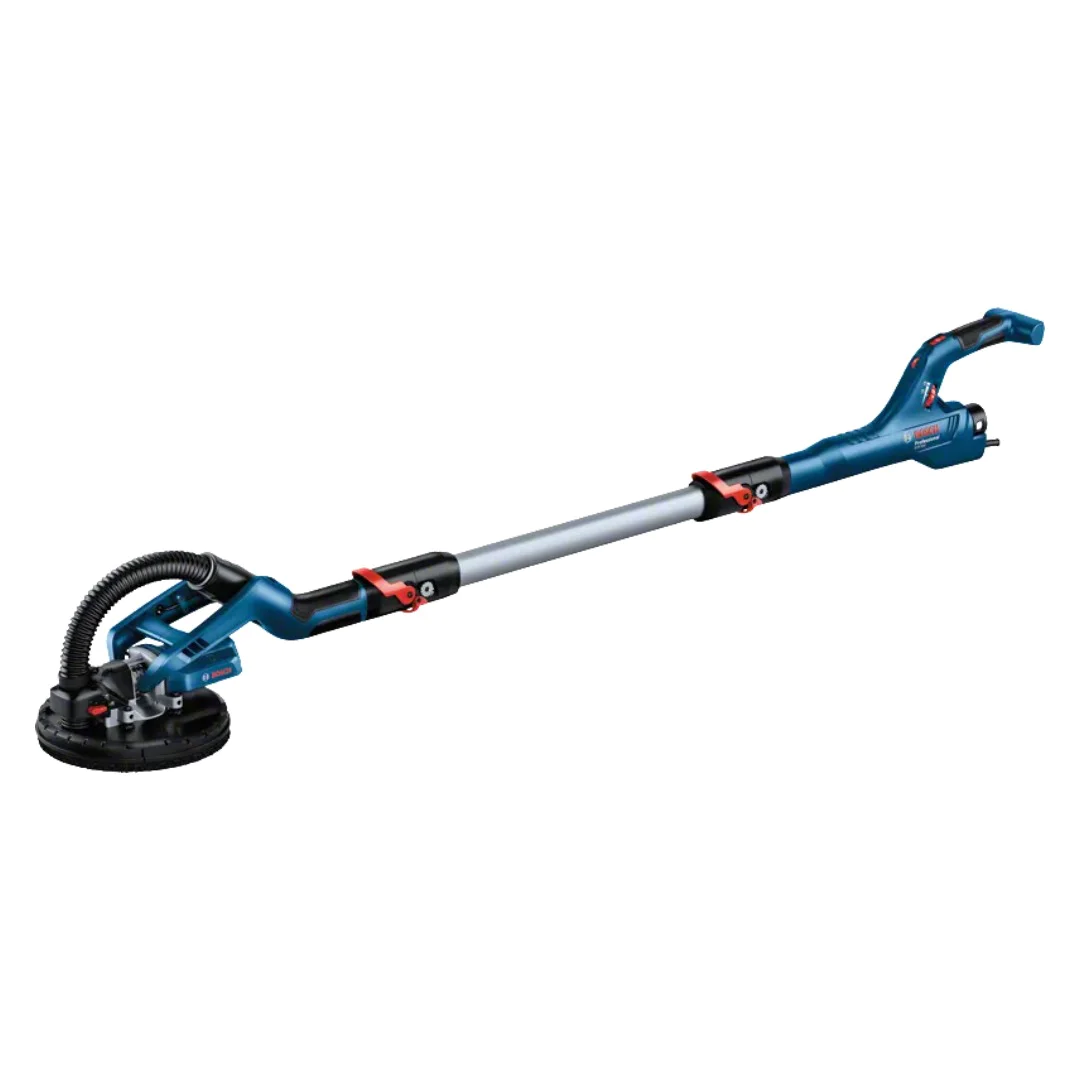
Giraffe
Giraffe for sanding and finishing walls and ceilings
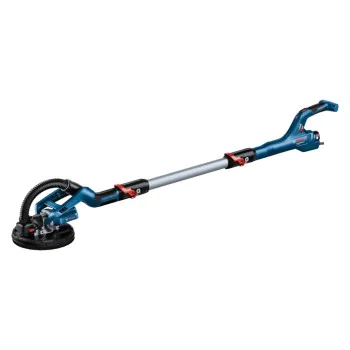
A giraffe is a machine with an extended arm, designed for working on large surfaces without constantly climbing ladders and scaffolding. This type of equipment is valued for use on plastered walls, drywall, ceilings, final preparation before painting, removing minor imperfections, and finishing areas after renovation. Some models focus on sanding, while others emphasize polishing or fine finishing, so the choice depends on the material, the size of the project, and the desired finish.
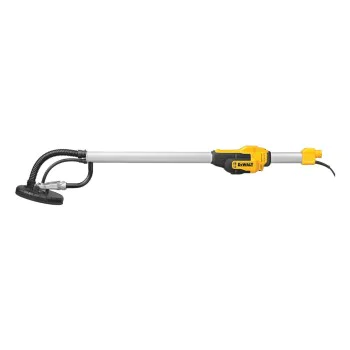
The Giraffe-type machine differs from standard sanders in its long handle, wide working head, and easier access to high areas. It reduces strain on the arms and back during prolonged use and helps ensure smoother movement across the wall or ceiling. For construction professionals, it is a valuable tool for drywall installation and finishing work, and for discerning homeowners, it is a practical choice for major renovations.
Where to Use the Giraffe
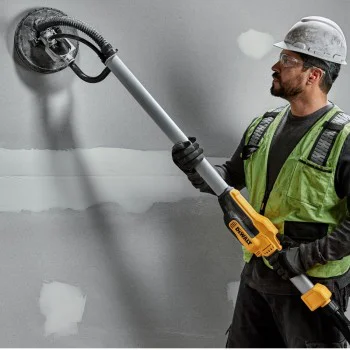
The Giraffe is used for surface preparation before painting, wallpapering, applying decorative plaster, or subsequent polishing. The machine is useful for smoothing drywall joints, leveling spackle, removing light tool marks, and working on larger areas where manual labor is time-consuming. With the right abrasive, the result is even, and the risk of local over-sanding is minimized.
For ceilings, the telescopic arm is a great convenience because the working head reaches heights with less effort. On walls, it facilitates the processing of upper sections, corners around window frames, and wide, flat surfaces. The machine is also useful for service activities, maintenance of commercial spaces, and repairs in homes, offices, workshops, and drywall construction sites.
Types of machines and differences between models
A Giraffe can have a fixed or telescopic arm, a round sanding head, a foldable design for transport, or the ability to connect to a vacuum cleaner. On some machines, the head is movable and follows the surface more easily, which is useful for ceilings and larger walls. Other models are lighter and more convenient for short-term repairs, while the more powerful versions are designed for continuous use on a construction site.
Rotation speed, disc diameter, arm length, weight, and the dust extraction system directly affect comfort and the final result. Adjustable speeds provide better control over different materials-finer work when applying joint compound and more aggressive removal on rougher surfaces. A built-in or compatible dust extraction system is valuable when working indoors because it limits dust dispersion and maintains visibility over the work area.
How to Choose a Giraffe for the Job
Several practical factors should be considered when purchasing. Power is important for longer work sessions and harder materials, but it is not the only criterion. Weight is just as important for ceilings, where the machine is held above shoulder level. The length of the handle determines access to high areas, and the diameter of the sanding disc affects processing speed and maneuverability.
- For drywall and spackling-look for smooth operation, variable speed, and good compatibility with finishing sanding discs.
- For ceilings-a lighter weight, comfortable balance, and a telescoping arm reduce fatigue during prolonged use.
- For larger projects-a more powerful motor, a stable head, and a vacuum connection make the workflow easier.
- For home repairs-a foldable body, easy replacement of consumables, and clear speed adjustment are practical advantages.
Abrasives, accessories, and compatibility
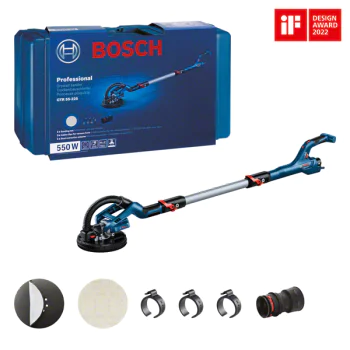
Every Giraffe works with consumables selected according to the substrate and desired finish. Abrasive discs vary in diameter, mounting, number of dust extraction holes, and grit size. Coarser grits are used to remove more visible imperfections, while finer ones are used for final smoothing before painting. On models with dust extraction, the holes in the disc must align with the work surface to ensure proper suction.
Useful accessories include spare pads, hoses, vacuum adapters, extension cords, carrying bags, and protective consumables. When selecting a machine, check the size of the working head, the type of sanding disc attachment, and the availability of compatible consumables. This keeps maintenance simple and minimizes downtime during repairs.
Operation, Safety, and Maintenance
The Giraffe should be used with personal protective equipment-safety goggles, a fine-dust mask, and ear protection during prolonged use. Properly adjusted speed and correct pressure protect the surface from marks and extend the life of the consumables. Excessive pressure does not speed up the work but strains the motor and the backing pad. Better results are achieved with even movements and a gradual switch to a finer abrasive.
After use, clean the machine of dust, especially around the ventilation openings, hinges, and the workhead area. Check the hose and adapters for clogs, and replace the pad if it is worn or has lost its grip. This ensures that the Giraffe maintains stable performance during subsequent repairs and reduces the risk of uneven sanding.
Choosing a Giraffe-type machine at Toolsbox.bg
At Toolsbox.bg, you'll find Giraffe models for professional use and for serious home repairs, with specifications tailored to different workloads and surface types. Compare power, weight, arm length, disc diameter, dust extraction method, and compatible accessories to select a machine that suits your specific task. A well-chosen Giraffe saves time, facilitates finishing work, and makes working on walls and ceilings more controlled.