
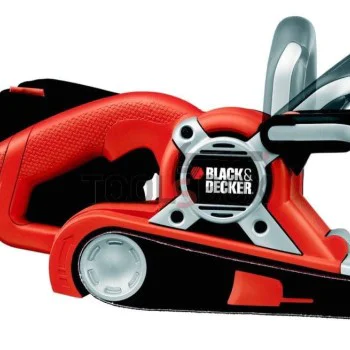
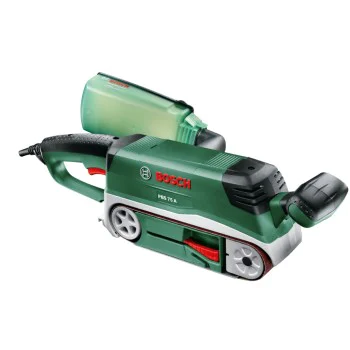
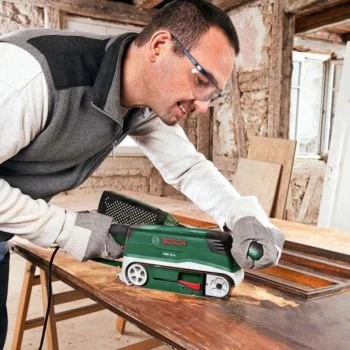
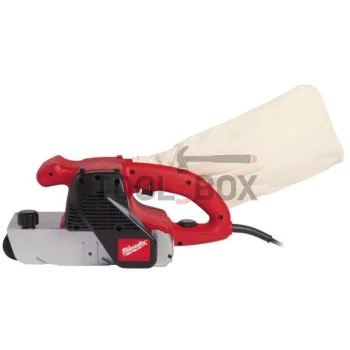
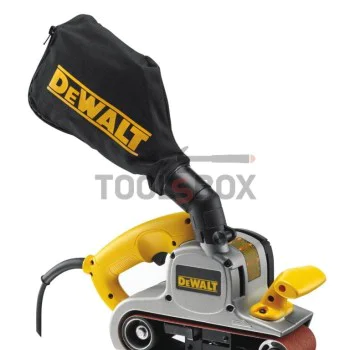
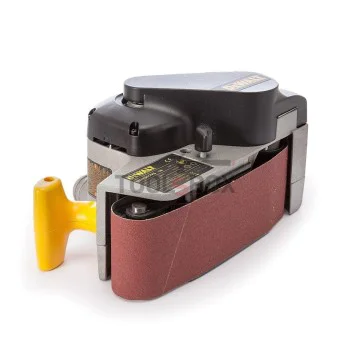
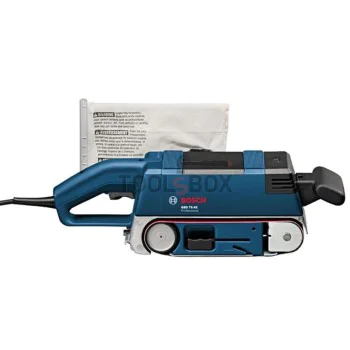
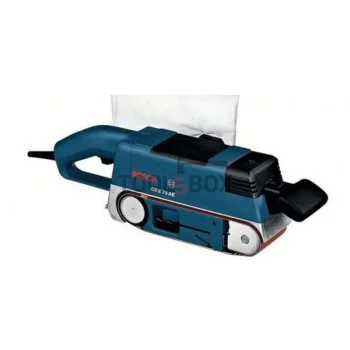
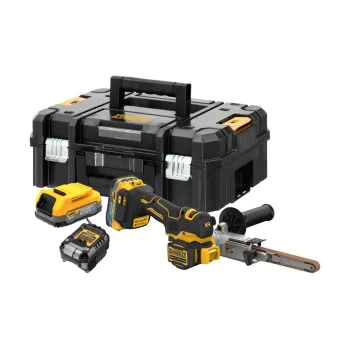
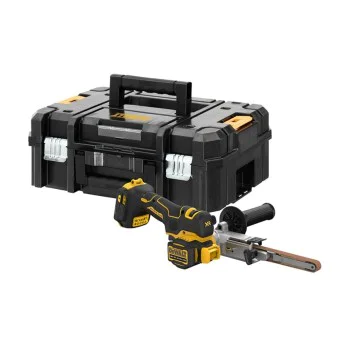
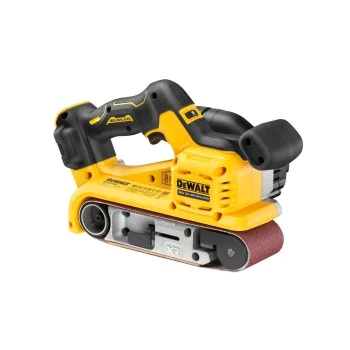
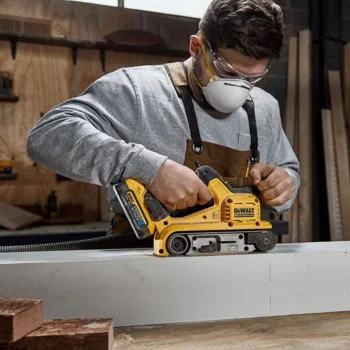
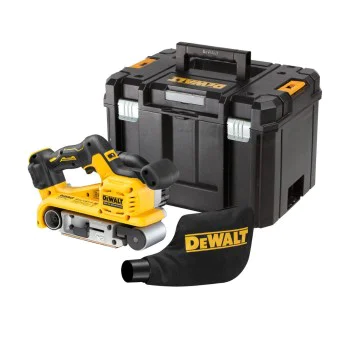
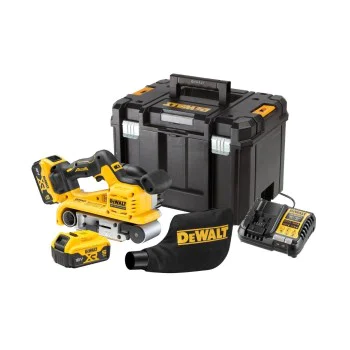
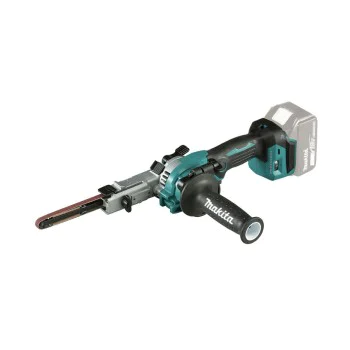

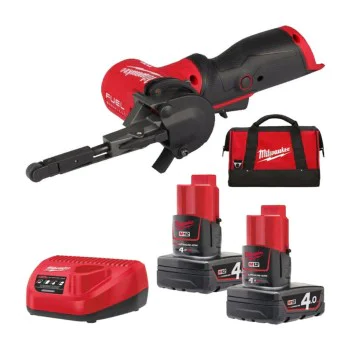
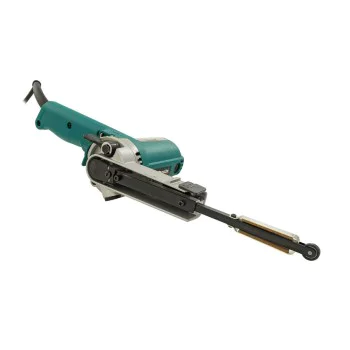
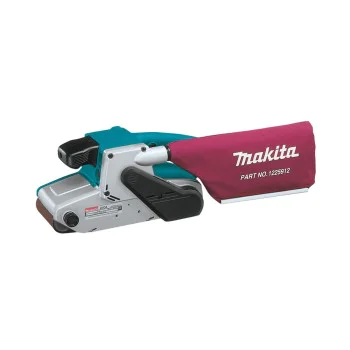
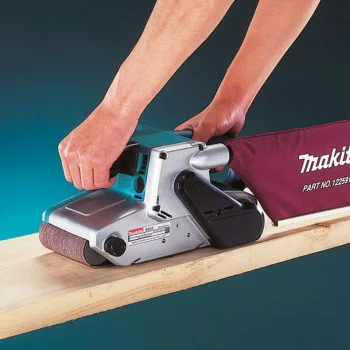
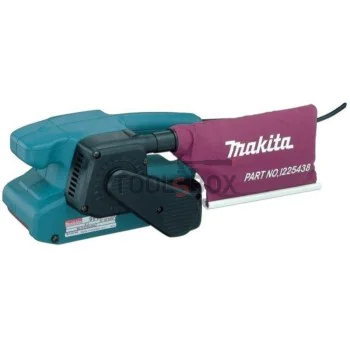
Belt sander
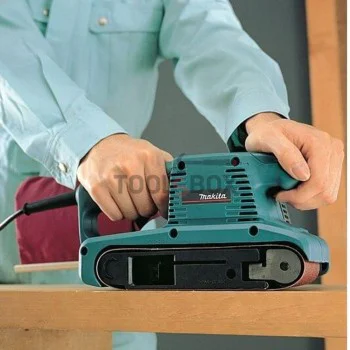
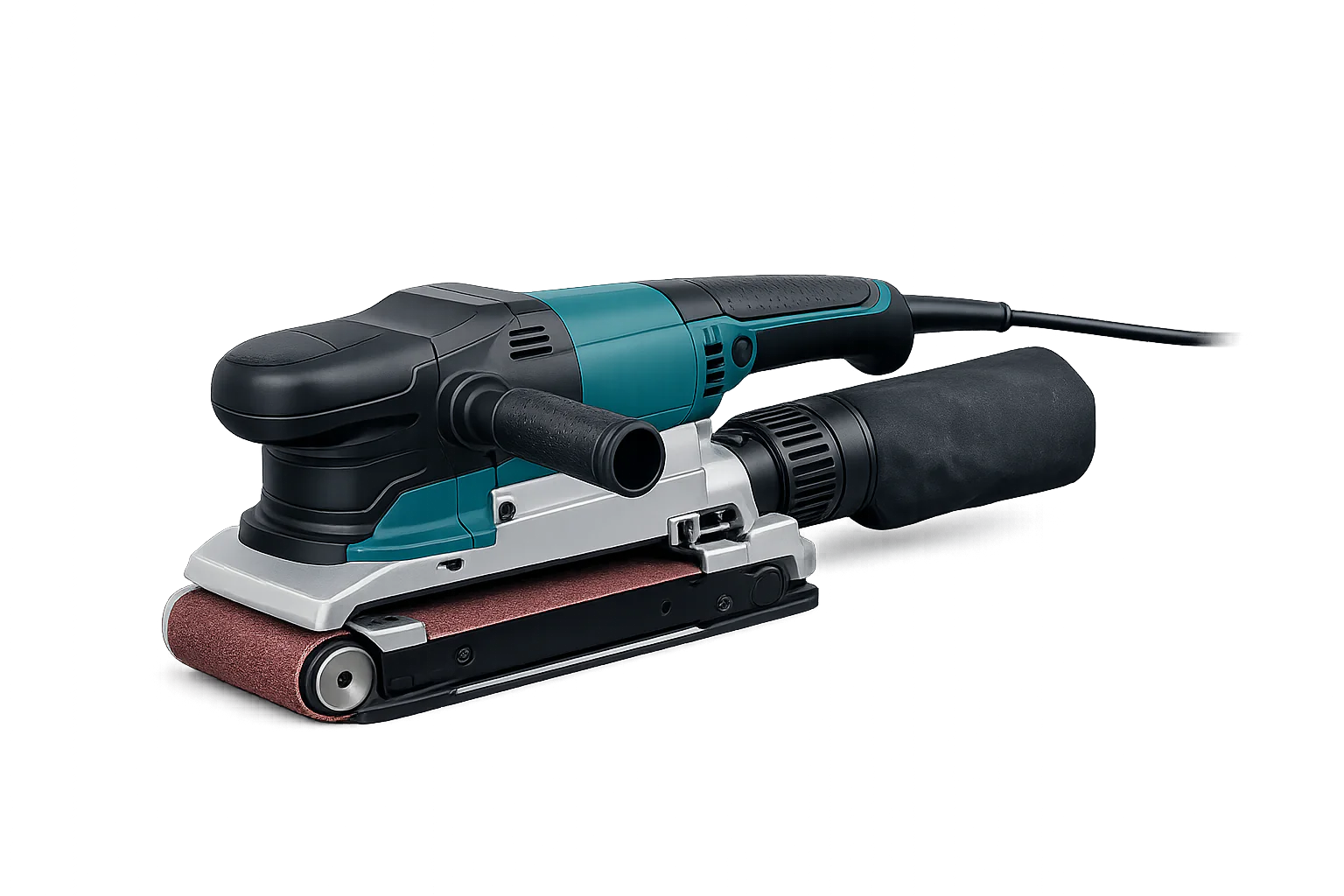
Belt sander for fast sanding and shaping of surfaces
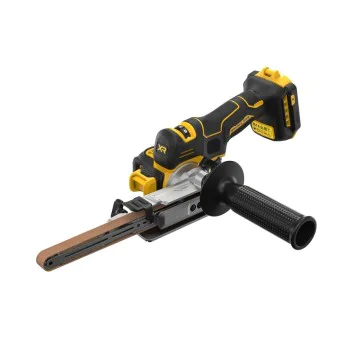
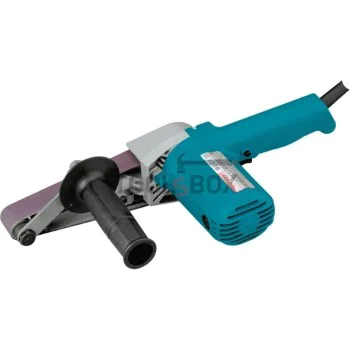
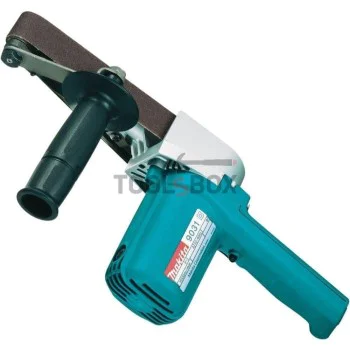
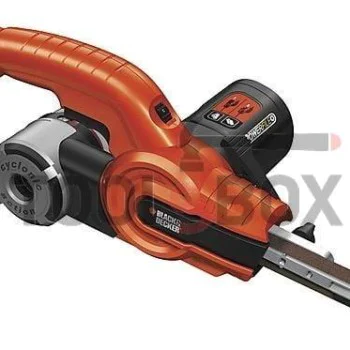
A belt sander is a power tool designed for heavy-duty material removal, leveling uneven surfaces, and preparing surfaces prior to painting, varnishing, or further processing. The machine operates with a continuous abrasive belt that moves over rollers, ensuring even contact with the workpiece. A high-quality belt sander saves time during rough and intermediate sanding of wood, metal, plastic, putty, lacquer coatings, and other materials in a workshop, construction site, service center, or home garage.
This type of sander is characterized by a large contact area and stable abrasive movement. That is why belt sanders are sought after for processing doors, countertops, beams, boards, frames, steps, metal profiles, and workpieces with larger surface areas. It does not replace fine orbital and orbital sanders for final polishing, but it is very effective for leveling, removing old coatings, and shaping edges.
Applications in woodworking, metalworking, and repair work
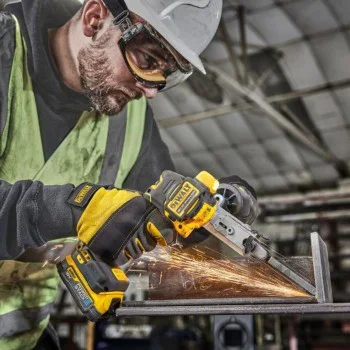
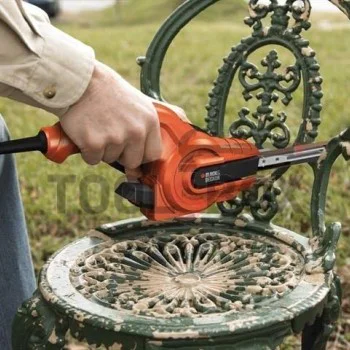
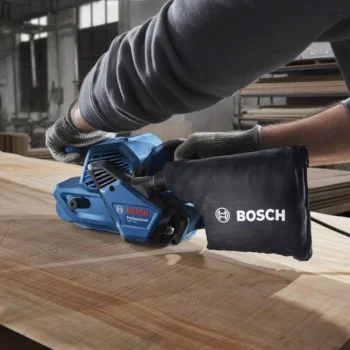
Belt sanders are most commonly used in woodworking, where rapid surface cleaning, part sizing, and wood preparation are required. For furniture, window frames, stairs, and paneling, the machine helps remove traces of cutting, glue, varnish, or paint. For metal parts, it works with a properly selected abrasive belt and is used for smoothing welds, removing rust, cleaning edges, and preparing surfaces before painting.
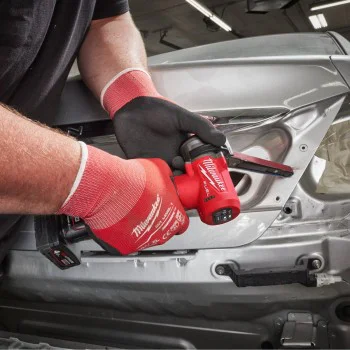
In construction and renovation, a belt sander is useful for working on surfaces, doors, baseboards, beams, and various installation elements. For home use, it is used for furniture restoration, refinishing wooden surfaces, and making adjustments to parts that require stronger abrasive pressure. For professional use, power, belt stability, dust extraction, and comfort during prolonged use are of greater importance.
Types of belt sanders and performance characteristics
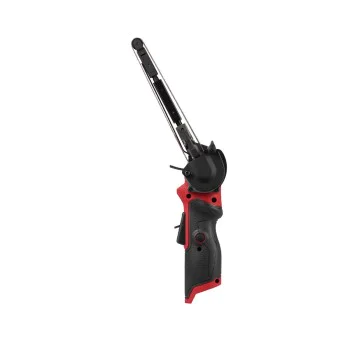
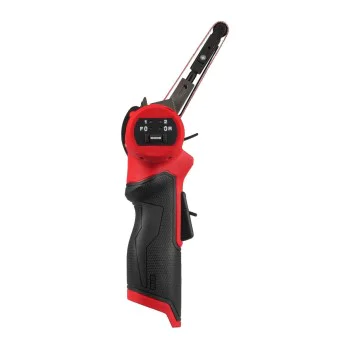
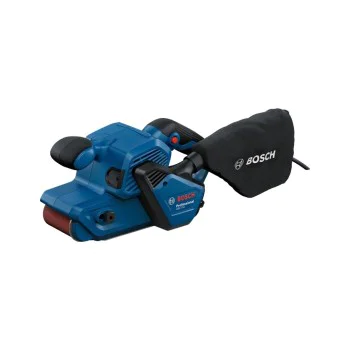
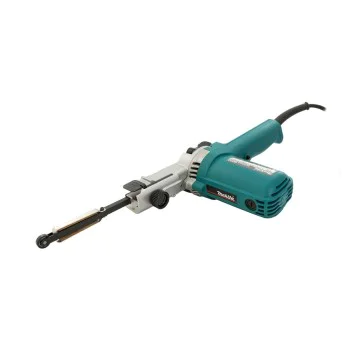
When choosing a belt sander, it is advisable to compare power, belt width, feed speed, weight, body shape, and handling. More compact models are convenient for installation work and processing smaller parts. Machines with a larger base cover more surface area and are suitable for countertops, doors, panels, and rough leveling. Some models feature variable speed control, which helps when working with different materials and different grit sizes.
Stationary mounting or use with a workbench makes some models practical workshop equipment. This way, the workpiece is guided toward the belt rather than the machine toward the workpiece, which is convenient for small workpieces, chamfering, and repetitive operations. With a handheld belt sander, ergonomic handles, balanced weight, and easy belt replacement are directly linked to control and precision.
Comparison based on the task
| Task | Recommended features | Consumables |
|---|---|---|
| Rough material removal | Higher power, stable base, good grip | Coarse abrasive belt |
| Paint and varnish removal | Adjustable speed, dust extraction, smooth operation | Medium grit depending on the coating |
| Intermediate sanding of wood | Smooth operation, pressure control, even contact surface | Medium to fine grit |
| Metalworking | Stable support, correct speed, durable abrasive | Metal belt |
How to choose a belt sander for a specific job
Before purchasing, check the size of the abrasive belt against the available consumables, as compatibility affects costs and convenience during future use. A more powerful belt sander handles dense wood, thick coatings, and prolonged use better. For more precise adjustments and on-site work, a lighter machine is easier to maneuver and causes less fatigue for the operator.
A dust collector, a vacuum connection, and effective removal of chips and dust are valuable when working with wood and painted surfaces. A clean work area improves visibility of the workpiece and prevents the abrasive belt from clogging prematurely. When working indoors, this is directly related to comfort and safety.
For professionals who work every day, the roller bearings, the durability of the housing, easy access to brushes on commutator motors, and the availability of belt centering adjustment deserve attention. For home use, practical features include easy maintenance, a comfortable grip, intuitive controls, and the ability to work with different grit sizes of abrasive belts.
Abrasive belts, accessories, and compatibility
The performance of a belt sander depends directly on the correct consumables. Coarse belts remove material quickly but leave more visible marks. Medium grit is good for preparation and leveling, while fine grit is used before applying finish coats. Different abrasive coatings and bases are selected for wood, metal, and paint layers, as the load and heat generation vary.
Compatible accessories include replacement abrasive belts, dust bags, vacuum adapters, backing frames, and work stands for models that support them. When changing the belt, the direction of travel, tension, and centering must be properly adjusted to prevent edge wear and unstable tracking.
Safety and Maintenance During Operation
A belt sander operates aggressively and requires a firm grip, even pressure, and movement in the direction of the cut. Excessive pressure does not speed up the work but strains the motor, heats the abrasive, and increases the risk of gouges. Safety goggles, a dust mask, and hearing protection are a sensible choice for prolonged sanding, especially on old coatings or metal.
Regularly cleaning the ventilation openings, emptying the dust collector, and inspecting the rollers extend the machine's service life. The belts must be stored dry and without kinks to maintain their shape. If you notice slipping, uneven movement, or unusual noise, stop work until the machine and consumables have been inspected.
At Toolsbox.bg, you can browse belt sanders for various tasks-from home repairs to heavy-duty work in workshops and service centers. Compare specifications, belt sizes, and available accessories to choose a machine that suits the material, workload, and precision required.