
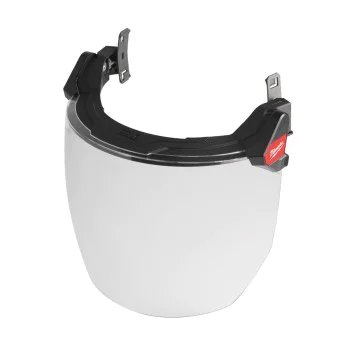
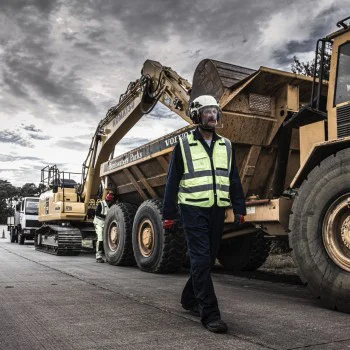
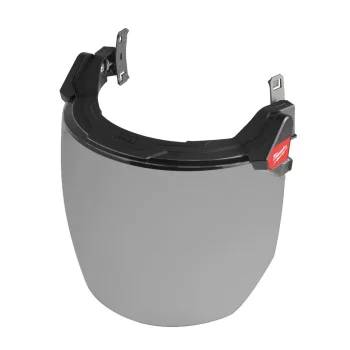
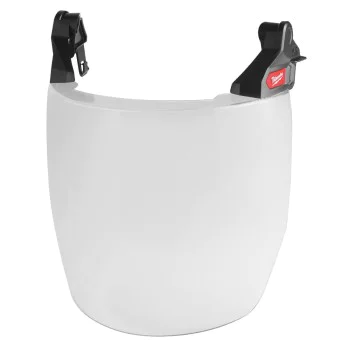
Face protection helmet
Face shield for working with machinery, tools, and materials
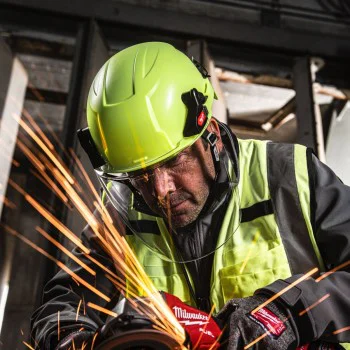
A face shield is personal protective equipment that protects the face from shavings, dust, splashes, chips, sparks, and other particles when working in a workshop, on a construction site, in a repair shop, or in a yard or garden. A face shield is worn during cutting, grinding, drilling, mowing, machine cleaning, metal, wood, and plastic processing, and various repair activities. It complements protective clothing and goggles by covering a larger area and providing better facial protection during tasks involving increased particle emission.
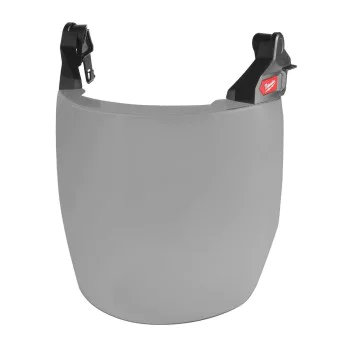
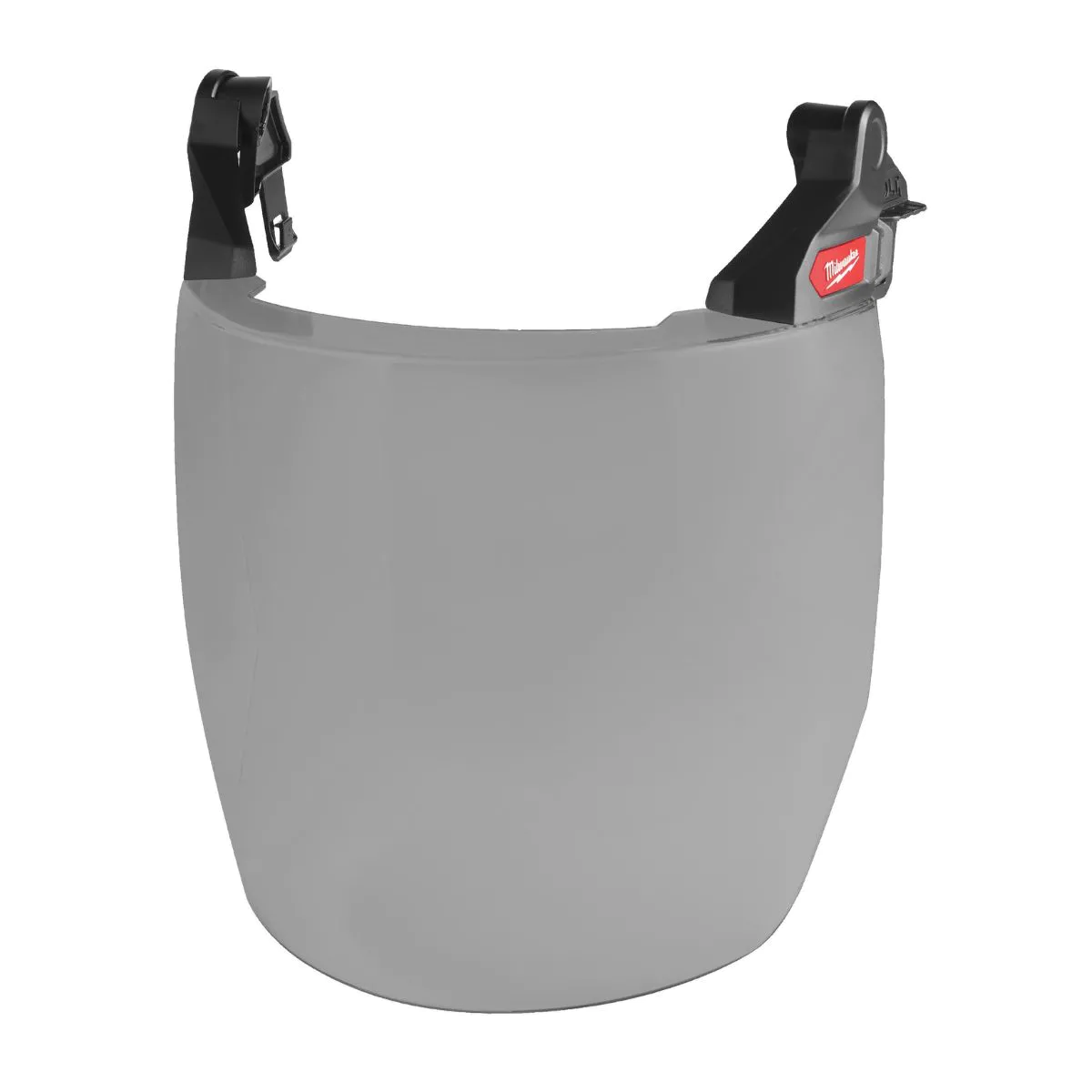
Models vary in design, visor material, fastening method, weight, coverage, and adjustability. A well-chosen face shield sits securely, does not excessively restrict visibility, and allows for normal operation of machinery, power tools, and hand tools. For professional use, durable solutions with a comfortable headband, a replaceable shield, and good durability during prolonged wear are sought after, while for home use, lightweight models are practical for repairs, maintenance, and gardening activities.
Where is a face shield used?
A face shield is used in many activities where the eyes and facial skin are exposed to flying debris or splashes. In construction, it is used for chiseling, tile cutting, concrete work, installation operations, and profile processing. In a workshop, it is useful for sanding, polishing, turning, drilling, and working with bench machines. In the garden, it provides protection when mowing with a trimmer, cutting branches, and clearing bushes, where there is a risk of flying stones, splinters, and plant debris.
When working with chemicals or liquids, look for models with a solid, transparent visor that covers the face from the front and sides. For woodworking, metalworking, and repair tasks, the focus is on impact resistance, transparency, and a secure fit. For outdoor activities, a design that is easy to adjust and remains comfortable during extended wear is beneficial.
Main types of face shields
| Type | Use | Characteristics |
|---|---|---|
| Transparent visor | Repair, installation, maintenance, workshop | Good visibility, wide coverage of the face |
| Mesh screen | Gardening, mowing, pruning | Ventilation and protection from larger particles |
| Adjustable helmet | Extended professional use | Adjustable to head circumference for a more secure fit |
| Helmet with removable visor | Intensive work with consumables and machinery | Easier replacement in case of scratches or wear |
How to choose a face shield
When choosing a face shield, consider the type of work, the environment, and the risk of particles or splashes. For grinding, cutting, and working with power tools, a clear, impact-resistant visor is a practical choice, as it protects a large portion of the face while maintaining visibility of the workpiece. For mowing and yard maintenance, a mesh visor is comfortable for outdoor work, as it allows air to circulate and protects against plant debris, sand, and small stones.
The size and adjustment of the head strap directly affect comfort. The helmet should not press against the forehead, shift when bending over, or interfere with safety glasses, ear protection, and a dust mask. For regular use, look for models with a wider fit, smooth adjustment, and the ability to lift the visor when the task allows. The visor material also matters: polycarbonate visors are preferred for their impact resistance, while mesh screens are practical for gardening equipment and activities with a lower risk of fine dust particles.
Compatibility with other protective equipment
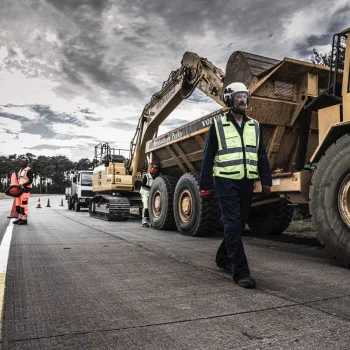
A face shield is often worn together with work gloves, a hard hat, safety glasses, a respirator, ear protection, and protective clothing. When combining multiple items, check for free head movement, visibility of the work area, and the stability of each piece of equipment. For installation and construction work, a helmet that does not interfere with overhead work is convenient, while for maintenance and workshop tasks, clear visibility of small details, fasteners, and cutting lines is valuable.
Materials, Maintenance, and Use
Every face shield requires regular cleaning and inspection. A scratched or fogged-up visor impairs visibility and increases fatigue, so a replaceable shield is a practical solution for intensive work. Clean the transparent parts with a soft cloth and a material-compatible cleaner, avoiding abrasive sponges and harsh solvents. Check the straps, hinges, and attachment points, as a secure fit is directly linked to protection.
For regular professional use A safety helmet with a sturdier frame and spare visors facilitates maintenance. For home workshops or seasonal gardening, lightweight models reduce fatigue and are comfortable to put on quickly. Store the helmet away from sharp objects, intense heat, and places where the visor can easily get scratched.
Choices for workshops, construction, repairs, and gardening
At Toolsbox.bg, you'll find face protection helmets for various tasks-from repairs and installation to working with garden machinery, power tools, and workshop equipment. Compare models by visor type, adjustment method, face coverage, compatibility with other protective gear, and intended frequency of use. This way, you'll choose a practical face protection solution that suits the specific job and helps ensure safer, more controlled work with machines, tools, and materials.