
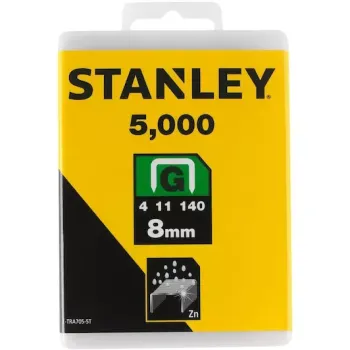
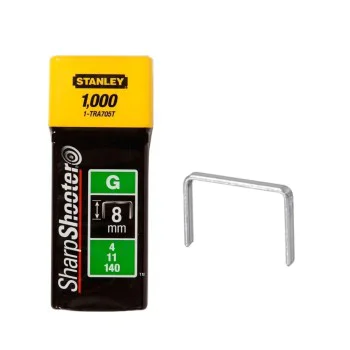
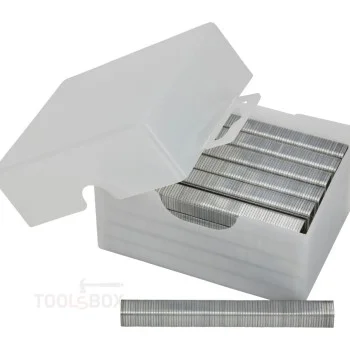
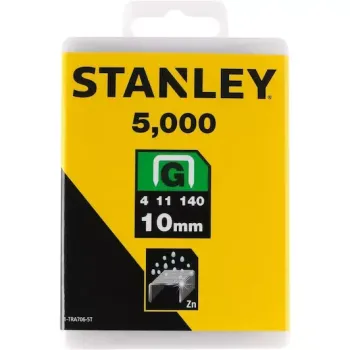
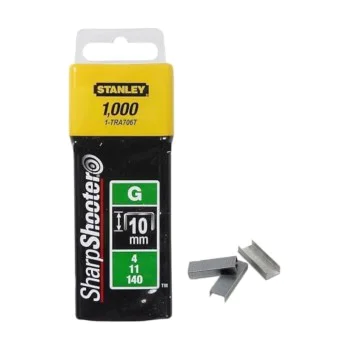
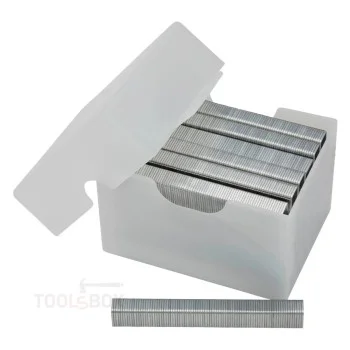
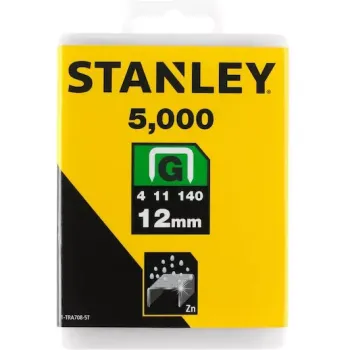
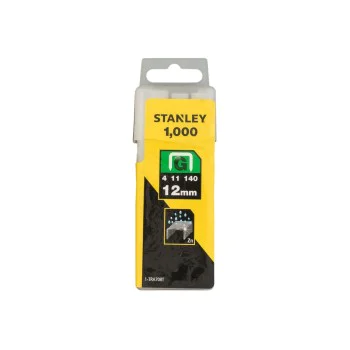
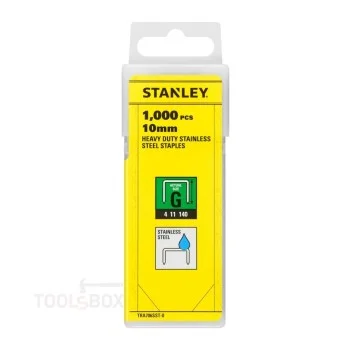
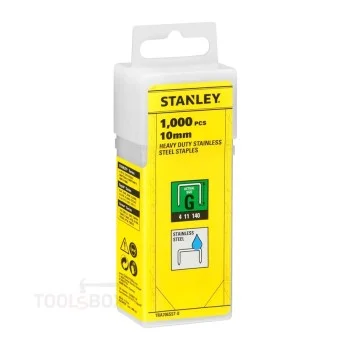
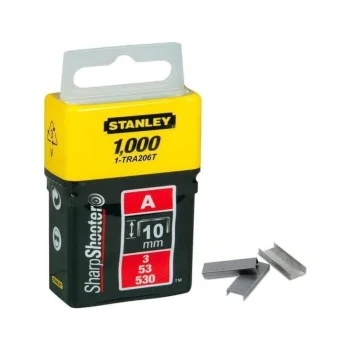
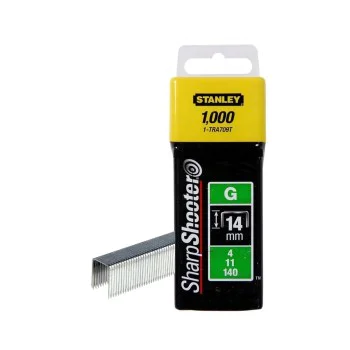
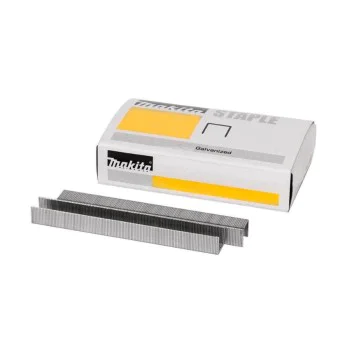
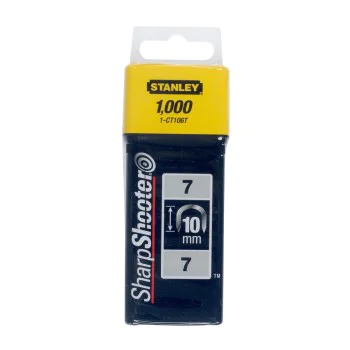
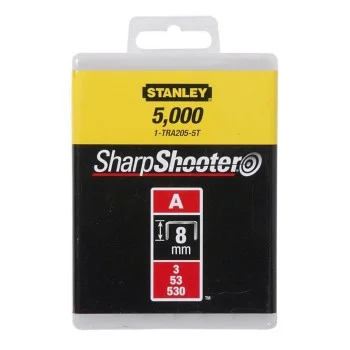
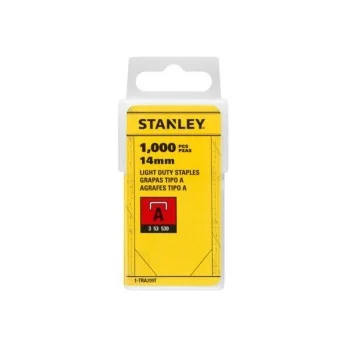
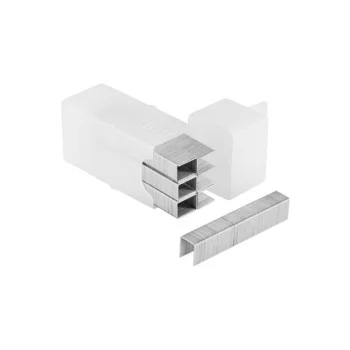
Staples for tackers
Staples for staplers for precise fastening during installation, repair, and upholstery work
Staples are consumables for mechanical fastening when working with manual, electric, cordless, and pneumatic staplers. They are used to secure fabrics, foils, insulation materials, thin wooden elements, decorative moldings, cardboard, leather, membranes, and various lightweight coverings. A properly selected staple holds the material securely, does not put unnecessary strain on the machine, and leaves a cleaner finish on the work surface.
When it comes to tool accessories, the size and type of the staple are crucial for the final result. The same machine does not accept just any staples, so compatibility with the stapler is paramount. Models differ in back width, leg length, wire thickness, tip shape, and protective coating. These parameters determine what material the staple will penetrate, how securely it will hold, and whether it will remain visible after fastening.
What tacker staples include
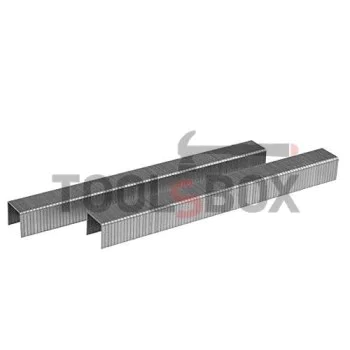
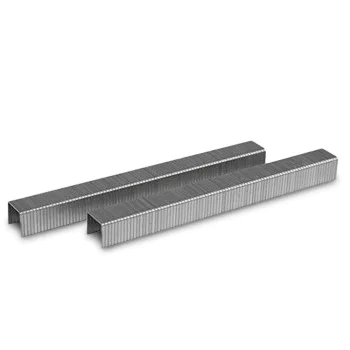
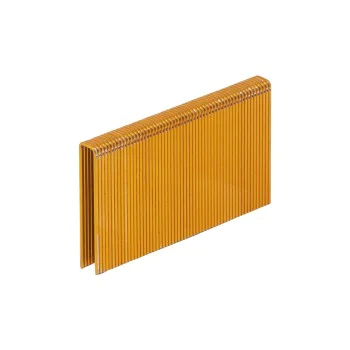
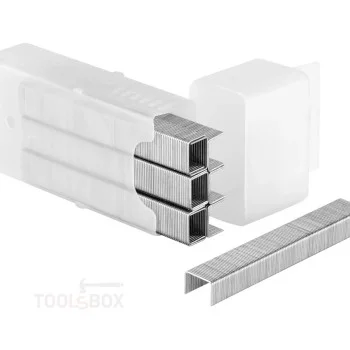
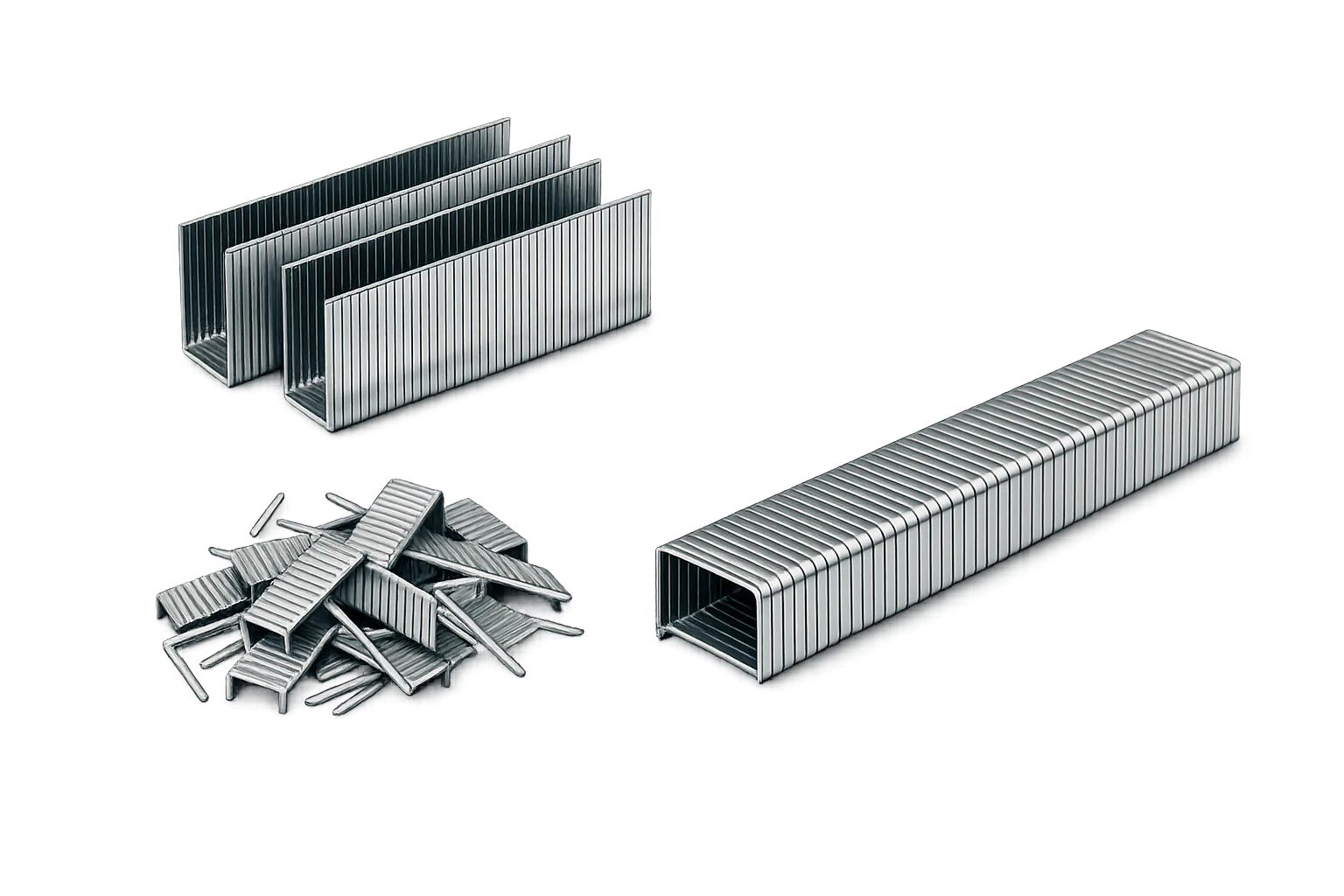
Staples for staple guns are available in varieties for light, medium, and heavy-duty tasks. Fine staples are preferred for upholstery work, fastening fabrics, and decorative coverings where the mark must be discreet. Heavier-duty variants are used for wooden frames, insulation installation, and securing underlayments, membranes, and construction sheeting. In some types, the tip is shaped for easier penetration into wood or panels, while in others, the focus is on evenly compressing softer materials.
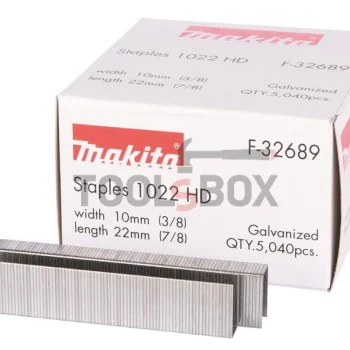
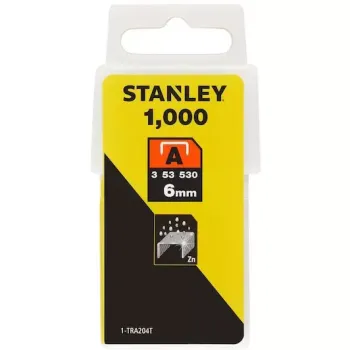
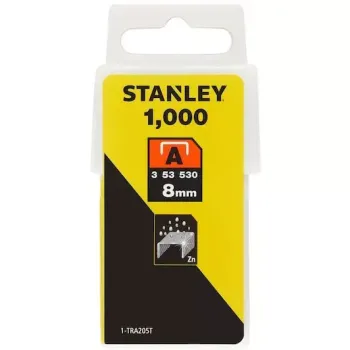
Staple designations are often written as a type or series, for example, in common stapler standards. These designations are not just a brand name but indicate the profile and compatibility. Two staples of similar length may have different back widths or wire thicknesses, making them incompatible with a particular staple gun magazine. Therefore, the machine specifications and the markings on the consumables must match.
Key factors when selecting staples for staple guns
The correct size prevents misalignment, incomplete driving, and tearing of the material. When selecting staples, pay attention to several technical characteristics that directly affect performance:
- Back width - determines the area with which the staple presses against the material. A wider back is good for foils, fabrics, and membranes because it distributes the pressure over a larger area.
- Leg length-affects the depth of penetration. Shorter staples are for thin materials, while longer ones are for thicker layers or denser substrates.
- Wire thickness-thinner wire leaves a smaller mark, while thicker wire provides a stronger mechanical hold.
- Type and profile-must match the channel and mechanism of the specific stapler to prevent jamming.
- Coating-galvanized staples are practical for standard work, while stainless steel options are preferred in humid environments or applications with higher corrosion protection requirements.
Applications in the workshop, construction, and home
Staple clips are used in various repair and installation tasks. In upholstery, they are used to secure fabric, leather, padding, and decorative edging to wooden frames. In construction and finishing work, they are used to secure vapor barrier films, roofing membranes, protective coatings, cardboard templates, and thin underlays. In the workshop, they are useful for assembling lightweight structures, temporarily securing parts, and for packaging and repairing furniture.
For home use, staples are practical for small repairs, securing mesh, decorative fabrics, textile panels, and lightweight wooden elements. For professional use, the consistency of size, smooth feeding from the magazine, and the wire's durability during continuous operation are of greater importance. Under heavy loads, staples with uniform geometry reduce breakage and make it easier to maintain consistent results along the entire fastening line.
Brief comparison by application
| Application | Desired characteristic | Practical guidance |
|---|---|---|
| Upholstery and textiles | Fine wire and moderate length | Less visible mark and good fabric adhesion |
| Films and membranes | Wider back | More even fastening without tearing |
| Wooden frames and panels | Longer leg and sturdy profile | Deeper grip at the base |
| Damp environment | Protective coating | Better corrosion resistance |
Compatibility with the stapler and proper loading
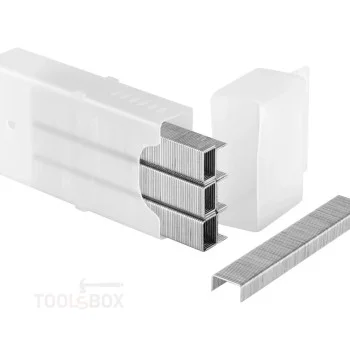
Before purchasing, compare the staple type, permissible length, and back width with the nailer's specifications. In manual models, the mechanism relies on a precise profile to feed each staple without jamming. Electric and cordless staplers operate at higher speeds, so using the wrong staples can result in missed shots, bent staples, or incomplete driving. Pneumatic staplers have even stricter requirements regarding the profile and alignment of the staples in the strip.
Loading must be done with clean, dry, and undamaged strips. Bent or loose staples can jam the magazine and hinder feeding. When changing sizes, it is advisable to perform a brief test on a scrap piece of the same material. This allows you to verify whether the depth is sufficient, whether the staple penetrates excessively, and whether the legs protrude from the back side.
Material, coating, and durability of the fastening
The material of the staples affects their behavior when driven in and the durability of the fastening. Galvanized wire is a common solution for interior renovation work, furniture, packaging, and dry environments. For outdoor applications, damp areas, or materials that can retain moisture, stainless steel staples are a safer option against rust and stains. For decorative work, the slim profile reduces visibility, while for structural fastening, the thicker wire and deeper penetration provide a more stable hold.
The length of the shank must correspond to the thickness of the material being fastened and the density of the substrate. A staple that is too short will not provide sufficient grip, while one that is too long may bend, pierce the material, or overload the stapler mechanism. For hardwood, OSB, plywood, and panels, more careful selection of length and impact force is required, while for soft materials, a wider back often provides a better visual and functional result.
Staples for Staplers at Toolsbox.bg
At Toolsbox.bg, you can select staples for staple guns based on the machine type, staple size, and specific application. Compare the profile, length, coating, and intended use to ensure a secure fastening for repairs, installation, upholstery, or finishing work. Choose a fastener that fits your staple gun and the material you're working with, and prepare your tool for clean, precise, and secure work.