
Silicone
Silicone for sealing, bonding, and grouting
Silicone is a practical material for repairs, installation, and finishing work when an elastic bond between two surfaces is needed. It is used for sealing joints, moisture protection, filling gaps, securing elements, and creating a clean finish around plumbing fixtures, window frames, countertops, glass, metal, ceramics, and PVC. The Toolsbox.bg product range features a selection of silicone sealants for household and professional use, compatible with standard silicone guns and designed for precise application on construction sites, in service shops, in workshops, or at home.
Properly selected silicone retains its elasticity after curing, accommodates slight movement between materials, and prevents the penetration of water, dust, and air. That is why it is used in the installation of sinks, shower stalls, bathtubs, kitchen countertops, windows, doors, cladding, ventilation elements, facade details, and technical assemblies exposed to vibrations or temperature changes.
Types of silicone by application
Silicone compounds differ in chemical composition, curing method, elasticity, moisture resistance, temperature behavior, and compatibility with the substrate. When selecting a product, it is helpful to consider the materials, the application site, and the expected load on the joint.
| Type of silicone | Application | Characteristics |
|---|---|---|
| Sanitary silicone | Bathrooms, kitchens, wet areas, shower stalls, sinks | Formula for areas with constant moisture and a need for a clean joint |
| Neutral silicone | Metal, PVC, wood, window frames, sensitive surfaces | Gentle curing and good compatibility with many materials |
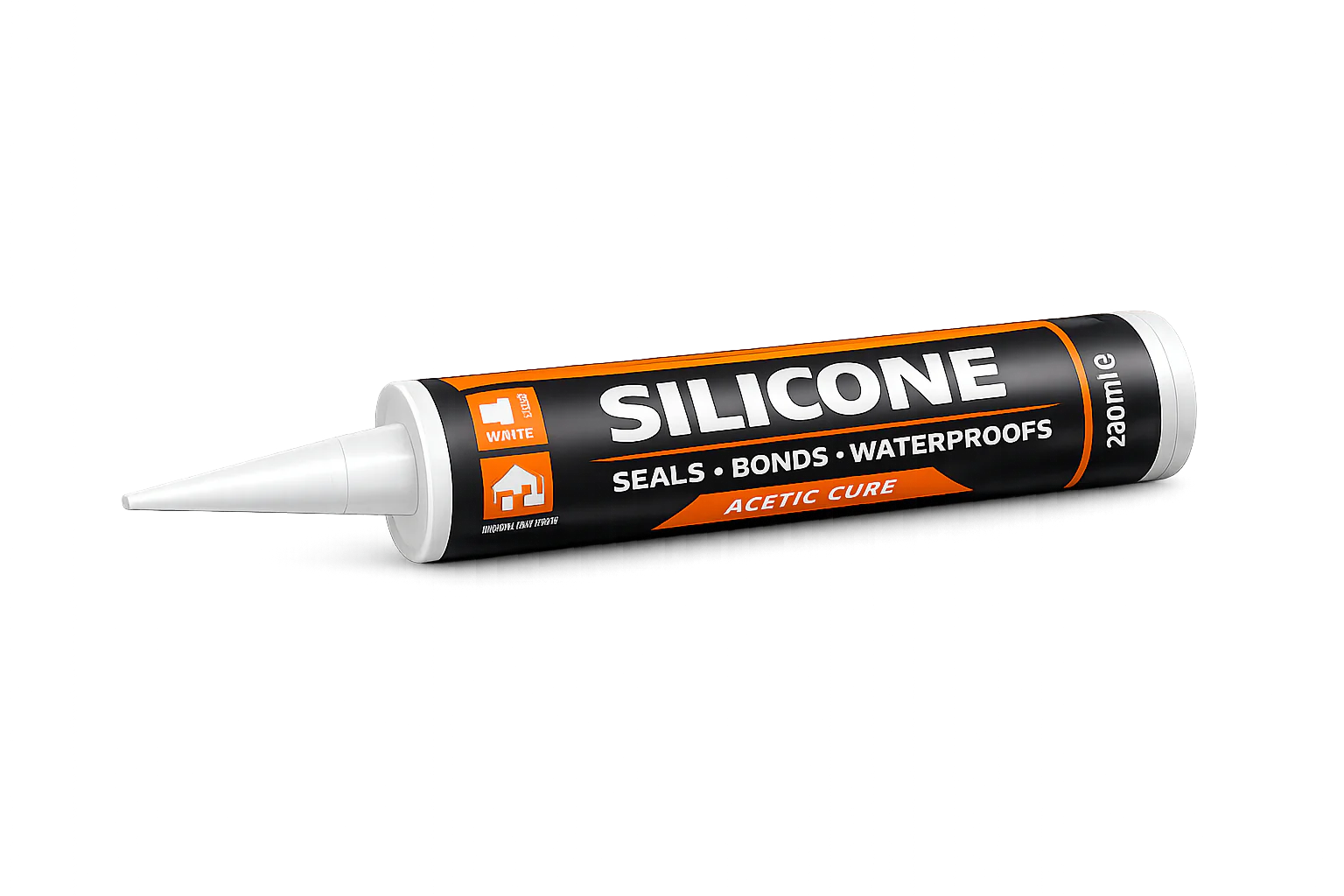
| Acetate silicone | Glass, ceramics, smooth non-porous substrates | Strong adhesion to suitable smooth surfaces |
| High-temperature silicone | Stoves, fireplaces, engine assemblies, technical joints | For areas with elevated heat according to the manufacturer's instructions |
| Construction silicone | Joints around windows and doors, facade details, general installation work | Elastic sealing in construction and repair |
Where is silicone used in renovation and installation
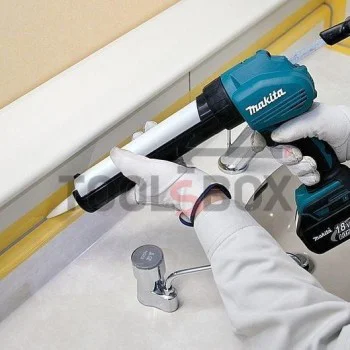
When working in bathrooms and kitchens, sanitary silicone is used around bathtubs, shower trays, sinks, countertops, drains, and tiles. It forms a flexible barrier against water and makes it easier to clean the joints. In window and door installations, silicone fills small gaps between the frame and the wall, around sills or decorative trim, where protection against drafts and dust is needed.
In workshops and service centers, silicone sealants are used to repair housings, covers, technical joints, and parts subject to vibration. High-temperature variants are designed for areas with thermal stress, but always take into account the temperature range, curing time, and substrate material specified on the packaging.
In construction and finishing work, silicone is valuable for small adjustments, fine joints, and protecting transitions between different materials. It does not replace load-bearing fasteners, mechanical anchors, or structural adhesives, but it is the right choice for elastic sealing and finishing operations.
How to Choose the Right Silicone
When purchasing silicone, pay attention to the substrate on which it will be applied. For glass and ceramics, acetate-based options are often preferred, while for metal, PVC, concrete, stone, or painted surfaces, neutral formulations are a safer choice. For rooms with constant humidity, look for sanitary silicone, and for technical assemblies involving heating, choose a variant with a specified temperature range.
- Substrate material: glass, ceramics, metal, plastic, wood, concrete, or stone require different levels of adhesion.
- Application area: indoor spaces, wet areas, facade sections, or service applications require different properties.
- Color: transparent, white, gray, black, or another shade is selected based on the joint and the final appearance.
- Elasticity: For movement between elements, a joint sealant that does not crack easily is needed.
- Packaging: Cartridges for a caulking gun allow for even application, while smaller packages are convenient for minor repairs.
- Skin formation and full cure time: this information helps in planning the finishing steps.
Surface preparation and application
Proper preparation is crucial for a durable joint. The surface must be cleaned of dust, grease, old residues, and loose particles. When replacing old silicone, it is advisable to remove it carefully with a knife, putty knife, or specialized cleaner without damaging the substrate. A dry and clean area facilitates adhesion and reduces the risk of peeling at the edges.
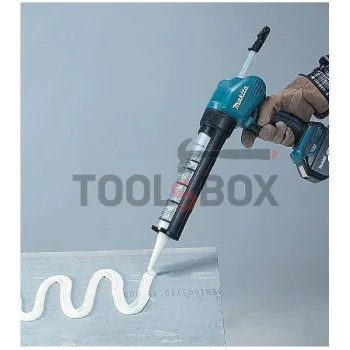
For a straighter line, paper tape can be placed on both sides of the joint. The tip of the nozzle is cut to the desired width, after which the silicone is applied smoothly with a caulking gun. Smoothing is done before the surface begins to set, using a suitable tool or a jointing spatula. After application, the joint should not be exposed to moisture or stress until it reaches the specified strength.
Compatible Tools, Accessories, and Storage
Working with silicone is more precise with the right tools. A silicone caulking gun provides control over pressure and material flow, while putty knives, scrapers, knives, cleaning agents, and smoothing tools help achieve a clean finish. For larger projects, the convenience of the gun and the even application are key to the speed and appearance of the joint.
Unopened packages should be stored in a dry place, away from direct heat and freezing, according to the manufacturer's instructions. After opening, the remaining product in the cartridge has a limited shelf life, so the nozzle should be tightly closed or replaced for subsequent applications. For sensitive surfaces, it is recommended to test on a small area to assess adhesion and the final finish.
Silicone for Professional and Home Use
Silicone is needed by installers, builders, and service technicians, as well as by DIYers performing bathroom, kitchen, or window repairs, or minor sealing tasks. The choice between sanitary, neutral, acetate, construction, or high-temperature options depends on the substrate, environment, and load on the joint. Choose silicone at Toolsbox.bg based on the specific task and pair it with the right caulking gun, cleaning agents, and accessories for more precise application and a clean finish.