
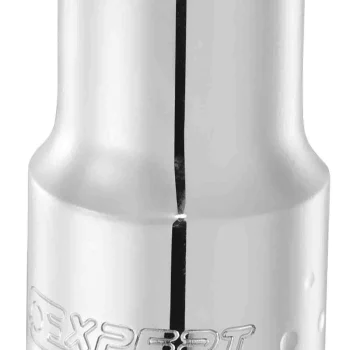
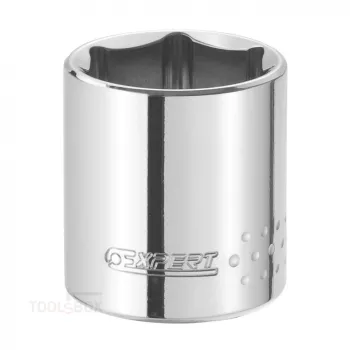
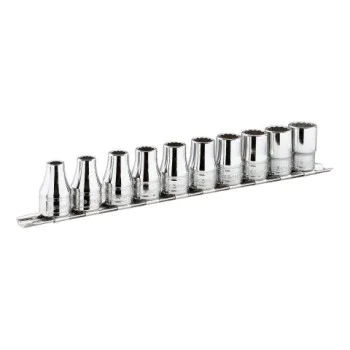
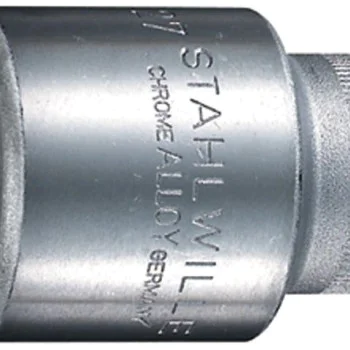
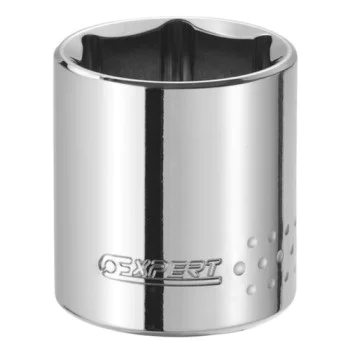
-350x350.jpg.webp "Gedore insert Expert by Facom E117252 - 24 mm, 1/2")

Hydoria
Gidoriya for cutting and repairing threads
Gidoriya is a hand tool set for precision work on internal and external threads during repair, installation, maintenance, and the fabrication of metal parts. This type of hand tool set includes taps, dies, holders, taps, and auxiliary elements needed to form a new thread or repair a damaged threaded connection. When working with bolts, nuts, studs, bushings, profiles, and machine components, a well-selected set saves time and provides more precise control over the process.
At Toolsbox.bg, you'll find solutions for workshops, auto repair shops, construction and installation, equipment repair, and home use. Thread repair tools are sought after by professionals who service machines and structures on a daily basis, but they are also valuable for discerning craftsmen who want to have the right tool on hand for broken, contaminated, or worn threads.
What does a threading set include?
A tap set typically contains tools for the two main types of operations-cutting internal threads in a hole and forming external threads on a cylindrical part. Taps work in a pre-drilled hole and form the thread profile on the inner wall. Taps are mounted in a holder and machine rods, pins, or bolts from the outside.
- Taps-for internal threads in metal, plastic, or other machinable materials, depending on the specific tool.
- Die sets-for external threads on bolts, studs, shafts, and rods.
- Chucks and holders-ensure a secure grip and even force transmission.
- Adapters and extensions-facilitate access in confined spaces when included in the set.
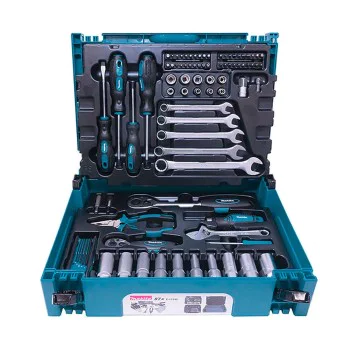
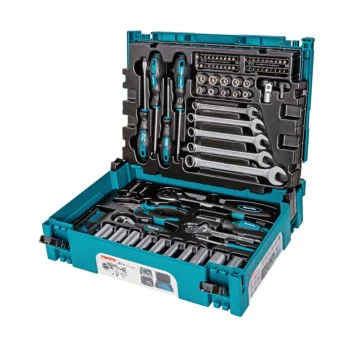
- Case or box-helps organize, transport, and protect the cutting elements.
Individual sets vary in the number of parts, size range, thread type, material of the cutting tools, and holder design. Some sets are designed for standard metric threads, while others cover a wider range of sizes or include more accessories.
Applications in workshops, service centers, and assembly
Thread cutting tools are used for replacing damaged fasteners, restoring threaded holes, manufacturing studs, repairing machinery, preparing metal structures, and performing fine finishing operations after drilling. In automotive repairs, they assist in servicing threads on clamps, struts, housings, and fasteners. In construction and installation work, it is useful for creating custom fastening solutions and correcting threads on anchors, threaded rods, and load-bearing components.
For the home workshop, a tap allows you to address a damaged nut, a bolt with a stripped thread, or a hole that needs to be prepared for a screw of the exact size. Manual control is an advantage for one-off repairs where machine processing is not necessary or access to the part is limited.
Selection by size, pitch, and material
When selecting a tap set, compare the size range with the fasteners you work with most often. For repair work on cars, machinery, and metal structures, a set with a practical range of metric sizes is most commonly sought after. For specialized tasks, a set with a finer pitch, larger diameters, or non-standard threads may be required.
- Thread size and pitch-the tap or die must match the desired profile to avoid crooked cutting and damage to the workpiece.
- Workpiece material-steel, aluminum, brass, and plastic require different amounts of force and lubrication.
- Chuck type-standard chucks provide good control, while ratchet chucks make it easier to work in tight spaces.
- Number of pieces-more compact sets are easy to carry, while more complete sets cover a wider range of repair scenarios.
- Storage case-organizing parts by size reduces the risk of losing items and speeds up setup.
Working with taps and dies
Precise threading starts with a properly prepared workpiece. For internal threads, the hole must be drilled to the correct diameter relative to the tap size. For external threads, the end of the rod or stud should have a slight chamfer so that the die can grip evenly. Threading requires steady guidance, moderate pressure, and smooth rotation, without sudden movements.
When working with metal, use a suitable lubricant or cutting oil. This reduces friction, protects the cutting edges, and facilitates chip removal. It is good practice to periodically pull the tool back slightly to break the chip and prevent jamming. When working with harder materials, work more slowly and do not force the tap, as breaking it in the hole makes repair difficult.
Manufacturing, Safety, and Maintenance
When selecting taps, pay attention to the hardness of the cutting elements, the uniformity of the profile, and the stability of the holders. Cleanly machined taps and dies cut more smoothly and produce a more precise thread. The holder must clamp the tool securely, without play, as any deviation during startup leads to a skewed thread.
Wear safety goggles when cutting and secure the workpiece in a vise or clamp. After finishing, clean the taps and dies of chips, dry them, and store them in the box. A light protective layer of oil on the metal parts limits corrosion, especially when stored in a garage, mobile workshop, or damp workshop.
A practical choice for precise thread repairs
A tap set is a tool that pays off in any situation involving a damaged or missing thread. It provides control, precision, and flexibility for minor repairs, assembly tasks, and service work. At Toolsbox.bg, you can select a tap according to the required size, thread type, kit, and operating method, so that the tool meets the needs of your workshop, job site, or home repair corner.