
Grinder
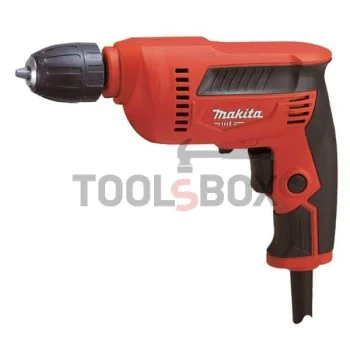
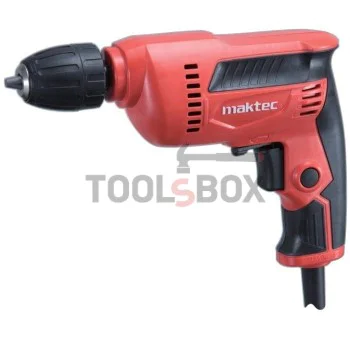
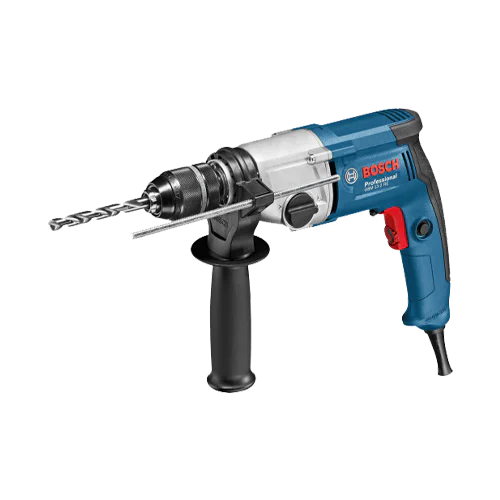
Drill for precision drilling, installation, and repair
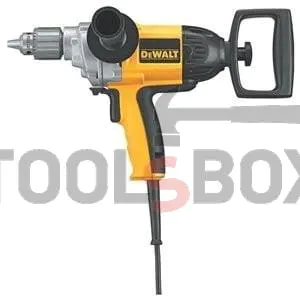
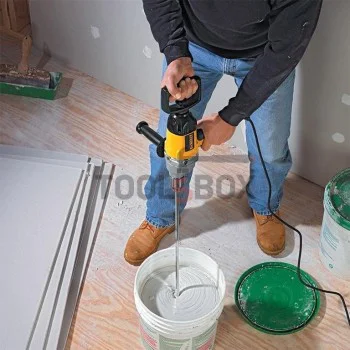
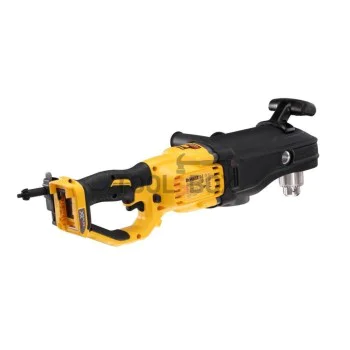
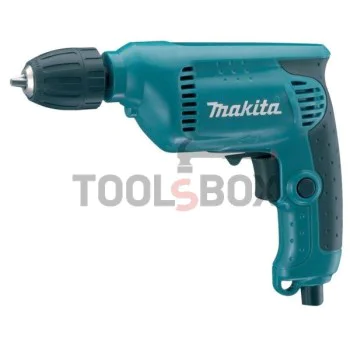
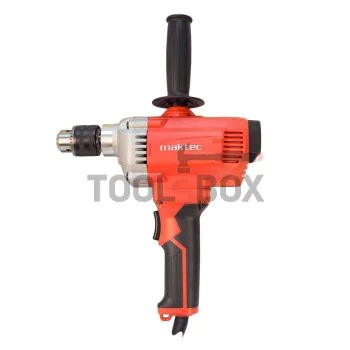
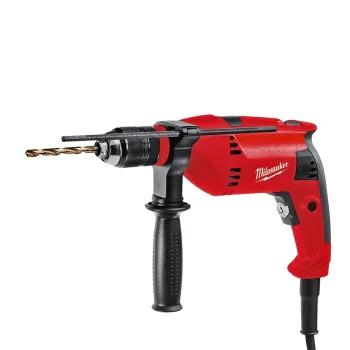
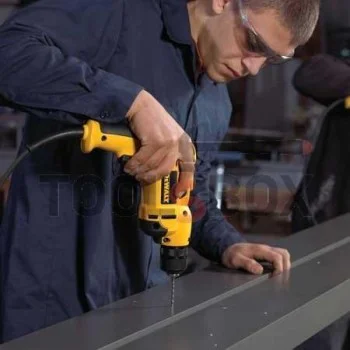
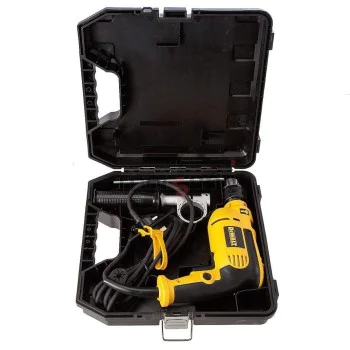
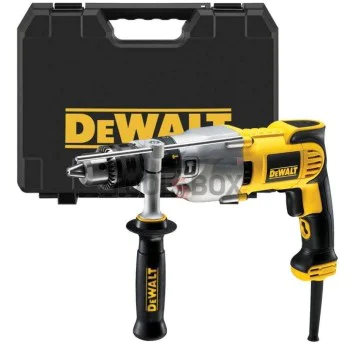
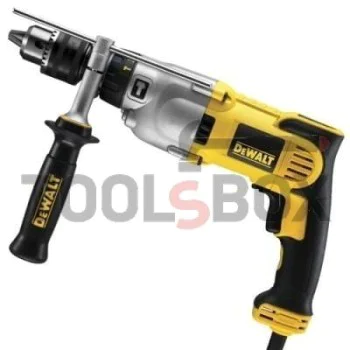
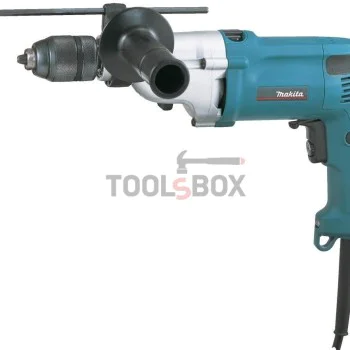
A drill is a power tool used for drilling holes in wood, metal, plastic, drywall, brick, concrete elements, and other building materials. It is essential for furniture assembly, installing fasteners, drilling cable holes, repair work, workshop tasks, and finishing operations. A well-chosen model provides speed control, stable drill guidance, and cleaner work, without unnecessary strain on the operator or the workpiece.
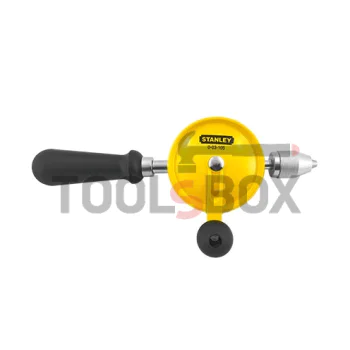
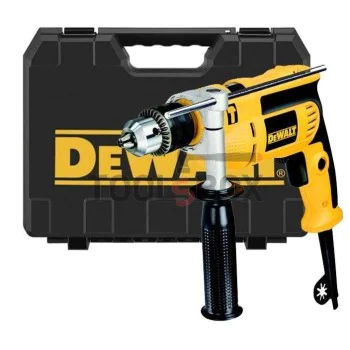
At Toolsbox.bg, you'll find drills for home and professional use, models for light assembly tasks, more powerful machines for intensive work, and options with a hammer mode for masonry. The various models differ in power, power source, chuck type, maximum drilling diameter, speed, ergonomics, and additional settings. This allows you to choose a drill based on the material, frequency of use, and desired precision.
What types of drills are available
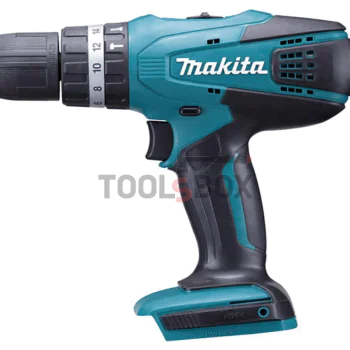
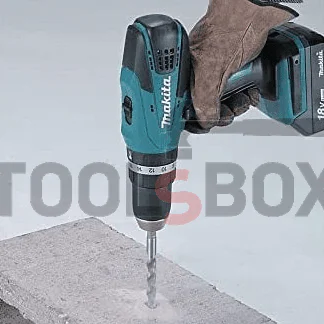
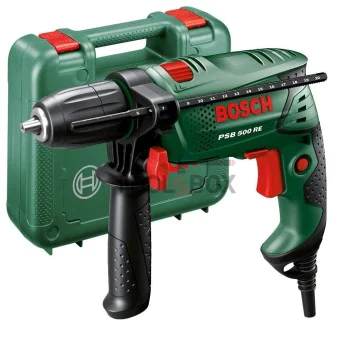
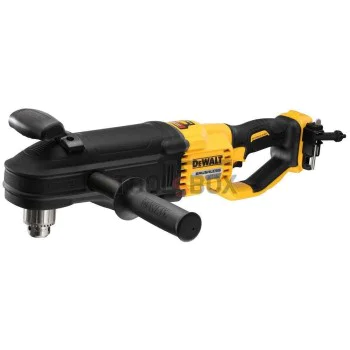
The main distinction is between non-hammer drills, hammer drills, and cordless models. The non-hammer drill is preferred for wood, metal, plastic, and precision holes where precise control is more valuable than hammering power. The hammer drill adds a mechanical back-and-forth motion and is suitable for working in brick, plaster, aerated concrete, and other masonry materials. The cordless drill provides freedom of movement on a job site, in the garden, garage, or workshop without needing to be near an electrical outlet.
Corded models are preferred for extended use when constant power and stable RPM are required. Cordless models are convenient for high-altitude installations, maintenance work, and moving between different work areas. Some drills can also be used with screwdriver bits, but for regular screwdriving, it's worth considering whether a dedicated screwdriver might be better suited for the task.
| Drill Type | Most suitable for | What to look for |
|---|---|---|
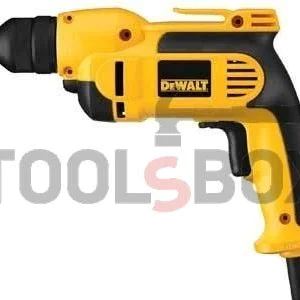
| Non-impact drill | Metal, wood, plastic, fine holes | Speed, chuck, guidance accuracy |
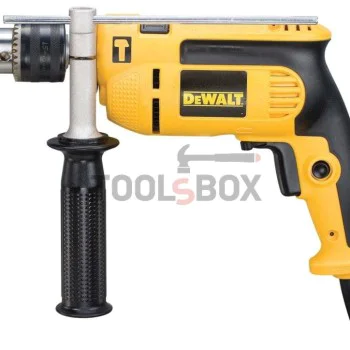
| Hammer drill | Brick, plaster, light masonry holes | Power, hammer mode, side handle |
| Cordless drill | Installations, maintenance, working away from a power outlet | Battery voltage, capacity, charger |
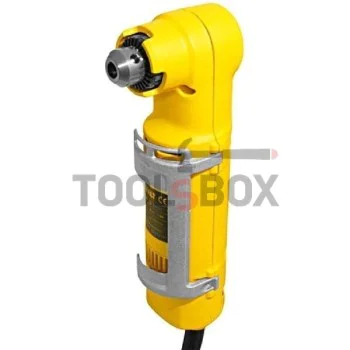
| Workshop drill | Repeatable holes and longer operations | Ergonomics, cooling, sturdy housing |
Applications in construction, the workshop, and the home
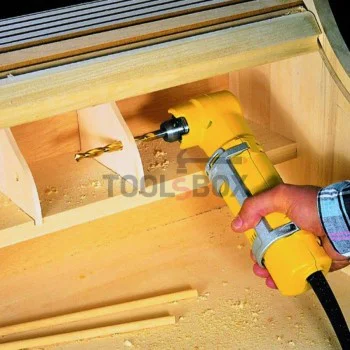
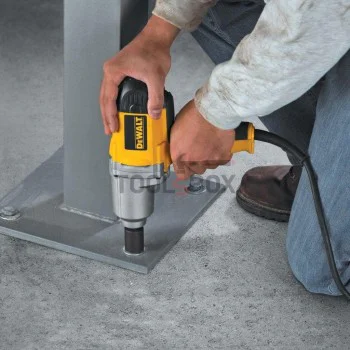
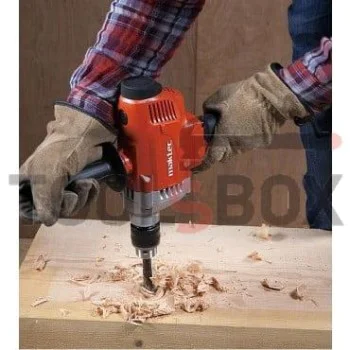
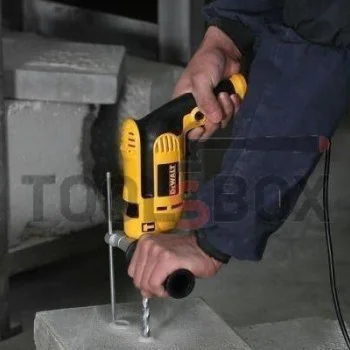
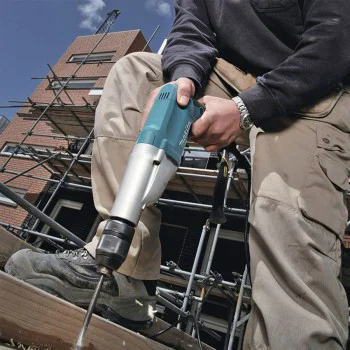
The drill is one of the most commonly used tools for repairs and installation. At home, it is used for installing shelves, curtain rods, light fixtures, furniture, dowels, and fasteners. In a workshop, it is used for fabricating parts, drilling through metal profiles, preparing wood joints, and making fine adjustments. On a construction site, the hammer drill is useful for drilling holes in brick walls, installing brackets, sills, light metal structures, and various installation tasks.
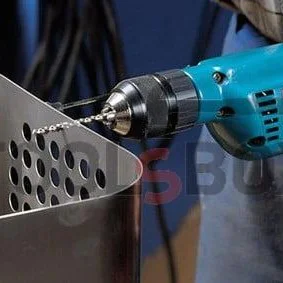
For metal, use drill bits with a straight tip and sufficiently low RPMs to prevent the cutting edge from overheating. When working with wood, aim for clean chip removal and good centering. For masonry, use drill bits with a carbide tip and the hammer mode when the material requires it. When working with tiles and fragile cladding, proceed carefully, without impact at the start, using a steady hand and moderate pressure.
Criteria for choosing a drill
Before purchasing, it is wise to consider what materials will be drilled, how often the drill will be used, and what hole diameter is needed. Power is important for larger drill bits and hard materials, but it is not the only factor. Speed control, a comfortable grip, the machine's balance, and a sturdy chuck directly affect precision and comfort.
- Power and speed: higher power helps with larger holes, while speed control provides flexibility across different materials.
- Hammer mode: required for masonry, but for metal, wood, and plastic, work is usually done without hammering.
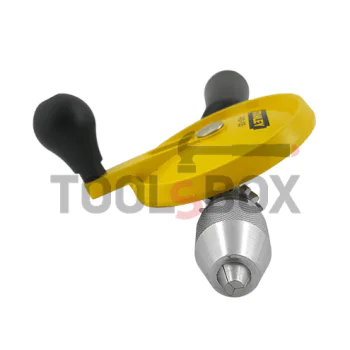
- Chuck: A quick-release chuck makes changing drill bits easier, while a keyed chuck provides a very secure grip.
- Reverse: Useful for freeing a jammed drill bit and when working with bits.
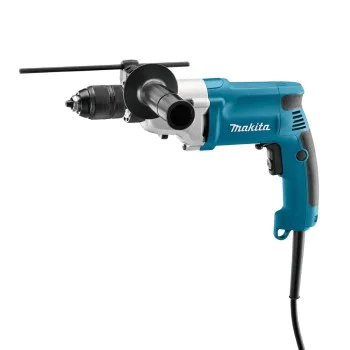
- Side handle and depth stop: The side handle improves control, and the depth stop helps ensure uniform hole sizes.
- Power source: a corded drill is convenient for extended use, while a cordless drill is practical for frequent changes of location.
Compatibility with drill bits and accessories
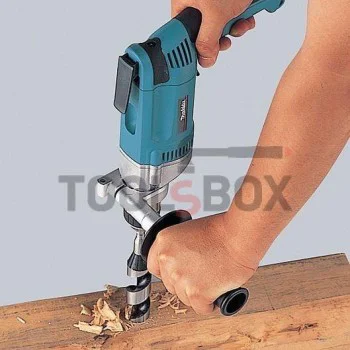
Working with a drill depends not only on the machine but also on the consumables. The shank diameter of the drill bit must match the chuck. For metal, HSS drill bits or specialized variants are selected depending on the alloy. For wood, use twist, flat, Forstner, and other drill bits depending on the shape of the hole. For concrete and brick, choose masonry drill bits, and for ceramics-special tips that reduce the risk of cracking.
Bits, extension bars, depth stops, adapters, spare chucks, drill bit sets, and storage cases can be added to the drill. For longer projects, it's helpful to have several drill bit sizes for each material so you can start with a smaller hole and expand it gradually.
Safety and Maintenance
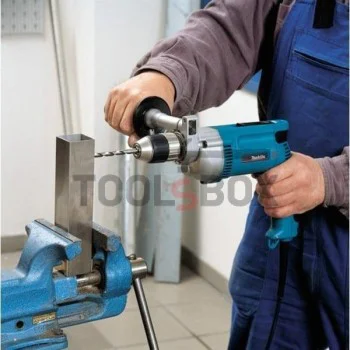
When drilling, you need a stable body position, good lighting, and a securely clamped workpiece. Safety goggles protect against chips and dust, and gloves should be appropriate for the specific task, with no loose parts near the rotating chuck. The cord should not get in the way of the drill, and for cordless models, the battery should be removed before changing accessories, when the design allows it.
Maintenance includes cleaning the ventilation openings, removing dust from the chuck, storing the tool in a dry place, and regularly inspecting the drill bits. A dull or bent drill bit strains the motor, results in inaccurate holes, and can damage the material. For corded models, monitor the condition of the power cord, and for cordless models, check the battery charge and ensure proper battery storage.
Choosing a Drill from Toolsbox.bg
Choosing a drill is easier when you start with the actual tasks: material, hole diameter, duration of work, and need for mobility. For home repairs, a compact model with variable speed is often sufficient. For workshops and construction sites, you'll want a more robust machine with good ergonomics and the ability to use various drill bits. Browse the selection at Toolsbox.bg and choose a drill that fits your work style, available accessories, and planned repair or installation projects.