
Lathe for metal
Metal lathe for precision machining in workshops and service centers
A metal lathe is a machine used for turning, facing, drilling, reaming, threading, and machining parts made of steel, non-ferrous metals, and other machinable alloys. This type of equipment is used in repair shops, training workshops, production areas, garage workshops, and for precision home fabrication of bushings, shafts, spacers, threaded parts, and repair components. A well-chosen metal lathe provides control over the diameter, length, shape, and surface finish of the part, while the right accessories facilitate both batch and single-piece production.
The range may include compact bench-top machines, heavier workshop models, lathes with varying center distances, variants with mechanical feed, speed changes via belts or a gearbox, models with thread-cutting capability, and machines with accessories to expand their applications. The parent group of lathes includes machines for rotary machining, while metal lathes are distinguished by their design and working components, which are adapted for hard materials and precise tolerances.
What do metal lathes include?
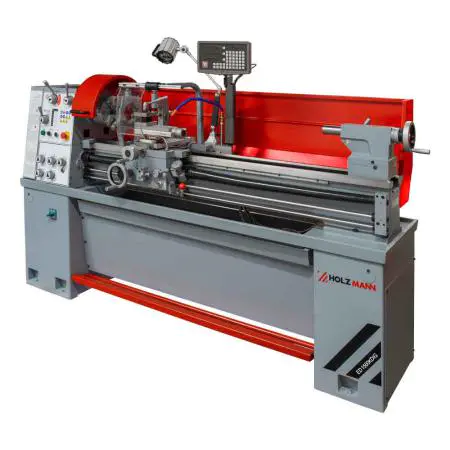
Every metal lathe consists of a solid bed, spindle assembly, chuck, tailstock, cross and longitudinal slides, tailstock, and a speed control system. Different models vary in bed size, maximum over-bed diameter, spindle bore, chuck type, motor power, and feed method. These parameters determine what parts can be machined, how stable the machine remains under load, and how precise the operator's control is.
Bench-top models are suitable for small parts, hobby workshops, model making, light repair work, and training. Heavier machines with a longer center distance handle larger workpieces, longer operating times, and service tasks with higher loads. In metal-cutting operations, the hardness of the material, proper clamping, and the correct cutting tool are directly critical to accuracy and the post-machining surface finish.
Applications of a Metal Lathe
Metal lathes are used for the manufacture and restoration of cylindrical parts, machine repair, preparation of fasteners, and the machining of shafts, bushings, flanges, and threads. In auto repair shops, machine shops, or assembly departments, the machine saves time when adjusting to non-standard dimensions and correcting worn parts. For home use, it allows for precise machining of small metal workpieces without the need to outsource every minor operation.
When used with the appropriate cutters and holders, the metal lathe processes external and internal surfaces, grooves, cones, chamfers, and threads. Additional accessories expand the range of tasks-centers, tailstock drills, chucks, collets, threading sets, measuring tools, and coolants. Accuracy depends on the condition of the guides, the adjustment of the carriage, the clamping of the workpiece, and the selection of speed relative to the material.
Parameters for Selecting a Metal Lathe
When selecting a lathe, compare the actual parts you will be machining with the machine's technical specifications. A small metal lathe is practical for fine components but lacks the capacity for long shafts and larger diameters. A larger machine provides more space and stability but requires a suitable base, workspace, and power supply. For regular maintenance, look for a stable bed, convenient feed control, and easy access to the adjustments.
- Maximum diameter over the bed-determines the largest diameter of the workpiece that rotates freely over the guides.
- Center-to-center distance-affects the maximum length of the workpiece when working between centers.
- Spindle bore-important when machining bars and long workpieces that pass through the spindle.
- Speed and adjustment-different materials and diameters require different cutting speeds.
- Chuck and clamping-three- and four-jaw chucks, centers, and collets provide different levels of grip control.
- Thread cutting-check the range of metric or other threads before selecting a machine for this type of work.
- Weight and rigidity of the structure-a heavier machine typically runs more smoothly when working with harder materials.
Accessories, consumables, and compatibility
To work effectively with a metal lathe, you need the right cutting tools, holders, centers, drills, measuring tools, coolant, and clamping accessories. Cutters vary in shape, insert material, cutting direction, and purpose-roughing, finishing, grooving, parting, or threading. For small and precise parts, a caliper, micrometer, dial indicator, and stable workpiece clamping play a major role.
Compatibility between the machine, holders, and accessories is verified by the shank dimensions, the type of rear seat taper, the chuck diameter, the spindle thread, or the mounting flange. An incorrectly selected consumable increases vibrations, degrades the surface finish, and puts strain on the machine components. For regular operation, it is advisable to maintain a set of cutters for various operations, spare inserts, centers, and lubricants.
Operation, Safety, and Maintenance
A metal lathe requires a stable mounting to a workbench or stand, good lighting, and clear space around the rotating area. The workpiece must be properly clamped in the chuck, the wrench removed before starting, and the speed selected according to the diameter and material. Safety goggles, tucked-in clothing, and the absence of loose-hanging items reduce the risk when working with rotating parts and metal shavings.
Regular maintenance includes cleaning the guides, lubricating moving parts, checking belts and clearances, verifying fastenings, and storing cutting tools without impact on the cutting edges. A clean work area and proper adjustment of the support maintain the machine's accuracy and reduce wear. When machining harder materials, cooling and proper cutter geometry limit overheating and improve the finish.
Choose a metal lathe based on your tasks
At Toolsbox.bg, you can browse metal lathe models for service shops, workshops, and precision home machining, along with the necessary accessories and consumables. Compare capacity, power, size, adjustment methods, threading capabilities, and compatible accessories to select a machine that suits the actual parts and workload in your operation.