
Dust mask
Dust mask for renovation, construction, and workshop use
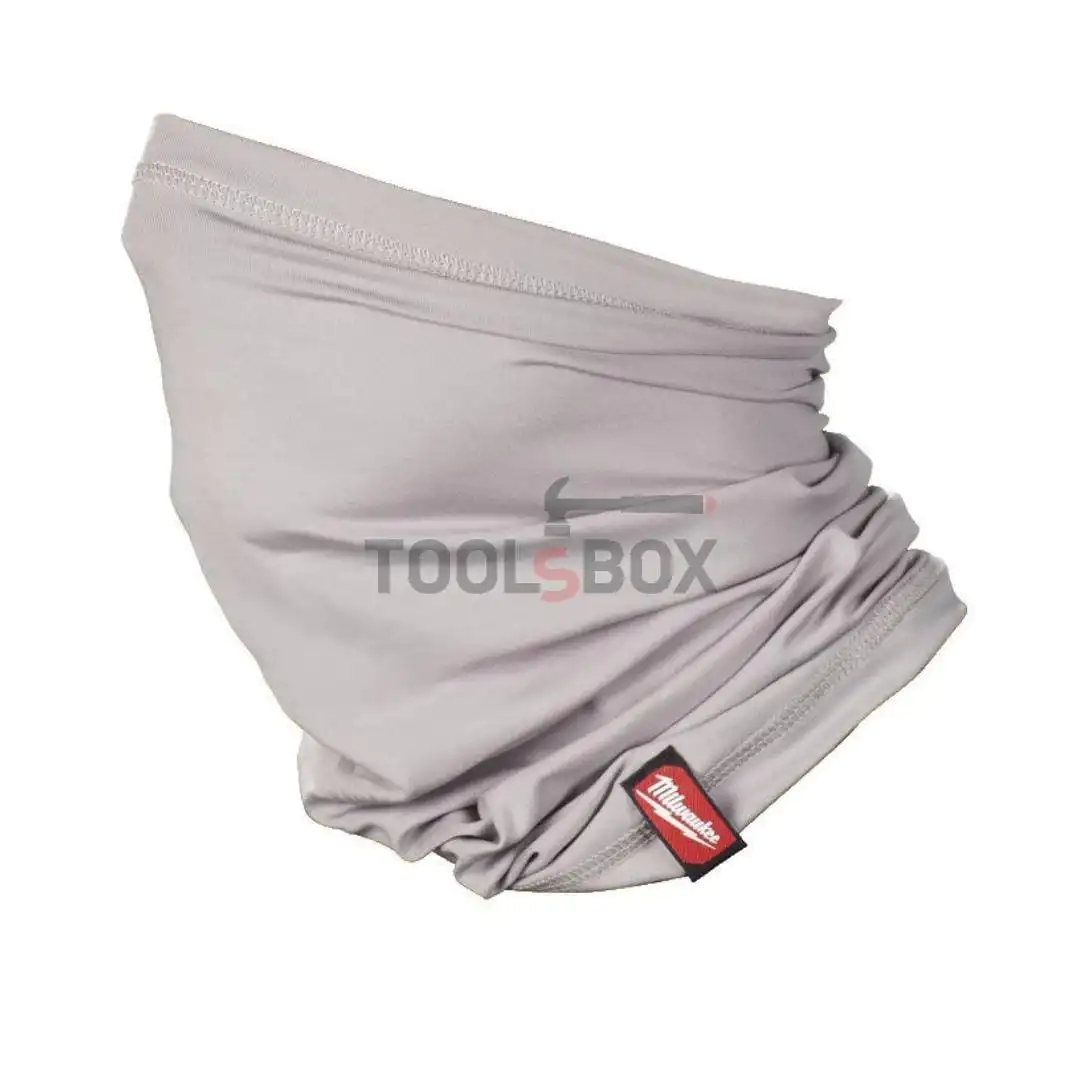
A dust mask is a practical means of protecting the respiratory tract when working with fine particles, dry construction mixtures, wood dust, drywall, concrete, plaster, insulation, and other materials that generate dust during processing. It is part of personal protective equipment and is used for sanding, cutting, drilling, sweeping, demolition, installation work, maintenance, and workshop tasks. Toolsbox.bg offers a selection of models for small home repairs, regular maintenance, and professional use on construction sites, in workshops, and in service areas.
A well-chosen dust mask reduces the direct inhalation of dust particles and makes work more comfortable when performing tasks involving machinery, power tools, and hand tools. During prolonged wood sanding, chiseling, cutting slabs, or working with dry mixtures, protecting your nose and mouth is an essential part of your preparation, along with goggles, gloves, ear protection, and other protective gear.
What activities is a dust mask used for?
A dust mask is used for a wide range of repair and manufacturing tasks. In construction, it is used when mixing cement, plaster, adhesives, and grout, when cutting bricks, concrete blocks, and slabs, and when cleaning up after chiseling or dry sanding. In a workshop, they are useful when working with wood, metal surfaces, paints, varnishes, and old coatings, where fine particles are released.
For home use, a dust mask is suitable for painting after sanding, replacing flooring, repairing furniture, and cleaning attics, basements, and garages. For professional work, the choice usually leans toward models with a better fit, more durable elastic bands, a nose clip, and filter material suited to the intensity of the workload.
Types of dust masks and differences between them
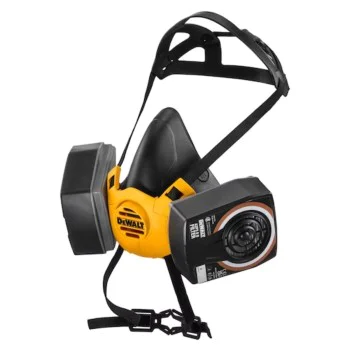
Different models vary in shape, filtration class, presence of a valve, fastening method, and comfort level. A disposable dust mask is lightweight and comfortable for short tasks where exposure to dust is brief. Foldable models are easy to store in a toolbox, work jacket, or car. Cup-shaped variants maintain their shape around the nose and mouth and often provide a more secure fit during movement.
A dust mask with a valve facilitates exhalation and reduces moisture buildup on the inside. This is useful for longer work sessions or during physical exertion. Valve-less models are compact and preferred for short-term tasks, cleaning, or light dust environments. For products labeled FFP1, FFP2, or FFP3, the class indicates the filtration level specified by the manufacturer and must be matched to the nature of the work.
Fit and Seal
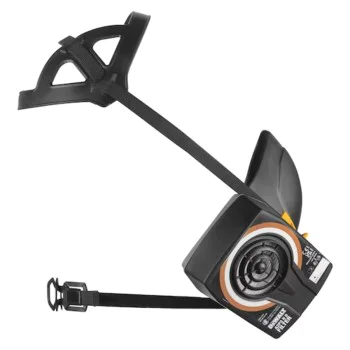
Fit is of great importance for effective protection. A dust mask with an adjustable nose clip allows for a more precise fit around the nose and reduces gaps. Soft sealing zones improve comfort during prolonged wear. The elastic straps should hold securely without applying excessive pressure, because uncomfortable protection is often removed during work and thus loses its purpose.
Material and Filter Layer
The filtering material in a dust mask is designed to trap fine particles from the air. When working with construction mixtures, wood, or drywall, it is wise to look for a model with clearly specified protection against dust particles. For tasks involving vapors, gases, or chemicals, a different type of respirator with appropriate filters is needed, as a standard dust mask is not designed for such environments.
How to Choose a Dust Mask
When choosing, consider the work environment, the duration of the task, the amount of dust, and compatibility with other protective equipment. For one-time home repairs, a lightweight model with a good fit is often sufficient. For daily professional use, a dust mask with a more robust construction, reliable elastic straps, a nose clip, and a filtration class appropriate for the type of contamination is more suitable.
- Type of work: sanding, cutting, drilling, chiseling, cleaning, or mixing dry materials.
- Dust level: light dusting, intense particle emission, or prolonged work in an enclosed space.
- Comfort: shape, softness of the seal, exhalation valve, and stability of the straps.
- Compatibility: wearing with safety goggles, a helmet, ear protection, or work clothing.
- Labeling: filtration class and manufacturer's instructions regarding intended use and shelf life.
When working with glasses, it is helpful for the mask to fit snugly around the nose to reduce fogging. When wearing a helmet or ear muffs, the elastic bands should sit comfortably and not interfere with other equipment. For dusty tasks in enclosed spaces, good ventilation and regular replacement of the mask improve working conditions.
Use, Storage, and Replacement
A dust mask should be placed on a clean face, with a tight fit over the nose and mouth. The nose clip should be carefully shaped, and the elastic bands adjusted so that the mask sits securely. A damaged, damp, deformed, or visibly soiled dust mask should be replaced with a new one. Disposable models are not intended for washing or long-term storage after heavy dust exposure.
Storing the mask in a dry, clean place protects the filter layer from contamination before use. For professional teams, it is advisable to keep masks separate from abrasives, oils, lubricants, and other consumables that could affect the material. This ensures the mask remains ready for use on the next task.
Dust Masks at Toolsbox.bg
Choosing a dust mask is part of a well-prepared workspace. The right model makes repairs, construction work, or workshop tasks easier without unnecessarily burdening the user. At Toolsbox.bg, you can select a dust mask based on the application, shape, filtration class, presence of a valve, and necessary compatibility with other protective equipment. Browse the options and choose protection tailored to the specific job, tools, and environment in which you will be working.