
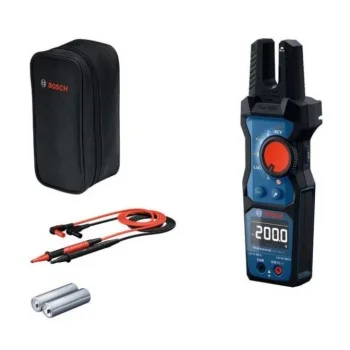
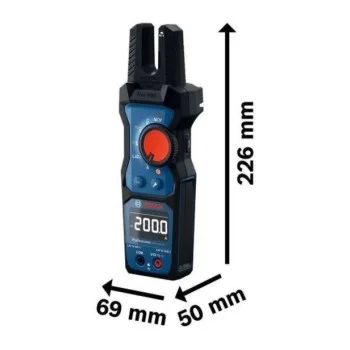
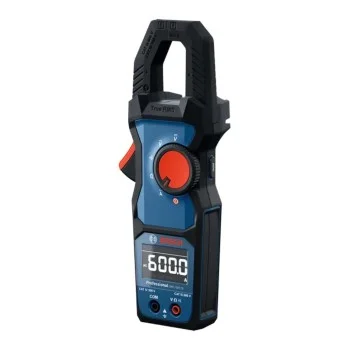
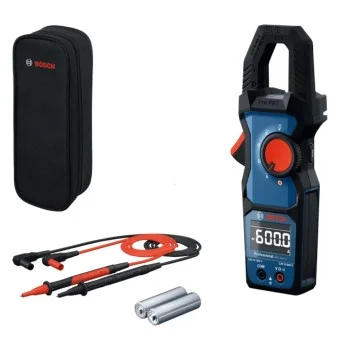
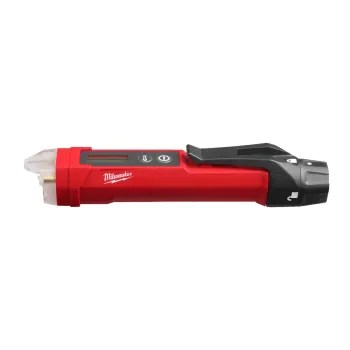
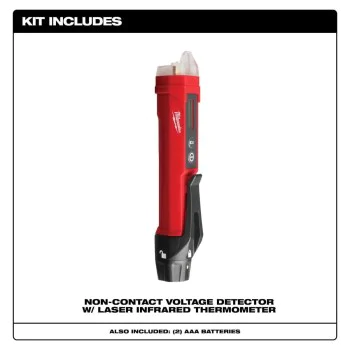
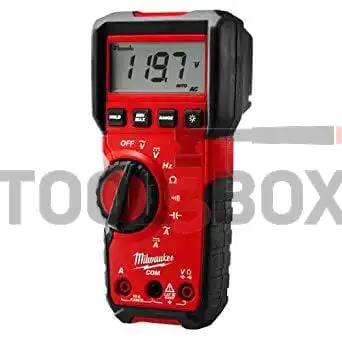
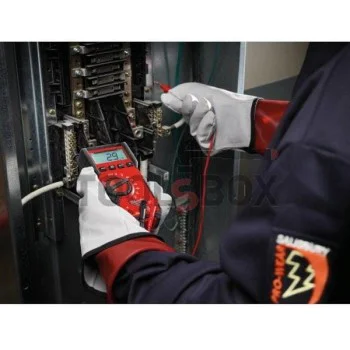
Multimeter
Multimeter for precise electrical measurements
A multimeter is a practical measuring device for checking voltage, current, resistance, and circuit continuity during repair, installation, service, and maintenance. It is one of the essential tools for electrical engineers, maintenance technicians, auto electricians, low-voltage system installers, and discerning DIY enthusiasts. With the right multimeter, you can detect open circuits, voltage drops, power supply issues, faulty fuses, cables, batteries, chargers, circuit boards, and electrical components.
When working with electrical installations, accurate testing saves time and reduces the risk of misdiagnosis. Multimeters differ in display type, measurement ranges, accuracy, protections, additional features, and ease of use. Therefore, the choice of a device is not just about price, but about the actual tasks, the work environment, and the required level of protection.
Types of Multimeters and Their Applications
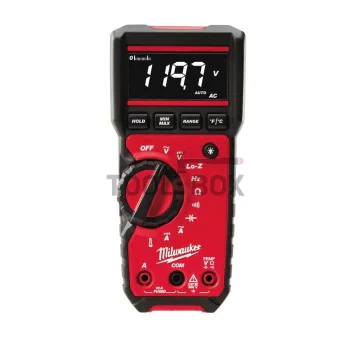
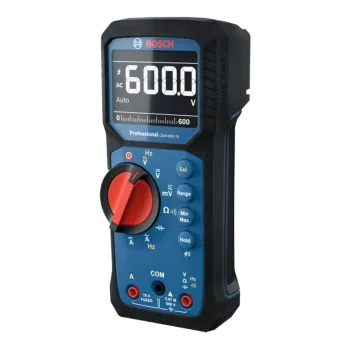
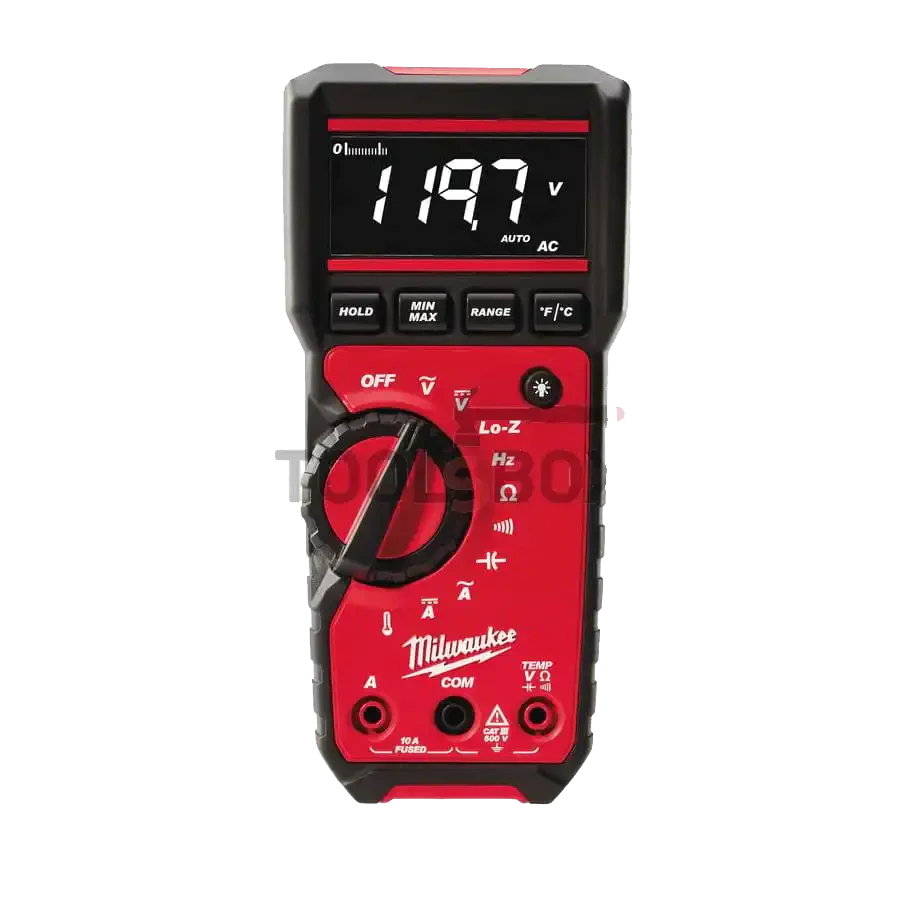
The most common are digital multimeters, which display the result on a screen. They are convenient for daily diagnostics, maintenance tasks, and checking batteries, chargers, electronics, household appliances, and electrical panels. On some models, the range is selected manually, while on others, the device automatically detects the measurement range, which simplifies work when switching between tasks frequently.
Analog multimeter with a pointer are valued for monitoring gradual changes in the signal. They are useful for adjustments where the movement of the pointer provides a quick visual indication of the direction of the change. Compact pocket models are convenient to carry in a toolbox, while larger devices often feature a more user-friendly display, a sturdier casing, and more measurement functions.
Some multitesters include functions for diode testing, continuity testing with an audible signal, and measuring capacitance, frequency, temperature, or duty cycle. These features are valuable in electronics, HVAC, automotive diagnostics, machine maintenance, and sensor monitoring.
What to Consider When Choosing a Multimeter
Selecting a multimeter starts with the types of measurements you'll perform most often. For home use-checking outlets, batteries, adapters, and cables-a model with clear basic ranges and an audible continuity test is sufficient. For service work, you need better accuracy, stable probes, input protection, and a user-friendly display. For electrical installations and industrial maintenance, pay attention to the protection category, maximum voltage, and the durability of the housing.
- Measurement ranges-check the ranges for DC and AC voltage, current, and resistance based on your tasks.
- Accuracy and resolution-lower error and a more detailed display are valuable for electronics and precision adjustments.
- True RMS-a useful feature when measuring AC signals, switching power supplies, and loads with non-standard waveforms.
- Protection and category-CAT II, CAT III, or CAT IV markings indicate the permissible operating environment and the level of electrical protection.
- Display and readability-large digits, backlighting, and data hold help when working in panels, shafts, vehicles, and dimly lit areas.
- Probes and cables-high-quality test leads, clamps, and tips facilitate stable contact with terminals, connectors, and circuit boards.
Safety when working with a multimeter
Electrical measurements require discipline and proper instrument setup. Before measuring, select the correct mode and probe input. When checking voltage, the device must not remain in current or resistance mode. Resistance, diodes, and continuity should only be measured with the circuit power turned off. Current measurement is performed through the appropriate input, paying attention to the fuse's maximum rating.
The condition of the test leads is essential for safe operation. Cracked insulation, loose banana plugs, or damaged tips increase the risk of contact with live parts. When working on electrical panels and machines, select a multimeter with a category suitable for the measurement location, and use probes with insulated tips when access is limited.
Practical features for service, installation, and maintenance
For professional use, features such as data hold, minimum and maximum values, auto-off, backlight, a table stand, and a rubberized housing are valuable. When working on vehicles, ranges for low DC voltage, battery testing, sensors, and cable connections are convenient. In electronics, accuracy, capacity, diode testing, and quick audible continuity indication are more important.
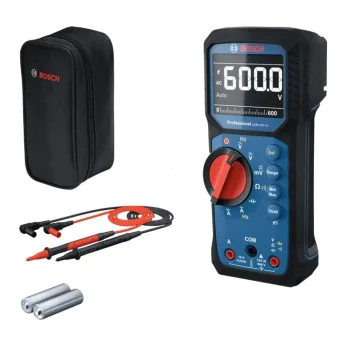
Accessories expand the multimeter's applications. Test leads, thin probes, alligator clips, spare fuses, temperature probes, and cases help make work more convenient in service centers, workshops, and on-site. When replacing probes, it is advisable to observe the rated voltage, category, and connector type to maintain the device's protection.
Multimeters for precise diagnostics at Toolsbox.bg
At Toolsbox.bg, you'll find multitesters for basic checks, service measurements, electrical installation, and machine maintenance. Choose a model based on the required functions, work environment, and frequency of use to equip your workshop or toolbox with a measuring device that meets your actual needs.