
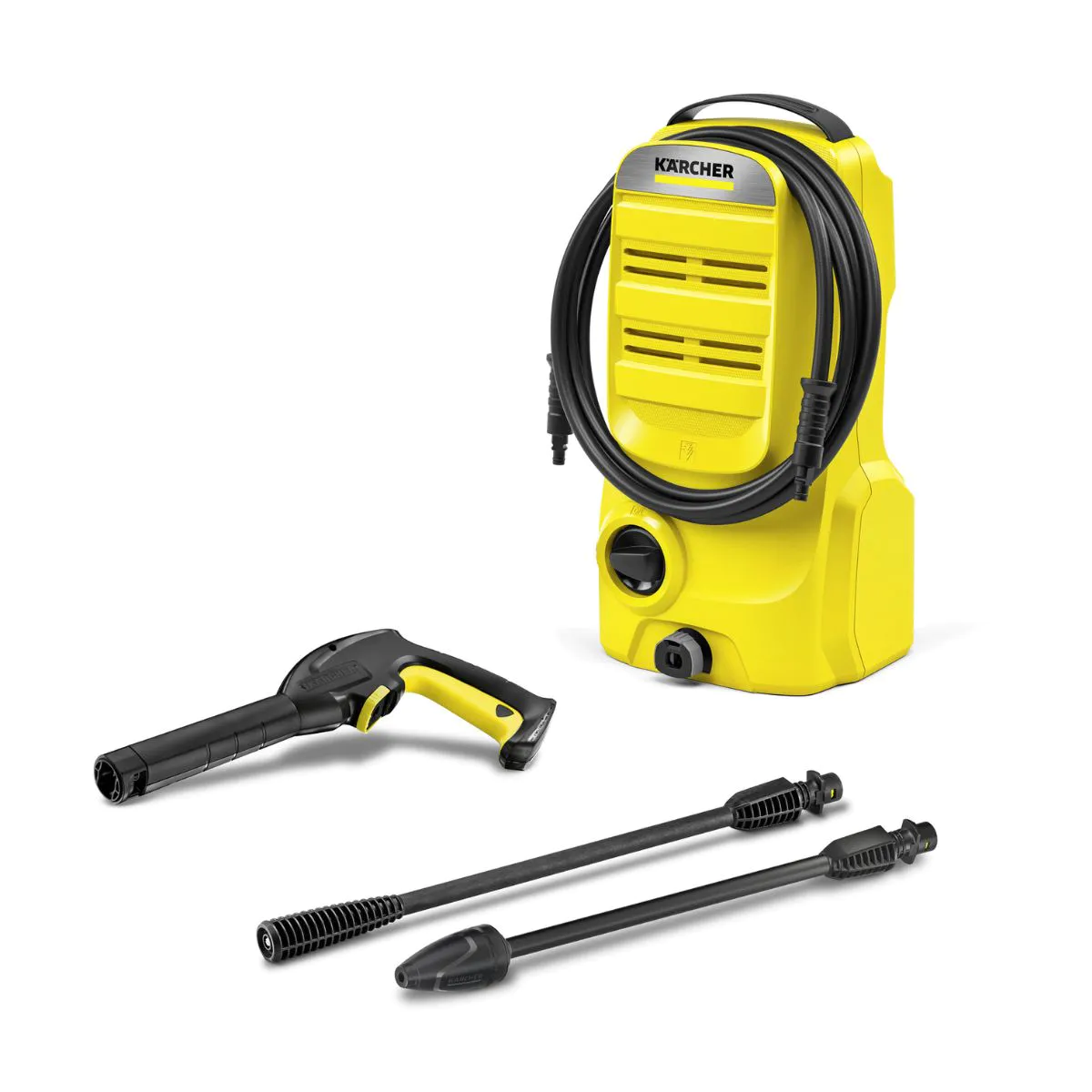
Mini water jet
Mini pressure washer for compact cleaning at home, in the garage, and on the go
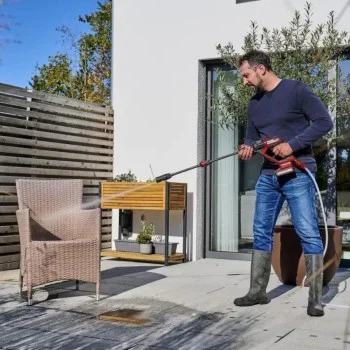
A mini pressure washer is a practical choice for cleaning cars, bicycles, garden furniture, patios, tools, small surfaces, and equipment without the need for a large, heavy machine. Its compact size makes it easy to carry and store, and the pressurized water jet removes mud, dust, dried-on grime, and residue from hard-to-reach places. These types of devices are preferred by home users, car owners, camping equipment users, and small workshops, where mobility and ease of setup are just as valuable as the jet's power.
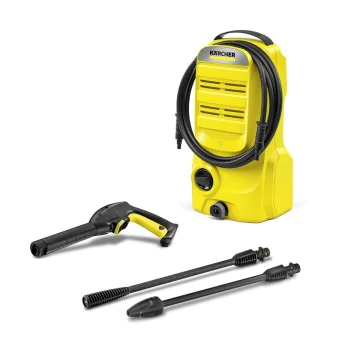
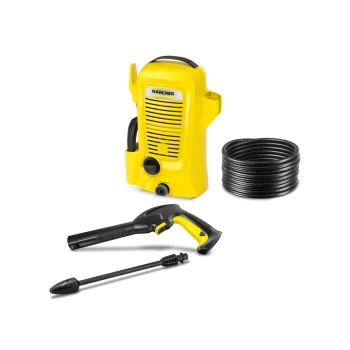
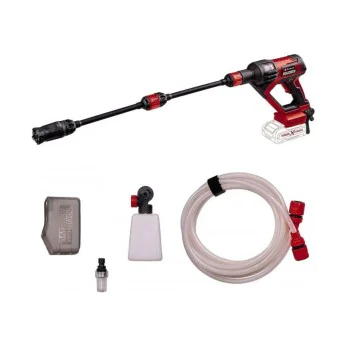
The mini pressure washer category includes compact electric models, cordless options, units with a hose for an external water source, and kits featuring a spray gun, nozzles, foam tips, a filter, an extension hose, and a carrying case. Some models connect to a water supply, while others can draw water from a bucket, jug, or tank. This makes the device convenient for washing in front of an apartment building, in a yard, at a vacation home, while camping, or when maintaining equipment far from a standard water supply.
What tasks is the compact pressure washer designed for?
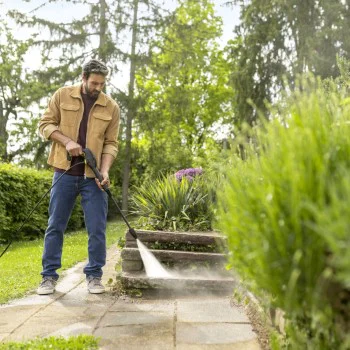
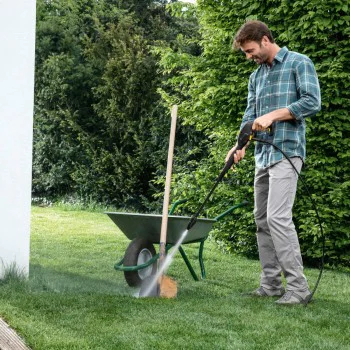
Mini pressure washers are designed for light to medium-duty cleaning tasks that do not require an industrial machine. They handle everyday dirt on car rims, sills, fenders, bicycles, scooters, chainsaws, lawn mowers, plastic crates, flower pots, garden paths, fences, and facade elements. With the right nozzle, the jet reaches narrow openings, joints, and ridges where a regular hose doesn't clean well enough.
For car maintenance, the mini pressure washer is useful for pre-rinsing off mud and dust, applying foam using a detergent bottle, and rinsing after hand washing. For household tasks, the device saves time when washing garden tools, furniture, small concrete surfaces, and tiles. For professional service work, the compact design is valuable for on-site visits, light installation tasks, and cleaning equipment after work.
Types of mini pressure washers and differences between them
The differences between the individual models are mainly related to power source, pressure, flow rate, water supply method, accessories, and portability. Corded electric models are suitable for the yard, garage, and workshop, where there is a nearby outlet. Battery-powered mini pressure washers offer more freedom when cleaning in areas without an electrical outlet, though runtime depends on battery capacity and workload.
Self-priming models can draw water from a container, which is useful for camping, cleaning boats, bicycles after a ride, or off-road vehicles. Devices designed for direct connection to a water supply line typically maintain a more consistent flow, provided the water pressure is sufficient. When comparing options, pay attention to the maximum pressure, operating pressure, flow rate in liters per hour, hose length, battery type, and available attachments.
| Mini pressure washer type | Operating environment | Practical advantage |
|---|---|---|
| Electric with cord | Yard, garage, workshop | Constant power supply for continuous operation |
| Battery-powered | Camping, parking lot, cottage, outdoor area | Freedom without a nearby outlet |
| Self-priming | Locations without a water supply | Works with a bucket, jug, or tank |
| With foam kit | Cars, bicycles, garden equipment | Easier application of cleaning solution |
How to choose a mini pressure washer based on the task
When choosing, start with how often you'll use it and the type of dirt. For a quick rinse of a bicycle, tools, or garden furniture, a compact model with moderate pressure and a standard nozzle is sufficient. For a car, a kit with a spray nozzle, a foam tip, and a hose of a convenient length is useful, so you can reach all sides without constantly moving the device.
Pressure indicates the force of the jet, while flow rate determines the amount of water passing through the machine. Higher pressure helps with dried-on mud, but for delicate surfaces, it's wiser to work from a greater distance or with a wider spray. Flow rate is important for rinsing speed, especially on larger areas. For cordless models, check the voltage, battery capacity, charging time, and whether the charger is included in the kit.
The compatibility of attachments directly affects future maintenance. Standard nozzles, quick-connect fittings, filters, spray guns, hoses, and detergent bottles simplify maintenance and expand the device's applications. If you plan to work frequently away from a water supply, look for a model with a suction hose and a filter that protects the pump from sand and large particles.
Accessories, Consumables, and Equipment Care
The right accessories increase convenience during use. The adjustable nozzle allows you to switch between a concentrated and a wide spray, the foam nozzle helps when washing a car, and the extension nozzle makes it easier to reach sills, baseboards, tall furniture, and hard-to-reach corners. The inlet water filter is useful when drawing water from a container because it reduces the risk of debris entering the pump.
Maintaining a mini pressure washer isn't complicated, but it extends the machine's lifespan. After use, release the pressure from the gun, drain any remaining water from the hose, and store the unit in a dry, frost-free place. Clean the filter periodically and do not leave detergent in the bottle after finishing washing. When working on automotive surfaces, maintain a safe distance from paint, seals, sensors, and decorative elements.
A practical purchase for mobile cleaning
The mini pressure washer combines compactness, portability, and sufficient power for daily maintenance. It is convenient for the home, garage, cottage, garden, and travel when you need clean equipment and a tidy workspace without heavy machinery. At Toolsbox.bg, you can choose a mini pressure washer based on power source, pressure, accessories, and application type, so the device meets your specific cleaning and maintenance needs.