
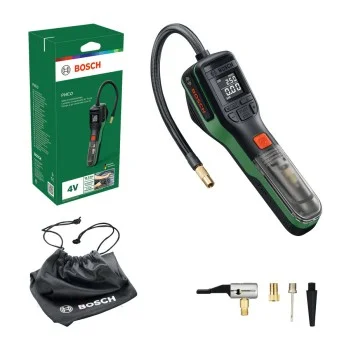
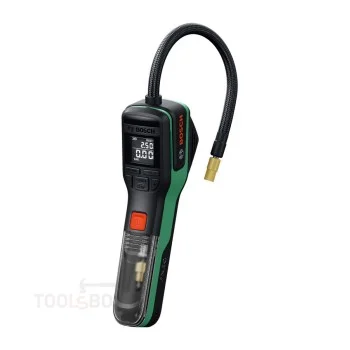
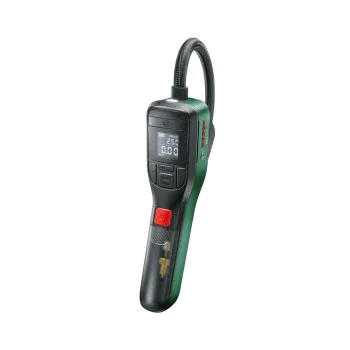
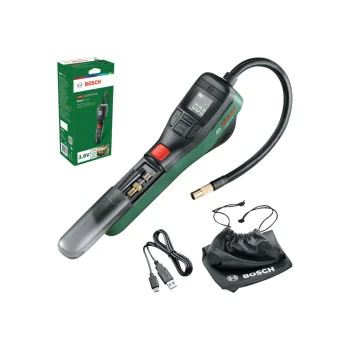
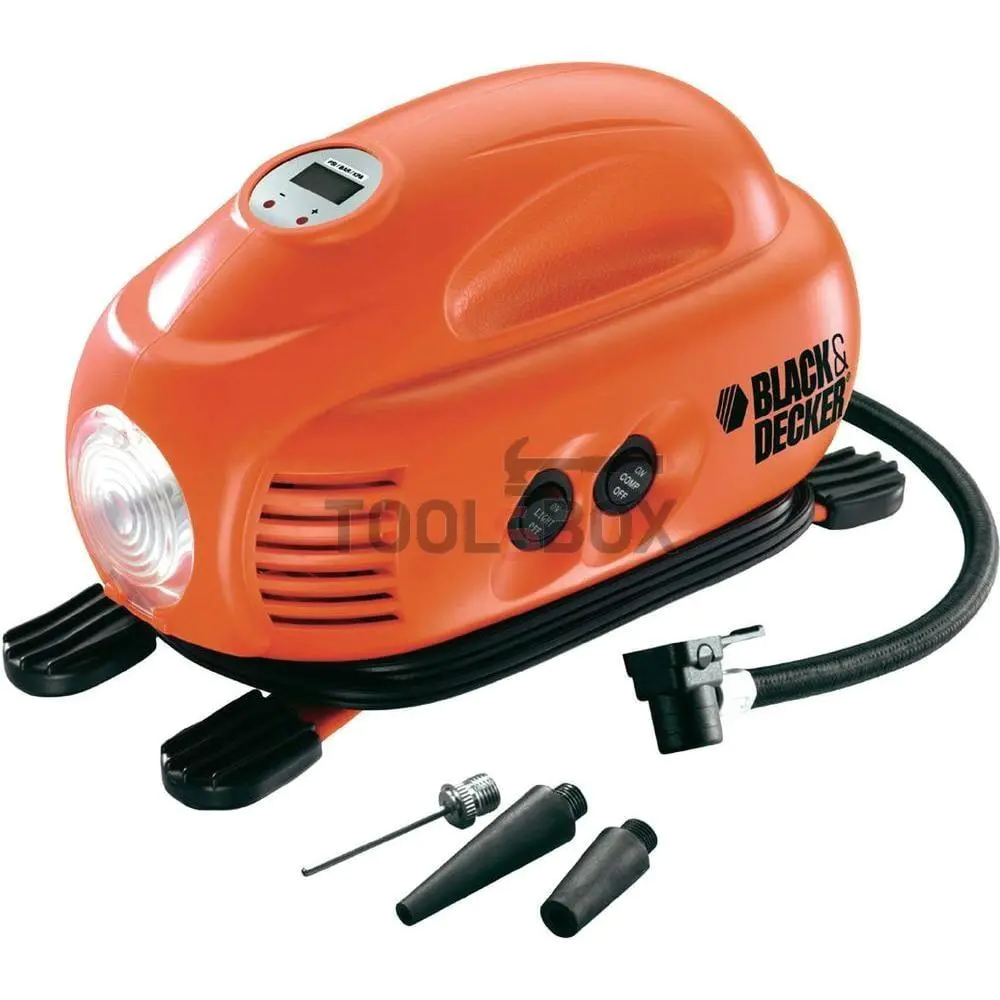
Compressor for car
Car Compressor - Compact Equipment for Pressure Control
A car compressor is a practical device for inflating car tires, bicycle tires, balls, inflatable mattresses, and other items with valves. It saves time when tire pressure drops, provides independence on the road, and makes it easier to maintain your vehicle without having to visit a gas station or repair shop. Among automotive tools, these compressors rank among the most useful pieces of equipment for the trunk, garage, and work vehicle.
Car compressors differ in power source, flow rate, maximum pressure, pressure gauge accuracy, hose length, housing size, and additional features. Some models run directly from the car's 12V socket, others are battery-powered, and some variants feature a combined power source. Thus, the device is selected based on the vehicle, frequency of use, and the tasks for which it will be used.
What Car Compressors Include
Car tire compressors typically feature an electric motor, a piston or diaphragm mechanism, an air hose, a power cord, and a pressure gauge. The pressure gauge can be analog or digital, and some models offer a preset pressure function with automatic shut-off. This feature is convenient for regular tire inflation, as it helps maintain the recommended pressure for the specific vehicle.
Many compressors come with nozzles for various valves and inflatable items. Such accessories expand the device's use beyond the car-for bicycles, motorcycles, sports balls, or camping gear. When choosing a compressor, it is wise to consider not only the compressor's size but also the hose's durability, the stability of the connectors, and the readability of the pressure gauge.
| Power Source | When is it convenient | Features |
|---|---|---|
| 12 V from a car | Roadside assistance, trunk, daily maintenance | Plugs into the cigarette lighter socket; check the cable length |
| Battery-powered | Garage, yard, camping, cordless operation | Provides freedom of movement; check the battery capacity |
| Combination | More frequent use in various conditions | Combines operation from a vehicle and standalone operation, when the model allows it |
Applications of a car tire compressor
The main purpose of the compressor is to restore and adjust tire pressure. Proper pressure affects traction, fuel consumption, tread wear, and the vehicle's braking performance. This small, portable device is particularly useful for long trips, seasonal tire changes, driving outside the city, or working with light-duty vehicles.
In the home garage, the compressor makes it easy to perform periodic checks before a trip. For professional use, it can be part of the equipment for a mobile service, installation team, or company vehicle. For larger tires, SUVs, vans, and trailers, models with higher flow rates, better cooling, and longer operating cycles are preferred to prevent overheating during prolonged use.
How to Choose a Car Compressor
The right choice starts with tire size and power source. For a standard passenger car, a compact compressor with a 12 V power supply and a clear pressure gauge is sufficient. For an SUV, van, or frequent use, a model with a more powerful motor, higher air flow rate, and a housing that can withstand being carried in a trunk or tool bag is a good choice.
- Maximum pressure: must meet the requirements for the tires of the car, bicycle, or other product.
- Air flow rate: a higher flow rate reduces inflation time, especially for larger tires.
- Pressure gauge: digital displays are easy to read, while analog ones are simple and durable under rough use.
- Cable and hose length: important for cars with a longer wheelbase or when accessing rear tires.
- Nozzles: useful for inflating bicycles, balls, and inflatable accessories.
- Compactness: A small size makes it easy to store in the trunk, but this shouldn't come at the expense of stability during use.
Compatibility, safety, and maintenance
Before inflating, check the recommended pressure on the vehicle's label or in the manufacturer's manual. Values differ for front and rear tires, when fully loaded, and when driving on the highway. Overinflation reduces the tire's contact patch, while low pressure increases heat buildup and accelerates wear.
When using a car compressor, connect the hose securely to the valve, position the device stably, and keep the cable away from hot and moving parts. During prolonged inflation, it is advisable to let the device cool down according to the manufacturer's instructions. After use, the cable and hose should be stored without sharp kinks, the housing should be protected from moisture, dust, and impacts, and the nozzles should be stored in the compartment or case, if available.
A car compressor is a small device with great practical value when selected according to your actual needs. At Toolsbox.bg, choose a car compressor for your personal vehicle, company van, garage, or mobile roadside kit, taking into account power supply, flow rate, pressure, and necessary accessories.