
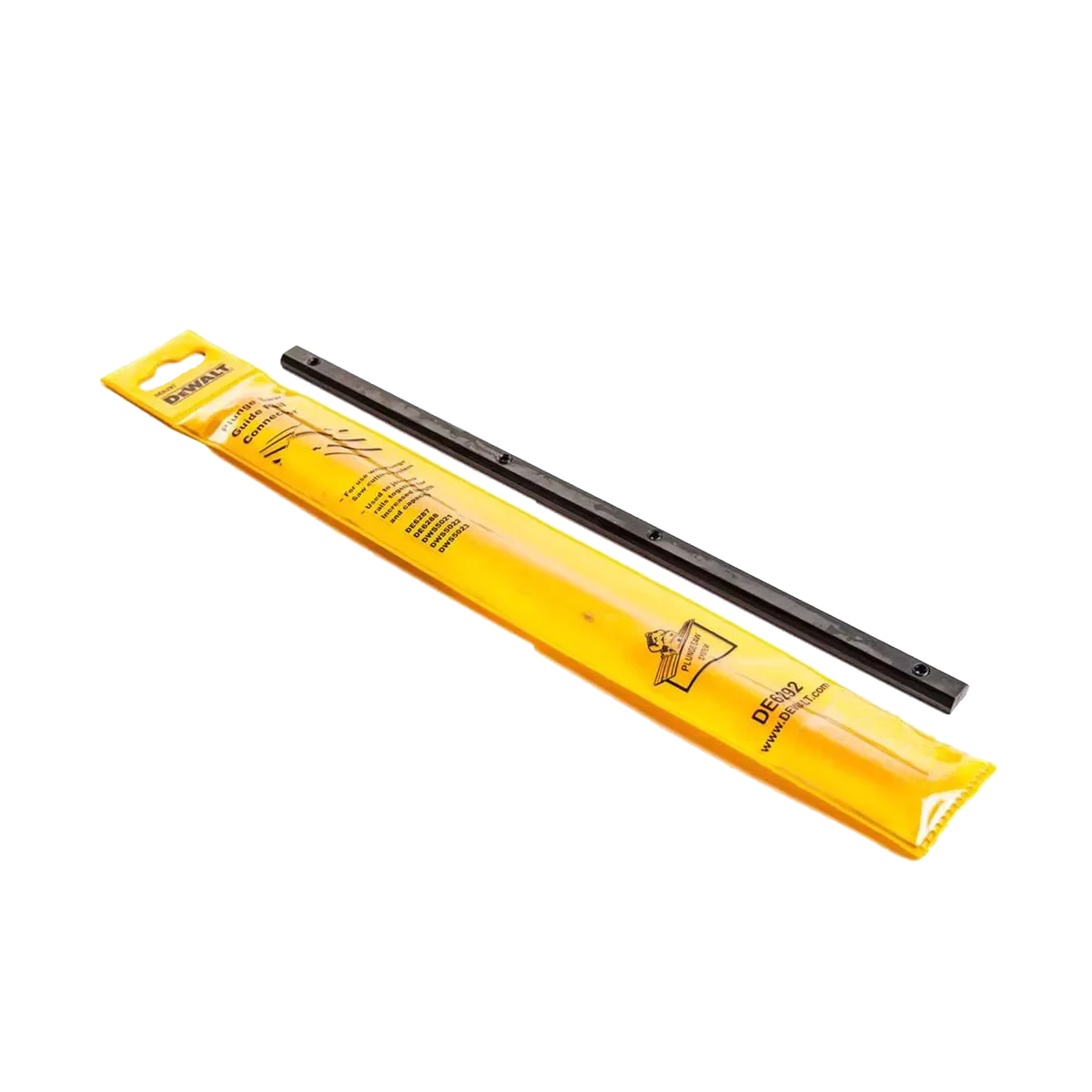
Planks
Brackets for repair, installation, and replacement of parts
Repair and mounting brackets are practical spare parts for securing, connecting, reinforcing, or restoring individual components in machines, tools, power tools, work equipment, and structures. They are used for servicing, maintenance, construction, installation work, and repairs in workshops, garages, or manufacturing environments. A properly selected bracket helps ensure stable fastening, precise positioning of components, and more reliable operation of the mechanism after replacement.
When it comes to spare parts, these types of components often seem small, but they directly affect the strength of the assembly. Strips are needed for broken, worn, bent, or corroded components, for equipment modifications, and for the installation of covers, brackets, guides, guards, handles, supports, and other structural assemblies. Selecting them is not limited to external dimensions-thickness, hole placement, shape, material, and fastening method are all important factors.
Where they are used
Strips are used in various repair and assembly tasks involving mechanical fastening. In service work, they assist in restoring worn joints, and in the workshop, they are used to reinforce brackets, frames, covers, guide elements, and auxiliary structures. In machines and power tools, the plate is often used to secure housing parts, limiters, safety elements, or support points, so precise compatibility is crucial for normal operation.
In construction and installation work, such components are used to join wooden, metal, or composite structures, for temporary or permanent reinforcement, and for repairing already installed elements. In a home setting, brackets are useful for repairing furniture, workbenches, stands, cabinets, shelves, garden equipment, and small structures that require a secure mechanical fastening.
Main Types and Uses
| Type | Application | What to check |
|---|---|---|
| Straight strips | Joining and reinforcing elements in a single plane | Length, width, thickness, number of holes |
| Corner brackets | Angle fastening, reinforcement of frames and posts | Angle, arm height, load capacity |
| Mounting brackets | Fixing parts to a housing, base, or load-bearing component | Hole spacing and type of fastener |
| Reinforcing strips | Reinforcement of weak or repaired areas | Material, thickness, and working load |
How to choose the right plates
The selection process begins by measuring the old part or the installation site. Compare the total length, width, thickness, and distance between the holes. When replacing a spare part, it is desirable for the new element to follow the geometry of the original to prevent twisting, stress in the assembly, or misalignment of the fastening points.
- Dimensions: length, width, thickness, and edge shape determine whether the part will fit properly.
- Holes: The diameter and center-to-center distance must match the screws, bolts, or rivets intended for the specific installation.
- Material: steel, galvanized, or stainless steel versions are selected based on load and operating environment.
- Shape: straight, angled, perforated, or special profiles address various tasks in repair and reinforcement.
- Load: In cases of vibration, impact forces, or constant load, a thicker and more securely fixed strip is required.
For machinery and power tools, compatibility is particularly important. Even a slight deviation in thickness or hole size alters the position of the connected parts. For equipment subject to vibration, fasteners must be tightened evenly, and contact surfaces must be clean and flat. For wooden structures, the length of the screws and the density of the substrate must be taken into account, while for metal elements, the thread, bolt grade, and corrosion protection are important.
Materials, Coatings, and Durability
Steel plates are the preferred choice for strong mechanical connections and high-load joints. Galvanized parts provide better protection against moisture and periodic contact with the external environment. Stainless steel versions are suitable for more aggressive conditions, garden equipment, or locations at risk of rust. For light-duty tasks and auxiliary installations, thinner variants are also available, which are convenient for adjustment, fastening, or restricting movement.
The thickness of the material affects its strength and flexibility. Thinner strips are easier to work with and are practical for light assemblies, while thicker ones can handle heavier loads and reduce deformation. Perforated versions facilitate positioning because they allow for a choice of different attachment points, but under heavy loads, the actual load-bearing area around the holes must be assessed.
Installation, Safety, and Maintenance
Before installation, surfaces must be cleaned of dust, rust, old adhesive residues, or deformed areas. Fasteners are selected by diameter and length, and tightening is performed evenly, without over-tightening, which could bend the plate or the base. For machines with moving parts, a manual test run should be performed after installation to confirm smooth operation and the absence of friction.
During maintenance, check for loosening, cracks around the holes, changes in shape, and signs of corrosion. Plates operating under constant vibration require periodic inspection of the fasteners. For outdoor installation, the protective coating must remain intact, and cut or punctured areas should be treated with anti-corrosion protection if conditions require it.
Brackets for service, workshop, and home repair
At Toolsbox.bg, you'll find clamps for various repair, installation, and maintenance tasks-from small fasteners to sturdier components for reinforcement and replacement. Browse the available sizes, shapes, and designs, compare them with your specific application, and choose a solution that fits your machine, tool, structure, or work equipment.