
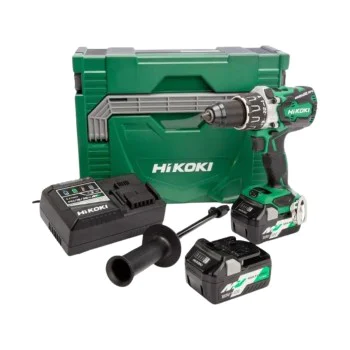
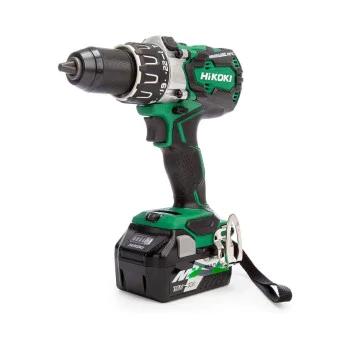
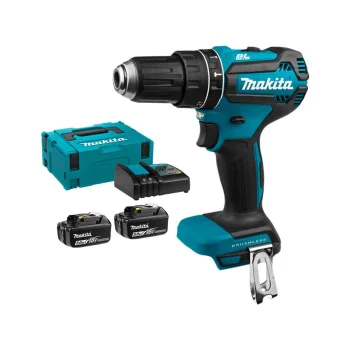
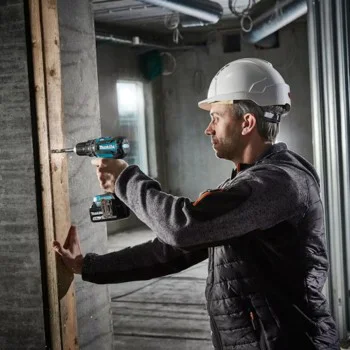
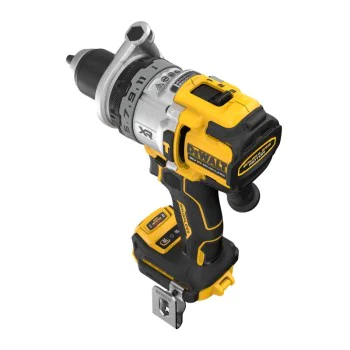
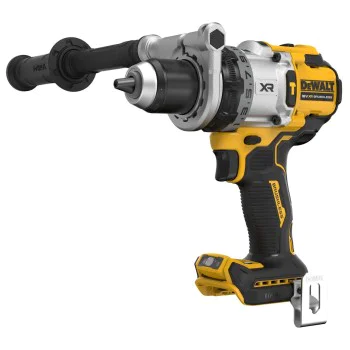
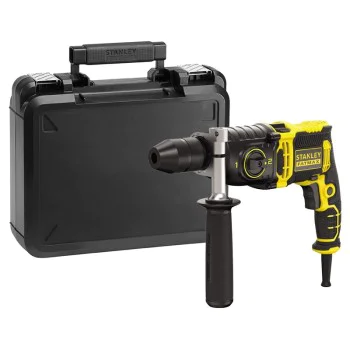
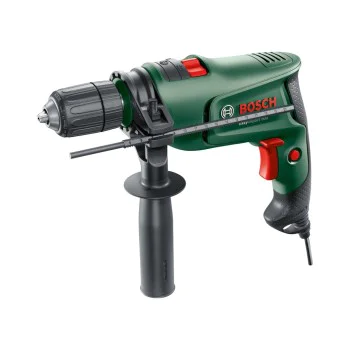
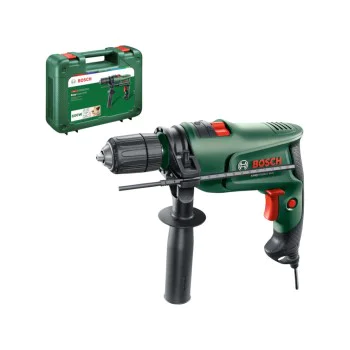
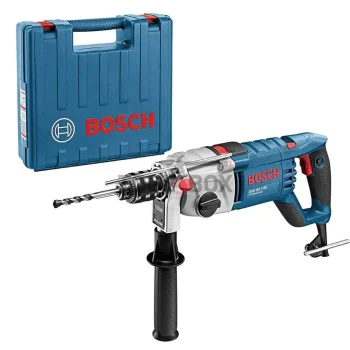
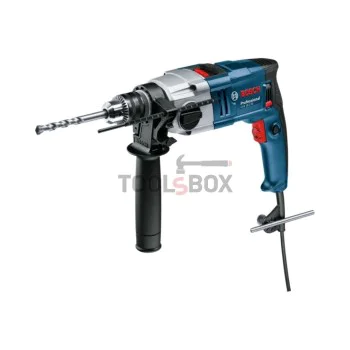
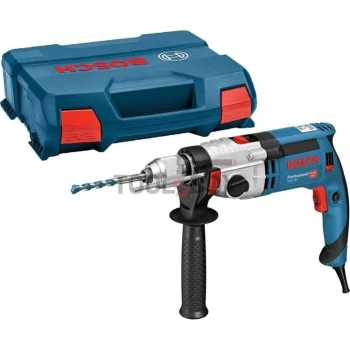
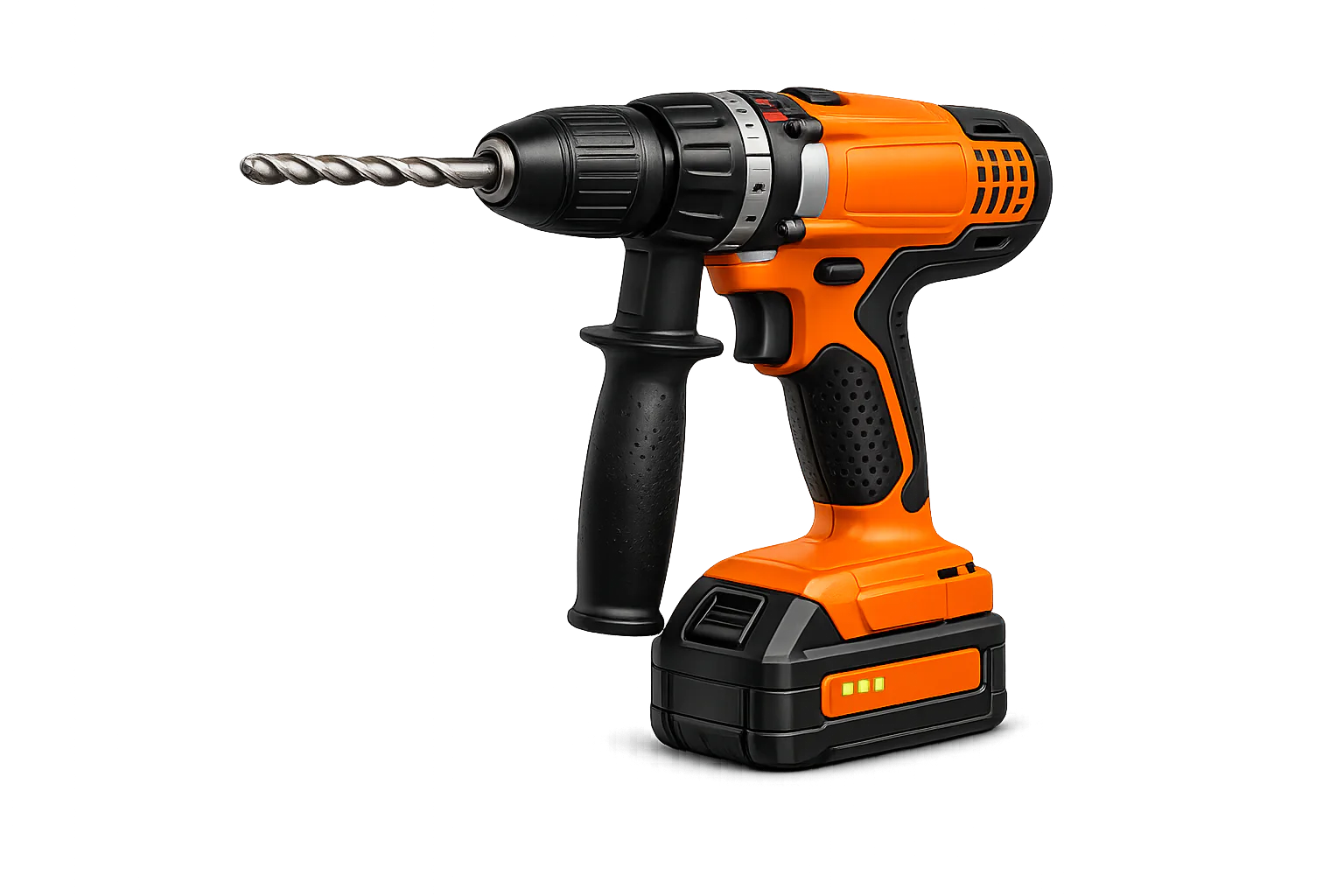
Impact drills
Hammer drills for repair, installation, and construction tasks
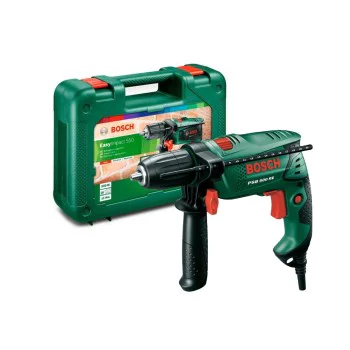
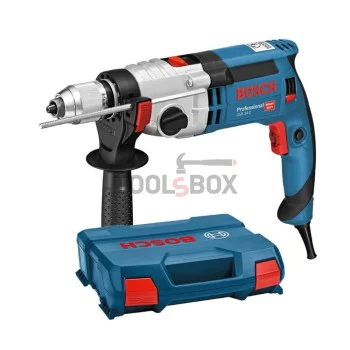
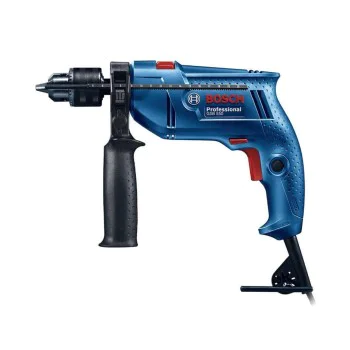
Hammer drills are a practical choice for drilling into masonry, brick, concrete elements, stone, and plaster, and with the hammer function turned off, they can also handle wood, metal, plastic, and other standard materials. They combine a rotary motion with a hammering function that helps the drill bit penetrate hard mineral substrates. This way, a single tool covers a wide range of tasks in repair, installation, finishing work, and workshop equipment.
Unlike a standard drill, the hammer drill model features a mechanism that generates rapid longitudinal pulses to the drill bit. When drilling into brick, aerated concrete, or cement-lime plaster, this saves time and reduces the strain on the operator. When working with metal and wood, the hammer function is turned off to ensure a clean hole and conserve the drill bit. This flexibility makes the hammer drill a valuable tool for craftsmen, installers, technicians, service teams, and demanding DIYers.
When is a hammer drill the right tool?
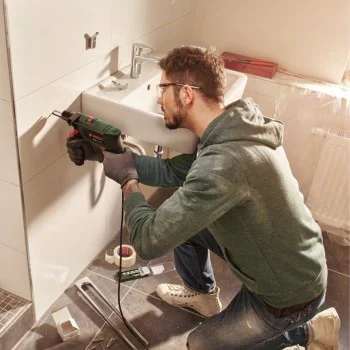
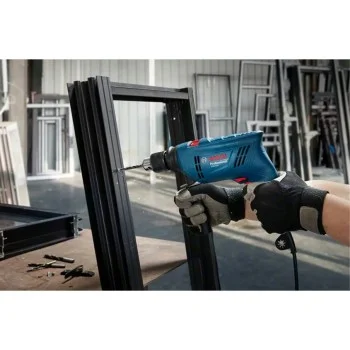
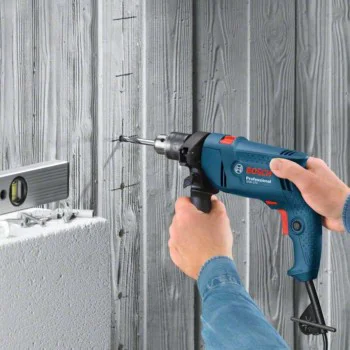
The hammer drill is used for installing anchors, mounting shelves, cornices, cable channels, metal profiles, posts, light fixtures, and wall mounts. It is convenient for drilling anchor holes in brick masonry, drilling through plaster, working on lightweight concrete elements, and creating mounting holes in wooden or metal parts.
For prolonged work in solid concrete, reinforced structures, or large-diameter holes, a hammer drill with an SDS chuck is a more suitable tool. Impact drills are more compact and precise for mixed tasks involving alternating between drilling, screwing, and working in different materials. For installation work in an apartment, garage, workshop, or small construction site, they offer a very good range of capabilities without the need for a separate machine for each operation.
Types of hammer drills and operational differences
Models differ in power source, power, RPM, impact rate, chuck type, number of speeds, and ergonomics. Corded hammer drills run on mains power and are preferred for longer work cycles, home repairs, and construction tasks in a single location. Cordless models offer freedom for installation without close proximity, working at heights, and tasks where a cord gets in the way.
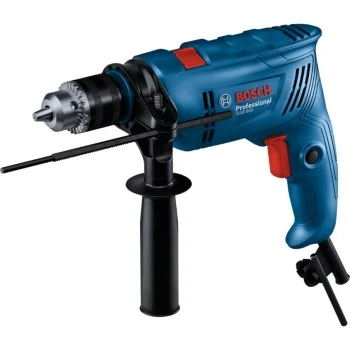
The chuck is a key element for convenience and precision. A keyless chuck speeds up bit changes, while a keyed chuck ensures a tight grip during more demanding operations. 10 mm and 13 mm chucks are common, with the choice depending on the drill bit diameter and the nature of the tasks. Models with reverse facilitate drill bit removal and work with bits, while electronic speed control helps start drilling without slipping.
| Type of hammer drill | Key Features | Applications |
|---|---|---|
| Lightweight corded | Compact body, convenient for quick repairs and installation | Anchors, holes in brick, wood, and thin metal |
| More powerful corded | Higher torque, side handle, stable control | Heavier-duty drilling, masonry, larger diameters |
| Cordless impact drill | Cordless operation, quick setup, good mobility | Installation, maintenance, sites without convenient access to a power outlet |
Criteria for choosing a hammer drill
The right choice starts with the material you'll be drilling into and the diameter of the holes. For light installations in brick and plaster, a compact machine with convenient speed control is sufficient. For denser materials and longer work sessions, it makes sense to look for higher power, a side handle, and a depth stop.
- Power and speed: higher power helps with hard substrates, while speed control is useful for metal, wood, and precision holes.
- Hammer function: required for masonry and mineral materials; for metal and wood, work without the hammer function.
- Chuck: The keyless version is convenient for frequent bit changes; the keyed chuck is preferred for heavier-duty applications.
- Reverse: useful for removing a jammed drill bit and for tightening or loosening fasteners with bits.
- Ergonomics: a rubberized grip, an auxiliary handle, and moderate weight reduce fatigue when working overhead or in tight spaces.
- Power supply: Corded models are suitable for continuous use, while cordless models offer mobility and quick installations.
Drill bits, accessories, and safe operation
A good result depends not only on the machine but also on the consumables. For concrete, brick, and stone, masonry drill bits with a carbide tip are used. For metal, HSS drill bits are required, selected according to the diameter and hardness of the material. For wood, twist, feather, or other specialized drill bits are used depending on the desired hole. The wrong consumable strains the motor, heats up the workpiece, and leads to inaccurate holes.
When drilling into walls, be careful of hidden cables, pipes, and rebar. Wearing safety goggles, gloves, and hearing protection reduces the risk of injury. When working with dusty materials, it is helpful to use a dust collector or clean the hole after drilling to ensure the dowel is securely seated. The drill bit must be tightened securely, and the tool should be held with both hands when working with larger diameters and hard surfaces.
Maintenance includes cleaning the ventilation slots, inspecting the cord or battery, checking the chuck, and storing the tool in a dry environment. Worn drill bits strain the tool and produce poor results, so replacing them in a timely manner protects the machine and improves work accuracy.
Hammer Drills at Toolsbox.bg
At Toolsbox.bg, you can select hammer drills based on the task, power, power source, chuck, and necessary accessories. Browse the options and choose a model for home repairs, on-site installation, service work, or daily workshop use.