
Holders for plastering knife
Putty knife holders for precise control and comfortable use
Putty knife holders are an essential part of the equipment used for applying, spreading, and smoothing putty mixtures, finishing compounds, sealants, and other construction materials. They provide a secure grip on the blade or putty knife, facilitate even pressure on the surface, and increase precision during repairs, finishing work, and professional puttying. The right handle makes the work more controlled, reduces strain on the hand, and allows for a clean finish on walls, ceilings, corners, and wide, flat surfaces.
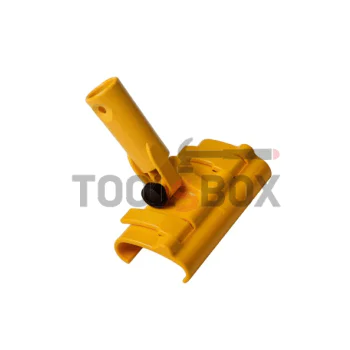
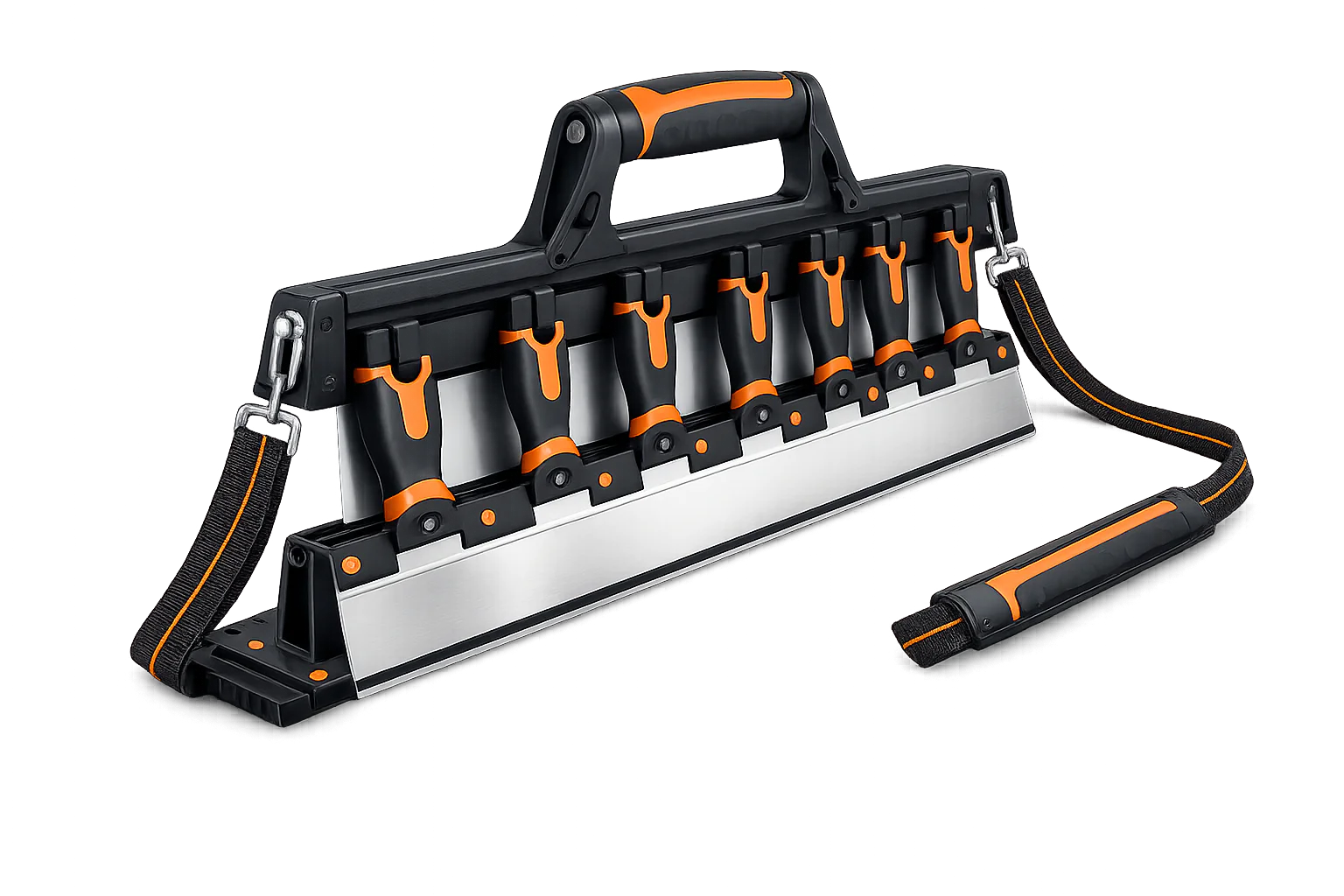
This product group includes holders for various sizes of putty knives, handles for replaceable blades, extensions, and mounting elements for wider putty knives. Some models are designed for fine manual work, while others are developed for larger areas where even distribution of the material and fewer repetitions are desired. Putty knife holders are used by craftsmen, construction crews, painters, drywall installers, and discerning DIYers.
The Role of the Holder in Spackling and Finishing
A good handle is crucial for the stability of the tool. When applying putty, pressure must be applied evenly to the blade, without twisting or unwanted deflection. This allows the mixture to be spread more precisely, and reduces brush marks. Putty knife holders are particularly useful when working with longer blades, where any deviation is visible in the final finish.
When working on large surfaces, the comfortable handle allows for longer work sessions with less fatigue. When renovating homes, offices, or commercial spaces, this saves time and makes it easier to achieve a smooth base for painting, wallpapering, or applying decorative finishes. For spot repairs, the handle provides control over small amounts of material and helps with precise shaping around edges, joints, baseboards, and hard-to-reach areas.
Types and Design Differences
Putty knife holders differ in handle shape, clamping method, blade compatibility, body material, and the ability to use an extension. Some models feature a screw or snap-lock mechanism that keeps the blade stable under pressure. Others use a wider profile to distribute force evenly along the entire length of the knife.
- Hand-held holders-convenient for detailed work, small repairs, and fine finishing.
- Holders for wide blades-suitable for filling large areas and applying finish coats.
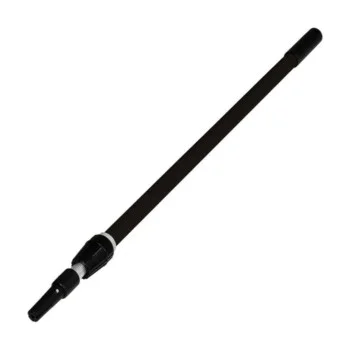
- Handles with an extension option-useful for ceilings and high walls where a ladder slows down the work pace.
- Handles for interchangeable blades-allow for quick replacement of worn-out or differently sized blades.
Materials also affect the feel during use. Plastic bodies are lightweight and comfortable for prolonged tasks. Metal components offer higher mechanical durability in the grip areas. Rubberized or contoured handles provide better control when hands are wet, in dusty conditions, or when working with fine plastering compounds.
How to choose a holder based on the task
When selecting holders for a putty knife, the first consideration is compatibility with the specific knife or blade. The size of the working part must match the width and profile of the grip to prevent play. For replaceable blades, it is helpful to check the type of attachment and whether the blade can be changed quickly without unnecessary disassembly.
For fine joints, repairs around corners, and small areas, shorter handles offer greater maneuverability. For filling large areas of walls and ceilings, longer models and handles for wide blades ensure a smoother line of movement. For frequent professional use, it is advisable to look for a more stable locking mechanism, an ergonomic shape, and a body that withstands pressure, cleaning, and daily transport in a toolbox.
Compatibility with blades, cutting edges, and accessories
Putty knife holders must be compatible with the width, thickness, and profile of the blade. Improper attachment can lead to wobbling, uneven application of the material, or faster wear of the cutting edge. For systems with interchangeable components, it is practical to keep spare blades, screws, fasteners, or adapters on hand when the manufacturer offers them separately.
For working at height, models that allow attachment to a telescopic handle are used. This allows access to ceilings and upper wall areas with better control and without frequent repositioning. For such tasks, the holder must remain stable on the extension pole, and the handle must not allow twisting under lateral pressure.
Maintenance, Safety, and Long Service Life
After use, the holder must be cleaned of any remaining putty, dust, and moisture. Dried material around the fastening elements makes it difficult to change the blade and can compromise the grip's accuracy. Washing immediately after completing the task and drying the metal parts extends the tool's service life and maintains the smooth operation of the mechanisms.
When installing a blade, it must be inserted all the way into the chuck and rest evenly across the entire contact area. The cutting edges and thin working edges must be protected from impact, bending, and dropping onto hard surfaces. For safe operation, we recommend wearing work gloves, maintaining a stable body posture, and moving carefully when changing blades.
Choose the right holder for your putty tools
Putty knife holders are a small but important part of the finishing tools kit. They affect the comfort, precision, and final appearance of the finished surface. At Toolsbox.bg, you can explore options for various putty knives, hand tools, and accessories to select a solution based on the size of the task, blade type, and your preferred working method.