
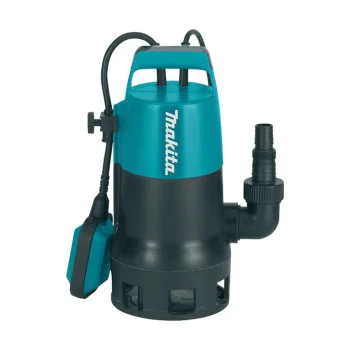
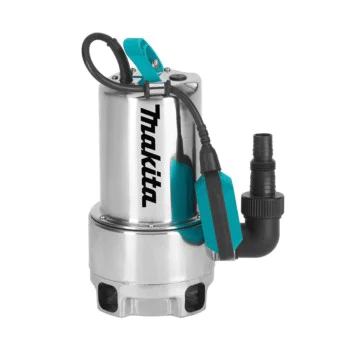
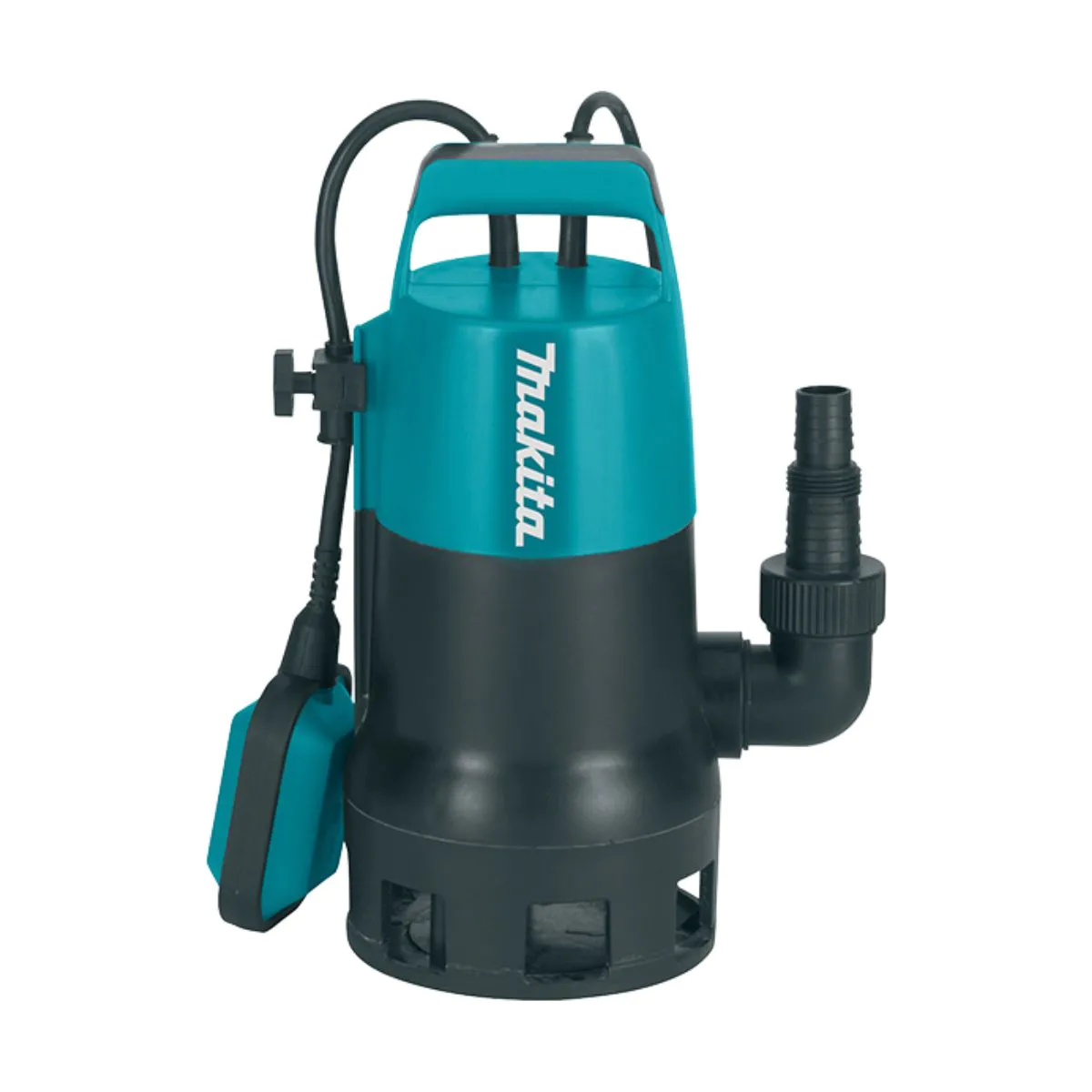
Submersible pump for dirty water
Submersible dirty water pump - a practical choice for drainage and dewatering
A submersible dirty water pump is a solution for pumping contaminated water from basements, manholes, trenches, drainage channels, tanks, and yard areas. It operates submerged in water and discharges the liquid through a hose or pipe line, making it convenient for emergency situations, repairs, construction, and property maintenance. This section features models for household tasks and for more intensive professional use, with varying flow rates, head, power, and permissible particle size.
Unlike standard clean water pumps, these units are designed for liquids containing sand, mud, leaves, and other small impurities. Their construction is geared toward durability in contaminated environments, and the impeller, housing, and inlet vary depending on the specific model's intended use. Therefore, when purchasing, it is helpful to consider not only the wattage and price, but also the actual task, depth, discharge head, and type of contamination.
Where is a submersible dirty water pump used?
A submersible dirty water pump is needed for drainage after heavy rain, flooding, or a plumbing system failure. It is used in private homes, garages, utility rooms, farmyards, construction sites, and workshops. During construction, the pump removes water from excavations and pits, and for property maintenance, it facilitates the emptying of pools, cisterns, septic areas without fecal contamination, or sediment collection tanks.
Different models handle varying degrees of contamination. A submersible dirty water pump for home use is suitable for seasonal drainage and occasional emergencies, while more powerful units are designed for larger water volumes and prolonged operation. When selecting a pump for construction or maintenance, it is advisable to look for a more durable housing, higher flow rate, and clear specifications regarding the permissible particle size.
| Task | Desired features |
|---|---|
| Flooded basement or garage | Good flow rate, float switch, stable base, convenient hose outlet |
| Shafts, excavations, and construction sites | Higher power, robust housing, larger permissible particle size |
| Tanks, wells, and yards | Compatible hose, sufficient pressure, dry-run protection if available |
| Muddy water with sand and leaves | Wide inlet, impeller for dirty water, easy to clean |
How to Choose a Submersible Dirty Water Pump
Selection starts with the type of water and the distance it will be pumped. Not every dirty water pump is designed for sewage, thick sludge, or liquids containing aggressive chemicals. For such environments, specialized machines with different designs are required. For standard drainage of basements, shafts, and yards, the main parameters are flow rate, head, power, outlet diameter, and maximum particle size.
- Flow rate - indicates how much water the pump moves per unit of time. A higher flow rate is useful for large volumes of water.
- Head - the height to which the pump discharges the water. Deeper shafts and longer hoses require a higher head.
- Maximum particle size-this parameter is crucial for mud, sand, leaves, and small debris.
- Housing and impeller-plastic housings are lightweight and convenient for household tasks, while metal versions are more durable for heavy-duty work.
- Float switch-turns the pump on and off based on the water level, reducing the risk of dry running.
- Hose compatibility-check the outlet diameter against thehose, connectors, and existing piping.
A submersible dirty water pump with a float switch is practical for sumps and areas where water accumulates periodically. With manual control, the operator monitors the level and stops the unit in time. For areas with limited access, compact dimensions are an advantage, while for continuous pumping, motor cooling, the cable, seals, and stable placement on the bottom are important.
Differences Between Drainage and Sewage Pumps
Many customers look for a submersible dirty water pump for any type of wastewater, but drainage and sewage models serve different purposes. Drainage pumps handle contaminated water containing small solids, mud, and sand. Sewage pumps are a different class of equipment and are selected for sewage, thicker waste, or systems where a cutting function is required. Proper differentiation protects the motor, hoses, and impeller from clogging and premature wear.
Installation, Safety, and Maintenance
Before starting, place the pump on a stable base so that the inlet does not suck in large stones, rags, or hard objects larger than the permissible size. The hose must be securely fastened, without kinks or severe constrictions, as this reduces flow and strains the motor. The electrical supply must be protected from moisture, and extension cords must have a cross-section sufficient for the machine's power rating.
After working with muddy or sandy water, it is advisable to rinse the housing and inlet with clean water. Regular cleaning reduces sediment buildup and maintains the normal operation of the impeller. When storing the pump over the winter, keep it dry and protected from freezing and mechanical impact. These simple care steps extend the service life and ensure stable operation when the pump is next turned on.
Models for home, construction, and service
At Toolsbox.bg, you'll find submersible dirty water pumps for various tasks-from emergency basement drainage to work on a construction site. Select a model based on flow rate, head, maximum particle size, housing, float switch, and hose compatibility. This way, you get a pump that meets the actual working conditions and makes it easier to maintain your home, yard, workshop, or job site.