
Diamond Borcorona
Diamond core bit for clean and precise drilling in hard materials
A diamond core bit is used to create round holes in hard construction and cladding materials where standard drill bits wear out quickly or leave a rough edge. It is the preferred choice for installing plumbing fixtures, electrical wiring, heating pipes, anchors, ventilation components, and fasteners. The diamond cutting edge cuts through abrasive action and ensures controlled drilling in tiles, porcelain tiles, stone, concrete, brick, and other dense surfaces.
Within the core bit category, these models feature a diamond coating or diamond segments positioned along the front of the tool. The hole is formed with light pressure, consistent speed, and a properly selected diameter. This reduces the risk of cracking glazed tiles, chipping edges, or overheating the work area.
Applications in repair, construction, and installation
Diamond core bits are used by installers, construction crews, service technicians, and discerning DIYers. For ceramic, terracotta, and porcelain tile surfaces, they allow for cutting holes for faucets, drains, pipe outlets, and electrical boxes. For concrete and masonry, models with a more aggressive cutting edge and a secure grip on the machine are preferred. For natural stone, marble, and granite, a core bit with a uniform cutting edge and good cooling is required, as the material is dense and sensitive to localized heating.
Dry drilling is performed without water, which is convenient for finishing work and installation in already completed rooms. In wet drilling, water cools the diamond layer, removes the slurry, and extends the tool's life. The choice between dry and wet modes depends on the material, the machine, the diameter, and the working conditions.
Types of diamond core bits based on design
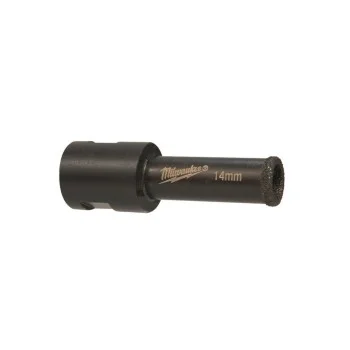
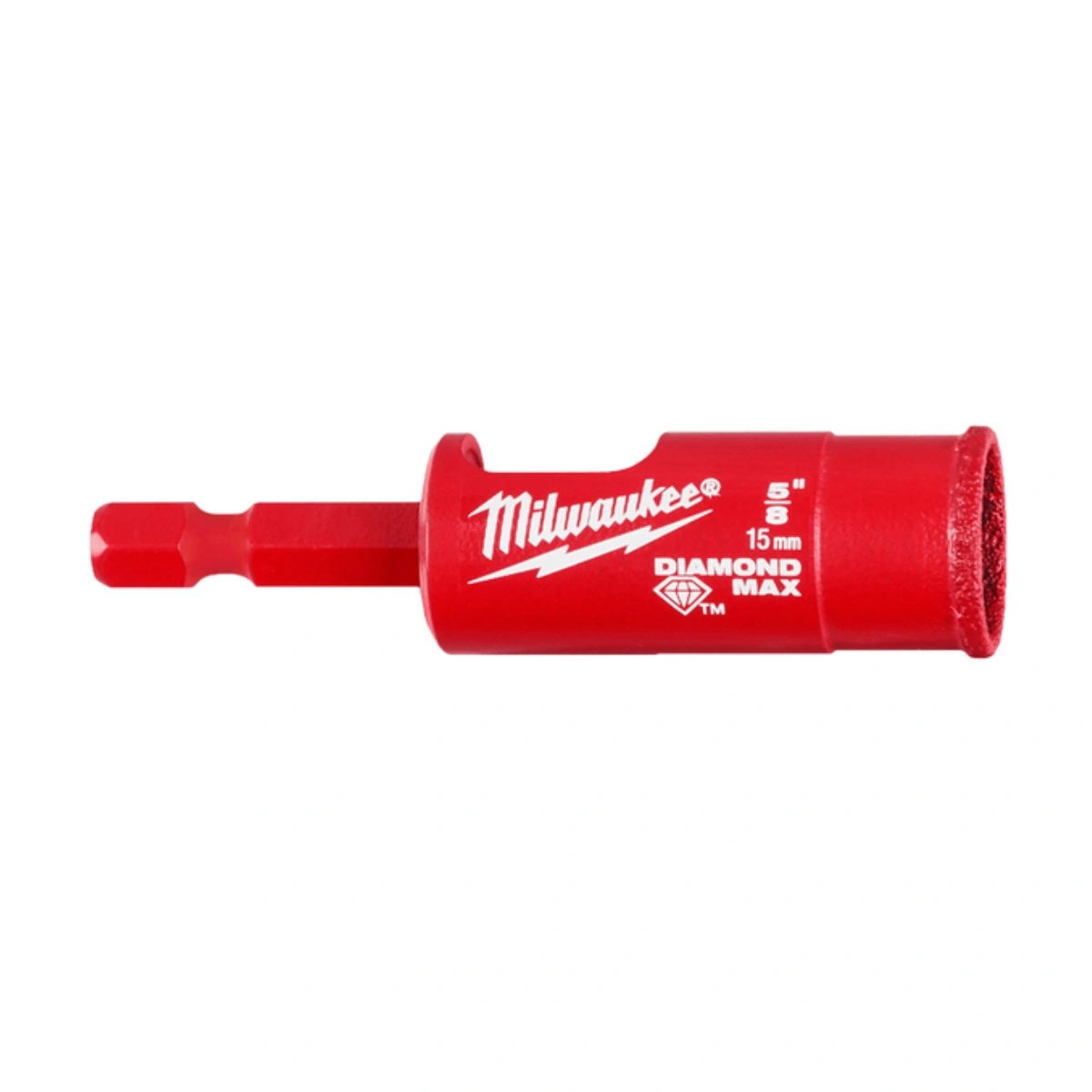
For hard-glazed facing materials, core bits with a continuous or fine diamond edge are preferred, as they leave a smoother edge. For concrete, brick, and stone, segmented variants are more commonly used, where the individual working segments remove dust and maintain a good drilling speed. Vacuum-brazed models are suitable for dry work and drilling into porcelain tiles, ceramics, and composite surfaces.
The machine mount also varies. Core bits with an M14 thread are mounted on an angle grinder and are practical for making quick holes in tiles and stone. Models with a hexagonal or cylindrical shank are used with a drill or cordless screwdriver when the diameter and material allow it. For core drilling in concrete and larger holes, core bits with attachments for specialized machines are available, including 1/2" or 1 1/4" UNC threads depending on the system.
Selection based on diameter, depth, and material
Diameter is the primary parameter when selecting a diamond core bit. Small sizes are used for anchors, fasteners, cables, and pipe outlets with a small cutting diameter. Medium diameters are in demand for plumbing and electrical installation work. Large diameters are selected for openings for ducts, ventilation, access panels, and pipes with larger outer diameters.
The drilling depth must correspond to the material thickness and the task at hand. For tiles, a short core bit is often sufficient, as the hole passes through the facing. For masonry and concrete, a deeper cutting edge and a sturdy body are required. For reinforced concrete, it is advisable to use a machine and drill bit designed for heavy-duty use, as the metal reinforcement puts stress on the diamond segment.
- For porcelain tiles and ceramics: look for a smooth cutting edge, proper RPM, and a careful start at a slight angle.
- For concrete and brick: pay attention to the segments, depth, and attachment to the machine.
- For stone and granite: cooling and even pressure protect the edge and the surface.
- For electrical installations: the diameter must be compatible with junction boxes, pipes, and conduits.
Machine compatibility and operating mode
Before purchasing, check the core bit's attachment compatibility with the machine you will be using. The angle grinder provides high RPMs and is convenient for dry drilling in tiles, but requires a steady hand and good dust protection. The drill operates at lower RPMs and is practical for smaller diameters. Core drilling machines are designed for larger holes, deep drilling, and work in concrete or stone.
The rotation speed is selected according to the diameter and material. Smaller core bits operate at higher speeds, while larger ones require a lower speed and gentle pressure. Excessive pressure does not speed up the work; it raises the temperature, wears down the diamond layer, and strains the machine's motor. In wet mode, water must reach the cutting area without compromising electrical safety.
Operation, Safety, and Maintenance
When drilling, wear safety goggles, gloves, and a dust mask. The workpiece or tile must be stable, and the machine should be held with both hands for larger diameters. On smooth surfaces, start the hole carefully to prevent the core bit from slipping. A guide or template helps ensure precise positioning, especially with expensive tiles.
After use, clean the diamond core bit of dust, slurry, and material residue. An overheated or clogged segment cuts more slowly, so periodic cleaning and proper use extend its service life. Store core bits in a dry place, separate from heavy metal tools, to protect the cutting edge from impact and deformation.
Selecting a Diamond Core Bit at Toolsbox.bg
Select a diamond core bit based on the material, diameter, hole depth, shank type, and drilling mode. At Toolsbox.bg, you'll find solutions for installation work, home repairs, workshop projects, and professional construction work. Compare the specifications of the different models and choose a core bit that matches your machine and the specific task.