
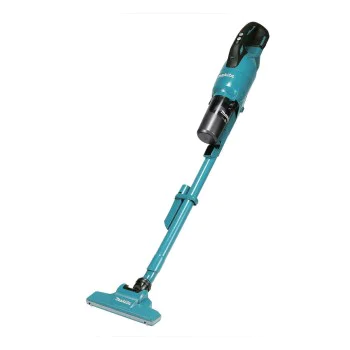
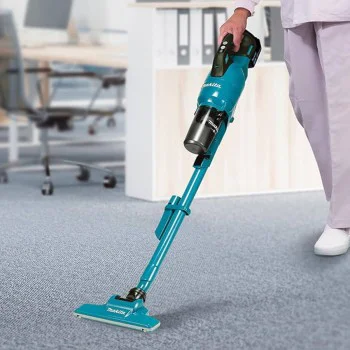
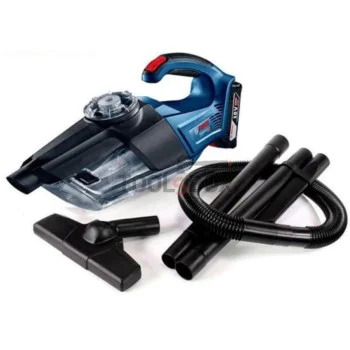
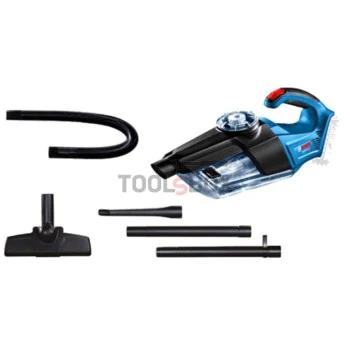
Cordless Vacuum Cleaners
Cordless Vacuum Cleaners for Cord-Free Cleaning
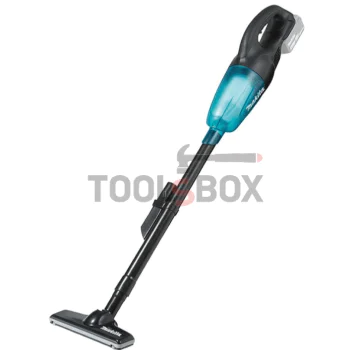
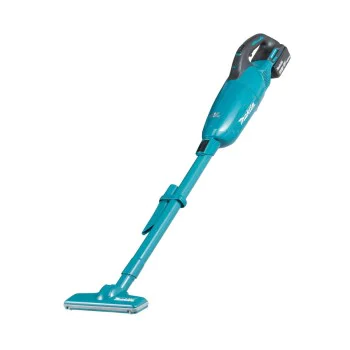
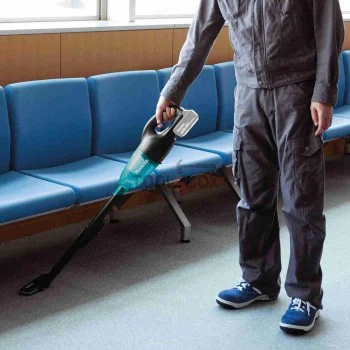
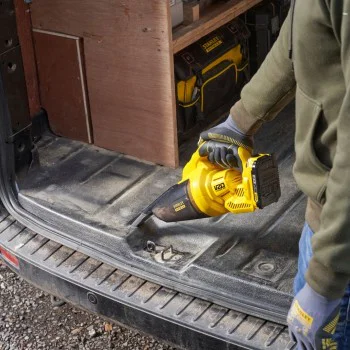
Cordless vacuum cleaners are a practical choice for cleaning in areas without convenient access to an electrical outlet, such as in a car, workshop, garage, warehouse, construction site, or around the home. Battery operation provides freedom of movement, easier portability, and quick response to dust, shavings, small debris, and residue from drilling, sanding, or assembly. Such devices are useful for both professional teams and demanding home users who want their tools and work area to remain clean after every task.
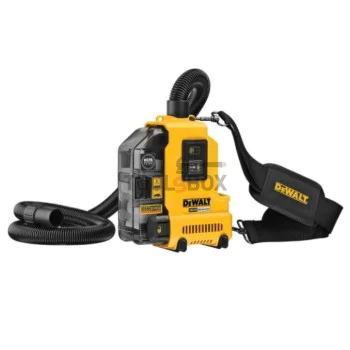
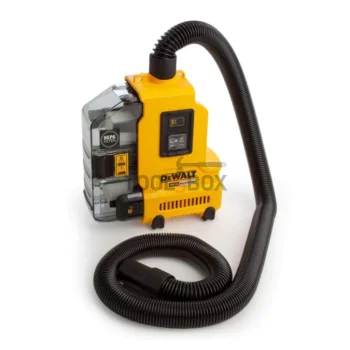
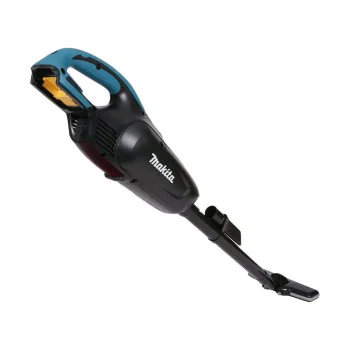
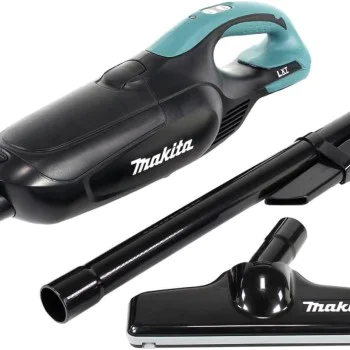
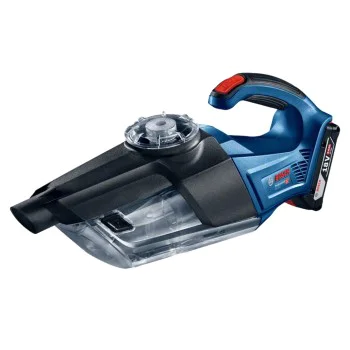
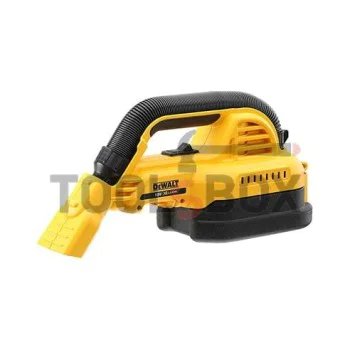
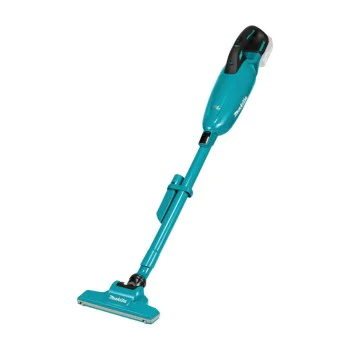
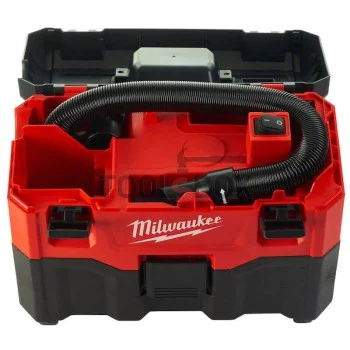
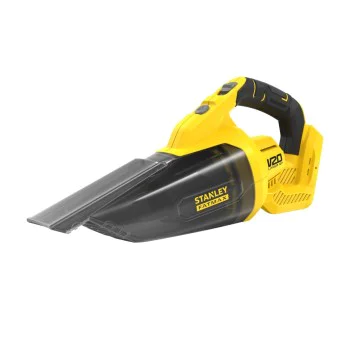
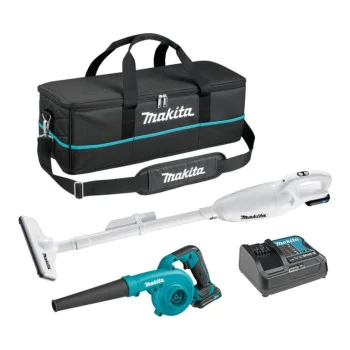
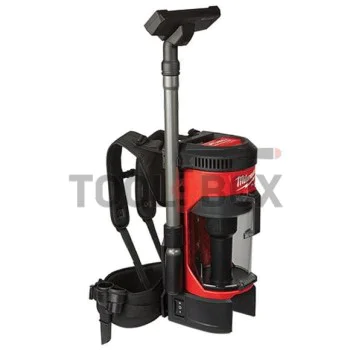
Cordless vacuum cleaners vary in design, suction power, container capacity, filtration type, battery platform compatibility, and accessory set. Compact handheld models are convenient for cars and tight spaces, while larger models with a dustbin are used for service work, repairs, installation, and maintenance. Some units are designed for dry debris, while others can handle wet debris as well, provided this is specified in the model's specifications.
Where Cordless Vacuum Cleaners Are Used
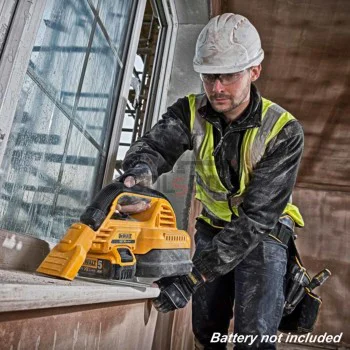
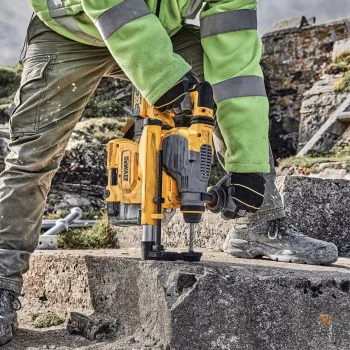
When assembling furniture, hanging shelves, drilling into masonry, or working with wood, small particles quickly accumulate around the work area. Cordless vacuum cleaners allow for immediate cleanup after the task is completed, without having to unplug cables or search for a free outlet. In service shops and workshops, they handle metal shavings, wood particles, sanding dust, and small debris around the workbench.
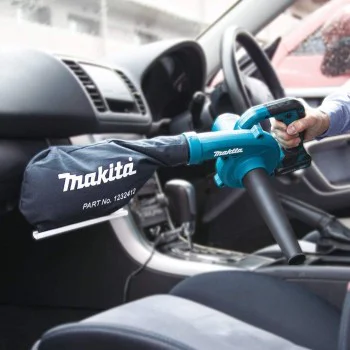
In the car, handheld models reach under seats, around the trunk, floor mats, and hard-to-reach crevices. For construction and renovation work, more durable housings, a larger waste container, and a filter designed for fine particles are required. For garden and yard maintenance, such devices are convenient for cleaning sheds, machinery, carts, tool cabinets, and utility rooms.
| Device Type | Work area | Practical use |
|---|---|---|
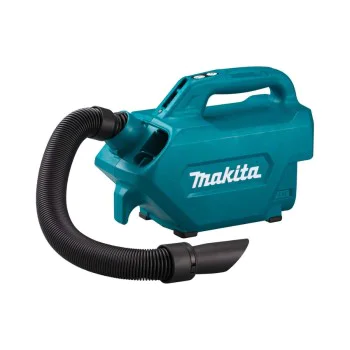
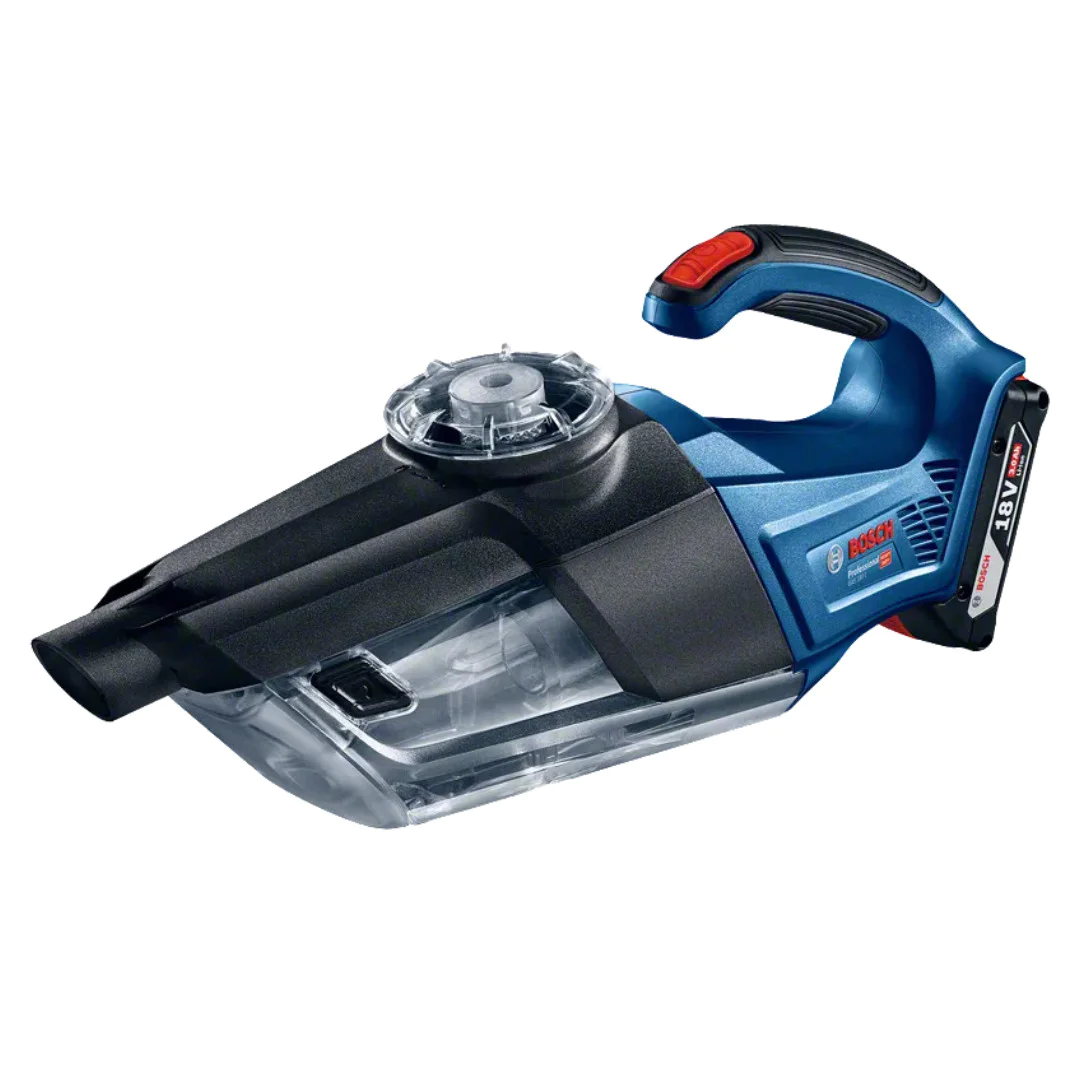
| Handheld cordless vacuum cleaner | Car, furniture, tight spaces | Lightweight, compact, and easy to carry |
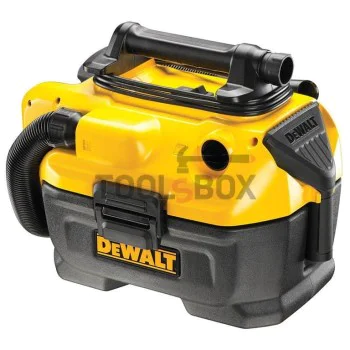
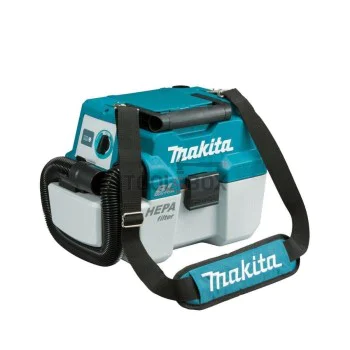
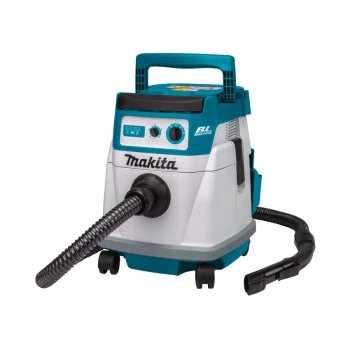
| Model with dust container | Workshop, garage, service station | Larger waste capacity and reliable performance for longer tasks |
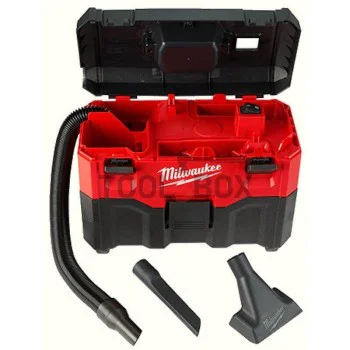
| Model for wet and dry cleaning | Repair, maintenance, utility rooms | Handles various types of dirt based on the device's specifications |
| Battery-powered device | Professional use and home workshop | Compatibility with batteries from the same tool series |
Purchase criteria
Power supply, battery, and runtime
When choosing cordless vacuum cleaners, check the battery type, voltage, capacity, and charger. Tools from a single battery system often use the same batteries as screwdrivers, drills, grinders, and other power tools from the same series. This simplifies organization in the workshop and reduces the need for different chargers. For short tasks, a more compact tool is sufficient, while for extended use, battery capacity and the ability to quickly swap batteries are important.
Suction power and capacity
Suction power determines how effectively the tool picks up dust, sand, shavings, and small debris. For fine construction particles, a good filter and a steady airflow are needed, while for larger debris, the diameter of the hose or nozzle is important. The container's capacity affects how often it needs to be emptied. A small container is convenient for carrying and transporting in a car, while a larger container is practical for renovations and workshop use.
Filtration and Maintenance
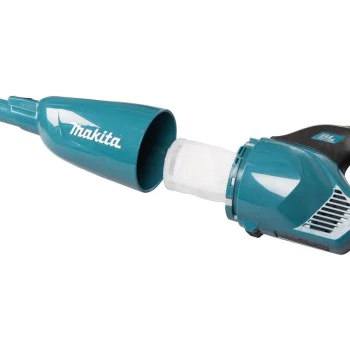
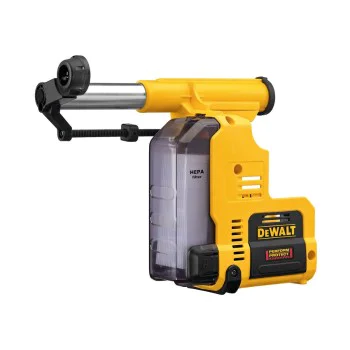
The filter protects the motor and traps dust particles in the container. When working with wood, drywall, concrete, or fine dry debris, look for a model with a filter that is easy to clean and can be replaced when worn out. HEPA or multi-layer filtration is found in some models and is valuable for finer dust. Regularly emptying the dustbin, cleaning the filter, and inspecting the seals maintain consistent suction power and reduce strain on the motor.
Accessories and Compatibility
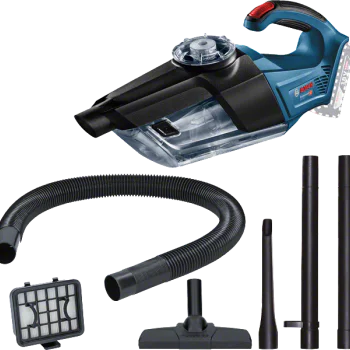
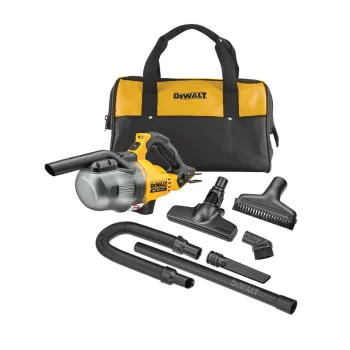
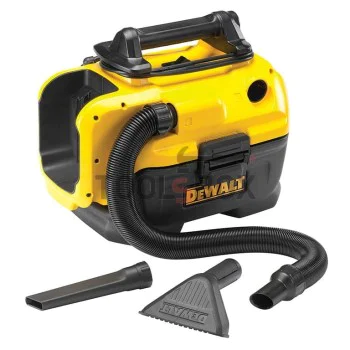
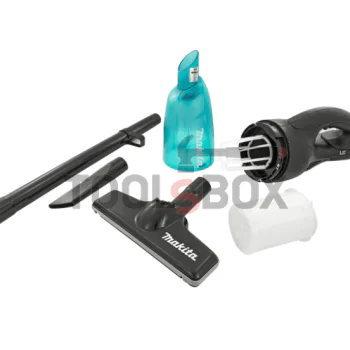
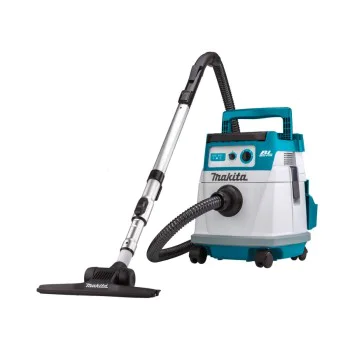
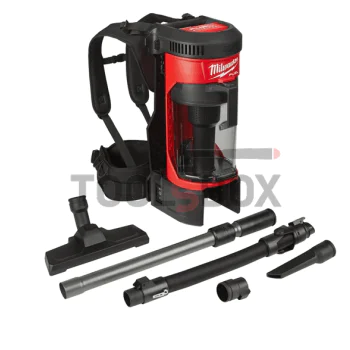
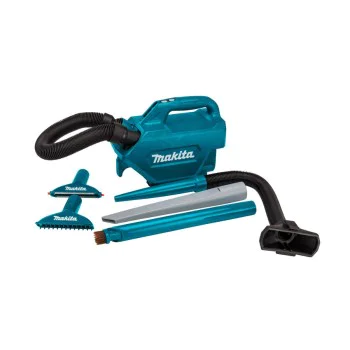
Cordless vacuum cleaners often come with or can be combined with various attachments: a narrow crevice tool, an upholstery brush, an extension tube, a hose, a floor nozzle, and an adapter for connecting to a power tool. These attachments change how the vacuum operates and make it more versatile for cleaning cars, cabinets, shelves, machinery, floor areas, and corners. When purchasing, check the hose diameter, the attachment method, and compatibility with your existing batteries or chargers.
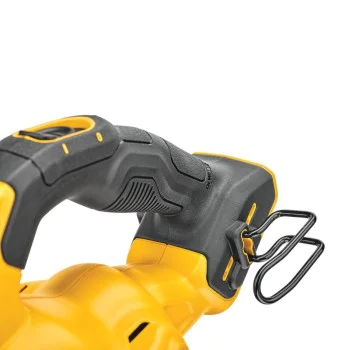
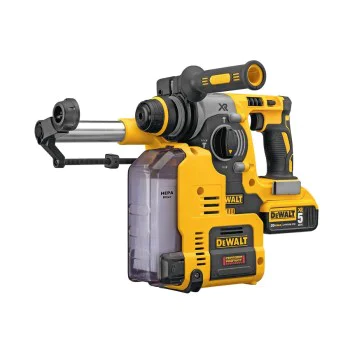
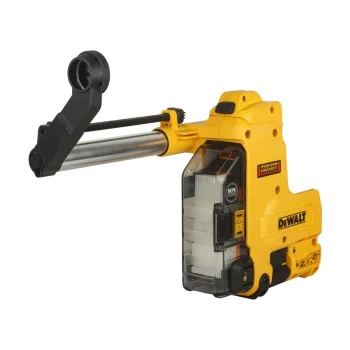
For a workshop where circular saws, grinders, or drill presses are used, the connection between the vacuum cleaner and the power tool is a major convenience. It limits the spread of dust around the work area and makes cleanup easier. For lighter tasks around the house, the focus is on low weight, easy emptying, a comfortable handle, and compact storage.
Safe and Long-Lasting Operation
When dealing with fine construction dust, use personal protective equipment and ensure the filter does not become clogged. Hot ash, flammable liquids, and sharp debris are not suitable for a standard cordless vacuum cleaner unless the technical specifications explicitly permit it. When wet cleaning, use only a device designed for this mode. Proper battery care, storage in a dry place, and regular inspection of hoses, seals, and nozzles extend the device's service life.
Browse the cordless vacuum cleaners available at Toolsbox.bg and select a model based on your work environment, battery system, dustbin capacity, required attachments, and the type of debris you'll be dealing with.