
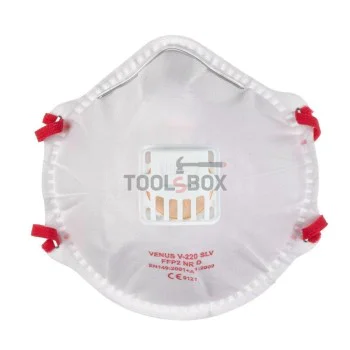
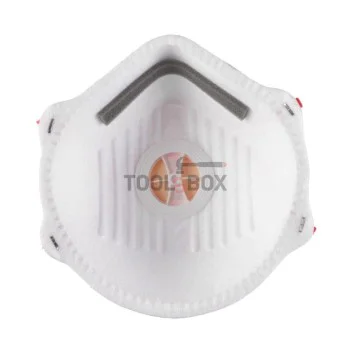
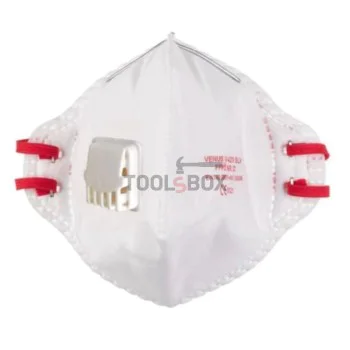
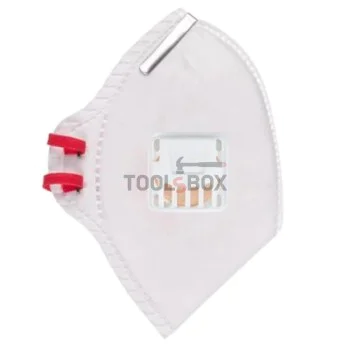
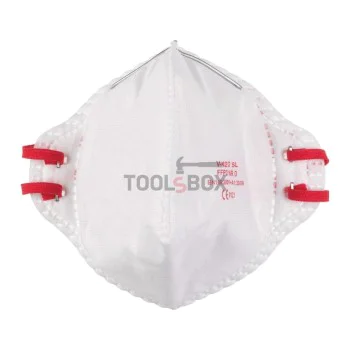
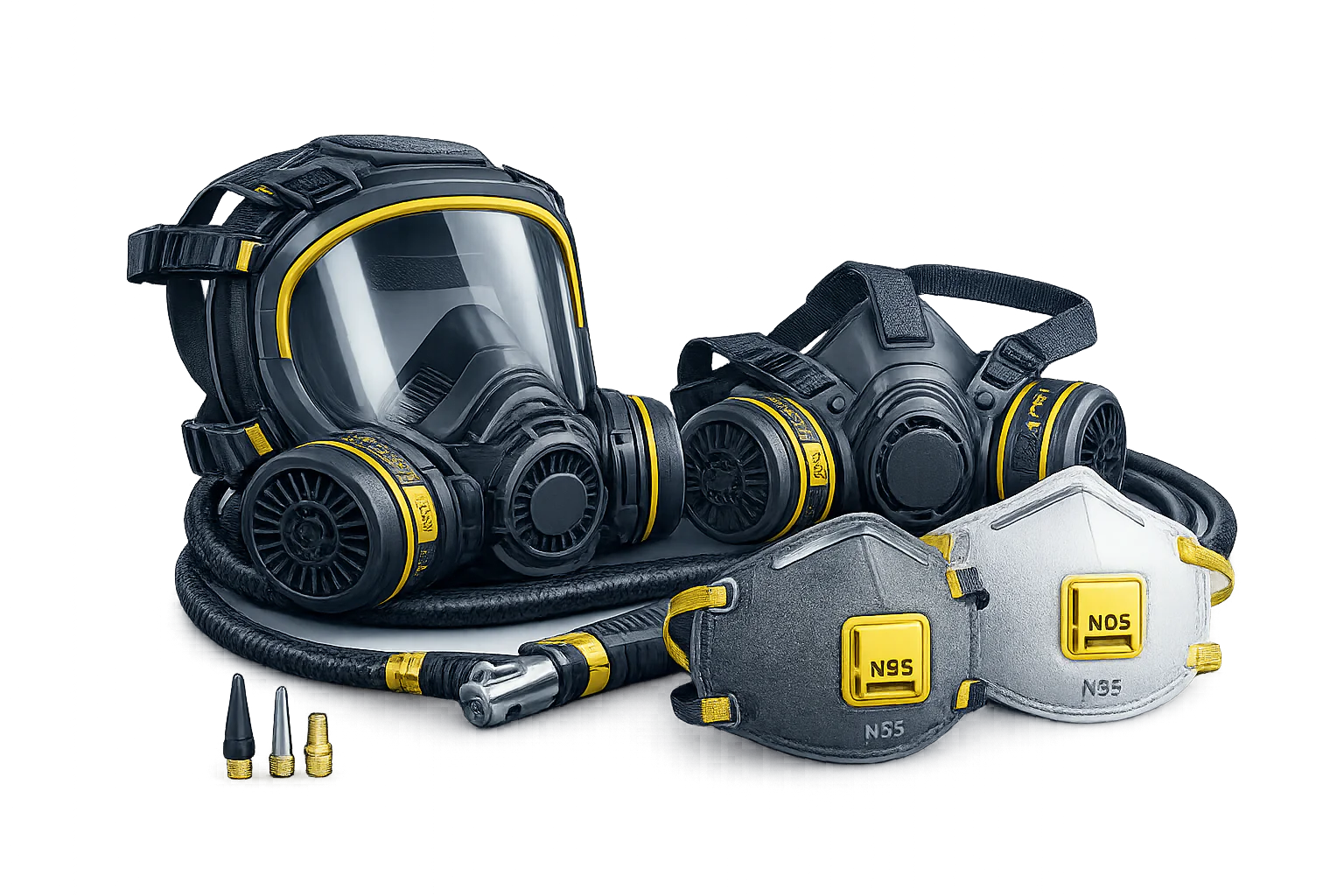
Protective masks
Respirators for protection against dust, aerosols, and volatile contaminants
Respirators are part of personal protective equipment used in construction, repair, installation, sanding, painting, cleaning, workshop work, and maintenance activities. They limit the inhalation of dust particles, fine shavings, aerosols, unpleasant odors, and other contaminants released during material processing or when working with machines and tools. A properly selected mask improves comfort during prolonged work and helps you perform tasks more calmly in dusty environments.
Toolsbox.bg offers a selection of models for various work demands-from light tasks around the home and garage to professional use in construction, woodworking, metalworking, painting, and finishing work. Respirators differ in design, filter element, shape, fastening method, presence of a valve, fit to the face, and compatibility with other protective equipment.
Types of Respirators and Their Purpose
When selecting a mask, it is helpful to distinguish between disposable masks, half-masks with replaceable filters, and full-face solutions for more intensive work. Each type has its place depending on the level of contamination, the duration of the task, and the required comfort.
| Type | Work Task | Key Features |
|---|---|---|
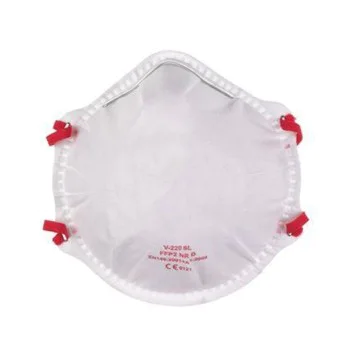
| Disposable respirators | Dust, dry sanding, cleaning, short repair tasks | Lightweight, compact, convenient to carry in a toolbox |
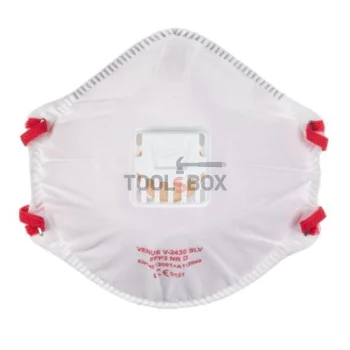
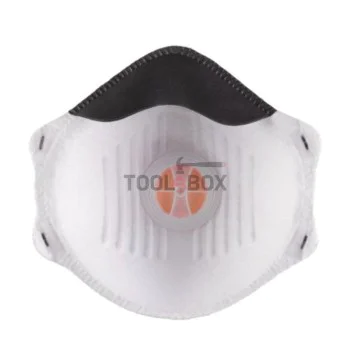
| Valve masks | Suitable for longer periods of use and higher temperatures | The valve helps expel exhaled air and reduces fogging |
| Half-masks with filters | Painting, gluing, working with dust and odors depending on the filter type | Allow for replacement of filter elements and a better fit |
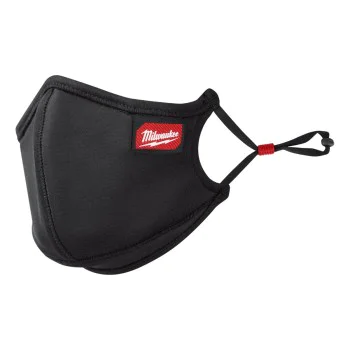
| Masks with adjustable straps | Prolonged work in a service center, warehouse, workshop, or job site | A more precise fit for different face shapes |
When to use respiratory protection
Respiratory masks are required when working with wood, concrete, brick, drywall, metal, insulation, construction mixtures, and paint and varnish materials. When cutting, drilling, sanding, and chiseling, fine particles are released into the air that can easily reach the respiratory tract. When applying paints, primers, adhesives, or cleaning agents, aerosols and odors are released, making the right filter crucial.
For home use, lightweight masks are often sought after for cleaning, minor repairs, and work in the garage or garden. For professional teams, models with a more secure seal, adjustable straps, and replaceable filters are more convenient. When working with power tools, grinders, jackhammers, circular saws, hammer drills, and other machinery, respiratory protection should be combined with safety glasses, a hard hat, gloves, and work clothing.
How to Choose Respirators Based on the Task
Selection starts with the type of contamination. For dry dust and mechanical particles, look for dust-filtering masks. When working with aerosols, vapors, and odors, use solutions with filters tailored to the specific environment and the manufacturer's specifications. The markings on the packaging, the filtration class, and the instructions for use provide guidance on suitable tasks.
- Filtration level: Check the markings and description of the filter regarding dust, particles, aerosols, or odors.
- Face fit: The mask works best when it covers the nose and mouth tightly, with no visible gaps around the edges.
- Wearing comfort: A soft nose clip, elastic straps, and low weight are valuable during long shifts.
- Exhalation valve: This is convenient when working in a hot environment or during more intense physical activity.
- Compatibility: The mask should fit with glasses, ear muffs, a helmet, or a face shield without displacing the protective equipment.
Size, shape, and materials
Different protective masks come in cup-shaped, foldable, or anatomical designs. Cup-shaped models provide space in front of the mouth and nose, while foldable ones take up little space and are easy to carry. For half-masks, the material of the face seal, the stability of the straps, and the ease of filter replacement are important. Soft contact zones reduce pressure on the skin, and the nose clip helps ensure a more precise fit and less fogging of safety glasses.
Single-use or reusable
Disposable respirators are convenient for short-term activities where contamination is not constant, and the mask is replaced after becoming contaminated or damp. Reusable solutions are preferred for regular work because the frame remains the same, and the filters are replaced according to wear and instructions. This ensures good protection and more consistent comfort during daily tasks.
Use, Storage, and Maintenance
To maintain its function, the mask should be placed on a clean face and adjusted before starting work. The straps should be adjusted to ensure a secure fit without excessive pressure. If you experience difficulty breathing, a compromised seal, a strong odor through the filter, or visible contamination, the mask or filter element must be replaced.
Store masks in a clean container, away from dust, moisture, solvents, and direct sunlight. Half-masks should be cleaned according to the manufacturer's instructions, and filters should not be washed if they are designated for dry filtration. Good hygiene extends the life of the equipment and ensures a better fit for future use.
Safety masks for professional and home use from Toolsbox.bg
Safety masks are a small but very useful piece of equipment for repair, construction, maintenance, and workshop work. When chosen correctly, they complement other protective gear and create safer conditions when working with dust, particles, and aerosols. Browse the selection at Toolsbox.bg and choose a mask based on the task, duration of work, and required compatibility with your tools and protective clothing.