
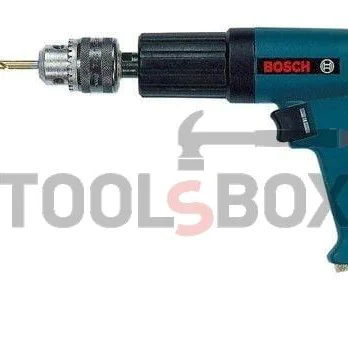
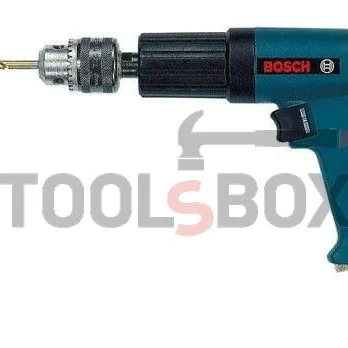
Pneumatic drill
Pneumatic drill for precision drilling with compressed air
A pneumatic drill is a practical tool for drilling in workshops, service centers, production areas, installation crews, and repair operations where a compressor system is already in place. It operates on compressed air and features a compact body, low weight, and good maneuverability during prolonged use. This type of pneumatic tool is valued for operations requiring consistent speed, pressure control, and ease of use in tight spaces.
A well-chosen pneumatic drill helps with drilling metal, plastic, wood, composite materials, and various fasteners depending on the drill bit and operating mode. The tool is particularly useful in environments where electrical cables are in the way or where pneumatic equipment is already part of the workflow. With proper air supply and well-prepared consumables, the tool maintains consistent performance and precise control over the drilling process.
Where is a pneumatic drill used?
Pneumatic drills are valued in auto repair shops, metal workshops, furniture manufacturing, assembly lines, and repair shops. When working on metal parts, they allow for the consistent drilling of holes for bolts, rivets, fasteners, and structural joints. In woodworking and assembly, they are used for holes in panels, profiles, and structural elements when a lightweight machine with a comfortable grip is required.
In service settings, pneumatic equipment holds a strong position, as the compressor often powers impact wrenches, grinders, blow guns, and other tools. Thus, a pneumatic drill fits naturally into the existing equipment and does not strain the electrical grid. For tasks involving many repetitive holes, the operator appreciates the smooth operation, easy trigger control, and good speed control.
Types and Design Features
Models differ in body shape, chuck type, speed, air consumption, operating pressure, and rotation direction. Straight machines are convenient for front access and for working on a table or bench. Angled versions are used in confined spaces, around frames, body panels, cabinets, profiles, and assemblies. Reversible models facilitate drill bit removal and work with certain types of attachments.
The chuck is an essential part of the machine. There are variants with a keyed chuck for secure tightening and a quick-release chuck for faster drill bit changes. The size of the chuck determines the range of accessories that can be mounted. For finer holes, a machine with higher RPM and a lightweight body is suitable, while for larger diameters, a more robust torque and secure clamping are required.
| Machine Type | Practical use | What to consider |
|---|---|---|
| Straight-shank pneumatic drill | Drilling into accessible surfaces, workbench work, mounting holes | Grip comfort, weight, chuck size |
| Angle pneumatic drill | Holes in tight spaces, around profiles, frames, and inside corners | Head length, access to the work area, RPM |
| Reversible model | Installation operations and freeing a jammed drill bit | Direction control, trigger control, compatible bits |
Criteria for selecting a pneumatic drill
When selecting a pneumatic drill, the tasks, materials, and available air system are the key factors. The working pressure must match the specifications of the compressor and hoses. Air consumption is directly related to the consistency of operation: a weak compressor can lead to a drop in RPM, uneven drilling, and slower performance. For a busy workshop or production site, it is advisable to select the machine based on the cycle time and the number of holes to be drilled.
RPM is important for the quality of the hole. Higher RPM is suitable for smaller diameters and softer materials, while lower RPM with more torque is preferred for larger drill bits and harder workpieces. Ergonomics also matter: a balanced body, a comfortable trigger, and a non-slip grip area reduce fatigue during a series of operations. The machine's weight is important when working overhead, in a car's interior, on metal structures, or during installation at height.
Compatibility with accessories and consumables should not be overlooked. Drill bits must be suitable for the material, diameter, and depth of the hole. For metal, use appropriate HSS or cobalt drill bits depending on the load; for wood, use twist, feather, or other woodworking options; and for plastic, work at moderate speeds with controlled feed. The right drill bit protects the machine, reduces heat build-up, and improves the finish of the hole.
Air Preparation, Safety, and Maintenance
For normal operation, a pneumatic drill requires clean, dry air at the correct pressure. A moisture separator, regulator, and lubricator extend the life of the internal mechanisms and ensure smooth operation. The hose must have a sufficient inner diameter so as not to restrict the air flow. Quick-connect fittings, nipples, and couplers must be tight, leak-free, and of the correct type.
Safe operation begins with appropriate work clothing, safety goggles, and secure clamping of the workpiece. When drilling into metal, controlled feed, cooling appropriate for the material, and regular chip removal are required. Do not operate with a damaged chuck, worn drill bits, or cracked hoses. After finishing, clean the machine of dust and chips, and relieve the air line of pressure. Periodic lubrication according to the manufacturer's instructions reduces wear and protects the internal blades and bearings.
A practical choice for workshops, service centers, and installation
A pneumatic drill is a great addition to the toolkit of craftsmen, technicians, and discerning DIYers who work with compressed air and value a compact machine for precise drilling. When selecting a model, it is helpful to compare the body shape, RPM, chuck, air consumption, reverse function, weight, and compatible accessories. This ensures the tool is suited to real-world tasks-from small repair jobs to intensive service use.
Browse the offerings at Toolsbox.bg and choose a pneumatic drill that matches your compressor, work environment, and materials. Pair the tool with the right drill bits, air preparation, hoses, and connectors to ensure a smooth workflow and precise holes for every task.