
-350x350.jpeg.webp "Supporting Foot Bosch for GCO 14-24 J")
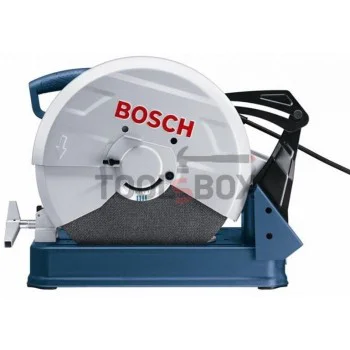
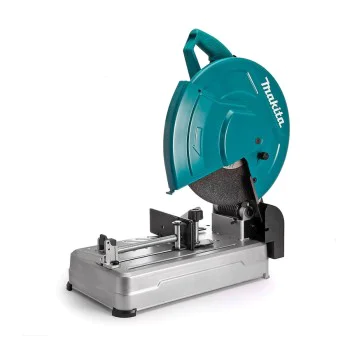
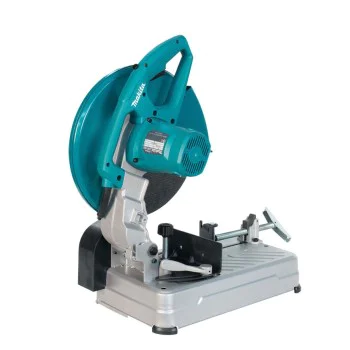
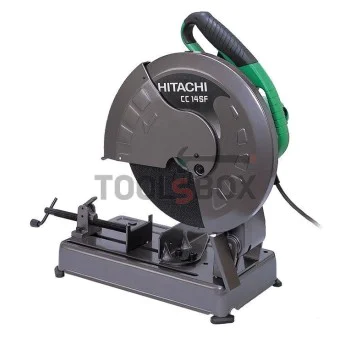
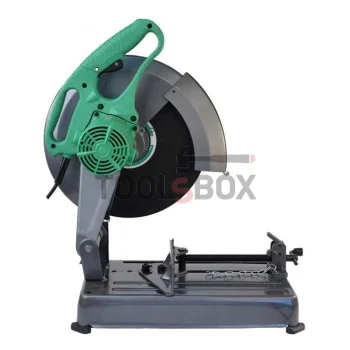
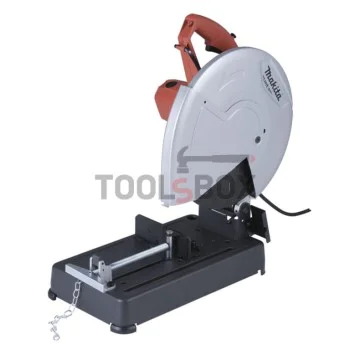
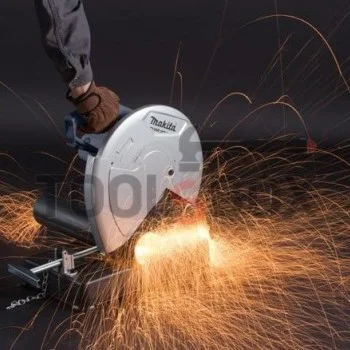
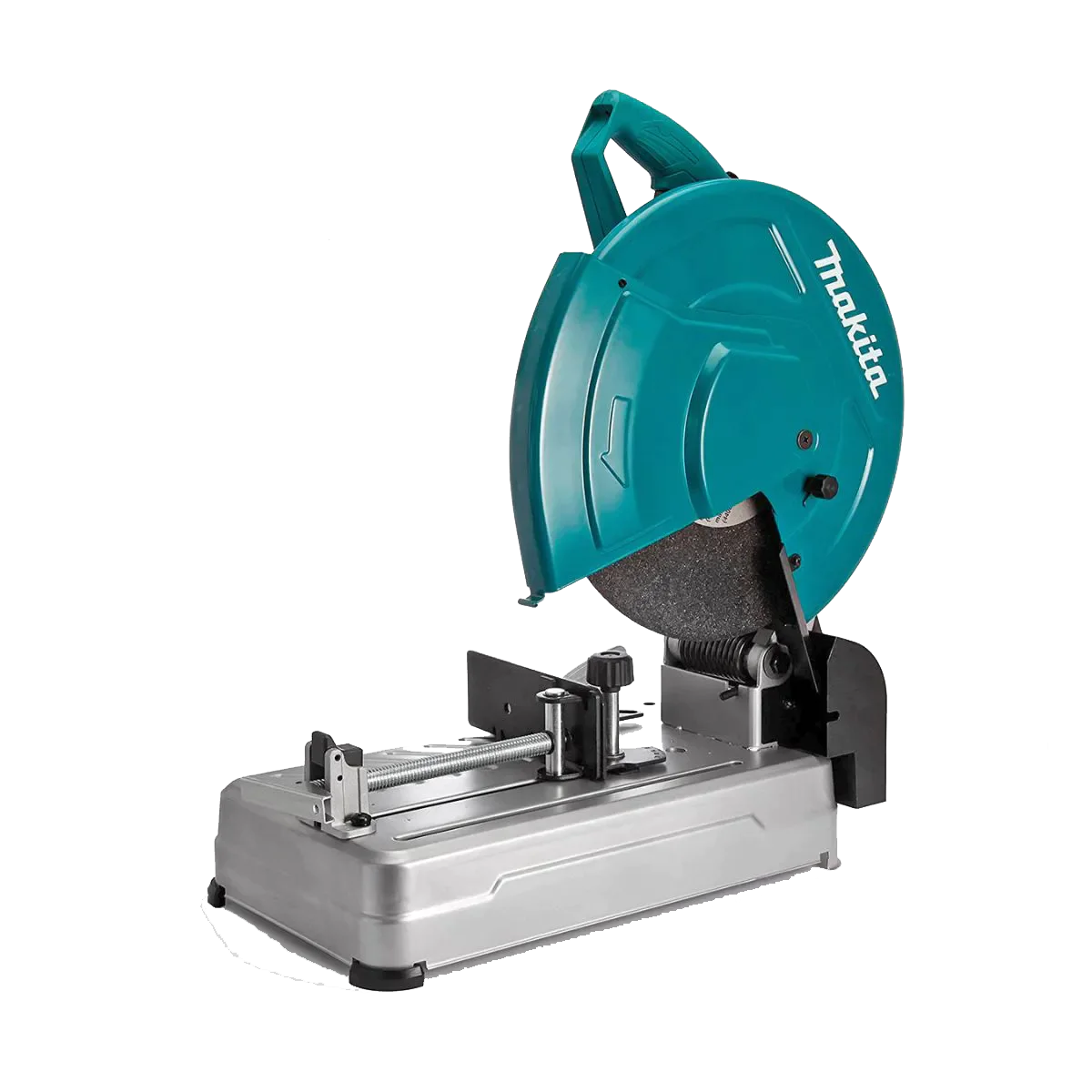
Pendulums
Jigsaws for precise cross-cuts and miter cuts
Jigsaws are power tools designed for clean and precise cuts in wood, laminated panels, MDF, baseboards, battens, beams, aluminum profiles, and other materials, depending on the blade installed and the machine's specifications. They are used in installation work, finishing repairs, furniture manufacturing, structural construction, cutting flooring, and workshop work. Their main advantage is the controlled movement of the cutting head, which ensures a repeatable cut at a set angle with a straight cutting line.
With this type of machine, the workpiece rests on a table with a stop, and the blade descends toward it in a smooth motion. This allows the operator to control the pressure, position, and depth of the cut. Pendulum saws are valued by craftsmen, installers, carpenters, and discerning DIYers because they reduce setup time and minimize the need for additional material adjustments after cutting.
What pendulum saws include and what they're used for
Mitre saws range from compact machines for mobile use to bench-top models for the workshop and versions with a pull-out mechanism for wider workpieces. Some machines are primarily designed for cross-cutting strips and profiles, while others handle larger boards, panels, and structural lumber with ease. Differences lie in the blade diameter, motor power, cutting width, tilt and angle adjustments, base stability, and the availability of auxiliary functions.
Jigsaws are used for making frames, installing crown molding and baseboards, preparing wainscoting, cutting hardwood and laminate flooring, building sheds, wooden structures, and interior elements. When working with aluminum profiles or plastic, a compatible blade suited to the material is required. This protects the edge from damage and allows the machine to operate with less strain.
Main types
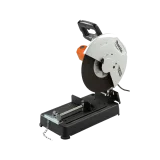
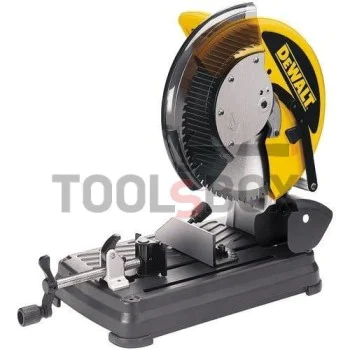
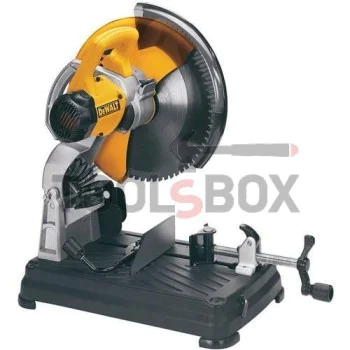
- Standard pendulum saws-for cross-cutting and miter cutting of narrower pieces, battens, moldings, and profiles.
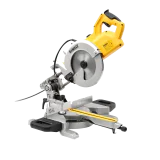
- Extendable miter saws-with a sliding mechanism for a wider cutting width; convenient for panels, wide boards, and laminated materials.
- Combined models-combine functions for different types of cuts and are practical for workshops with a variety of tasks.
- Cordless pendulum saws-valuable for on-site installations without convenient access to the electrical grid.
Factors affecting performance
The choice of jigsaw depends on the type of material, the required precision, and the volume of work. For light installation tasks, a compact machine is easy to transport and adjust. For heavier workloads in a service center or workshop, a more powerful motor, a stable base, and precise adjustment scales are a significant advantage. When cutting wide workpieces, the pull-out mechanism is very valuable because it increases capacity without requiring a larger blade.
The blade diameter determines the depth and part of the cutting capacity. A larger blade handles thicker materials but requires corresponding power and a stable construction. Power affects performance when cutting hardwood and during prolonged use. Angle and tilt adjustments are valuable for frames, moldings, paneling, and furniture, where a precise miter cut is crucial.
The laser guide, LED lighting, repeatable cut stops, soft start, and the ability to connect to a dust collector are features that make the operator's job easier. They do not replace proper setup and secure clamping of the workpiece, but they make the work more organized and controllable.
Blade, Material, and Compatibility
The cutting blade is crucial for the cleanliness of the cut. For rough cutting of wood, blades with fewer teeth are used, which remove chips quickly. For laminate, MDF, veneered panels, and visible decorative elements, look for blades with more teeth and the appropriate geometry to minimize chipping along the edge. For aluminum and non-ferrous metals, you need a blade designed for such materials, with the correct number of teeth and carbide-tipped plates.
Before purchasing, it is wise to check the blade's diameter, bore size, maximum RPM, and the machine manufacturer's recommendations. An incompatible blade can lead to vibration, an inaccurate cut, overheating, or damage. When working with different materials, it is practical to keep separate blades for wood, laminate, and metal profiles to maintain cutting quality.
Safety and Stability During Cutting
Jigsaws operate with a rapidly rotating blade, so a stable stand, the guard, and proper clamping of the workpiece are essential for safe operation. The workpiece must lie flat on the table and be secured against the stop. For longer workpieces, use side supports to prevent them from sagging during the cut. Keep your hands out of the blade's path, and lower the head smoothly without applying side pressure.
Safety goggles, ear protection, and a dust mask are essential equipment when working with wood, panels, and composite materials. Connecting to a vacuum cleaner or dust extraction system keeps the work area cleaner and reduces the buildup of chips around the mechanism. After use, the machine should be cleaned of dust, and the cable, locking mechanisms, sliding guides, and condition of the blade should be checked.
Practical selection criteria
- Cutting capacity-consider the width and thickness of the materials you work with most often.
- Power source-corded models are convenient for continuous use, while cordless models are ideal for mobile applications.
- Angle settings-clear scales, stable locking, and easy return to frequently used positions are essential.
- Weight and size-a lighter machine is easier to carry, while a heavier one sits more stably on the workbench.
- Dust extraction-useful when working indoors and with materials that produce fine dust.
- Available consumables-discs, supports, clamps, and spare parts facilitate maintenance and extend service life.
Plummet lines for professional and home use
For daily professional work, machines with a powerful motor, precise adjustments, a stable base, and good ergonomics are sought after. When installing furniture, doors, flooring, and decorative elements, any inaccuracy is noticeable, so the smooth movement of the head and the secure clamping of the material are just as important as power. For a home workshop, a more compact model is often sufficient, as long as its capacity meets the planned tasks.
At Toolsbox.bg, you can browse jigsaws for various loads, materials, and working conditions. Compare cutting capacity, settings, blade, power source, and necessary accessories to select a machine that will serve you reliably during repairs, installation, construction, or workshop work.