
Electric saw for bricks
Electric brick saw - precise cutting of masonry materials
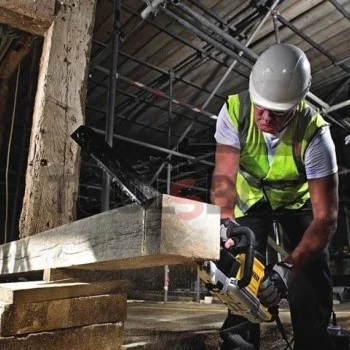
An electric brick saw is a specialized machine for clean, controlled, and efficient cutting of bricks, ceramic blocks, aerated concrete, porous building elements, and similar masonry materials. It is a valuable tool for building walls, creating openings, making adjustments around installations, cutting blocks to size, and finishing construction and installation work. Unlike manual cutting with a saw or chiseling with a hammer tool, the electric version provides a straighter cut, better control over the cutting line, and less chipping along the edges.
These types of power tools are sought after by craftsmen, construction crews, installers, repair teams, and discerning DIYers who work with masonry materials and want a more precise result. The machines are particularly useful for drywall construction, interior renovations, building partition walls, preparing channels, and fitting blocks on-site, where precision and speed directly impact the final result.
What Electric Brick Saws Include
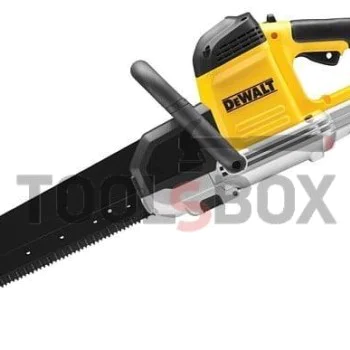
Electric brick saws vary in design, type of cutting mechanism, power, cutting depth, weight, and intended use. Some models feature dual blades that move in opposite directions, reducing vibrations when cutting softer and more porous materials. Other designs use special cutting chains, rails, or discs depending on the specific task and material. When choosing a model, it is important to consider not only the machine's power but also compatibility with consumables, cut length, and comfort during prolonged use.
With masonry materials, the load on the cutting element is significant, so the right blade or chain is crucial. For aerated concrete and lightweight blocks, different cutting elements are required compared to those for solid bricks or ceramic blocks. An unsuitable accessory leads to slow operation, a rougher cut, increased heating, and faster wear.
Applications in Construction, Repair, and Installation
The electric brick saw is used for a variety of tasks on the construction site and in the workshop. It is used to cut blocks to length and height, create precise angles, and adjust details around doors, windows, pipes, electrical boxes, and ventilation openings. When working with aerated concrete, the machine allows for quick fitting of elements without heavy chiseling or rough breaking of the material.
During renovation work, the saw helps remove material more cleanly in confined spaces. This is useful when remodeling rooms, running utilities, cutting openings, or shaping holes in existing masonry. For professional use, models with good ergonomics, a sturdy body, dust protection, and easy replacement of consumables are highly valued. For home use, machines that are lighter, easy to operate, and have sufficient power for occasional repair tasks are more commonly sought after.
How to Choose an Electric Brick Saw
The first consideration is the material you'll be cutting most often. Aerated concrete and lightweight blocks don't put the same strain on the machine as solid bricks and ceramic masonry elements. For harder materials, you need a more powerful motor, a high-quality cutting element, and stable cutting guidance. Cutting depth and length are also important because they determine the size of the blocks the machine can process in a single pass.
- Power: Higher power is beneficial for denser materials and continuous operation.
- Cutting element type: blades, rails, chains, or discs are selected based on the material and the desired cut.
- Cutting depth: This depends on the thickness of the bricks, blocks, and masonry elements.
- Weight and ergonomics: a lighter machine makes it easier to work above waist level and during long series of cuts.
- Dust extraction: a vacuum cleaner connection or good housing protection is valuable for indoor renovations.
- Replacing consumables: easy access to blades, chains, and fasteners saves time on the job site.
Consumables, compatibility, and maintenance
The cutting consumable determines the quality of the cut and the pace of work. When using an electric brick saw, you need to consider the length of the blade or guide bar, the grip, the intended use for a specific material, and the machine manufacturer's instructions. Compatible blades and chains reduce vibrations, protect the motor, and ensure more stable guidance along the cutting line.
Maintenance includes regularly cleaning dust from the housing, the cooling vents, and the area around the cutting mechanism. Dull or damaged blades must be replaced promptly, as they strain the motor and reduce cutting accuracy. The power cord, switch, safety components, and fasteners should be inspected before use. For chain saw models, monitor the condition of the guide bar, tension, and lubrication according to the machine's design.
Safe Operation of an Electric Brick Saw
Cutting masonry materials generates dust and fine particles, so personal protective equipment is a mandatory part of the job. Safety goggles, gloves, a dust mask, and ear protection reduce the risk during prolonged cutting. Secure the material firmly, mark the cutting line clearly, and guide the machine without excessive pressure. Applying too much pressure does not speed up cutting but increases heat buildup and wear on the blade.
When working indoors, it is advisable to use a construction vacuum cleaner for dust extraction if the machine allows for connection. Keep the work area clean, keep the cord away from the cutting line, and install replaceable parts only when the machine is turned off. This ensures the electric saw remains stable, and cuts stay more precise during a series of repetitive operations.
Choose a machine based on the material and workload
A properly selected electric brick saw saves time, reduces material waste, and facilitates precise work in construction and renovation. At Toolsbox.bg, you'll find models for various masonry tasks, compatible consumables, and accessories for machine maintenance. Browse the options and select a saw based on the type of brick, the required cutting depth, the frequency of use, and the requirements of the specific project.