
Portable compressor
Portable compressor for mobile work, service, and maintenance
A portable compressor is a practical solution for inflating, blowing, and working with pneumatic tools where compact size and easy portability are crucial. These types of compressors are used in garages, workshops, cars, construction sites, service centers, and for home maintenance. They are convenient for inflating car, motorcycle, and bicycle tires, balls, inflatable items, air cleaning, small assembly tasks, and equipment maintenance.
Toolsbox.bg offers a selection of models with different power sources, capacities, and accessories, so you can choose a machine that suits the tasks you perform. Some portable compressors are designed for emergency use in a car, while others are better suited for workshops and extended air-powered work. The differences between them can be seen in the pressure, flow rate, tank volume, power source type, weight, hose size, and available nozzles.
What portable compressors include
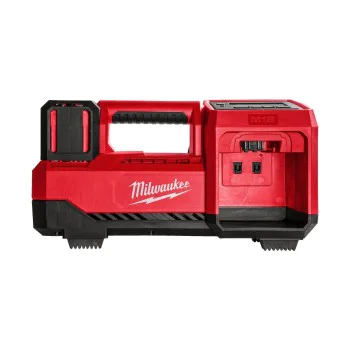
Portable compressors encompass several main categories of machines. Compact car compressors are typically powered by a 12 V socket and are designed for tires and inflatable accessories. Battery-powered models offer freedom to work away from a power outlet or vehicle. 230 V electric compressors provide more stable operation in a garage, service bay, or home workshop. Portable piston compressors with a small receiver are in demand for tasks that require a supply of compressed air.
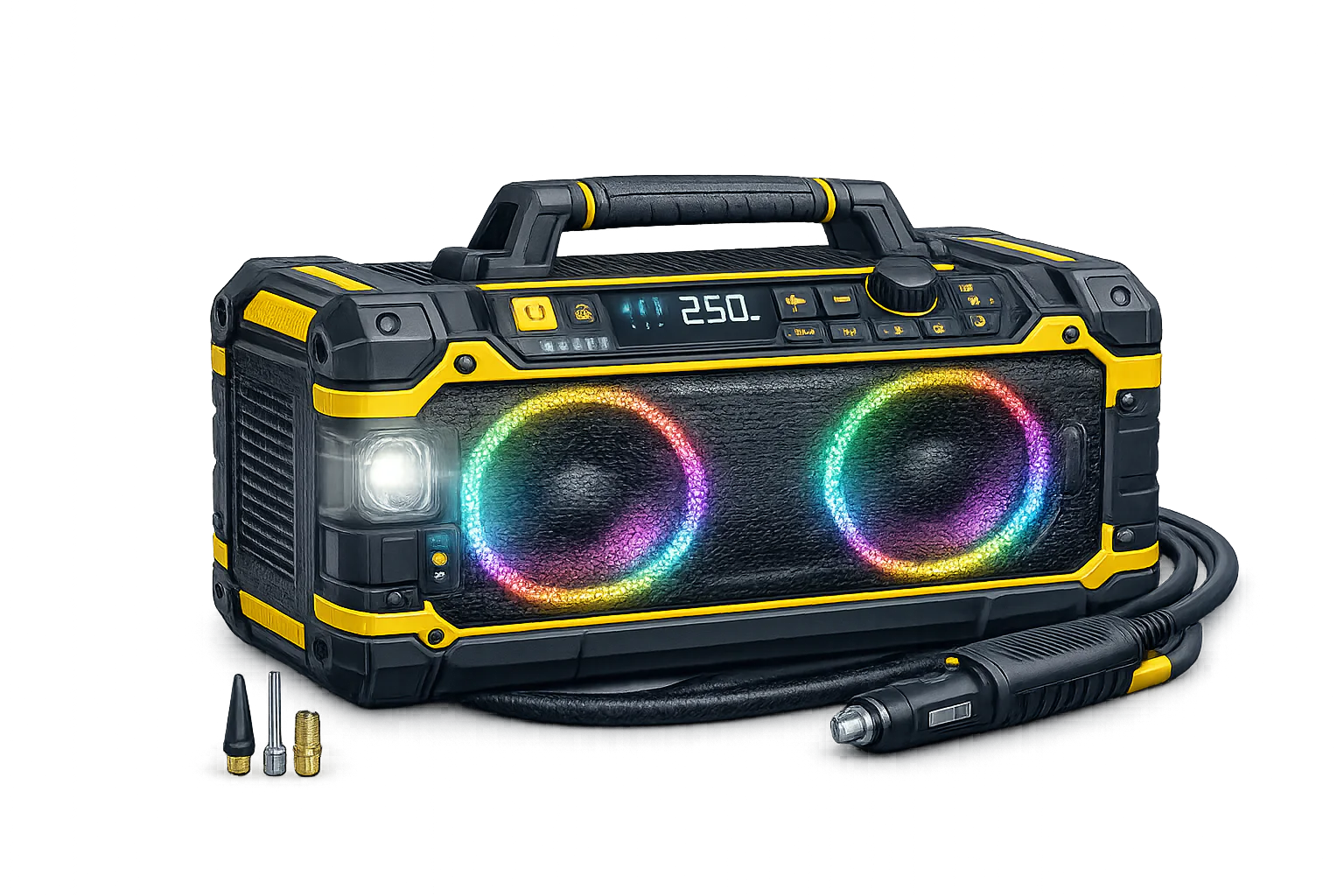
Some models feature a suitcase-style case or a compact unit with a handle, which facilitates transport and storage. Others come equipped with wheels, a pressure gauge, a pressure regulator, quick-connect fittings, a hose, an air gun, nozzles, and adapters. The included accessories are important for daily use because they save you from having to buy individual parts and make it easy to start working right after unpacking.
Applications for Cars, Workshops, and Installation
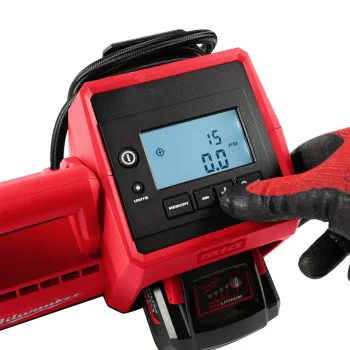
For automotive maintenance, a portable compressor is invaluable for low tire pressure, seasonal inspections, travel outside urban areas, and maintenance of trailers, RVs, or motorcycles. Models with digital or analog pressure gauges allow for pressure control, and some versions feature automatic shut-off at a preset value. For larger tires, it is advisable to check the air flow rate and the permissible continuous operating time.
In workshops and service centers, portable compressors are used for blowing away dust, cleaning parts, powering pneumatic nail guns, tackers, small pneumatic tools, and light painting tasks. For such tasks, models with a receiver tank are more convenient, as they maintain an air reserve and operate more smoothly. During on-site installation work, the compact size, handle, stable feet, and housing protection facilitate movement between different work areas.
Types of portable compressors by power source and design
| Type | Power | Application | Key features |
|---|---|---|---|
| Car compressor | 12 V | Tires, balls, inflatable items | Compact size, car cigarette lighter cable, nozzles |
| Cordless compressor | Battery | Cordless portability | Lightweight body, convenient for travel and the garden, charger or replaceable battery depending on the model |
| Electric compressor | 230 V | Garage, service station, workshop | Stable operation, higher capacity in some models |
| Compressor with receiver | 230 V or other power source depending on the model | Pneumatic tools, blowing, installation | Air tank, regulator, pressure gauge, quick-connect fittings |
Selection based on pressure, flow rate, and capacity
When choosing a portable compressor, start with the actual task. For light inflatable items and bicycle tires, a compact model with a nozzle set is sufficient. For car tires, you need sufficient pressure and a hose of a convenient length. For vans, SUVs, trailers, and vehicles with larger tires, look for a higher air flow rate, as this affects the inflation speed.
Pressure is specified in bar or PSI and indicates the maximum value the machine can reach. The flow rate in liters per minute indicates the amount of air the compressor delivers. When working with pneumatic tools, flow rate is more important than maximum pressure, as each tool has a specific air consumption rate. The tank capacity is significant for portable models with a reservoir-a larger tank reduces the frequency of motor activation but increases weight and size.
Compatibility, accessories, and ease of use
Before purchasing, check which nozzles, hoses, and connectors are included in the set. For tires, a nozzle with a secure fit to the valve is convenient. For blowing out, a gun with a suitable nozzle is needed. For pneumatic tools, pay attention to quick-connect standards, hose diameter, and operating pressure. Incompatible fittings limit usage and require additional adapters.
Ease of use depends on the cable length, the length of the air hose, the readability of the pressure gauge, the stability of the housing, and the noise level. For frequent mobile use, low weight and a comfortable handle are a major plus. When working indoors, pay attention to vibrations, cooling, and storage space for accessories. For cordless compressors, check compatibility with batteries from the same system if you already have them.
Safety and Maintenance
A portable compressor operates with compressed air, so proper handling protects both the machine and the item being worked on. Do not exceed the recommended pressure for tires, balls, and inflatable items. Monitor the pressure gauge readings and allow the machine to cool down during prolonged use. Place the compressor on a stable surface, keep the intake vents free of dust, and do not cover the unit while it is running.
Maintenance for oil-free models is simpler and mainly involves cleaning, checking hoses, cables, and connections. Oil-lubricated compressors require monitoring of the oil level and periodic oil changes according to the manufacturer's instructions. For models with a receiver tank, care must be taken with the condensate that collects in the tank when the air is compressed. Regular inspection of seals and fittings reduces pressure loss and protects the motor from excessive strain.
Choose a portable compressor from Toolsbox.bg
Choosing the right portable compressor depends on the work location, the type of tires or tools, the required flow rate, the power source, and the included accessories. For a car and on the road, choose a compact model with a convenient hose and an accurate pressure gauge. For a garage or service shop, opt for a machine with higher capacity, sturdy connections, and the ability to work with pneumatic accessories. For mobile tasks without a power source, a battery-powered compressor is a practical choice.
Browse the options at Toolsbox.bg and select a portable compressor suited to your car, workshop, or service operation. This way, you'll have a compact machine for maintenance, repairs, and quick response whenever compressed air is needed.