
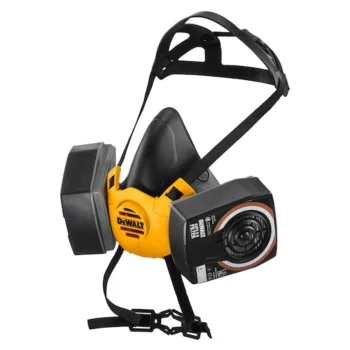
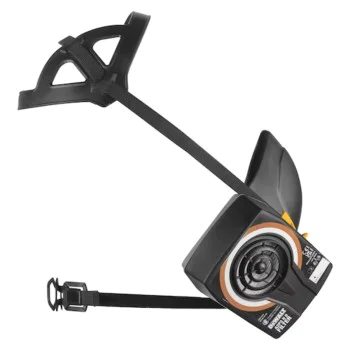
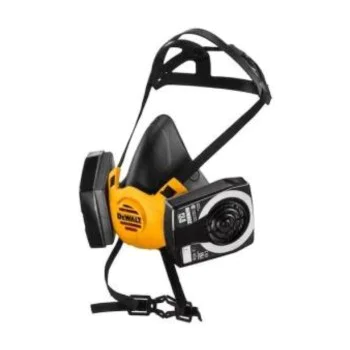
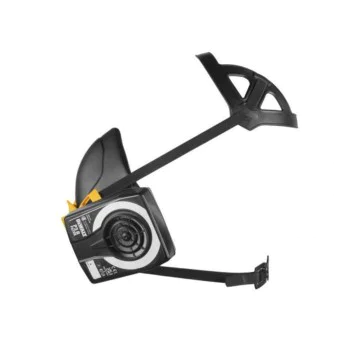
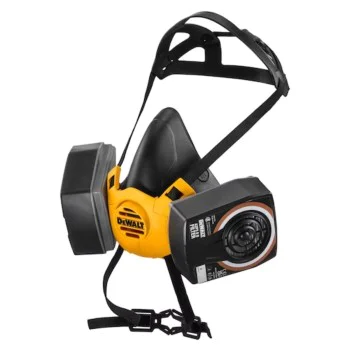
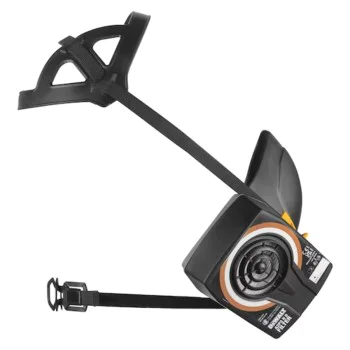
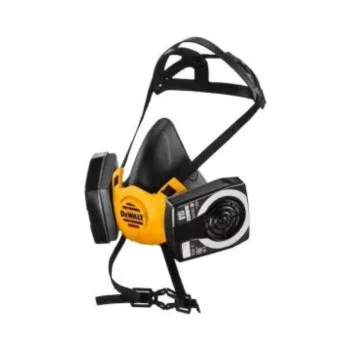
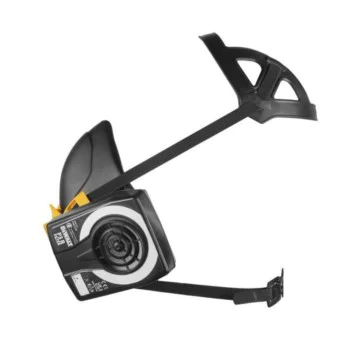
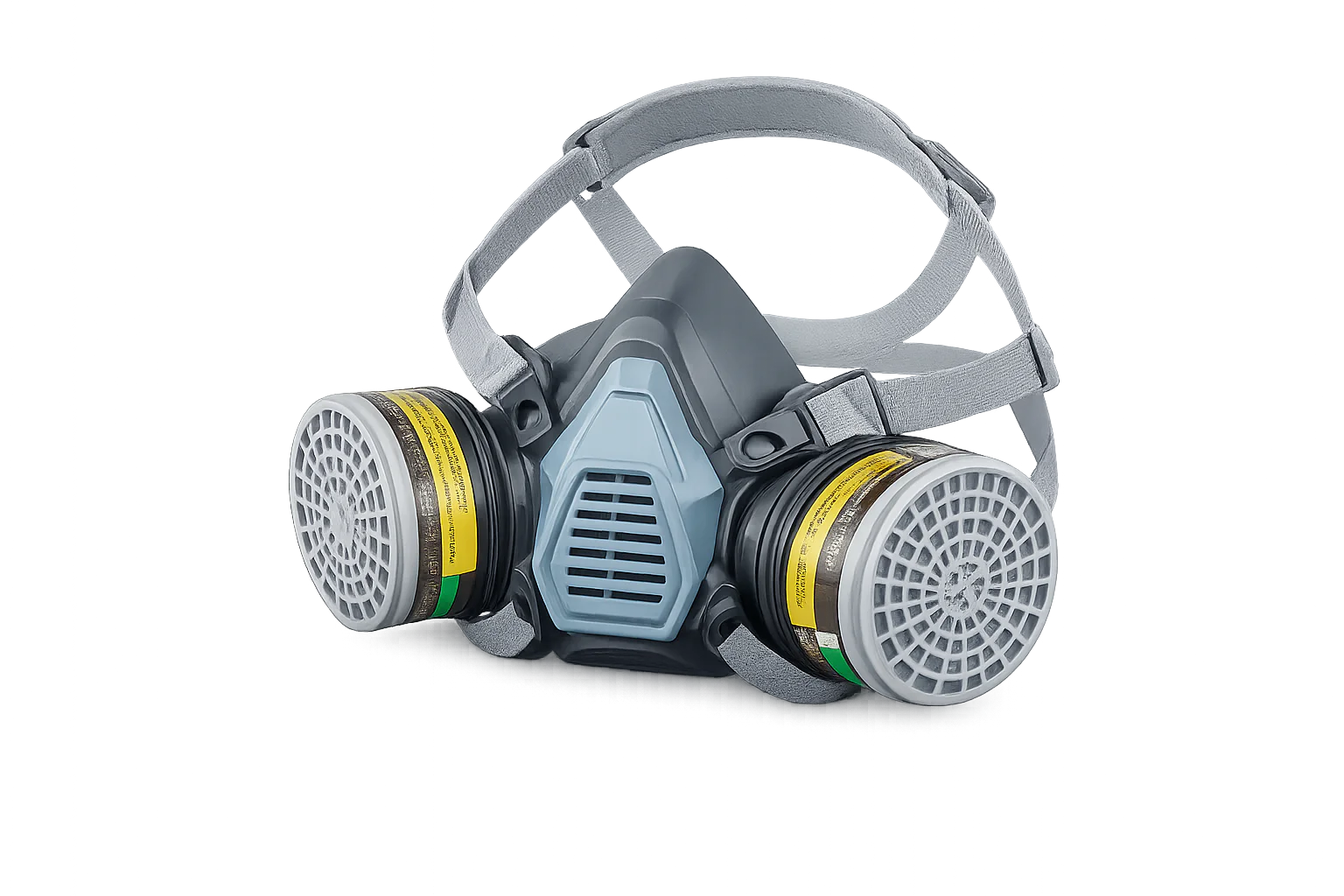
Respiratory mask
Respiratory mask for respiratory protection
A respirator mask is a piece of personal protective equipment that limits the inhalation of dust, fine particles, aerosols, odors, and contaminants when working in construction, workshops, service centers, warehouses, gardens, or on home renovation projects. It is part of protective clothing and is directly related to safety when sanding, cutting, drilling, painting, cleaning, working with insulation, dry mixes, wood, metal, and various consumables. A properly selected respirator mask improves comfort during prolonged work and reduces strain on the respiratory tract.
This section features models for both short-term and long-term use-ranging from lightweight filtering half-masks to options with valves, replaceable filters, and a tighter facial seal. The differences between them relate to the type of filtration, shape, material, fastening method, compatibility with other protective equipment, and level of comfort when worn.
Applications in construction, renovation, and workshops
A respirator mask is used for activities where particles or unpleasant fumes are released into the air. When working with an angle grinder, sander, drill, jackhammer, circular saw, or other power tools, dust from concrete, brick, wood, metal, paint, or plaster is often generated. When painting or working with chemicals, you need a model suited to the specific environment and type of contaminant.
For home use, lightweight masks are often sought for cleaning, minor repairs, cutting wood, gardening, or garage maintenance. For professional use, a better fit to the face, sturdy straps, the ability to wear the mask for long periods, and compatibility with glasses, helmets, hard hats, and ear protection are important.
Types of Respirator Masks and Filtration
A respirator mask is selected based on the work environment and the type of particles. Lightweight disposable models are practical for short tasks and moderate dust exposure. Masks with valves facilitate exhalation and reduce moisture buildup. Half-masks with replaceable filters are a solution for more frequent use and allow for the replacement of filter elements depending on the contaminant.
| Mask Type | Application | Practical features |
|---|---|---|
| Filtering half-mask | Dust, dry construction mixtures, woodworking, cleaning | Lightweight, compact, comfortable for short and medium-duration tasks |
| Valve mask | For more strenuous work and longer wear | Easier exhalation and less fogging around the face |
| Half-mask with replaceable filters | Maintenance, painting, dust, and specific contaminants | Replaceable consumables and a tighter fit |
Criteria for selecting a respirator
When selecting a respirator mask, the key factors are the type of work, dust concentration, duration of wear, and required filtration level. For sanding plaster, cutting stone, or drilling into concrete, protection against fine particles is required. When working with paints, solvents, or chemicals, look for a compatible filter designed for the specific type of contamination.
- Filtration level-check the mask or filter label and its intended use for dust, aerosols, or other contaminants.
- Face fit-a good seal around the nose, cheeks, and chin limits air leakage through side openings.
- Wearing comfort-soft edges, adjustable straps, and low weight are valuable for prolonged use.
- Compatibility-the mask should not interfere with safety goggles, a work helmet, a hard hat, or hearing protection.
- Consumables-for models with replaceable filters, it is advisable to choose a series with readily available replacement filters.
Materials, shape, and comfort during use
A respirator mask with a high-quality face seal fits securely and does not shift when moving, bending, or working with tools above shoulder level. For disposable models, the shape, nose clip, and elastic straps are important. For reusable half-masks, pay attention to the body material, the filter connection, and the ability to clean the mask after use.
Some models have an ergonomic shape that allows more room for speaking and breathing. Others are more compact and pair more easily with glasses. For people who work with dust every day, comfort is no small detail-pressure on the nose, fogging, and the stability of the straps directly affect actual protection, because the mask is worn correctly only when it does not cause constant discomfort.
Maintenance, Safety, and Replacement of Consumables
A disposable respirator mask should be replaced if it becomes soiled, damp, deformed, or if breathing becomes noticeably difficult. Reusable half-masks should be cleaned according to the manufacturer's instructions, stored in a dry place, and kept free of dust between work cycles. Filters have a limited lifespan and should be replaced if they become clogged, emit an odor, show signs of mechanical damage, or after prolonged use in a contaminated environment.
Before starting work, a quick inspection is required for torn straps, cracked parts, dirty valves, and damaged seals. The mask must fit snugly over the nose and mouth, without a beard or other obstructions that leave gaps. When working with power tools and machinery, respiratory protection should be combined with safety glasses, gloves, work clothing, and adequate room ventilation.
Respirator mask for professional and home use
A respirator mask is a small but very important element of personal protection during repair, installation, construction, service, and maintenance work. For occasional tasks, a lightweight filtering model is sufficient, but for regular work with dust or aerosols, a half-mask with a tighter fit and replaceable filters is a better choice. Browse the options at Toolsbox.bg and select a model that suits your work, environment, and protection needs.