
Concrete battens
Concrete core bits for precision drilling
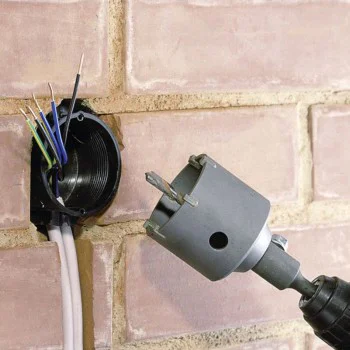
Concrete core bits are used to create round holes in concrete slabs, walls, brick, stone, and other mineral substrates. They are used for installing electrical boxes, conduit runs, ventilation openings, anchors, fasteners, and service passages. In repair, construction, and installation work, a properly selected core bit reduces the need for chiseling, keeps the edges of the hole cleaner, and shortens the time required to prepare the substrate.
When working with concrete, the load on the cutting edge is significant, so the design, diameter, length, shank, and cooling method are of direct importance. Toolsbox.bg offers models for various machines and applications-from installation holes in brick masonry to drilling in solid and reinforced concrete with professional equipment.
What do concrete core bits include?
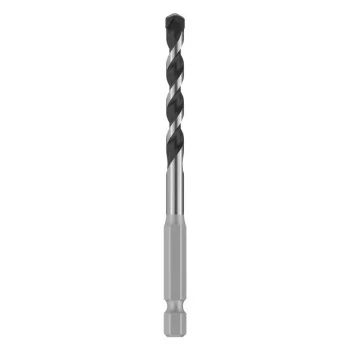
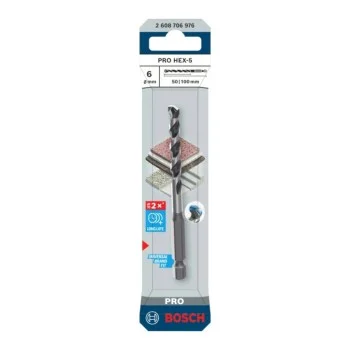
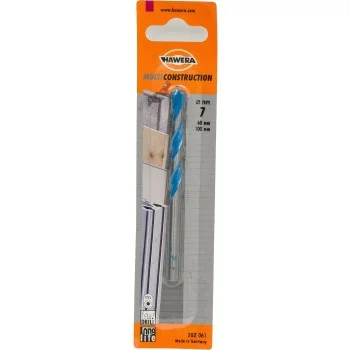
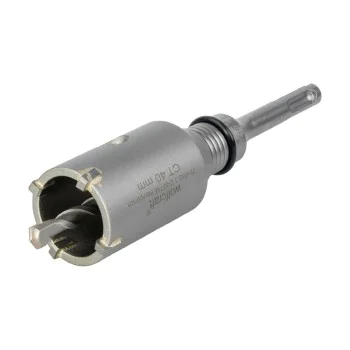
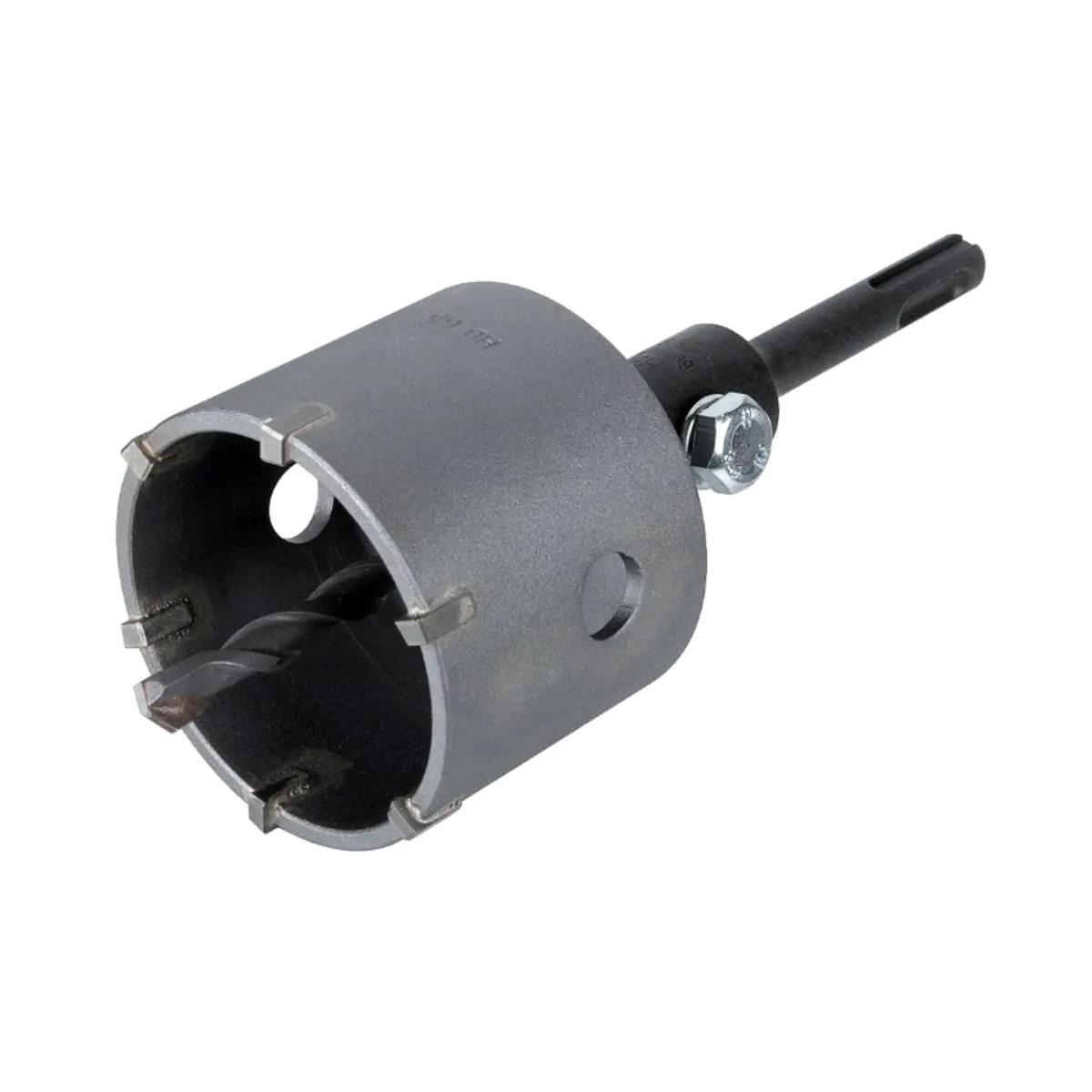
The range includes diamond core bits, carbide-tipped core bits, models for dry drilling, solutions for wet drilling, and bits with various mounting shanks. Some are designed for handheld power tools, while others are used with core drilling machines or drill stands when precision is required for larger diameters.
Diamond core bits cut through mineral material using segments with an abrasive action. They are valued for harder substrates, larger holes, and applications where the edge must remain relatively clean. Core bits with carbide teeth are a practical option for lighter construction materials, masonry, and installation work, where a hammer drill or impact drill compatible with the specific bit is used.
| Core bit type | Application | Practical highlight |
|---|---|---|
| Diamond core bit for wet drilling | Solid concrete, reinforced concrete, hard mineral substrates | Water cooling protects the segments and reduces dust |
| Diamond core bit for dry drilling | Installation work, service openings, work in areas without water supply | Requires speed control and cooling pauses |
| Carbide-tipped core bit | Brick, lightweight concrete, plaster, masonry | Good choice for electrical installations and box openings |
| Core bit with extension | Deeper cuts through walls and slabs | Requires a firm grip and steady guidance of the machine |
Applications in construction, renovation, and installation
Concrete core bits are required for electrical installations, plumbing, heating systems, air conditioning, ventilation, and finishing work. They are used to drill holes for junction boxes, cable ducts, pipes, large-diameter anchors, wall penetrations, and air duct openings. During maintenance work and renovations, they help ensure precise intervention in existing structures without unnecessary damage around the drilling area.
For home use, the most common diameters are for outlets, switches, pipes, and small installation holes. In professional applications, work often involves larger diameters, deeper holes, reinforced concrete, and a series of drillings in a single workday. Here, the wear resistance of the segments, the stability of the grip, and compatibility with the machine are crucial.
Selecting size, chuck, and drilling method
When selecting a core bit for concrete, start with the hole diameter. This is determined by the cable, pipe, box, sleeve, or fastener that will pass through the substrate. Drilling depth is equally important-for wall penetrations, a working stroke is required that covers the material thickness or allows drilling from both sides.
- Diameter: selected based on the actual size of the hole, not just the outer dimensions of the installation element.
- Working length: longer core bits and extensions are required for solid walls, columns, and slabs.
- Chuck: Options include SDS-plus, SDS-max, hexagonal, 1/2", and 1 1/4" UNC for core drilling machines.
- Drilling method: dry drilling is convenient for finished rooms, while wet drilling is preferred for heavier loads and less dust.
- Substrate material: Brick, lightweight concrete, solid concrete, and reinforced concrete place different loads on the cutting segments.
Check the connection of the core bit to the machine, the speed, and the operating mode. Diamond models typically operate without a hammering mode, as hammering damages the segments and leads to uneven wear. Hammer drilling is only used with bits designed for such work.
Working with Reinforced Concrete and Hard Mineral Substrates
Reinforced concrete places higher demands on the core bit and the machine. Contact with metal rebar increases the temperature and stresses the segments, so work should be performed with even pressure, steady guidance, and the correct speed. During wet core drilling, the water cools the core bit, removes the cuttings from the hole, and extends the life of the segments.
During dry drilling, dust must be removed regularly, and pressure should remain moderate. Overheating is indicated by slowed cutting, a smell of heated material, a change in the color of the segments, or excessive vibrations. Short pauses and the correct speed reduce the risk of jamming and premature wear.
Compatibility, Safety, and Maintenance
Good results start with the right combination of core bit, machine, and base. The power of the power tool, the spindle type, and the presence of a stand, water supply, or dust collector all affect drilling accuracy and comfort. For large diameters and hard concrete, a stable machine mount is a major advantage because it reduces hole deviation.
Personal protective equipment is mandatory when drilling in concrete-safety glasses, gloves, hearing protection, and a dust mask. When working with water, electrical safety requires a machine in good working order, a protected power supply, and control over the water around the work area. After drilling is complete, the core bit is cleaned of dust, slurry, and material residue; this keeps the segments exposed and ready for the next use.
Concrete core bits from Toolsbox.bg
At Toolsbox.bg, you'll find concrete core bits for various diameters, depths, machines, and installation tasks. Select a model based on the material, drilling method, and required chuck to work accurately, cleanly, and with minimal time wasted. Choose the right core bit and complete your equipment with adapters, extensions, center drills, and other accessories for construction, repair, and professional maintenance.