
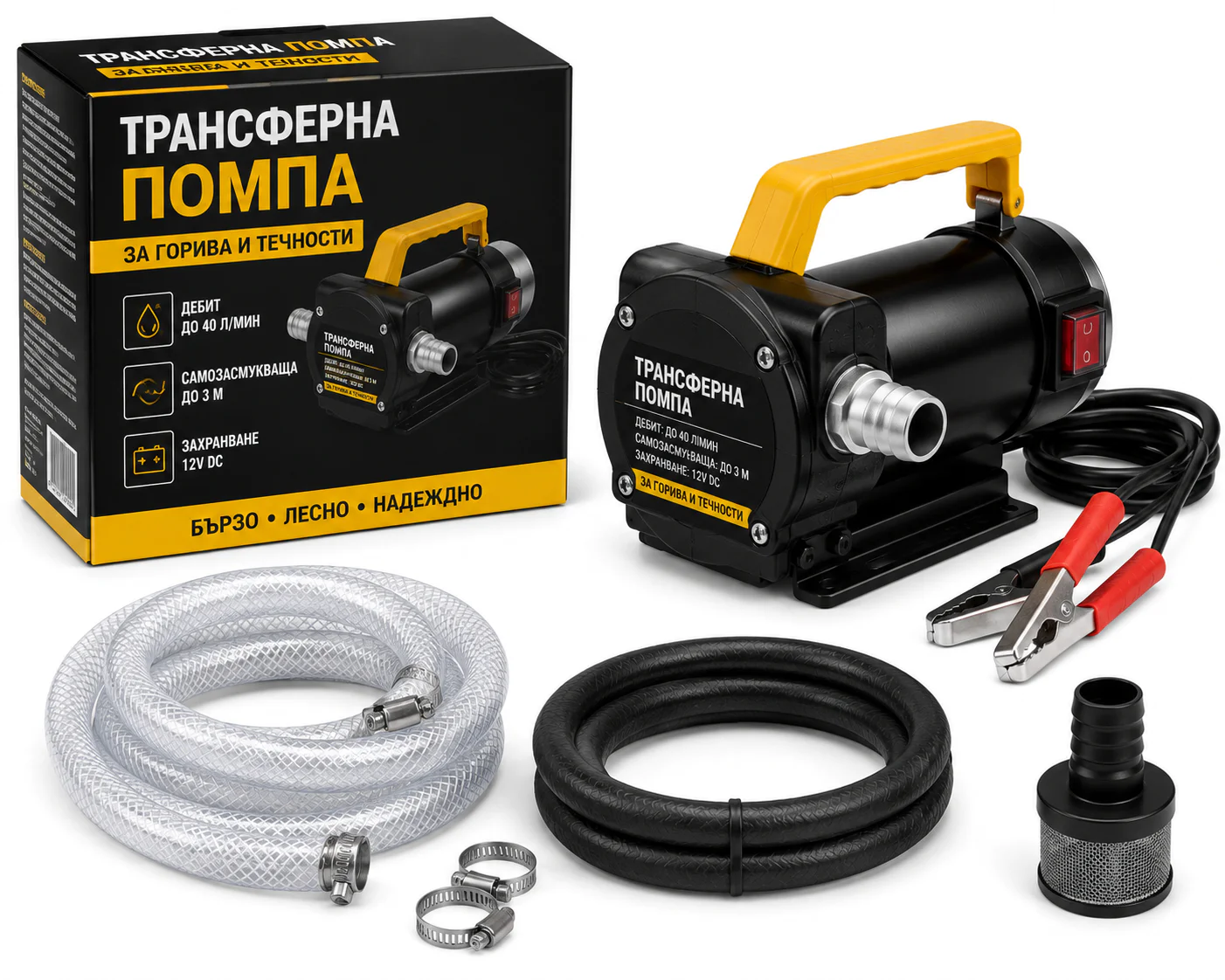
Transfer pump
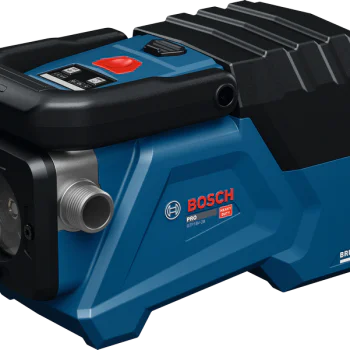
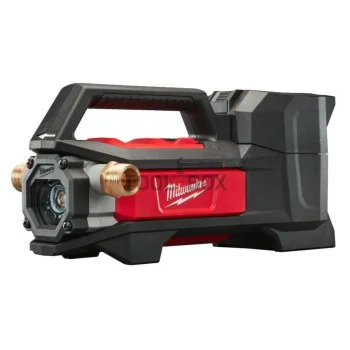
Transfer pump for moving water and clean liquids
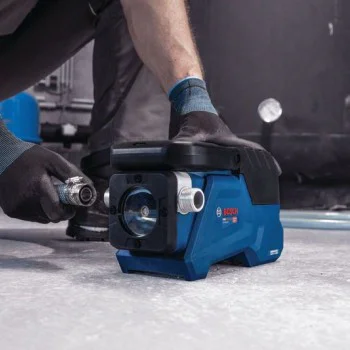
A transfer pump is the right choice when you need to quickly move water from one container, tank, or area to another. It is a practical solution for draining barrels, tanks, pools, pits, drums, water containers, drainage points, and auxiliary containers in a workshop, service station, yard, garden, or repair site. With the right model, the job becomes more organized, with less manual pouring and better control over the flow rate.
Within the category of water pumps, these machines are distinguished by their specific applications: transferring, draining, filling containers, and circulating clean or slightly contaminated liquids, depending on the design of the specific model. Transfer pumps are available in compact versions for home maintenance and in more powerful versions for service, construction, and professional work. The differences between the individual models are evident in the power source, flow rate, head, inlet and outlet diameters, housing material, permissible fluid temperature, and method of hose connection.
Where is a transfer pump used?
A transfer pump is used in situations where a liquid needs to be moved in a controlled manner, without the heavy lifting of containers and without unnecessary spillage. At home, it is used to empty a pool, transfer rainwater from a barrel, service a tank, clean a basement after a leak, or prepare for watering the garden. In workshops and service centers, it is used to transfer water from containers, flush systems with approved fluids, pump out technical sumps, and maintain auxiliary equipment.
For repair and construction work, a transfer pump is convenient for temporary water lines, draining containers after testing, removing clean water from the work area, and servicing tanks. For more intensive applications, models with higher flow rates, a more durable housing, and sturdy connection elements are preferred. For occasional household use, the compact version with an easy hose connection is often sufficient.
Main Types and Differences Between Models
When choosing a transfer pump, the power source is the first consideration. Electric models are preferred for work around a property, garage, workshop, or site with access to mains power. Battery-powered options offer freedom when working in areas without an outlet, such as a yard, garden, warehouse, or remote location. Handheld and compact mechanical solutions are used for small quantities of liquid and short operations.
There is also a significant difference in the suction method. Some models are placed above the container and operate with a suction hose, while others are designed for submersion or partial placement near the liquid. Surface-mounted models are convenient for tanks, barrels, and containers where the pump remains dry and accessible. Submersible solutions are practical for wells, pools, and areas with larger volumes of water.
| Criterion | What to check | Practical significance |
|---|---|---|
| Flow rate | Liters per minute or hour | Determines the transfer rate |
| Head | Maximum delivery head | Important when moving to a higher point |
| Power | Mains, battery, or manual | Depends on the location and frequency of use |
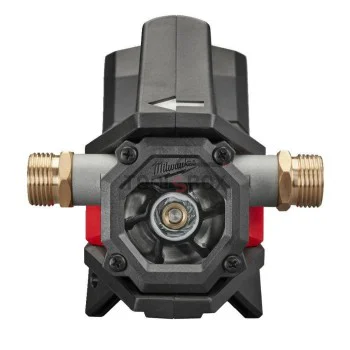
| Connection | Inlet and outlet diameter | Determines compatibility with hoses and fittings |
| Permissible fluid | Clean water or slightly contaminated liquid | Protects the pump from clogging and damage |
How to select a transfer pump based on the task
Before purchasing, it is wise to determine what liquid will be transferred, from what depth it will be drawn, and how far it needs to be delivered. If the task is to empty a small container or jug, a compact transfer pump with moderate flow rate will ensure convenient operation. For larger tanks, pools, and frequent use, it is better to look for a model with a more powerful motor, a larger flow rate, and durable connections.
Flow rate isn't the only factor. Head pressure indicates whether the pump can deliver the liquid to a higher point or through a longer hose. The hose diameter affects transfer speed and the load on the machine. The housing material matters when working in a service environment, where impacts, moisture, and frequent transport are part of daily life.
Compatibility with hoses, fittings, and accessories
Good compatibility saves time during installation and reduces the risk of leaks. Check the dimensions of the inlet and outlet ports, the thread type, and the required clamps, seals, and filters. For models with a suction hose, it is helpful to use a suitable check valve or strainer when the design allows it. This limits the amount of debris that can enter the working part.
For garden and yard work, standard hoses with quick-connect fittings are often convenient. For service and workshop use, sturdier hoses with a precise diameter and secure fit are preferred. When transferring liquids other than clean water, always verify that the specific transfer pump is compatible with them. An unsuitable liquid can damage seals, the impeller, or internal channels.
Safe Operation and Maintenance
A transfer pump must be operated in accordance with the manufacturer's instructions regarding permissible fluid, temperature, and operating conditions. Electric models must be connected to a properly functioning power supply and protected from direct contact with water if the design is not intended for submersion. Hoses must be securely fastened, without kinks or sharp constrictions that strain the motor and reduce flow.
After use, it is advisable to rinse the pump with clean water if it has handled liquid containing fine particles. Filters, strainers, and seals should be inspected periodically, as contamination or wear alters the flow rate and may cause noise, vibration, or poor suction. Storing the pump in a dry place extends the life of the cable, housing, and connecting parts.
Choosing a Transfer Pump from Toolsbox.bg
At Toolsbox.bg, you can select a transfer pump tailored to your specific needs-from a compact solution for home and garden use to a more powerful model for a workshop, service center, or construction site. Compare flow rate, head, power source, connection sizes, and compatible fluids to choose a machine that meets your actual operating conditions. Browse our selection and equip your workspace with a pump that makes water transfer faster, cleaner, and more controlled.