
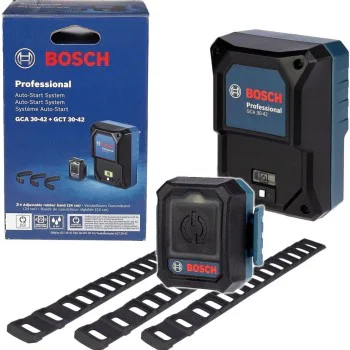
-350x350.jpeg.webp "Automatic Start Kit for Vacuum Cleaner - Bosch, GCA 30-42 + GCT 30-42, 1600A02GF1")
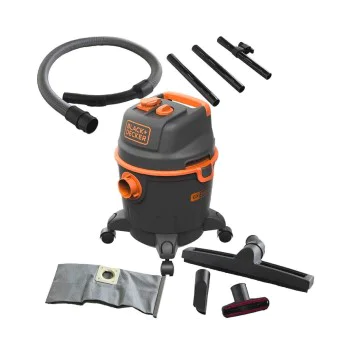
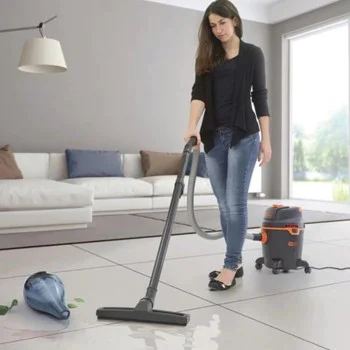
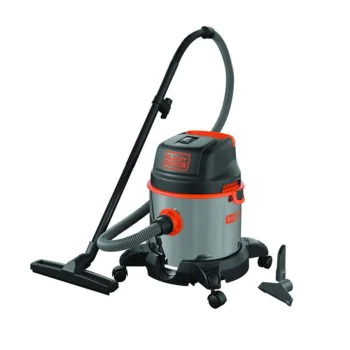
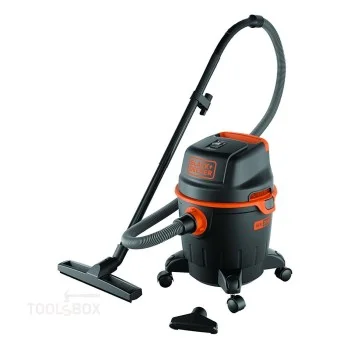
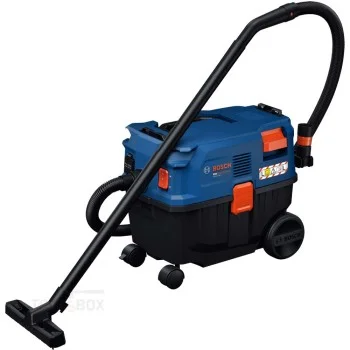
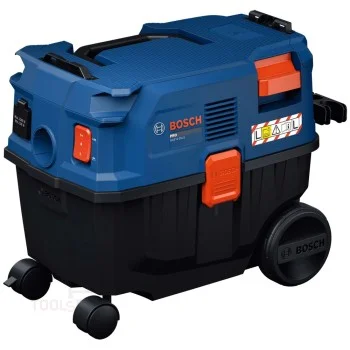
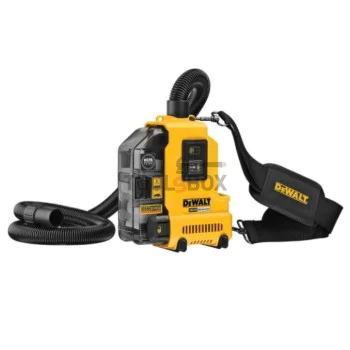
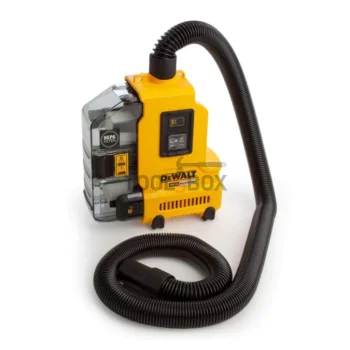
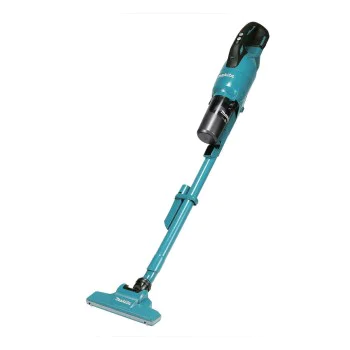
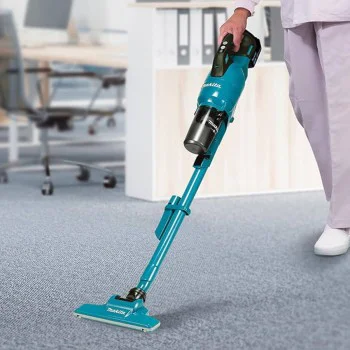
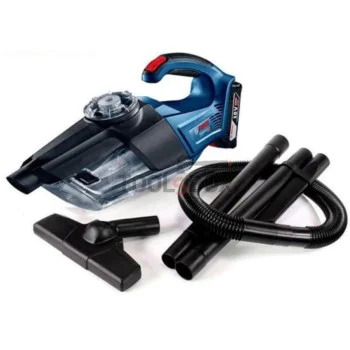
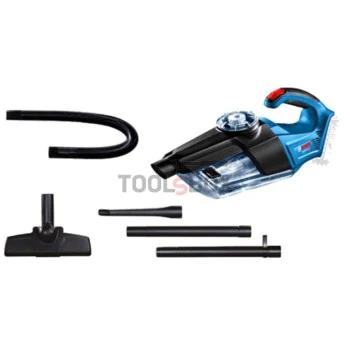
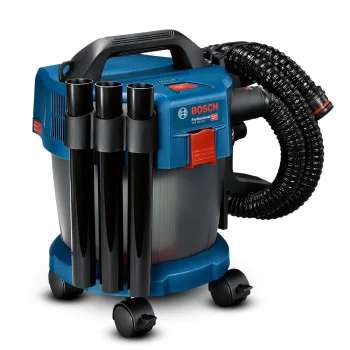
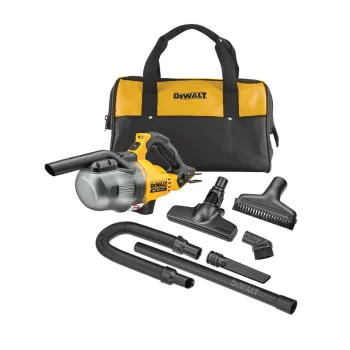
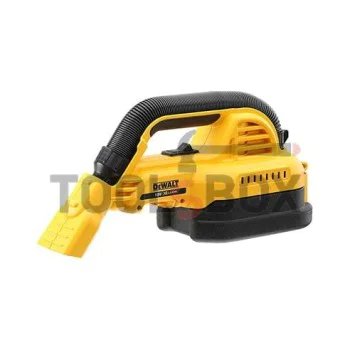
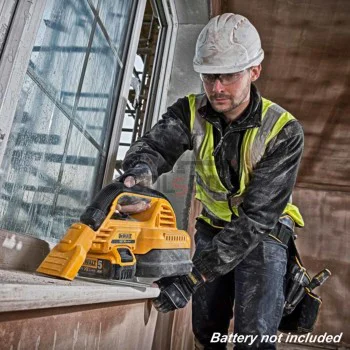
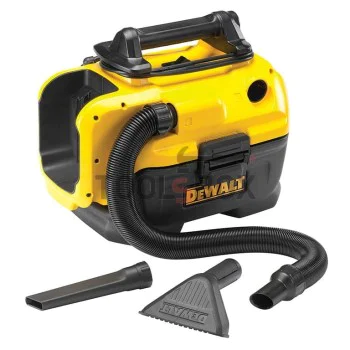
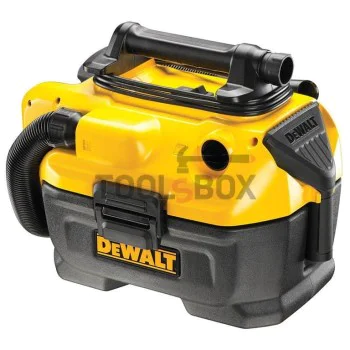
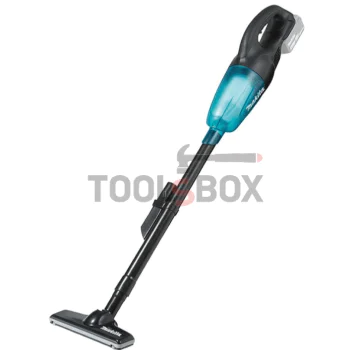
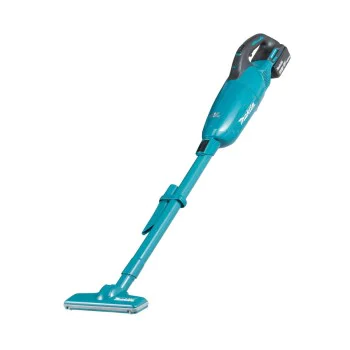
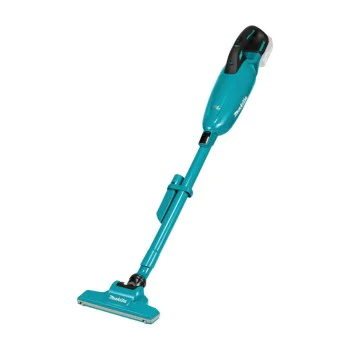
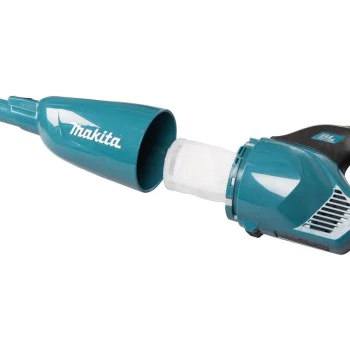
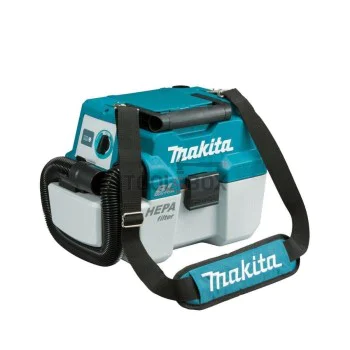
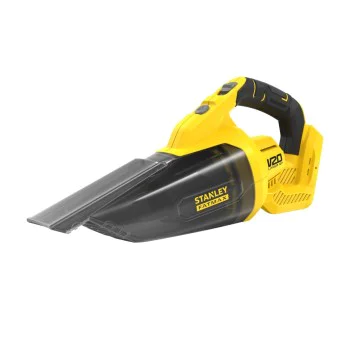
Vacuum cleaners
Vacuum cleaners for dry, wet, and specialized cleaning
Vacuum cleaners for the home, workshop, and construction site save time when collecting dust, sand, shavings, fine debris, liquids, and other contaminants. They are part of the cleaning equipment needed not only after renovations but also for daily maintenance of garages, warehouses, service shops, offices, and production facilities. The various models differ in power, container capacity, filtration type, durability of the housing, hose length, power source, and range of attachments.
At Toolsbox.bg, you can explore dry vacuum cleaners, wet-dry machines, industrial units for heavy-duty work, ash vacuum models, compact solutions for home use, and options for professional use. The right choice depends on the environment, the type of dirt, and the frequency of use, which is why technical specifications are just as important as ease of use.
Types of Vacuum Cleaners by Application
Different vacuum cleaners are not interchangeable for every task. A model for light dust in the home does not have the same requirements as a machine for a construction site, where there is cement dust, wood shavings, or larger debris. For service work, stable suction and easy emptying are required, while for maintaining fireplaces and stoves, a device suitable for ash and fine particles is needed.
| Type | Working environment | Key Features |
|---|---|---|
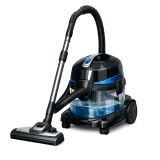
| Dry vacuum cleaners | Home, office, warehouse, light workshop | Collect dust, hair, crumbs, small dry debris |
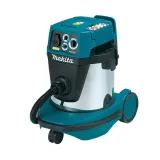
| Wet-dry vacuum cleaners | Garage, repair shop, construction site | Handle dry debris and liquids in the appropriate mode |
| Industrial vacuum cleaners | Repair, manufacturing, and installation work | Larger container, more durable housing, enhanced filtration |
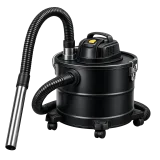
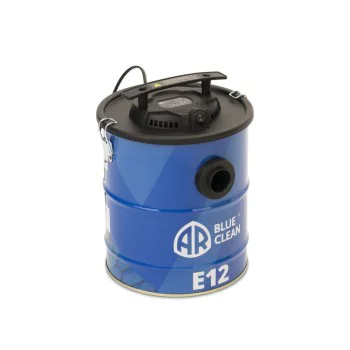
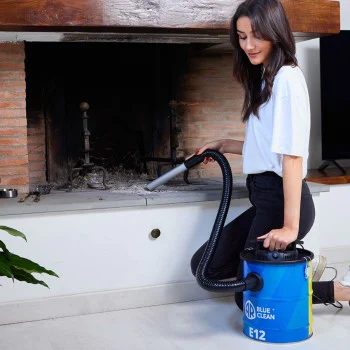
| Ash vacuum cleaners | Fireplaces, stoves, barbecue areas | Metal container and filtration of very fine particles |
Criteria for choosing a vacuum cleaner
Power, suction, and capacity
Power is an indicator of working capacity, but it is not the only parameter. Suction power, turbine design, and effective filtration directly influence the results. For larger areas and dirt with coarser particles, look for vacuum cleaners with a larger dustbin to reduce the number of interruptions for emptying. For an apartment, office, or small garage, a more compact model makes storage and transport easier.
Dry, wet, or combination cleaning
Dry models are suitable for standard maintenance, carpeted floors, hard floors, and furniture. Wet-dry vacuum cleaners expand the scope of work because they collect spilled water, muddy footprints, and wet debris when designed for that purpose. During renovations or work in a car repair shop, this type of machine is practical, as a single unit can handle several different situations.
Corded and Cordless Solutions
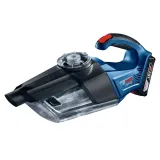
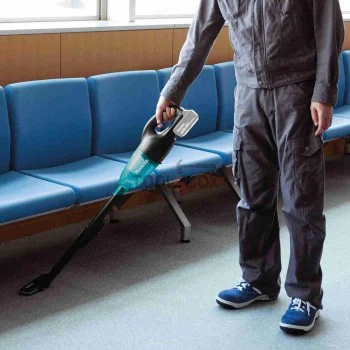
Corded vacuum cleaners are preferred for extended use, larger spaces, and heavy-duty tasks in a service center or workshop. Cordless models offer more freedom for quick cleaning, working around a car, stairs, tight spaces, or areas without easy access to an outlet. When choosing these, you should consider battery capacity, charging time, and compatibility with other machines from the same battery platform, if one is used.
Filters, bags, attachments, and accessories
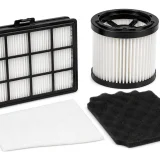
Filtration is crucial for air quality and motor protection. For fine dust from sanding, drilling, or cutting, filters with better retention of fine particles are required. Some vacuum cleaners use bags, others use a bagless container, and some professional models feature a system for easier filter cleaning. Bags and filters must be selected according to the specific model, as the size, shape, and method of attachment vary.
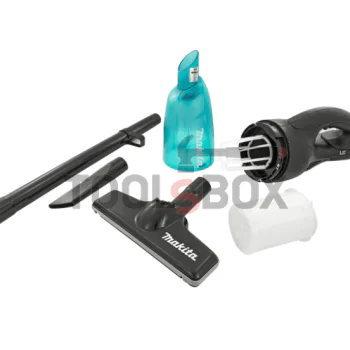
The attachments change how the vacuum operates. Wide nozzles are practical for floors, narrow attachments reach into crevices, corners, and around furniture, and brushes are useful for textiles, upholstery, and delicate surfaces. For workshops and construction, the hose, the diameter of the connections, the ability to connect to power tools, and the availability of adapters are important. This way, dust is captured close to the cutting, sanding, or drilling site.
Safe operation and maintenance
Working with vacuum cleaners requires proper handling depending on the type of debris. Do not vacuum hot ash with a standard unit, do not collect liquids with a model intended only for dry cleaning, and do not allow the container to be filled beyond the specified limit. When dealing with construction dust, it is advisable to use a suitable fine-particle filter and monitor its condition, as clogging reduces suction power and strains the motor.
Regularly emptying the container, replacing or cleaning the filters, and inspecting the hose extend the machine's lifespan. After wet cleaning, the container must be dried to prevent odors and the buildup of contaminants. For ash vacuums, wait until the material has completely cooled down, and handle the filter with care due to the fine structure of the ash.
Vacuum cleaners for professional and home use at Toolsbox.bg
Vacuum cleaners are best selected based on the area, type of flooring, frequency of use, type of debris, and required accessories. Compact and easy-to-store models are convenient for home use; for a workshop, look for a more durable container and a good set of attachments; and for construction and service, higher capacity and reliable filtration are needed. Browse the options at Toolsbox.bg and choose a machine that suits the specific job, available space, and maintenance requirements.