
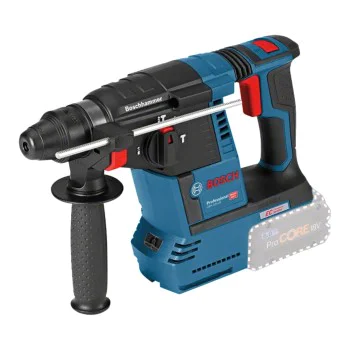
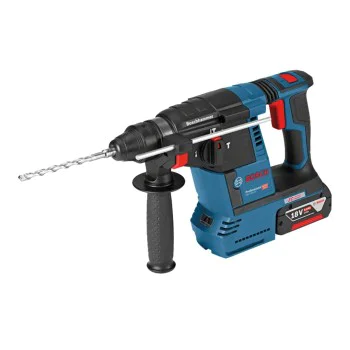
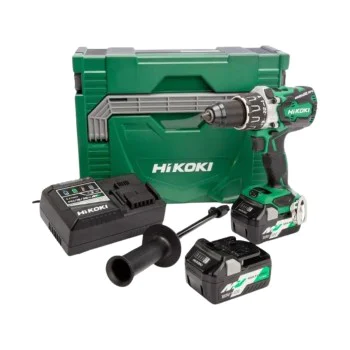
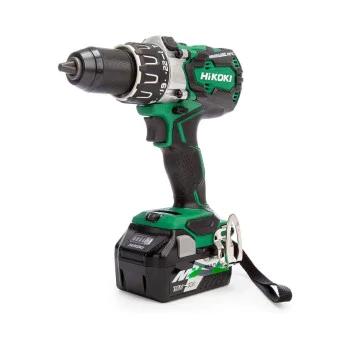
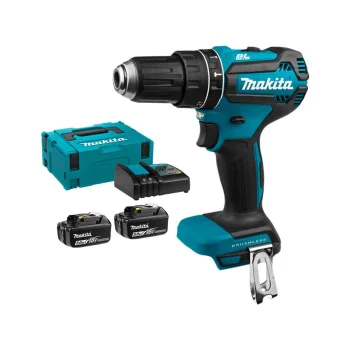
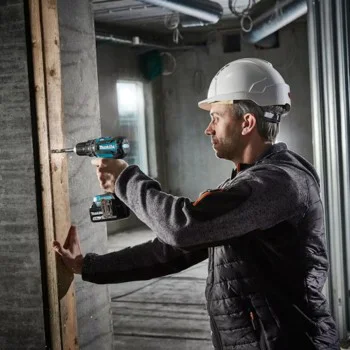
Cordless impact drills
Cordless hammer drills for drilling and screwdriving
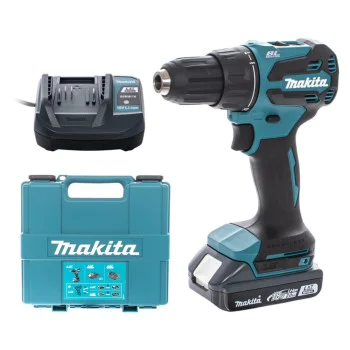
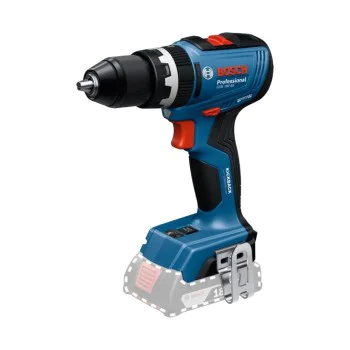
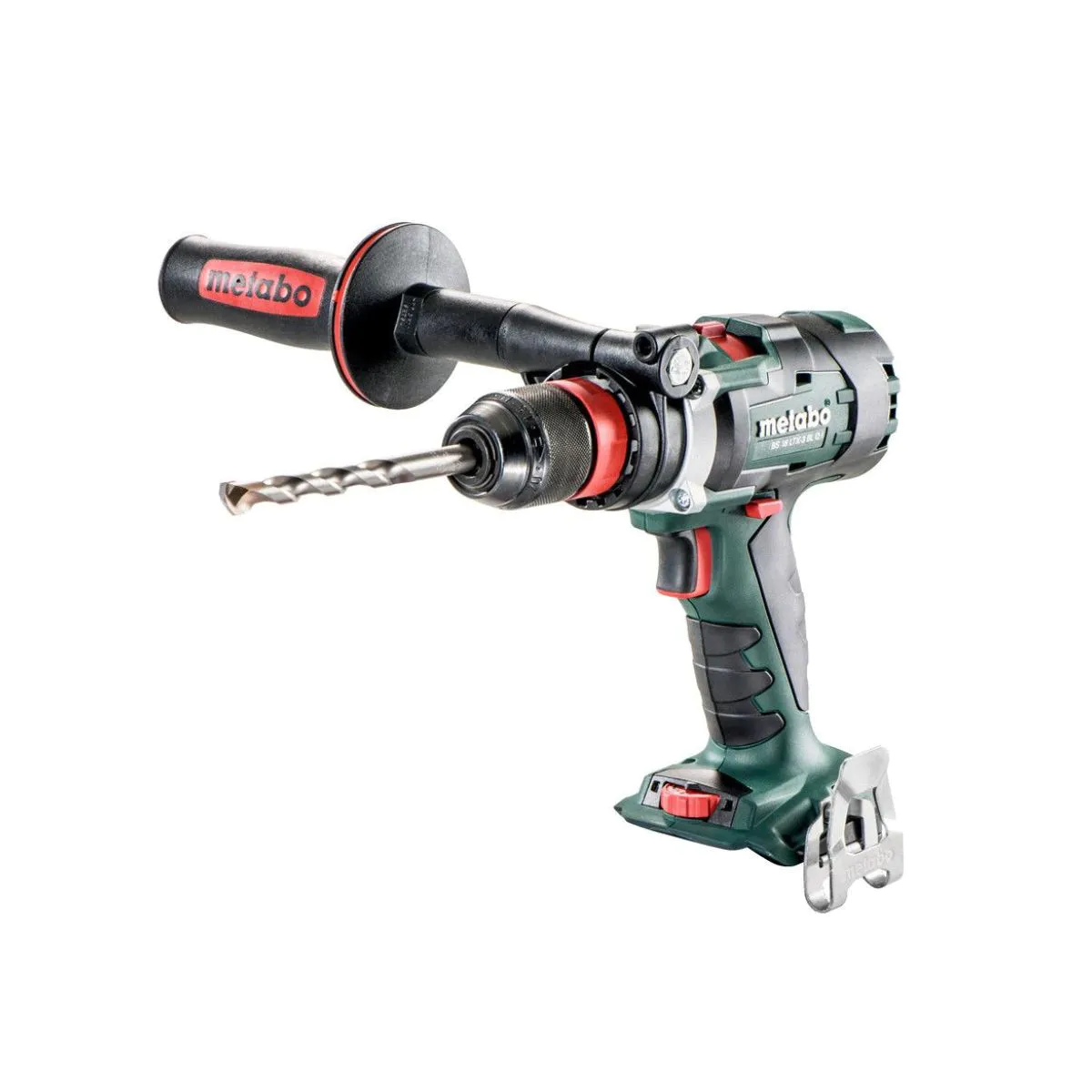
Cordless hammer drills provide mobility during installation, repair, and construction work where a power cord restricts movement. They combine the functions of a standard drill, screwdriver, and hammer mechanism, making them ideal for drilling in wood, metal, plastic, brick, and lightweight masonry, as well as for driving screws of various sizes. Whether working on a job site, in a workshop, garage, or at home, a cordless hammer drill saves time when frequently changing work locations and provides freedom for overhead installation, in tight spaces, or in areas without a nearby power outlet.
Toolsbox.bg offers a selection of models for professional use and for demanding DIY enthusiasts. They differ in battery voltage, torque, chuck capacity, number of speeds, clutch settings, ergonomics, and included accessories. This makes it easy to match them to the type of job-from assembling furniture and installing fasteners to drilling holes in harder materials.
Applications of cordless hammer drills
The hammer mode is useful for drilling into brick, aerated concrete, lime-cement plaster, and similar building substrates. For wood and metal, the tool operates without hammering, using the correct drill bit and speed. For screws and self-tapping fasteners, bits and torque control are used, which protects the material from over-tightening and reduces the risk of damaging the screw head.
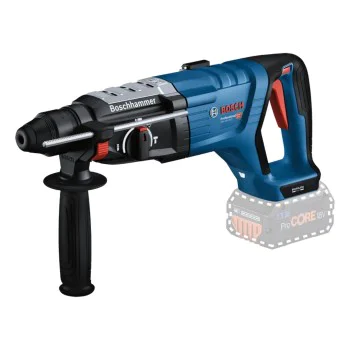
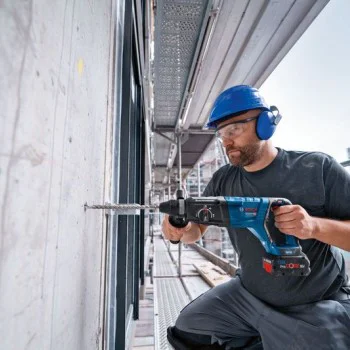
These types of drills are practical for electrical installations, furniture assembly, drywall construction, shelf installation, light metal structures, hanging fixtures, fence repairs, sheds, and yard work. For heavy-duty drilling in concrete, reinforced slabs, or continuous work with large holes, a hammer drill with an SDS chuck is a more suitable tool. A cordless hammer drill is more versatile for mixed-use applications where drilling and screwing alternate.
How to choose the right model
When choosing a cordless hammer drill, consider the workload, materials, and available batteries. For installation work and home use, compact 12 V or 18 V models offer good maneuverability. For more intensive work, larger holes, and longer screws, 18 V machines with higher torque and two mechanical speeds are usually preferred.
- Voltage and battery capacity-these affect the power, runtime, and weight of the tool.
- Torque-a higher value helps with large screws, drill bits, and drilling into denser materials.
- Chuck - a quick-release chuck makes it easier to change drill bits and bits; its size determines the maximum shank diameter.
- Speeds and settings-low speed for screwing and high speed for drilling provide better control.
- Hammer function-useful for masonry, but does not replace a hammer drill when working with heavy concrete.
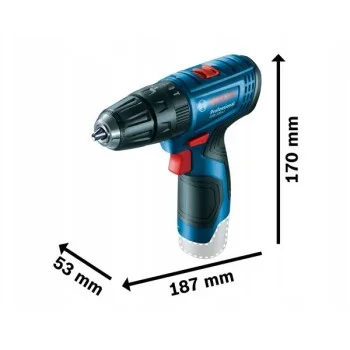
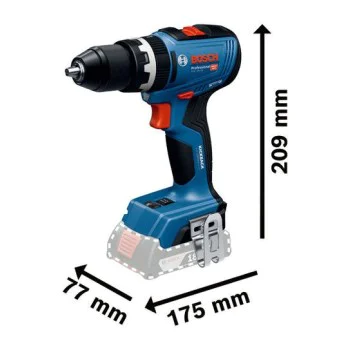
- Weight and grip-during prolonged use, a comfortable grip reduces fatigue and improves accuracy.
- LED light and belt hook-small but practical details for working in dimly lit areas.
Batteries, chargers, and compatibility
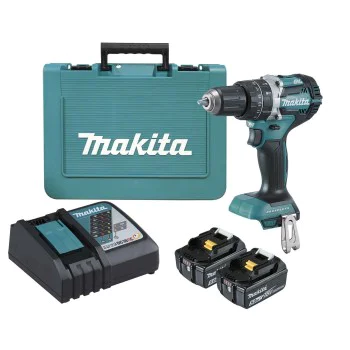
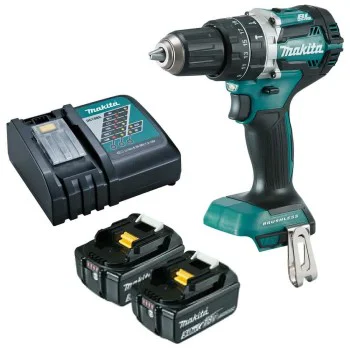
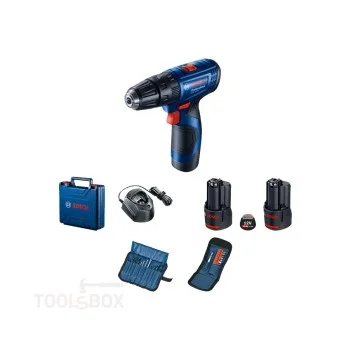
Battery platforms are a key part of the decision. If you already have batteries and a charger from a specific series, a compatible model without batteries can reduce costs and make it easier to work with multiple tools. Kits with a battery and charger are convenient for a first purchase or when building your own set of power tools. A higher battery capacity extends runtime between charges but increases weight, which is noticeable during overhead installation.
For service teams and professional installers, having a second battery is useful because one can be charging while the other is in use on the job site. For home use, a lighter battery is often sufficient, provided the tool isn't subjected to prolonged use with large drill bits or hard surfaces.
Drill bits, bits, and proper operation
Good results depend not only on the tool but also on the accessories. For metal, use sharp HSS drill bits; for wood, use twist, flat, or router bits; and for masonry, use carbide-tipped drill bits. When screwing, the bit must match the screw head profile exactly-PH, PZ, Torx, or hex. An incorrect bit causes slipping, fastener wear, and reduced control.
Working in hammer mode requires a stable grip and proper pressure. Excessive pressure does not speed up drilling but strains the motor, battery, and drill bit. For metal, a lower speed and cooling appropriate for the material are recommended. When working with wood, a clean hole is achieved with the right drill bit and moderate speed. For safety, wear safety goggles, keep cables and pipes behind walls, and secure the workpiece when drilling small holes.
Maintenance and Long Service Life
After use, clean dust from the chuck and ventilation openings. Store batteries in a dry place, away from excessive heat and cold. It is not advisable to let the machine run until the battery is completely drained during heavy drilling, as the electronics and battery operate under higher stress. Regularly checking the chuck, bits, and drill bits maintains accuracy and reduces unnecessary strain.
Browse the cordless hammer drills at Toolsbox.bg and choose a model based on the material, frequency of use, battery platform, and power required for your installation and repair tasks.