


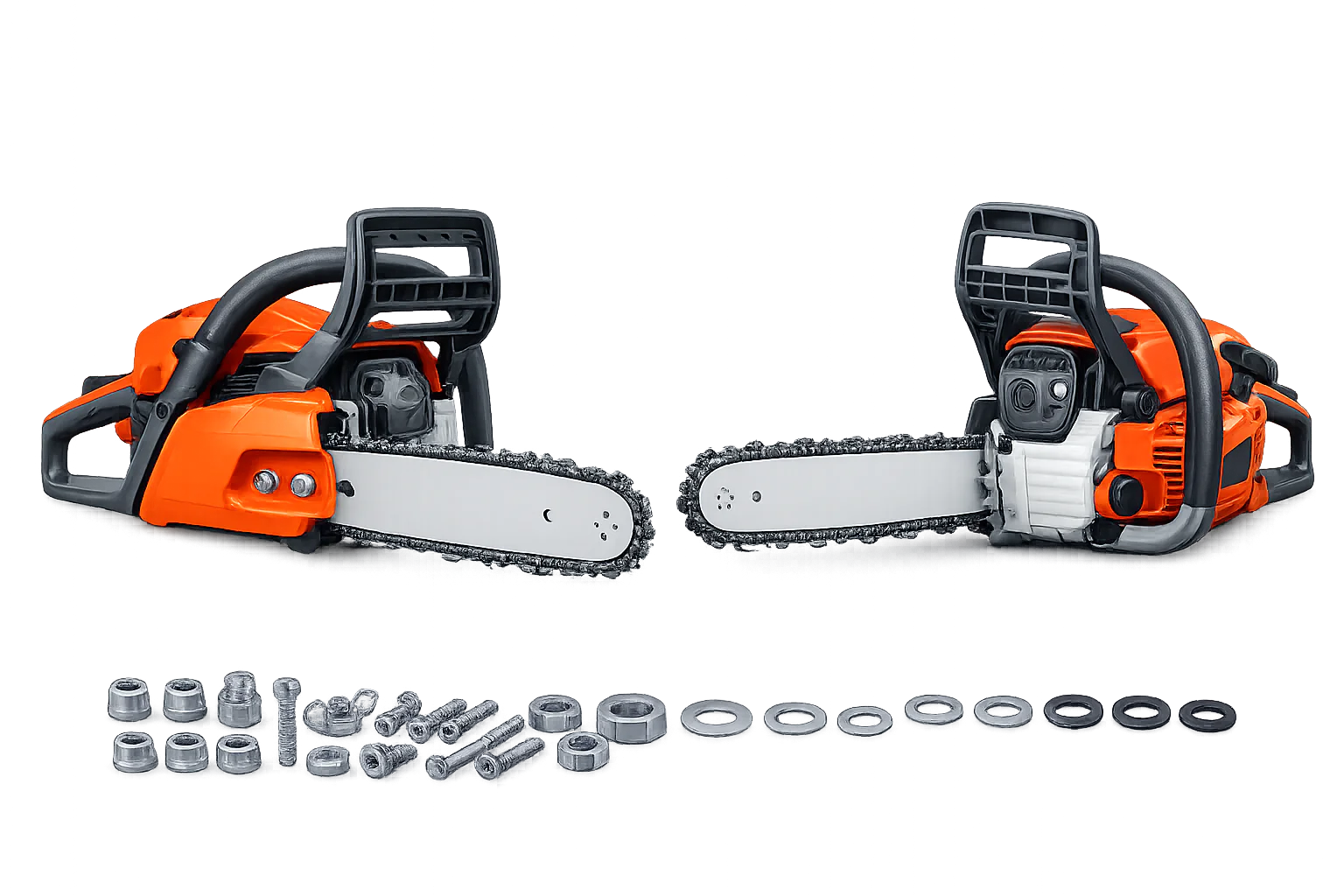
Wood cutters
Wood-cutting saws for cutting, maintaining, and preparing lumber
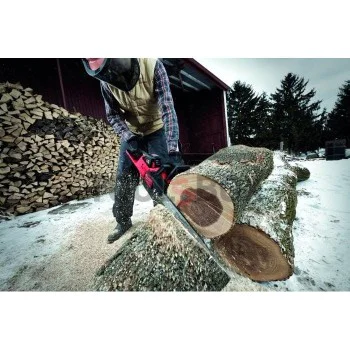
Wood splitters are practical machines for quickly cutting logs, trimming branches, shaping wood, and preparing firewood. They are used in the yard, garden, cottage, farm, workshop, and for landscaping maintenance. Toolsbox.bg offers models for home use, seasonal work, and more intensive use, so you can choose based on cutting frequency, wood thickness, and your preferred power source.
Chainsaws differ in power, weight, bar length, engine type, lubrication system, ease of maintenance, and comfort level during prolonged use. For cutting firewood, you need a sturdy chain, a well-matched bar, and a motor that maintains a steady RPM. For pruning and light tasks, more compact machines are preferable, as they are easier to handle and cause less fatigue for the operator.
Main Types of Chainsaws
Choosing a chainsaw starts with the power source. Each option has different performance characteristics, maintenance requirements, and levels of autonomy. For a yard with access to electricity, electric models are often preferred, while for a forest, orchard, or remote location, gasoline and battery-powered models are more practical.
| Machine Type | Typical applications | What to Consider |
|---|---|---|
| Gas-powered chainsaws | Cutting logs, off-site work, longer sessions | Power, displacement, weight, fuel consumption, engine maintenance |
| Electric chainsaws | Yard, workshop, preparing firewood near an outlet | Cable length, power, overload protection |
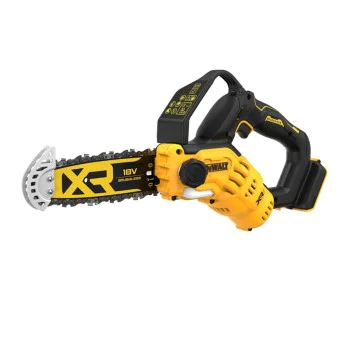
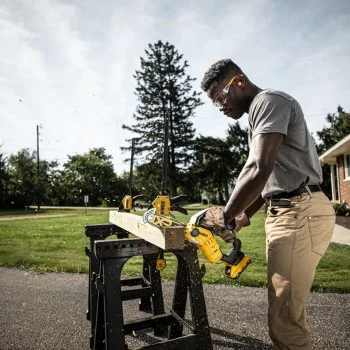
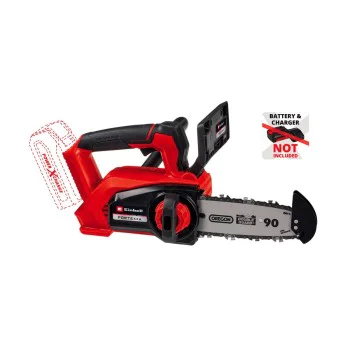
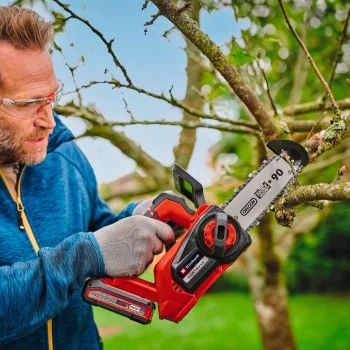
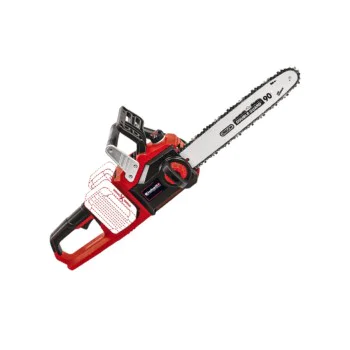
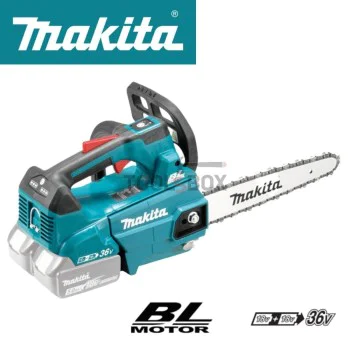
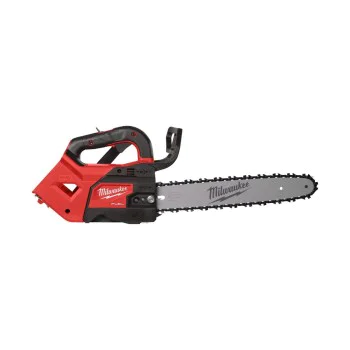
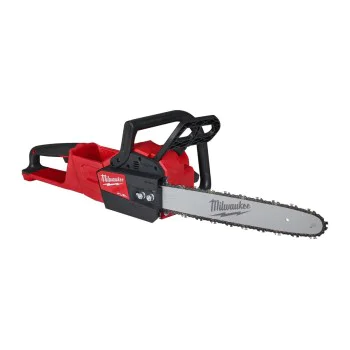
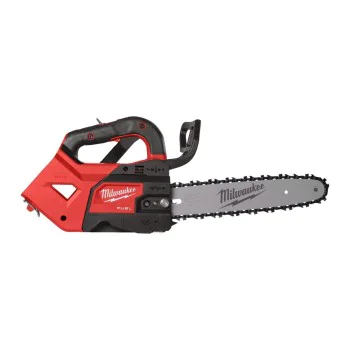
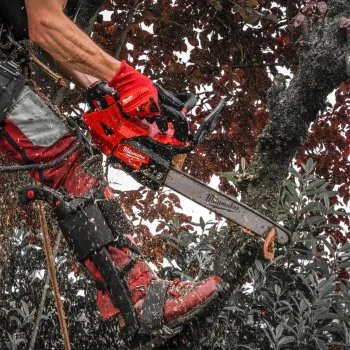
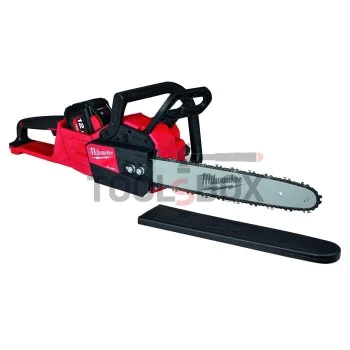
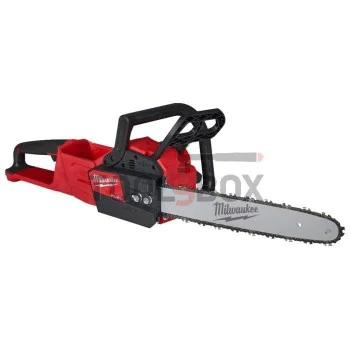
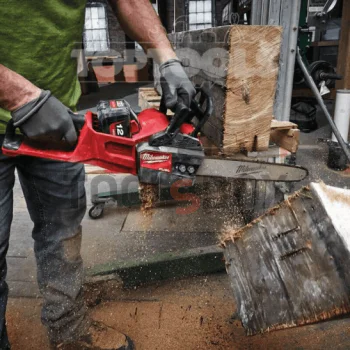
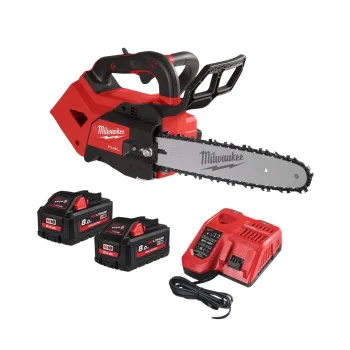
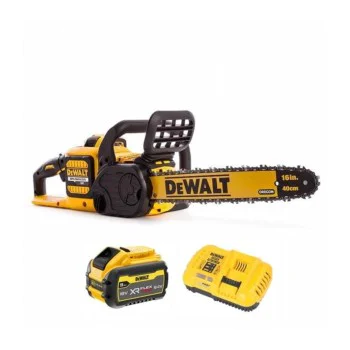
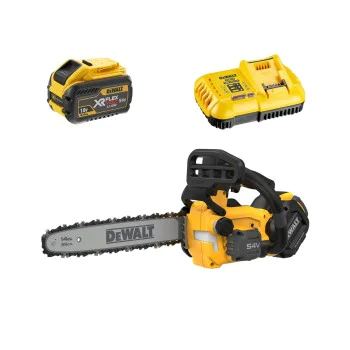
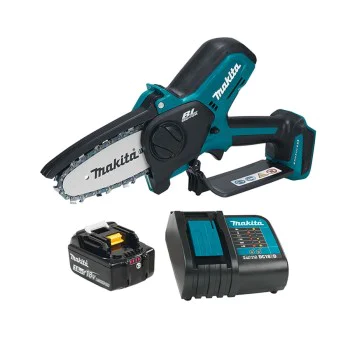
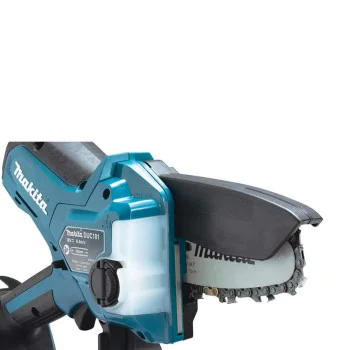
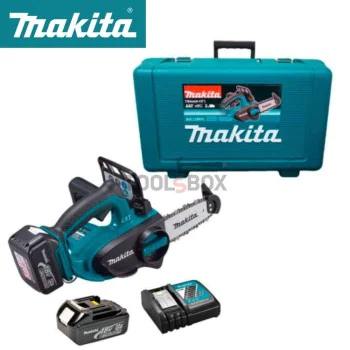
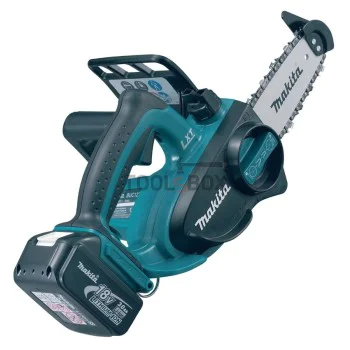
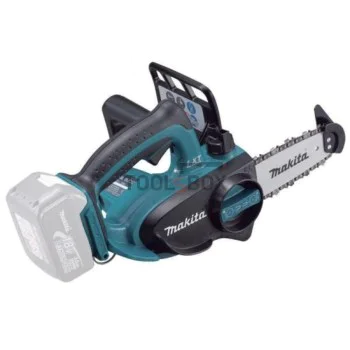
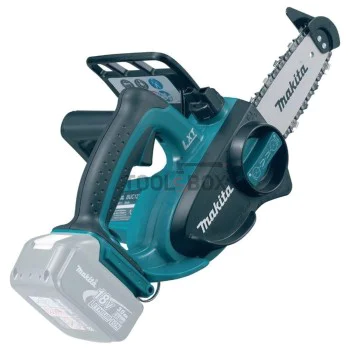
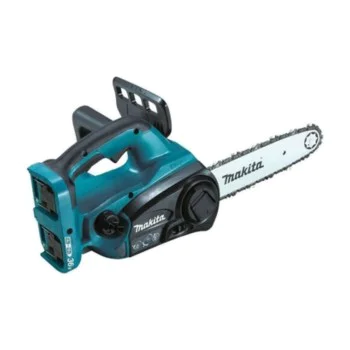
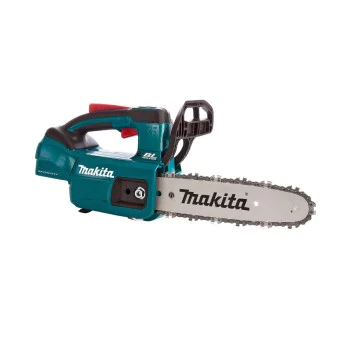
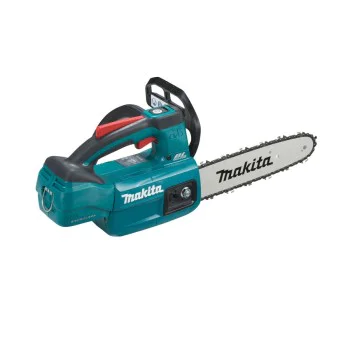
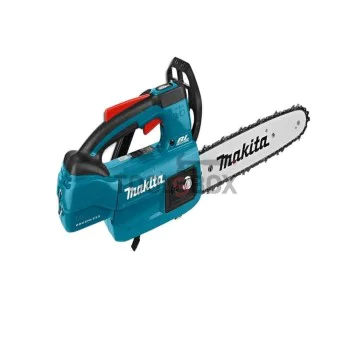
| Cordless chainsaws | Pruning, lighter cuts, garden maintenance | Battery capacity, charger compatibility, runtime |
Gas-powered models for heavier-duty work
Gas-powered chainsaws are preferred when working away from the power grid and when cutting thicker logs. They rely on an internal combustion engine, a fuel mixture, and a chain lubrication system. They offer good autonomy but require regular maintenance: cleaning the air filter, checking the spark plug, ensuring the correct fuel mixture, and timely replacement of worn-out consumables.
Electric and battery-powered options for the yard and garden
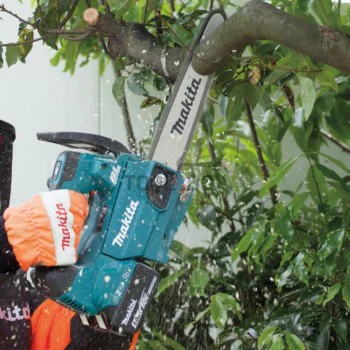
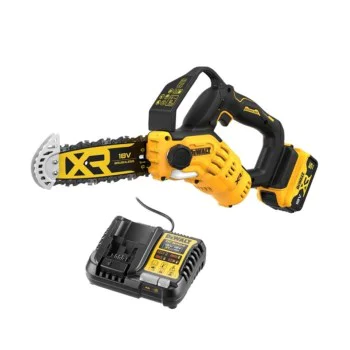
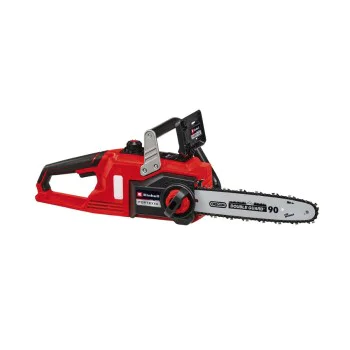
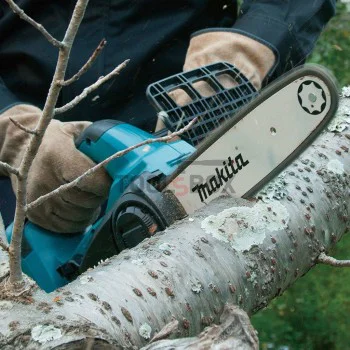
Electric chainsaws are convenient for cutting prepared logs, slats, branches, and wood around the home. They operate with lower vibration and do not require fuel, which simplifies maintenance. Cordless models offer freedom of movement and are very practical for quick tasks, pruning, and seasonal garden care. When choosing one, consider battery voltage, capacity, compatibility with other machines in the same series, and the availability of replacement batteries.
How to choose a chainsaw based on the job
Wood-cutting saws aren't chosen based on power alone. For comfortable and safe operation, the size of the wood, the duration of use, the operator's experience, and access to supplies all matter. A more powerful machine cuts more confidently but is usually heavier. A lighter one is easier to handle but is not designed for prolonged cutting of large logs.
- Bar length-a shorter bar is suitable for branches and thin logs, while a longer bar is preferred for large timber.
- Engine power-higher power aids in smooth cutting through hard or thick wood.
- Weight and ergonomics-for extended use, a comfortable grip and good weight distribution are essential.
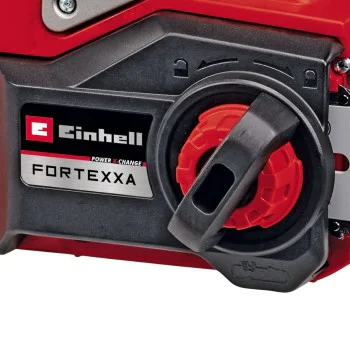
- Chain tensioner-quick access to adjustment saves time during maintenance.
- Chain lubrication-a continuous oil film reduces wear on the guide bar and chain.
- Vibration and noise levels-lower values improve comfort and control.
Bar, chain, and consumables
The performance of any chainsaw depends directly on the condition of the guide bar and chain. A dull chain puts a strain on the engine, slows down the cut, and increases the risk of kickback. The chain is selected based on pitch, drive link thickness, and number of links, while the guide bar is chosen based on length and compatibility with the specific machine. Regular maintenance requires chain oil, sharpening files, spare chains, guide bars, and personal protective equipment.
When cutting dirty wood, branches with sand, or logs that have been lying on the ground, the chain wears out faster. A clean cut, proper tension, and sufficient lubrication protect the machine and provide better control. To extend the equipment's lifespan, clean the chain after use, flip the guide bar periodically, and clear the oil channel of debris.
Safety When Working with Chainsaws
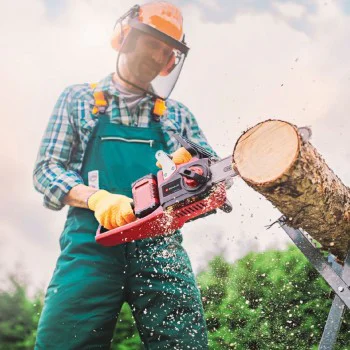
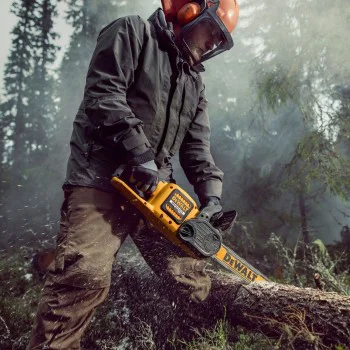
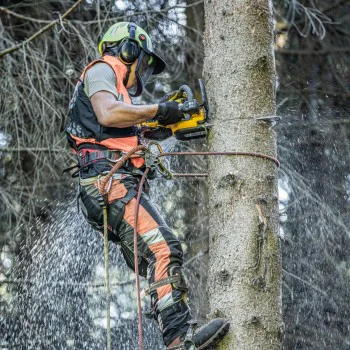
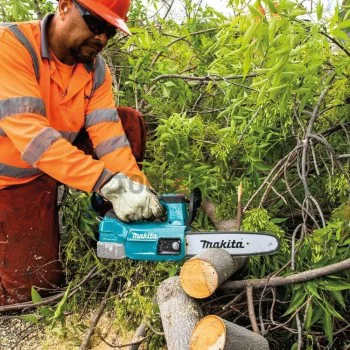
Chainsaws are powerful tools and require calm, well-organized work. Safety goggles or a helmet, gloves, ear protection, shoes with sturdy soles, and cut-resistant clothing reduce the risk of injury. Before cutting, check the direction in which the branch or log will fall, the support point of the material, and the clear space around the operator. The chain must not touch the ground, rocks, or metal, as this accelerates wear and impairs control of the machine.
Kickback is one of the main risks when working with a chainsaw. It occurs when the tip of the guide bar comes into contact with a hard material or when the chain becomes jammed. A stable stance, a firm two-handed grip, proper cutting technique, and a functioning chain brake are all part of safe operation. Start the machine on a stable surface, and transport it with a protective cover over the guide bar.
Chainsaws for home, cottage, and professional use
For home use, people typically look for compact, easy-to-use chainsaws with sufficient power for seasonal cutting and a reasonable weight. For a vacation home or rural property where larger quantities of firewood are prepared, machines with a longer bar and higher power output are more suitable. For professional use in landscaping, logging, or intensive maintenance, models with a durable engine, a stable anti-vibration system, and quick access to service components are required.
Browse the available chainsaws at Toolsbox.bg and choose a machine based on the material, frequency of use, and necessary accessories. The combination of the right guide bar, a sharp chain, high-quality oil, and appropriate safety gear makes cutting more precise, safer, and more comfortable-whether for seasonal wood preparation or regular yard and garden maintenance.