
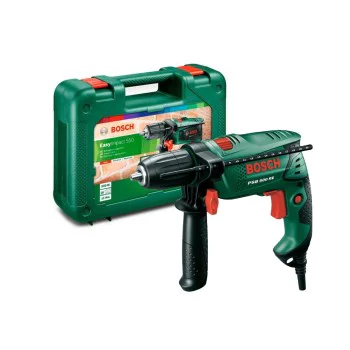
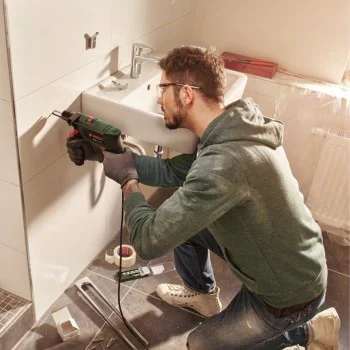
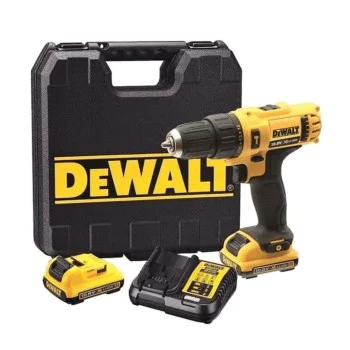
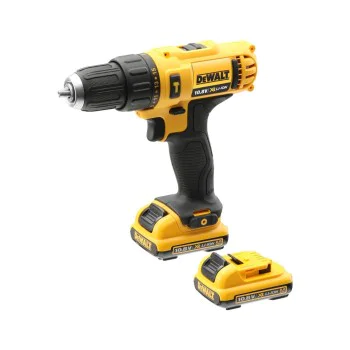

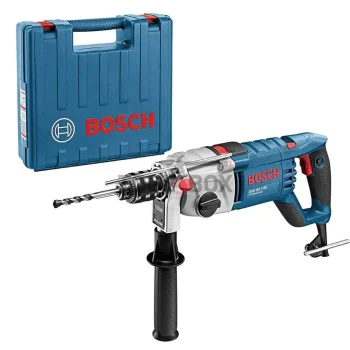
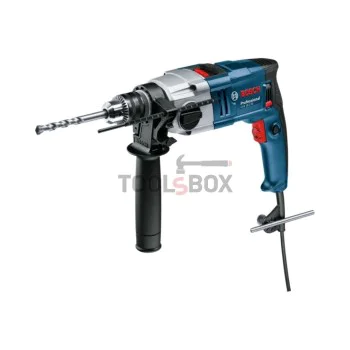
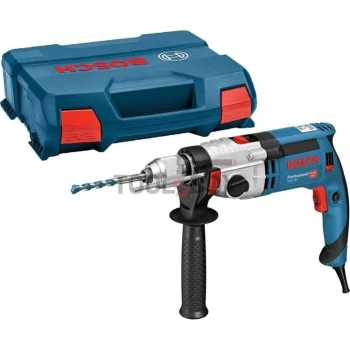
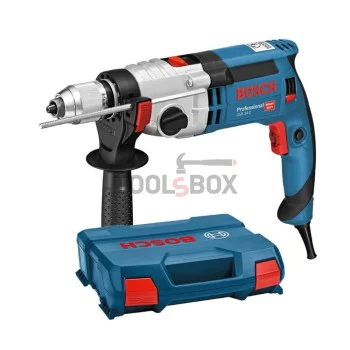
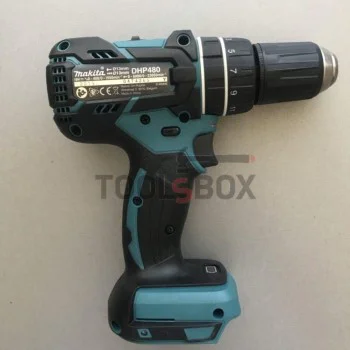
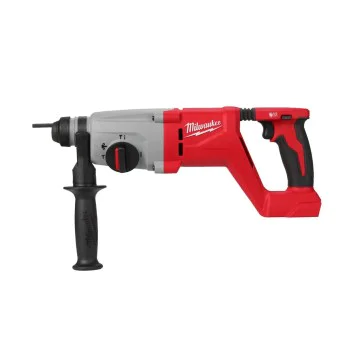
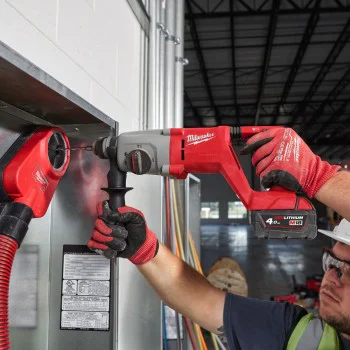
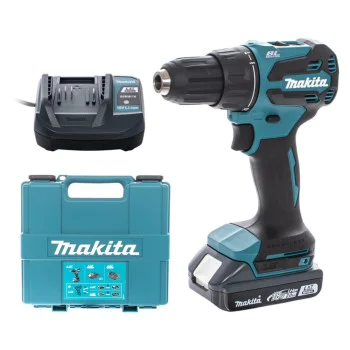
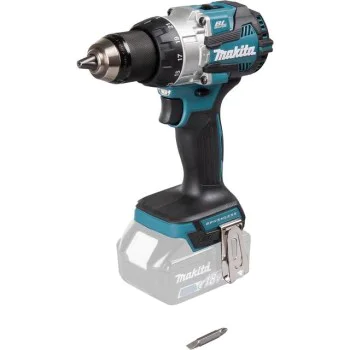
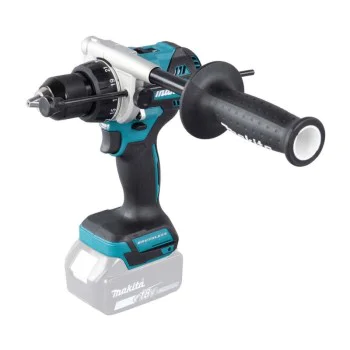
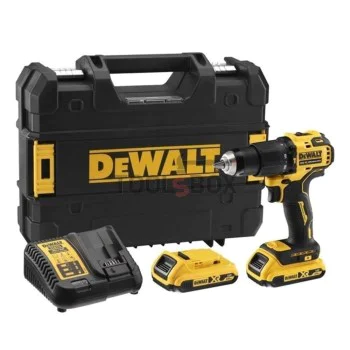
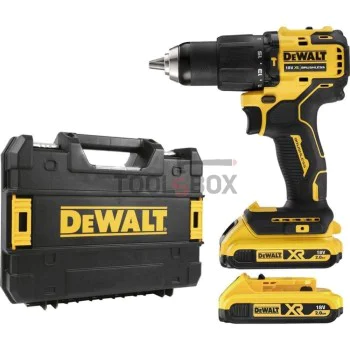
Cordless drills
Cordless Drills for Mobile Drilling and Screwdriving
Cordless drills are practical tools for drilling, driving, and removing fasteners without a cord or the need to find an outlet. They are invaluable for furniture assembly, finishing work, maintenance tasks, garage projects, construction sites, and home maintenance. With the right model, you can work comfortably in wood, metal, plastic, drywall, and lightweight masonry, and switching between drill bits and screwdriver bits is quick thanks to a chuck or bit holder.
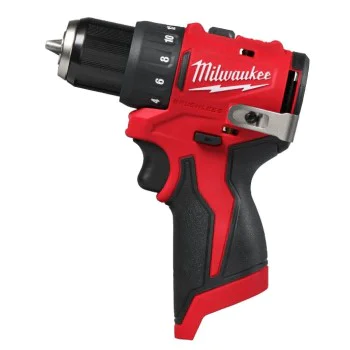
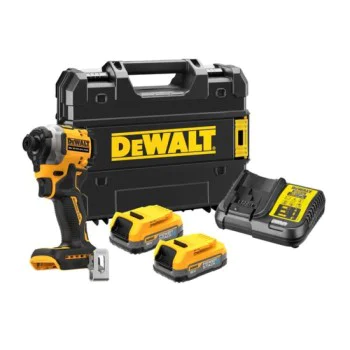
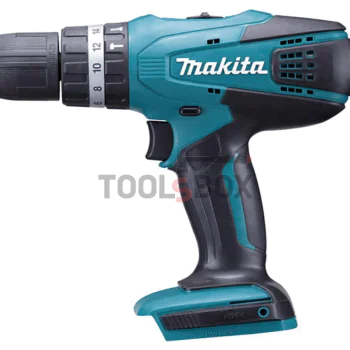
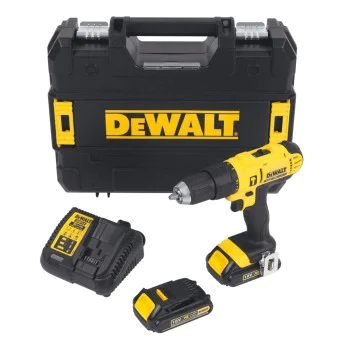
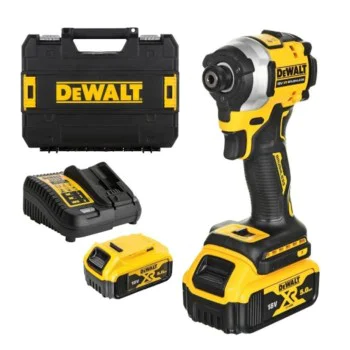
The range includes compact tools for light tasks, more powerful drill/drivers for daily work, cordless hammer drills for drilling into brick and masonry, brushless motor models, and kits with batteries, a charger, and a carrying case. The differences between them are noticeable in terms of load capacity, runtime, speed control, torque, and ease of use when working overhead or in tight spaces.
Where are cordless drills used?
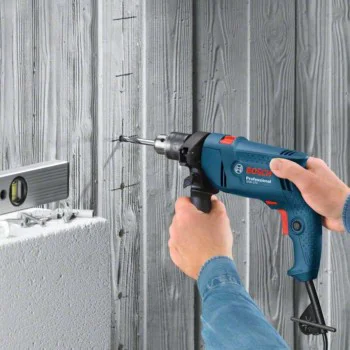
A cordless drill is a valuable tool for installing cabinets, kitchens, shelves, doors, hinges, baseboards, drywall panels, metal profiles, and wooden structures. For home repairs, it replaces several hand tools because it drills holes, drives screws, and helps remove old fasteners. In a workshop, it is used for serial screwdriving, pre-drilling, and fine finishing operations.
For professional use, load capacity, quick battery changes, a secure grip, and precise speed control are key. For installation teams and service technicians, the low weight and compact design reduce fatigue during prolonged use. For home and hobby use, the most valuable features are ease of use, sufficient torque, and a set of basic accessories.
Types of cordless drills
| Type of tool | Typical use | Practical guide |
|---|---|---|
| Compact 10.8-12 V | Furniture assembly, minor repairs, working in tight spaces | Lightweight, comfortable, and easy to control for precision work |
| 18 V or 20 V class | Installation, drilling in wood and metal, longer tasks | Higher torque and better power reserve under load |
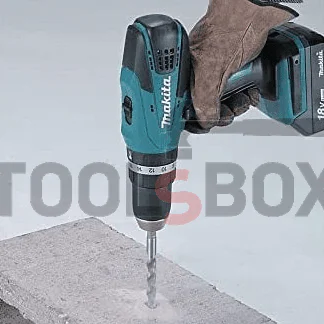
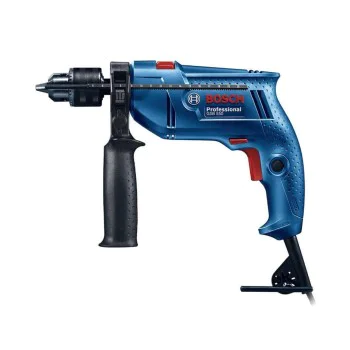
| Cordless impact drill | Holes in brick, masonry, and harder building materials | The hammer mode expands the range of applications for repair work |
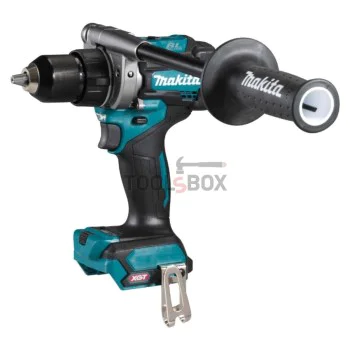
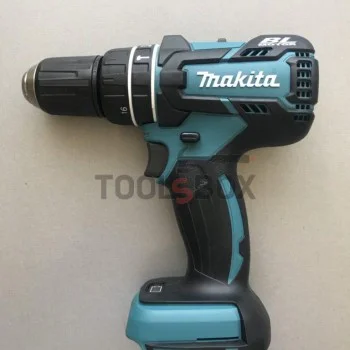
| Brushless drill | Intensive work, service, installation, and frequent task changes | Better energy management and reduced motor wear |
How to choose the right model
When purchasing, compare voltage, battery capacity, torque, RPM, number of speeds, and chuck type. Higher voltage typically provides more power for drilling and driving, while a battery with greater capacity ensures longer runtime on a single charge. For light tasks around the house, a compact tool is convenient, while for assembling structures, working with long screws, or drilling with larger bits, a more powerful model is needed.
Torque is important when screwing into wood, metal profiles, and dense materials. The adjustable clutch protects the screws and the work surface from over-tightening. The two-speed gearbox provides better control: low speed for driving with more force and high speed for drilling. The smooth adjustment via the trigger is convenient when starting the hole and when working with different fasteners.
The chuck affects working speed and compatibility with drill bits. 10 mm and 13 mm keyless chucks are common on cordless drills. The larger diameter accommodates a wider range of drill bits, and the metal chuck withstands heavy loads better. For driving screws, you need bits with the correct profile-PH, PZ, Torx, hex, or others depending on the fastener.
Batteries, Chargers, and Compatibility
Lithium-ion batteries are the standard in modern cordless drills. They feature low self-discharge and perform well during repeated charging cycles. Capacity is measured in ampere-hours and affects runtime. A smaller battery is sufficient for short DIY tasks, while a two-battery set minimizes downtime for installation and construction work.
Check compatibility with the brand's battery platform, especially if you already own other cordless tools. The same battery often powers a drill, screwdriver, angle grinder, circular saw, or garden tool from the same series. This saves space in the workshop and makes it easier to get ready for work. The charger, charging time, and capacity indicator are details that affect daily convenience.
Accessories, Consumables, and Safe Operation
A good cordless drill works best with compatible drill bits, bits, holders, adapters, and attachments. For wood, you need sharp twist or flat drill bits; for metal, HSS drill bits; and for masonry, carbide-tipped drill bits with a hammer mode. When driving long screws, a magnetic chuck and the right bit reduce slippage and damage to the screw head.
When working, wear safety goggles, secure the workpiece firmly, and select the correct speed for the material. Do not apply excessive pressure to the tool-a sharp drill bit and the correct setting result in a cleaner hole and less heat buildup. After use, clean dust from the ventilation slots, store the batteries in a dry place, and use a case or bag for transport. This extends the tool's lifespan and keeps accessories organized.
Choose a cordless drill based on your tasks
At Toolsbox.bg, you'll find cordless drills for repairs, installation, workshop use, and professional applications. Compare power, battery, chuck, hammer mode, weight, and accessories to select a tool that meets the actual demands of your work. Browse the available options and pair the tool with the right drill bits, bits, and accessories for precise, comfortable, and safe results.