
Thackery
Staplers for quick fastening with staples and nails
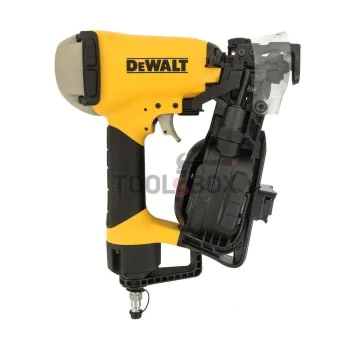
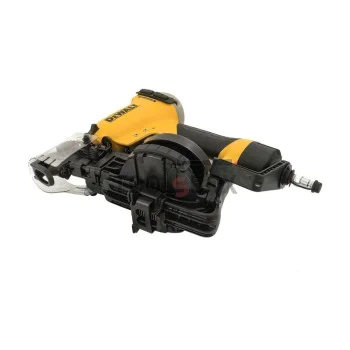
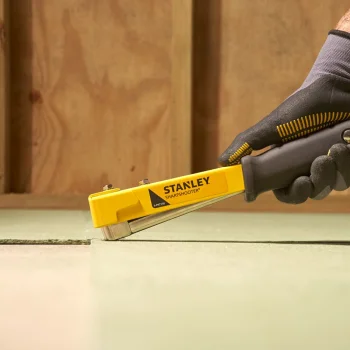
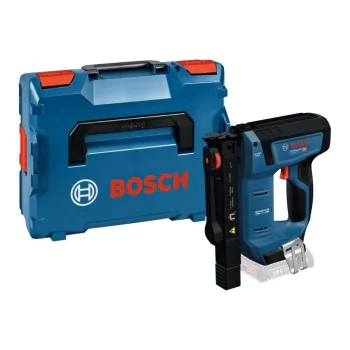
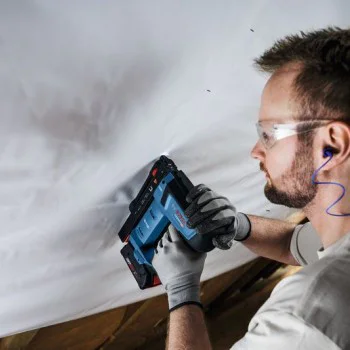
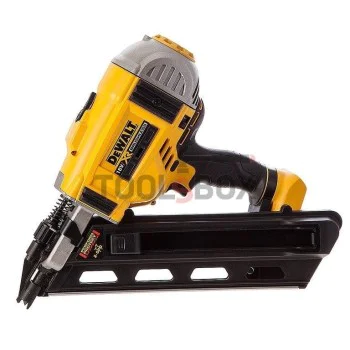
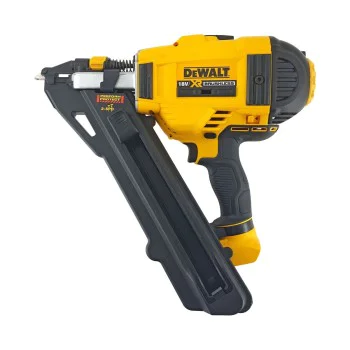
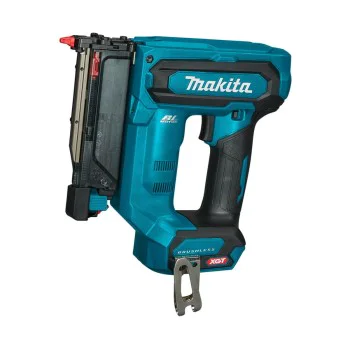
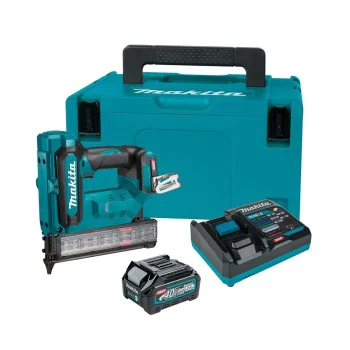
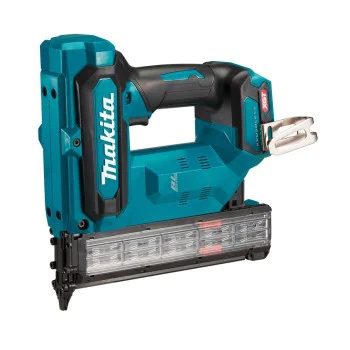
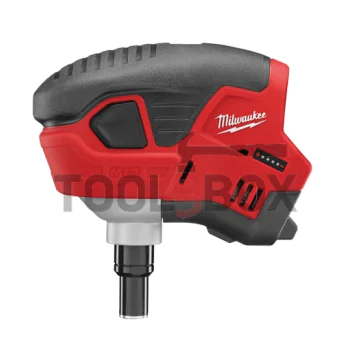
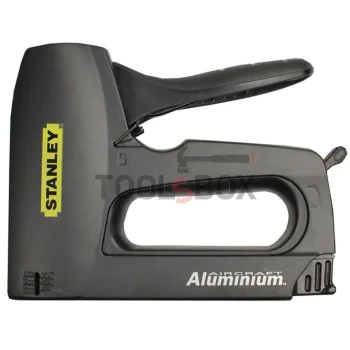
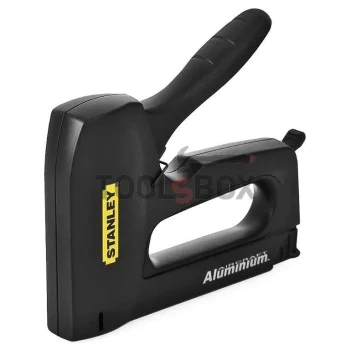
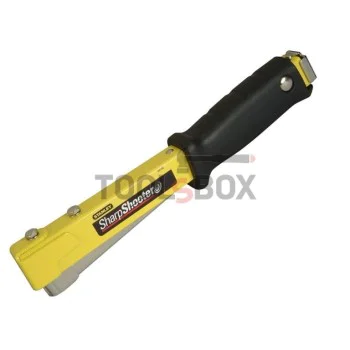
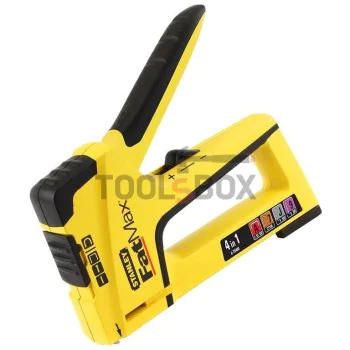
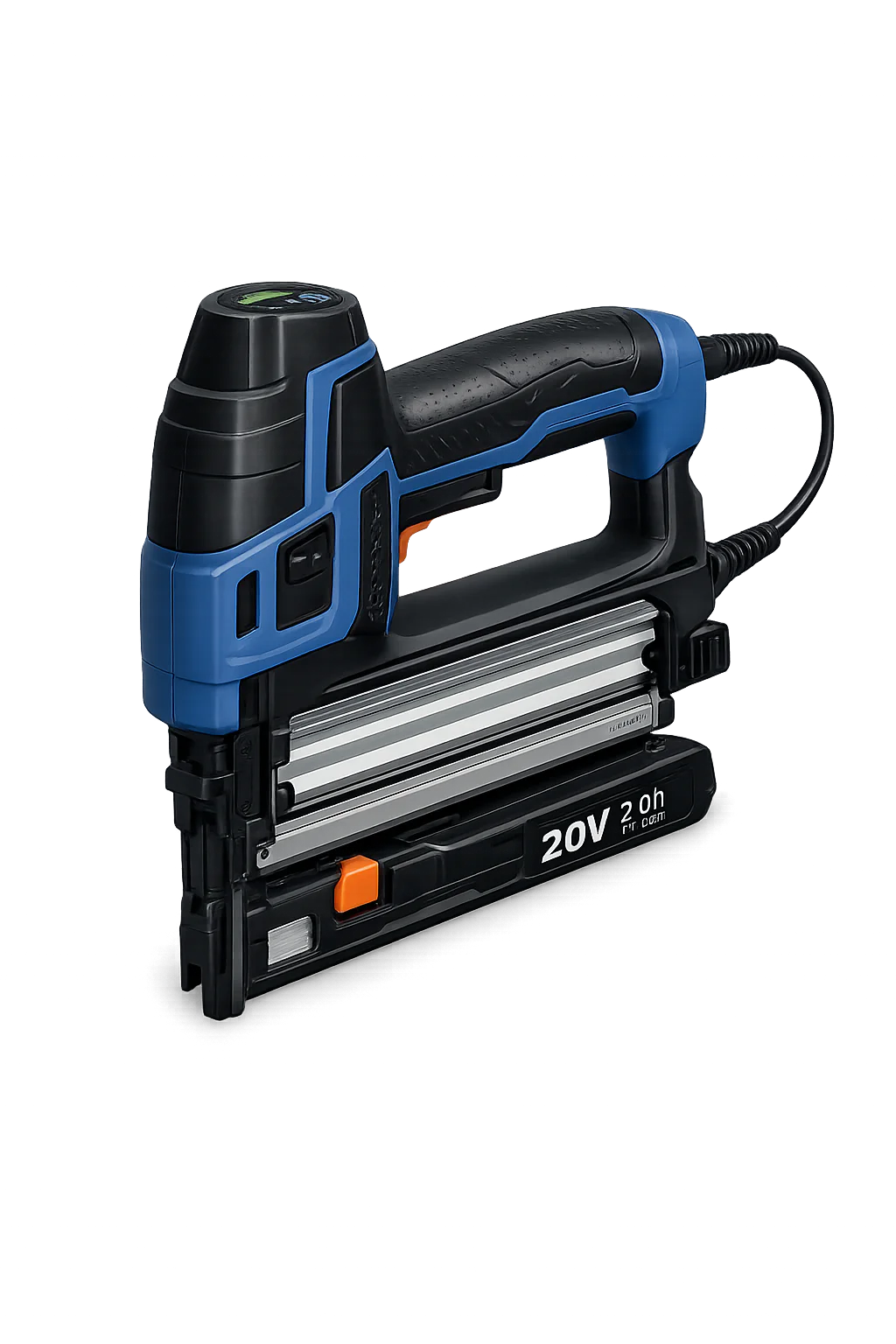
Staplers are practical cordless tools for fastening staples and nails during installation, repair, upholstery, and finishing work. They replace manual hammering where uniform fastening, a cleaner result, and less fatigue are desired during a series of repetitive operations. The cordless power source provides freedom of movement without a cable and without the need for a compressor, which is convenient when working in various rooms, on a job site, in a workshop, or on home projects.
In this section, you will find nailers for wood, panels, textiles, insulation materials, decorative elements, and light installation work. Models differ in consumable type, driving depth, magazine capacity, battery voltage, operating speed, and available settings. This allows every craftsman, installer, upholsterer, or discerning home user to select a tool based on the material and workload.
What the selection of nailers includes
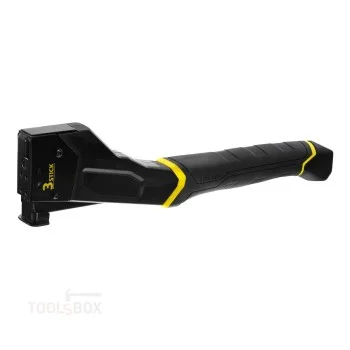
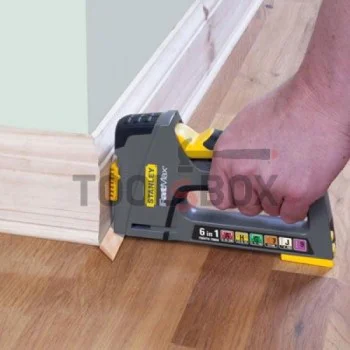
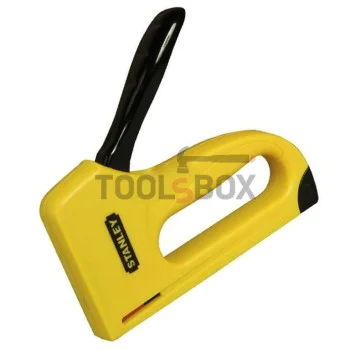
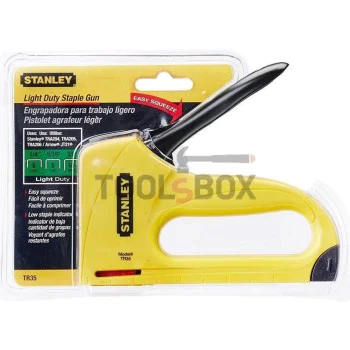
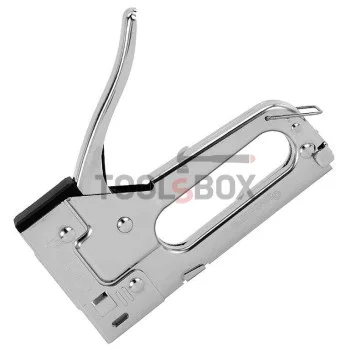
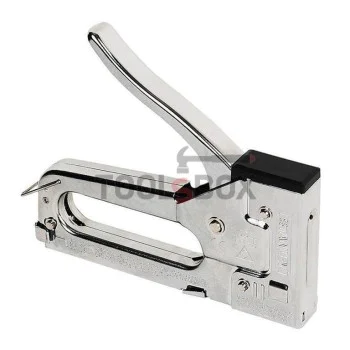
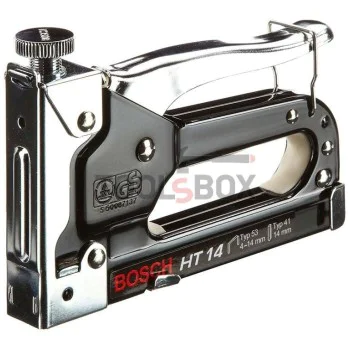
Nailers work with various consumables-staples, thin nails, fine pins, or combination options for staples and nails. Staple models are used for upholstery, securing foil, membranes, thin panels, textiles, and mesh. Nailers are convenient for installing trim, baseboards, decorative profiles, furniture backs, and other elements where the visible mark must be minimal.
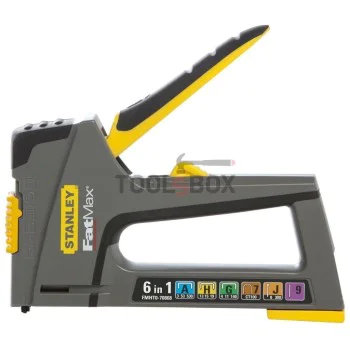
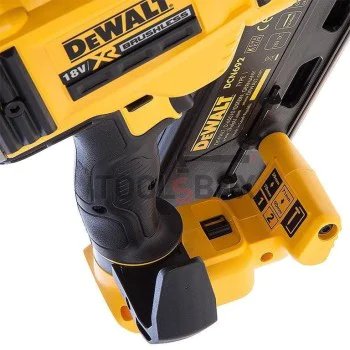
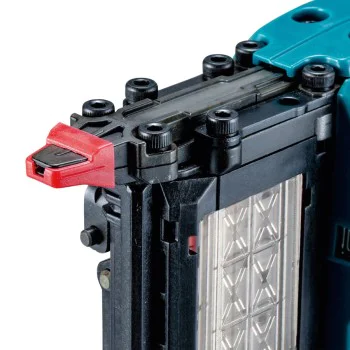
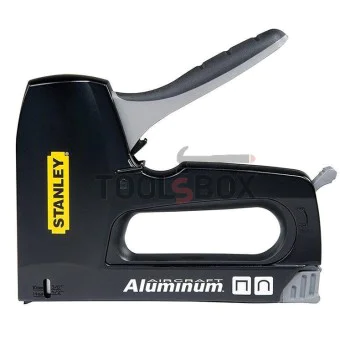
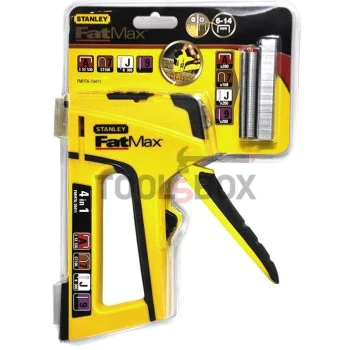
Combination tackers are a practical choice for craftsmen who work with different materials in a single day. They allow switching between staples and nails depending on the specific task. Some models feature depth adjustment, safety lock, rubberized grip, LED light, battery indicator, or a system for easier magazine loading. These features facilitate precise work and minimize interruptions.
Applications in installation, repair, and upholstery
Cordless tackers are useful for fastening upholstery, leather, decorative textiles, vapor barrier and waterproofing membranes, thin wood components, fiberboard, MDF elements, cardboard backs, and lightweight cladding. In construction and repair work, they are valued for quickly securing materials before final fastening, while in furniture manufacturing and repair work, they provide clean and repeatable fastening.
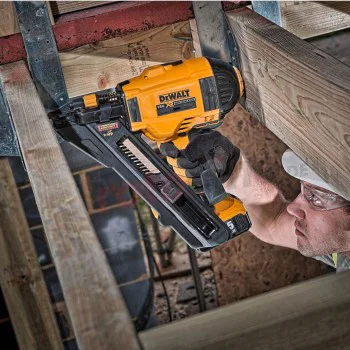
For home use, the tacker is convenient for small repairs, refurbishing chairs, securing netting, decorations, lightweight wooden frames, and auxiliary structures. For professional use, battery capacity, durability under heavy use, fast reloading of the magazine, and impact accuracy are key. For overhead work or in tight spaces, the lower weight and good balance of the body are a major advantage.
How to choose a staple gun for the job
When choosing a nailer, consider the material, the thickness of the workpiece, and the type of fastening. Soft materials like fabric and foil are usually secured with staples, while decorative wood elements and trim are installed more cleanly with thin nails. The length of the fastener is selected based on the thickness of the substrate, so that the fastening holds securely without piercing through unnecessarily or deforming the surface.
- Fastener type: staples for upholstery and membranes, nails for moldings and profiles, pins for fine finishing work.
- Compatible sizes: Check the width, thickness, and length of the staples or nails specified for the specific model.
- Depth adjustment: useful when switching from a soft to a harder surface.
- Magazine capacity: a larger capacity reduces downtime during continuous fastening.
- Power supply: battery voltage and capacity affect runtime and work pace.
- Ergonomics: weight, handle shape, and tool balance matter during prolonged use.
Comparison of the main types
| Type of stapler | Consumables | Typical tasks |
|---|---|---|
| Cordless staple gun | Staples of various lengths | Upholstery, foils, mesh, thin panels |
| Cordless nail gun | Thin nails or pins | Skirting boards, moldings, decorative profiles |
| Combination tacker | Staples and nails | Miscellaneous installation and repair work |
Consumables, compatibility, and safe operation
The correct consumables protect the stapler mechanism and ensure a secure fastening. Staples and nails must match the shape and dimensions specified by the tool manufacturer. Unsuitable consumables can cause jamming, incomplete driving, or marks on the material. For harder substrates, a more precise depth adjustment and a test fastening on a scrap piece are recommended.
Safety when working with a nailer is an essential part of achieving good results. Wear safety goggles, keep your hands away from the firing area, and remove the battery before servicing, cleaning, or changing consumables. Keep the magazine free of dust, debris, and bent staples. Store batteries in a dry place, away from excessive heat and moisture.
Staplers for workshops, installation, and home repairs
A well-chosen tacker reduces fastening time and improves repeatability during a series of identical operations. For intensive work, look for a model with a comfortable grip, a stable magazine, easy loading, and a battery with sufficient capacity. For occasional home repairs, more compact cordless nailers offer convenient control and easy storage.
Browse the selection at Toolsbox.bg and choose a nailer based on the fastener type, material, and scope of work. This way, you'll have a tool that fastens quickly, cleanly, and comfortably for installation, upholstery, repair, and finishing tasks.