
Kirky
Pickaxes for construction, excavation, and gardening
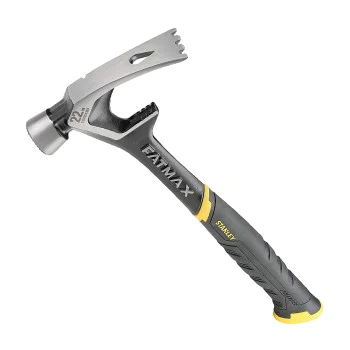
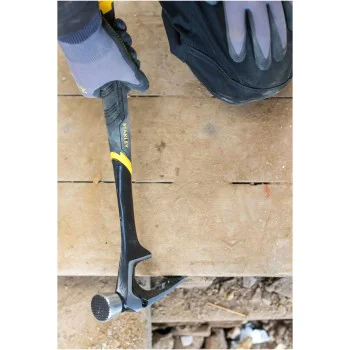
Pickaxes are hand tools used for breaking up, crushing, loosening, and shaping hard ground. They are used in construction, repairs, yard maintenance, gardening, and the preparation of foundations, trenches, and small excavations. With the right model, working with rocky soil, compacted gravel, clay, roots, or old pavement becomes more controlled and less strenuous for the operator.
In the pickaxe section, you'll find options with different head shapes, weights, handle lengths, and handle materials. These differences directly affect impact force, precision, comfort during prolonged use, and how the tool performs on various surfaces and soils. As part of the hand tools, the pickaxe remains an indispensable helper where machines are impractical, there is no access to a power source, or more precise work is required.
Pickaxes by working head shape
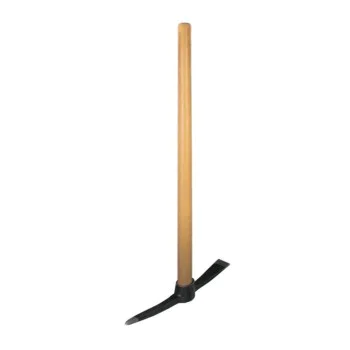
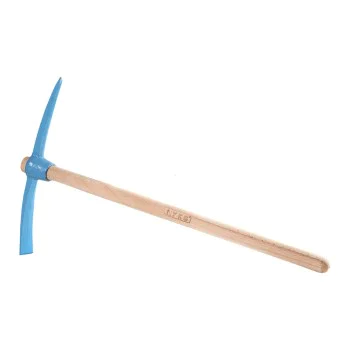
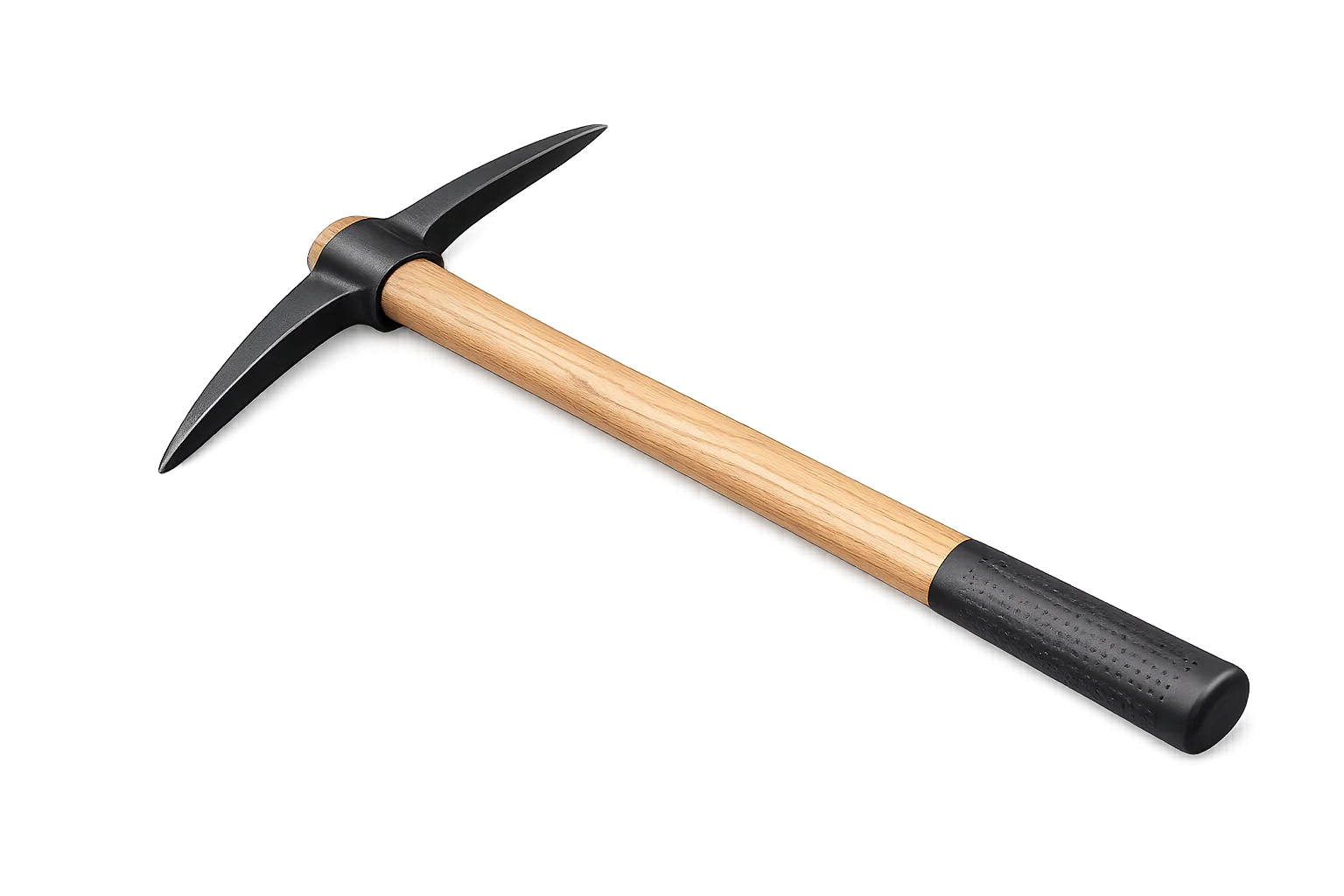
The working head determines the tool's primary purpose. In classic pickaxes, one end is usually pointed for drilling and breaking, while the other is flat or slightly widened for loosening, lifting, and removing material. This combination is convenient when working with soil, rocks, concrete debris, bricks, roots, and compacted layers.
The sharper models penetrate hard soil and rocky areas more easily. The wider, flat edges help with breaking up layers, cleaning ditches, and shaping narrow trenches. For gardening tasks, the lighter versions are easier on the hands and allow for better control around plants, paths, fences, and curbs.
Main tasks
- Breaking up compacted soil-for site preparation, yard repairs, and shaping garden beds.
- Removing stones and roots-for clearing areas before planting, paving, or digging.
- Trenching-for small installation projects, laying pipes, cables, or irrigation lines.
- Breaking up old pavement-for repair work around a house, garage, workshop, or construction site.
- Working in confined spaces-when heavy machinery cannot easily reach the site.
Selecting picks based on the workload
When purchasing pickaxes, the key factors are the head weight, the handle length, and the type of work. A heavier head delivers a stronger impact and is suitable for hard ground, rocks, and rough breaking. Lighter models are easier to handle and are a good choice for prolonged gardening activities, clearing roots, and working around finished elements where precision is more important than power.
A long handle increases your reach and reduces the need to bend over, but requires more space. A short handle is helpful in tight spots, trenches, corners, and near walls and curbs. The handle material matters for comfort and control: wooden handles are familiar and easy to maintain, while fiberglass or composite handles offer good moisture resistance and absorb some of the impact vibrations.
| Type | Task | What to look for |
|---|---|---|
| Classic pickaxe | Digging, breaking up soil, yard repairs | Balance between weight, length, and head shape |
| Lighter pickaxe | Gardening, roots, soft to medium-hard soil | Comfortable grip and less fatigue during long work sessions |
| Heavier pickaxe | Rocky terrain, compacted clay, rough digging | Sturdily attached head and handle with good control |
| Short-handled pickaxe | Narrow areas, trenches, work near walls | Compactness and precise strike direction |
Materials, workmanship, and ease of use
The quality of the steel head affects wear on the cutting edges and the tip. In well-made chisels, the metal should withstand impacts without easily deforming, and the connection between the head and handle should remain secure. The shape of the eye, the fastening, and the balance between the two parts are important for safe and precise work.
The handle should fit securely in the hand and not twist when swinging. Smooth wooden handles are comfortable for traditional work, but should be protected from prolonged exposure to moisture. Handles made of fiberglass or other composite materials are practical for construction sites, maintenance work, and outdoor use because they are not as easily affected by weather conditions. A rubberized end or textured grip helps provide better control when hands are sweaty or dirty.
Safety and Maintenance Tips
The pickaxe operates with significant impact force, so it is advisable to inspect the head, handle, and joint area before use. A loose head, cracked handle, or heavily worn tip increases the risk of injury and an inaccurate strike. When working with pickaxes, it is advisable to wear safety goggles, gloves, and sturdy shoes, especially around rocks, concrete debris, and dry, hard soil.
After finishing work, clean the metal part of mud, sand, and wet debris. Lightly oiling the head during longer storage helps prevent rust. The handle should be stored in a dry place, away from constant moisture and direct heat. This way, the tool retains a good grip and remains ready for the next task in the workshop, yard, garden, or construction site.
Pickaxes for Professional and Home Use
Pickaxes are purchased by construction crews and installers, as well as by owners of houses, vacation homes, and gardens. Professional work typically requires more durable models with a well-balanced head and handle that can withstand daily stress. For home use, a lighter tool is often sufficient, one that is easy to handle for yard maintenance, small digging jobs, root removal, and repairs around walkways.
Browse the available pickaxes at Toolsbox.bg and narrow down your selection based on the terrain, frequency of use, and your preferred handle type. This way, you'll get a hand tool that suits your tasks and will be useful for repairs, maintenance, construction, and gardening.