

Knives
Knives for precision cutting, installation, and maintenance
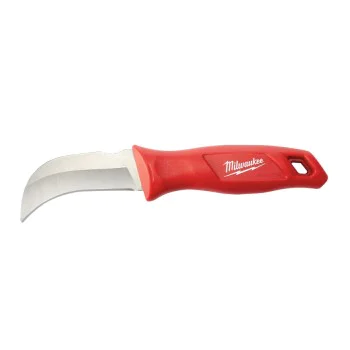
Cutting knives are essential hand tools for working with cardboard, foil, packaging, carpet, insulation, leather, rubber, plastic, and other materials commonly found in workshops, construction sites, service centers, or households. The selection approach depends on the task: rough cutting, fine shaping, opening packages, installation work, or precise finishing cuts. This section includes craft knives with snap-off blades, utility knives with trapezoidal blades, folding models, knives with blade locks, and solutions for extended professional use.
A well-chosen knife saves time, reduces cutting effort, and provides better control over the cut line. When working with hand tools, the feel in the hand, the stability of the handle, the locking mechanism, and compatibility with replacement blades are directly relevant to comfort and safety. That is why the various models differ in body shape, blade type, retraction method, size, weight, and intended use.
Applications of utility and craft knives
Knives are used in construction, repair, installation, packaging, maintenance, service activities, and hobby projects. In finishing work, they are used with drywall, wallpaper, flooring, insulation panels, and protective films. In warehouse and transport settings, the knife is needed for cutting open boxes, stretch film, tape, and packaging materials. In a workshop, it is used for preparing parts, cutting out templates, and making precise adjustments.
- Craft knives-ideal for cardboard, paper, film, wallpaper, thin plastics, and detailed work with templates.
- Utility knives with a trapezoidal blade-preferred for heavier-duty tasks, such as cutting carpet, rubber, leather, thick packaging, and construction materials.
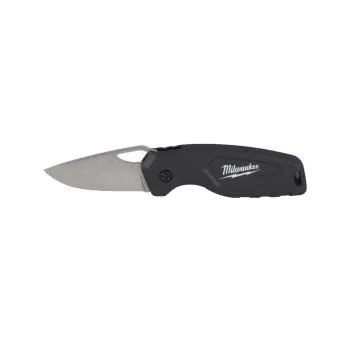
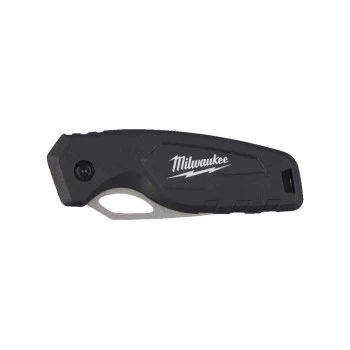
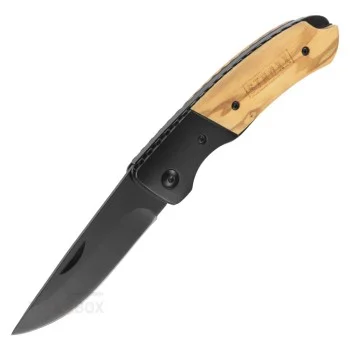
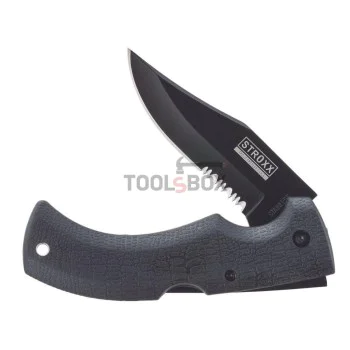
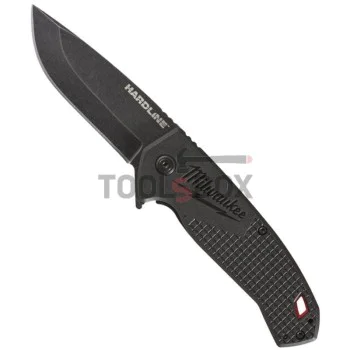
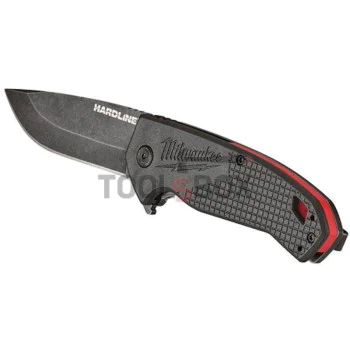
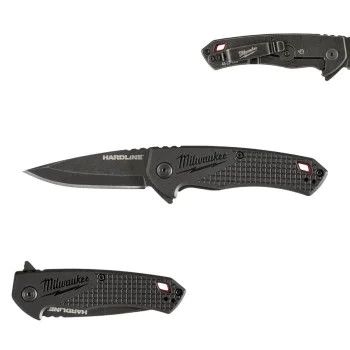
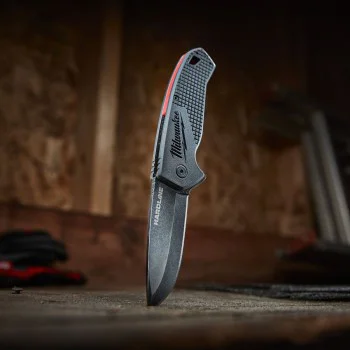
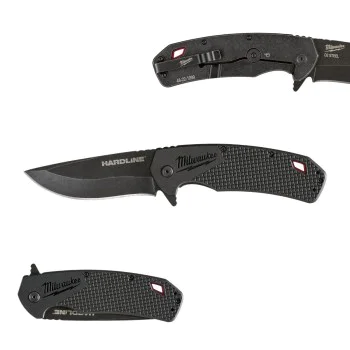
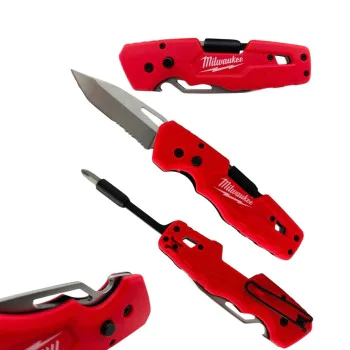
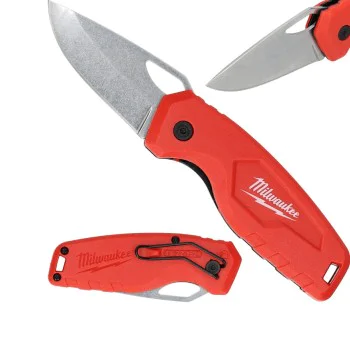
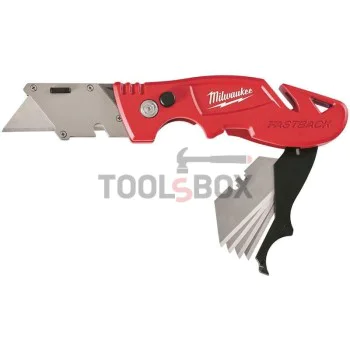
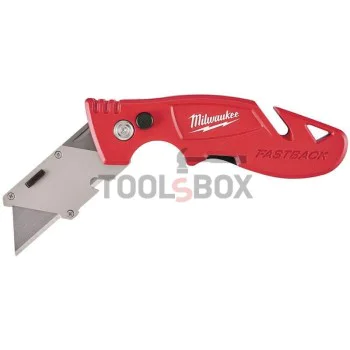
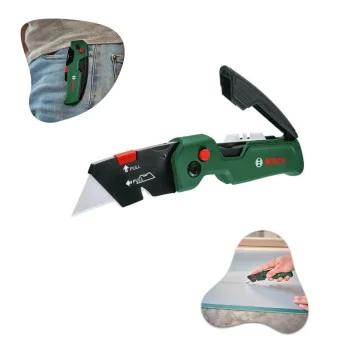
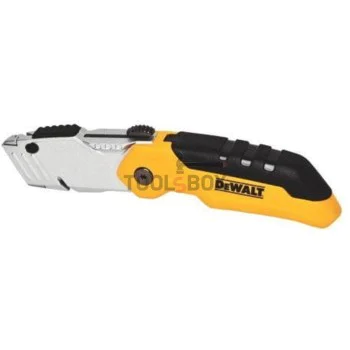
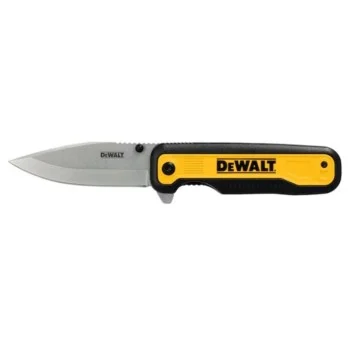
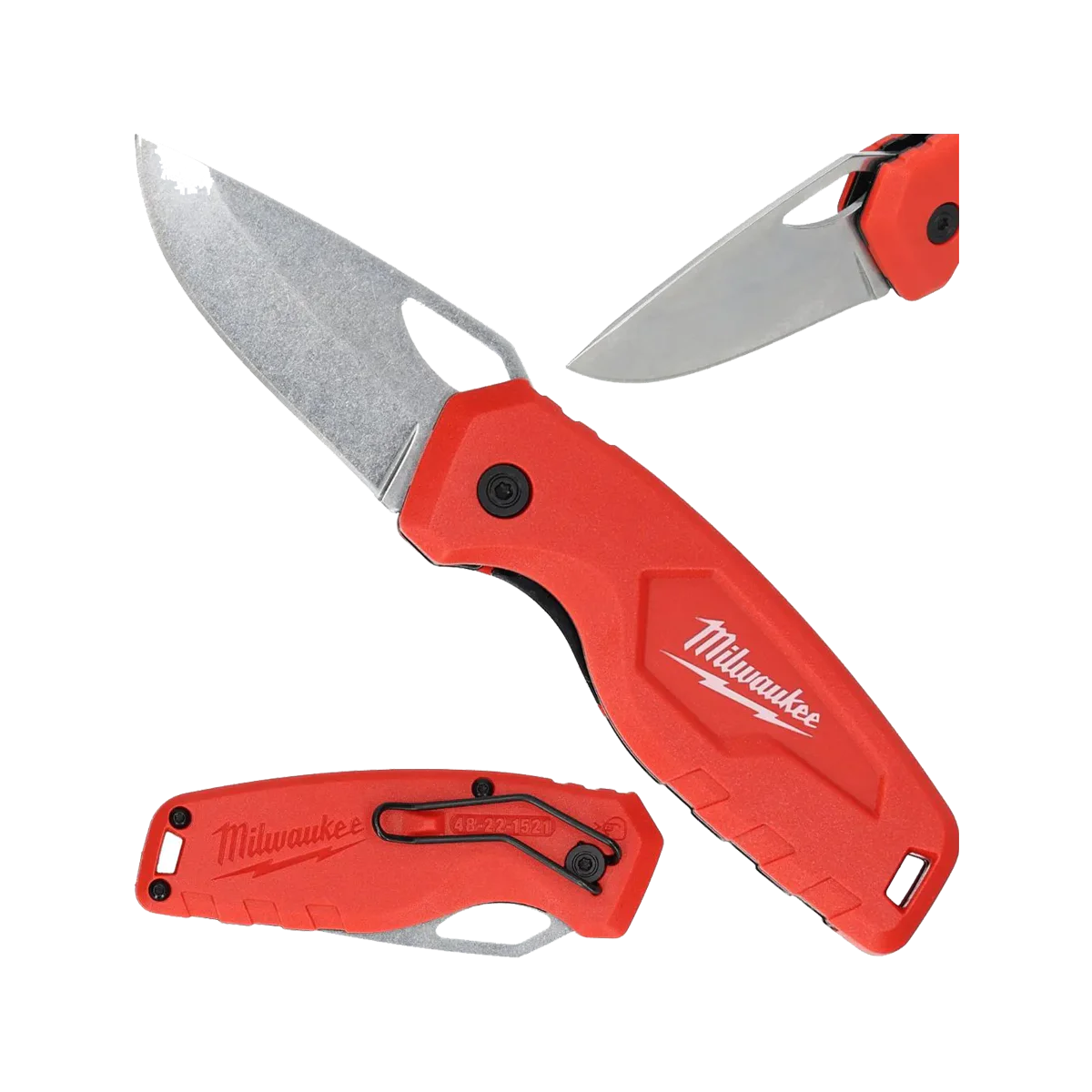
- Folding knives-compact for carrying in a pocket, on a belt, or in a toolbox; valued for mobile work and service calls.
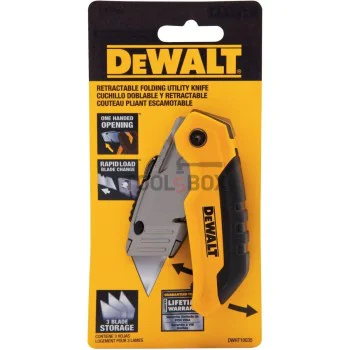
- Knives with retractable blades-convenient for frequent switching between work and transport, with better blade protection during storage.
- Fine knives for detailed work-for modeling, finishing touches, precise cuts, and decorative work.
Types of knives based on blade and construction
Modeling knives with snap-off blades
Modeling knives are among the most recognizable solutions for precision cutting. The blade is segmented, and when it becomes dull, the worn-out section snaps off to allow continued work with a new cutting edge. Models with different blade widths are available; the narrower ones are suitable for fine lines, while the wider ones provide more stability when working with denser materials. The body is usually made of plastic, metal, or a combination of materials, and the guide affects precision and control.
Trapezoidal-blade utility knives
This type of knife is preferred for heavier-duty work. Trapezoidal blades are replaceable, torsion-resistant, and ideal for cutting carpet, bitumen tape, high-density cardboard, rubber sheets, and other difficult-to-cut materials. On some models, the blade flips to allow use of both cutting edges. The blade-changing mechanism is essential for intensive work because it minimizes downtime and reduces the risk of improper installation.
Folding and compact models
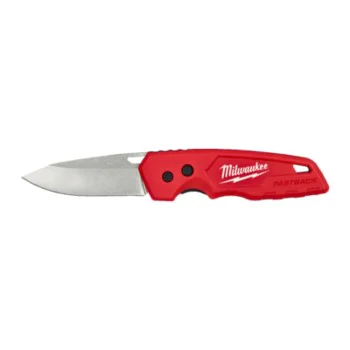
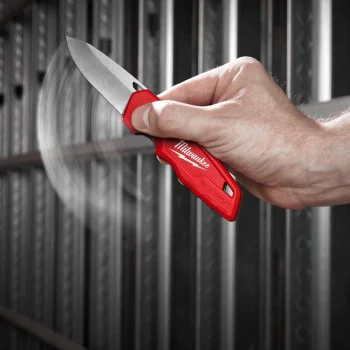
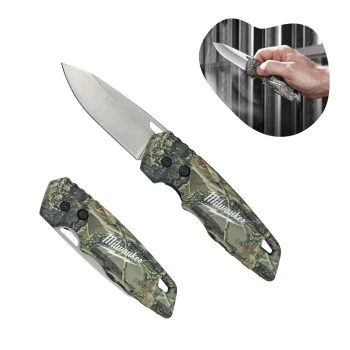
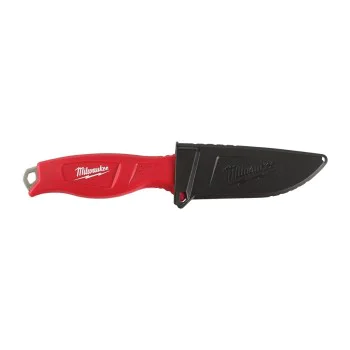
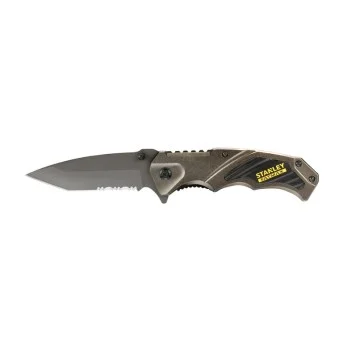
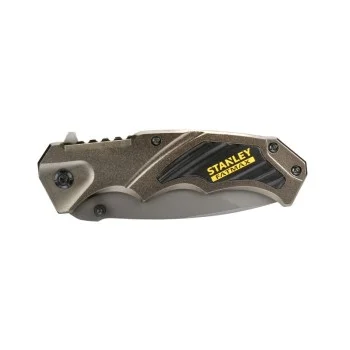
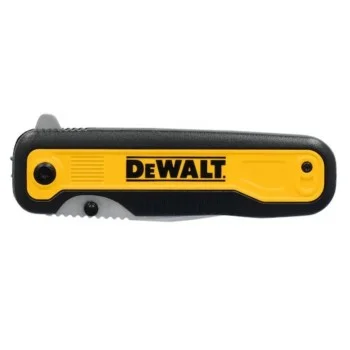
Folding knives are practical for installers, technicians, warehouse workers, and craftsmen who carry the tool with them all day. Key features include the locking mechanism, the clip, the handle shape, and quick access to the blade. The compact size does not negate the need for a sturdy construction and secure locking, especially when working with dense materials.
How to Choose the Right Knife
When choosing a knife, start with the material you'll be cutting and how often you'll be using it. For cardboard, paper, and foil, a utility knife with a snap-off blade is often sufficient. For carpet, rubber, leather, thick packaging, and rougher construction tasks, knives with a trapezoidal blade and a more robust body perform better. For precise cuts, templates, and hobby projects, look for a thin blade, a good grip, and controlled movement.
- Blade type: segmented, trapezoidal, fine, specialized for a specific material.
- Width and thickness: thinner blades cut with precision; wider ones are more stable under pressure.
- Mechanism: screw, sliding, or quick-release, depending on your workflow.
- Handle: ergonomic shape, non-slip grip, and comfortable hold during prolonged use.
- Compatibility: Check the size and type of replacement blades to keep the tool ready for use.
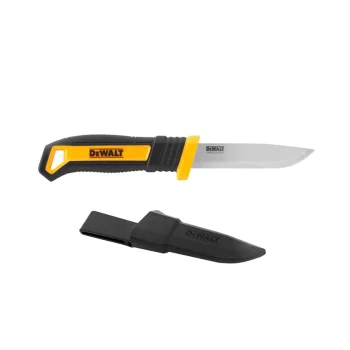
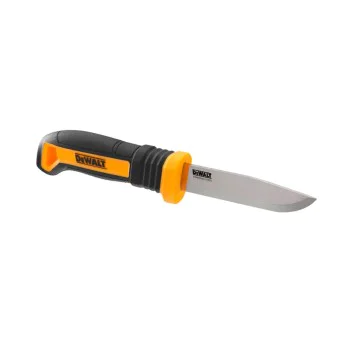
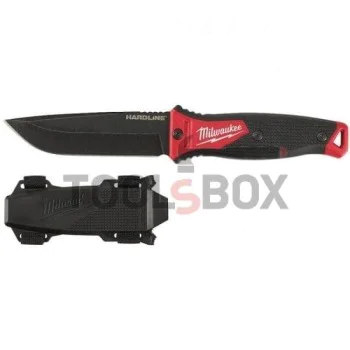
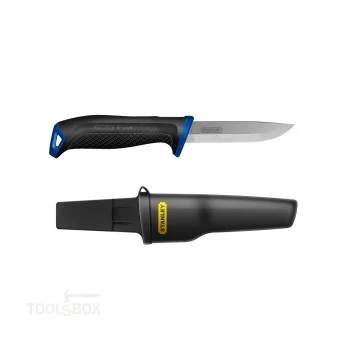
- Storage: a retractable blade, sheath, or folding design protects the cutting edge and reduces the risk during transport.
Safety, Maintenance, and Consumables
A sharp blade cuts cleaner and requires less pressure, reducing the likelihood of slipping. A dull or broken blade should not be used for forceful cutting, as control is easily lost. When changing blades, a stable support, proper placement in the blade holder, and a secure lock are required. For heavier materials, it is recommended to cut on a cutting mat, guide the blade along a metal guide, and use personal protective equipment when the task requires it.
Well-maintained knives last longer. Clean the body of dust, glue, shavings, and packaging tape residue. For mechanisms with a slider, ensure the movement remains smooth and free of jams. It is advisable to keep spare blades in a protective case, separate from other hand tools, to prevent damage to the cutting edges. When working in a workshop or on-site, a set of a knife and spare blades minimizes downtime and maintains a consistent workflow.
Knives for professional and home use from Toolsbox.bg
Knives are a small but essential tool in almost every hand tool kit. For professional use, look for a sturdy body, a secure lock, and quick blade replacement. For home use, compact models are practical for packaging, hobbies, repairs, and small assembly tasks. Browse the available models at Toolsbox.bg and choose a knife based on the material, workload, and method of use to ensure a clean cut, comfortable grip, and reliable control for every task.