


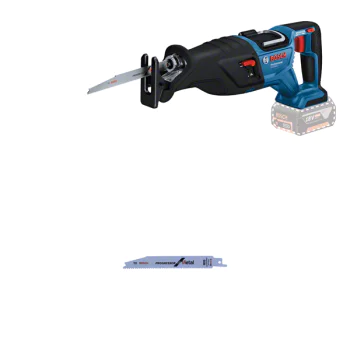
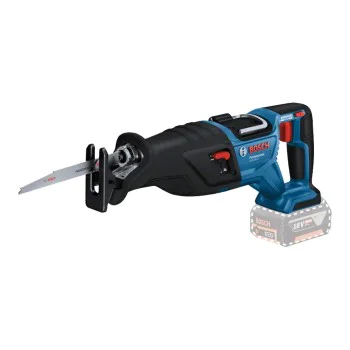
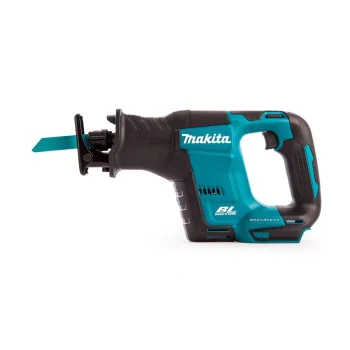
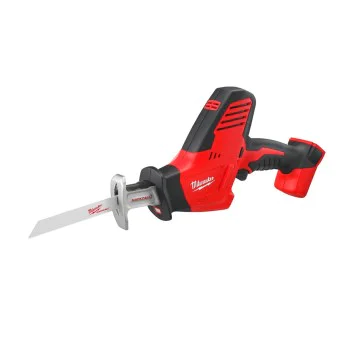
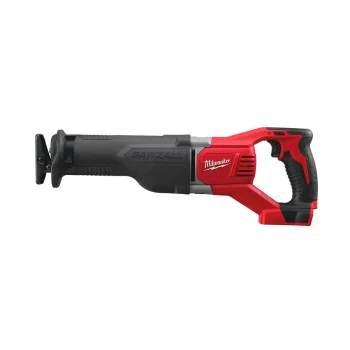
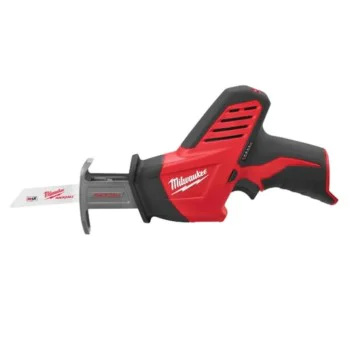
-350x350.jpeg.webp "Reciprocating Saw - Milwaukee, C12HZ-0, Bare Tool, 4933411925")
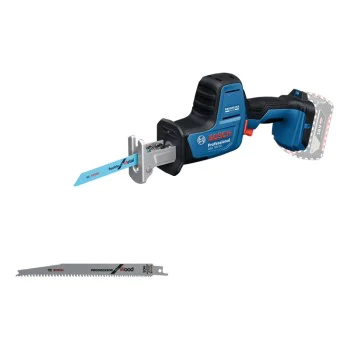
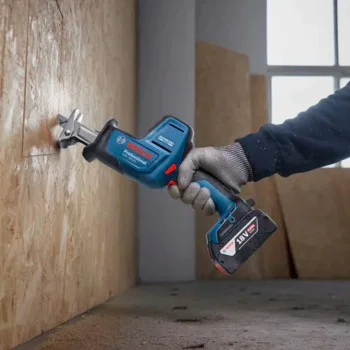
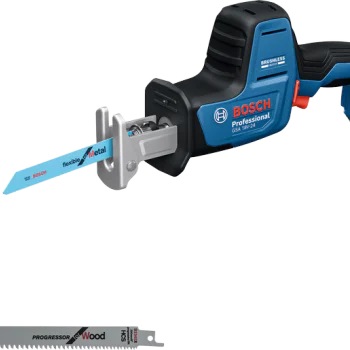
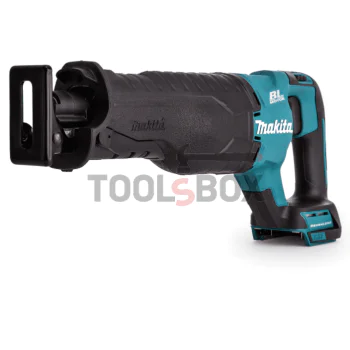
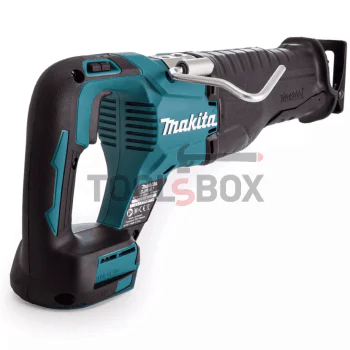
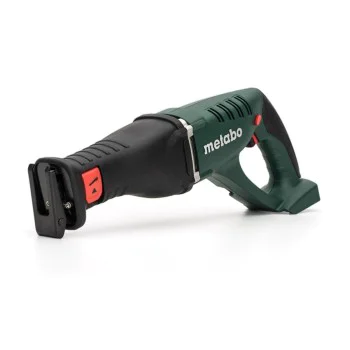
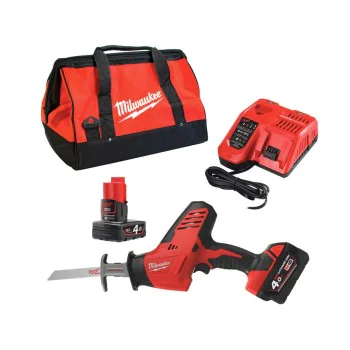
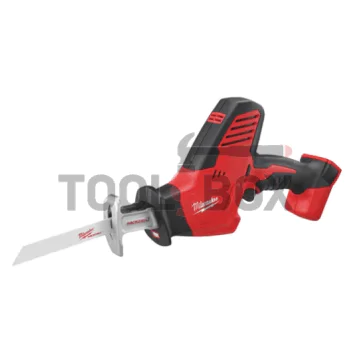
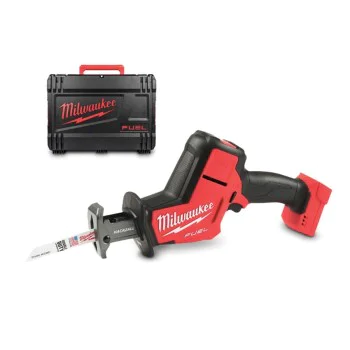
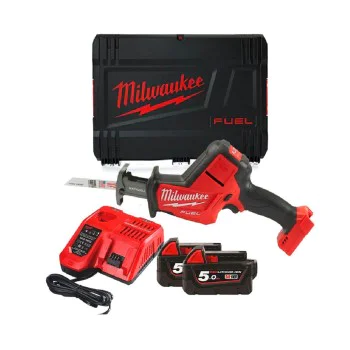
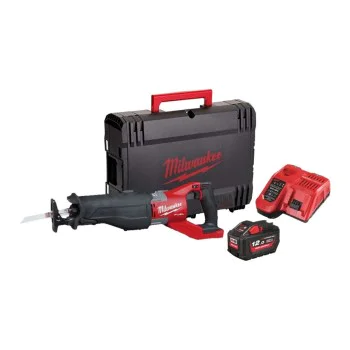
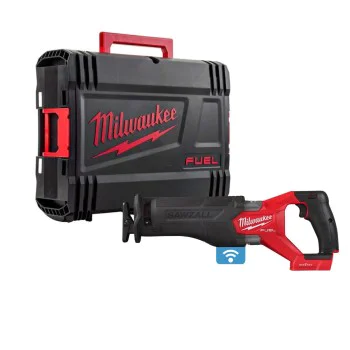
Cordless sabre saws
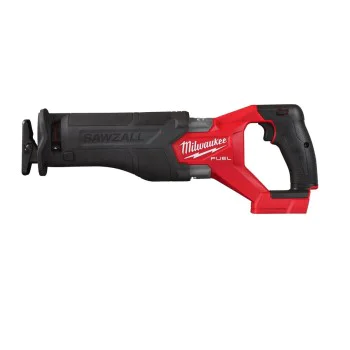
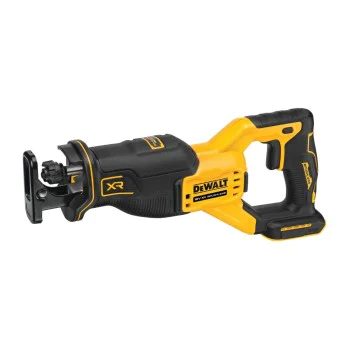
Cordless reciprocating saws for cordless cutting
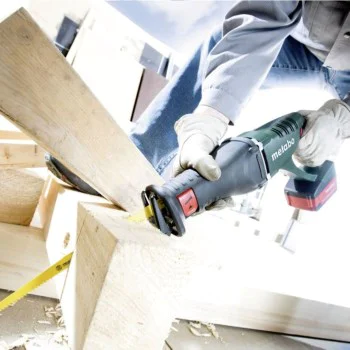
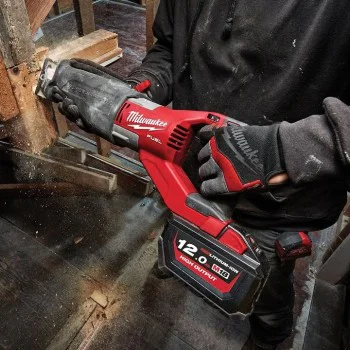
Cordless reciprocating saws are practical power tools for cutting wood, metal, plastic, pipes, profiles, pallets, and branches with the appropriate blade. The battery power provides freedom when working on a job site, in a workshop, in the yard, or in places without convenient access to the electrical grid. The reciprocating saw is preferred for demolition, repair, installation work, rough cutting, and trimming, where a quick cut, a compact machine, and easy access to tight spaces are required.
This type of machine operates with a reciprocating blade motion. Cutting is performed using replaceable blades of varying lengths, shapes, and tooth pitches. Thus, a cordless reciprocating saw covers many tasks-from cutting beams and battens to cutting metal pipes, drywall structures, PVC elements, or old fasteners during disassembly. The correct selection of blade and machine directly affects speed, accuracy, comfort, and the lifespan of consumables.
Applications in repair, construction, and maintenance
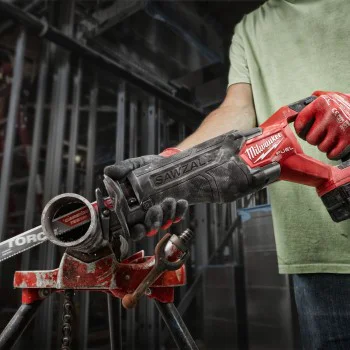
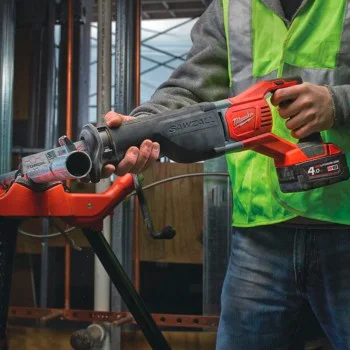
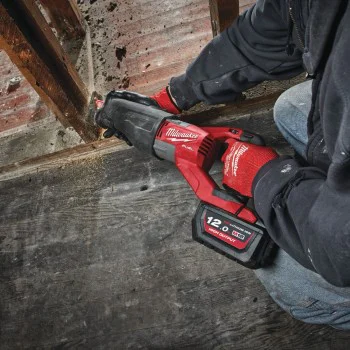
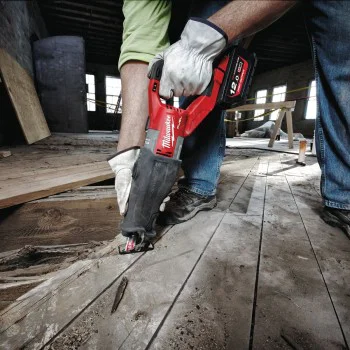
Cordless reciprocating saws are invaluable for tasks where a standard circular saw, jigsaw, or angle grinder lacks sufficient maneuverability. The long, narrow blade reaches behind paneling, between profiles, around pipes, and into corners. During demolition, the tool allows for cutting through old frames, wooden joints, nails, bolts, sheet metal, and composite materials, provided the blade is selected for the specific task.
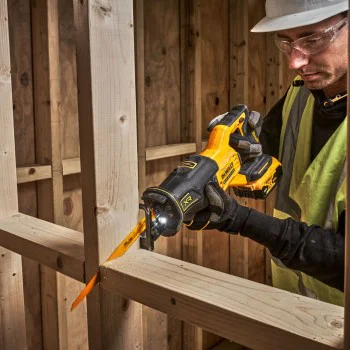
In construction, the reciprocating saw is used for quickly cutting wood, cutting openings, making adjustments to formwork, cutting insulation panels, and working on installations. In maintenance work, it is convenient for cutting pipes, profiles, and parts that are difficult to secure. In a home setting, it is useful for furniture repair, yard structure maintenance, cutting branches, and working with materials around the garage or workshop.
How do cordless reciprocating saw models differ?
Models differ in battery voltage, stroke rate, blade stroke length, weight, body shape, motor type, and blade replacement method. Higher-voltage models are typically designed for heavier-duty work and thicker materials, while compact versions are convenient for lighter tasks, one-handed operation, and tight spaces.
The stroke frequency affects the cutting speed. Speed adjustment helps when working with different materials-lower speed for metal and a more controlled start to the cut, higher speed for rough cutting of wood. The stroke length determines how much material the blade removes per stroke and affects performance. For thicker workpieces, a longer stroke speeds up the work, while for precise control and thinner elements, a shorter stroke provides smoother operation.
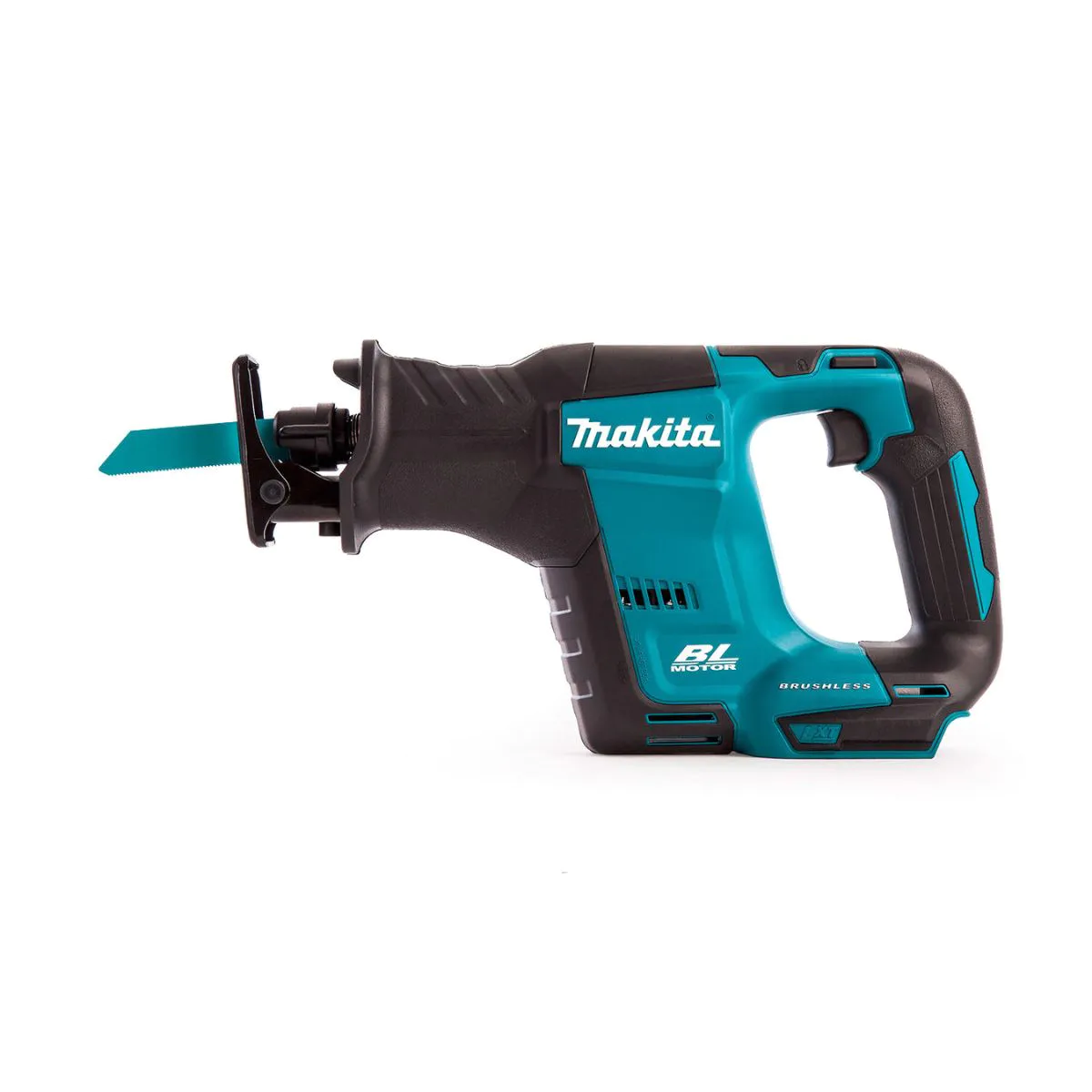
Brushless motors are found in some models and help improve battery efficiency, reduce heat buildup, and extend runtime per charge. The ergonomic handle, rubber grip, well-positioned trigger, and stable base plate also matter during prolonged use, overhead cutting, or working in awkward positions.
Criteria for selecting a cordless reciprocating saw
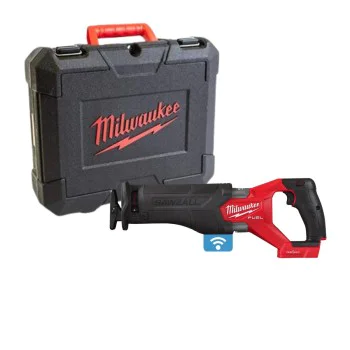
When purchasing, it's important to consider your actual tasks, the materials you'll be working with, and your existing battery system. If you already own cordless tools from the same series, a machine sold without a battery and charger is often a practical option. For intensive professional use, a higher battery capacity, a durable housing, a stable base plate, and quick blade changes without a wrench are desirable. For occasional repairs and yard work, a compact, lighter-weight machine often offers greater comfort.
| Criteria | What to Consider |
|---|---|
| Battery | Voltage, capacity, compatible series, and availability of a charger |
| Blade | Blade material, length, tooth pitch, and shank type |
| Stroke and RPM | Cutting speed, start-up control, and operation with metal or wood |
| Weight and shape | Comfort when cutting overhead, in tight spaces, and during extended use |
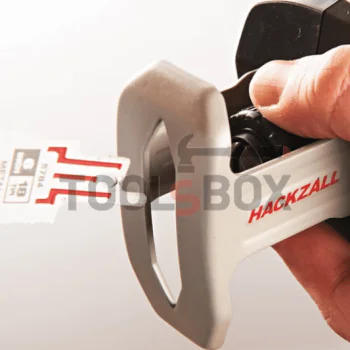
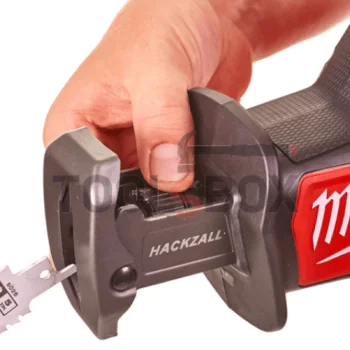
| Additional features | Keyless blade change, LED lighting, adjustable base plate, overload protection |
Blades, compatibility, and accessories
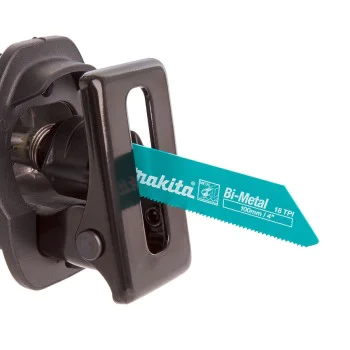
The performance of a cordless reciprocating saw depends largely on the blade. Wood blades have coarser teeth and remove chips more quickly. Metal blades have finer teeth and more durable material to cut pipes, profiles, sheet metal, and fasteners. For materials with impurities, old beams with nails, or demolition work, blades for mixed materials are selected. For gardening work, longer blades with a shape suitable for branches and damp wood are used.
The blade length should exceed the thickness of the workpiece so that the blade operates stably throughout the entire cut. A blade that is too short may jam, while a blade that is too long creates more vibration when cutting thin workpieces. The tooth pitch is selected according to the material-coarse teeth for fast cutting in wood, fine teeth for metal, and medium options for plastic and mixed materials.
Safety and Maintenance During Use
A reciprocating saw is a powerful tool and requires a firm grip, safety goggles, gloves, and a secure workpiece. When cutting metal, chips are produced and the tool heats up, so a break is needed for longer cuts, and a sharp blade in good condition is essential. Do not apply excessive pressure to the machine-the correct blade and moderate feed protect the motor, battery, and teeth.
After use, it is helpful to clean the area around the blade mount, the ventilation slots, and the base plate. Store batteries in a dry place, protected from impacts and excessive heat. Regular inspection of the blades, housing, and clamping mechanism reduces the risk of inaccurate cuts and unwanted vibrations.
Choosing a cordless reciprocating saw from Toolsbox.bg
At Toolsbox.bg, you'll find cordless reciprocating saws for professional use, maintenance, construction work, and demanding DIY projects. Select a tool based on the battery platform, the material to be cut, the required power, the comfort of the grip, and the available blades. This way, you'll have a portable tool for quick cutting, dismantling, and maintenance wherever a cord restricts your work.