
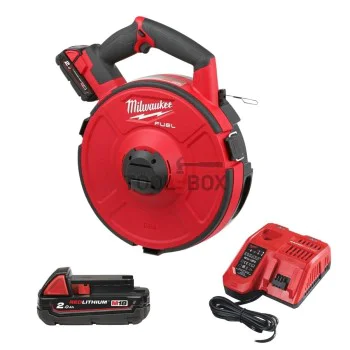
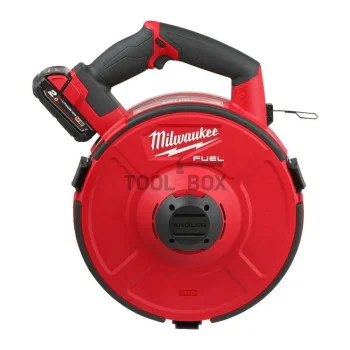
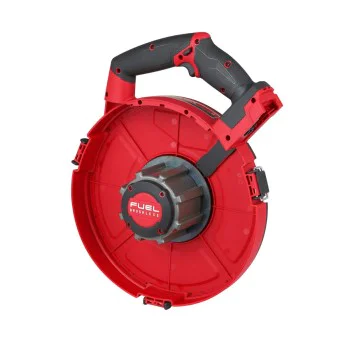
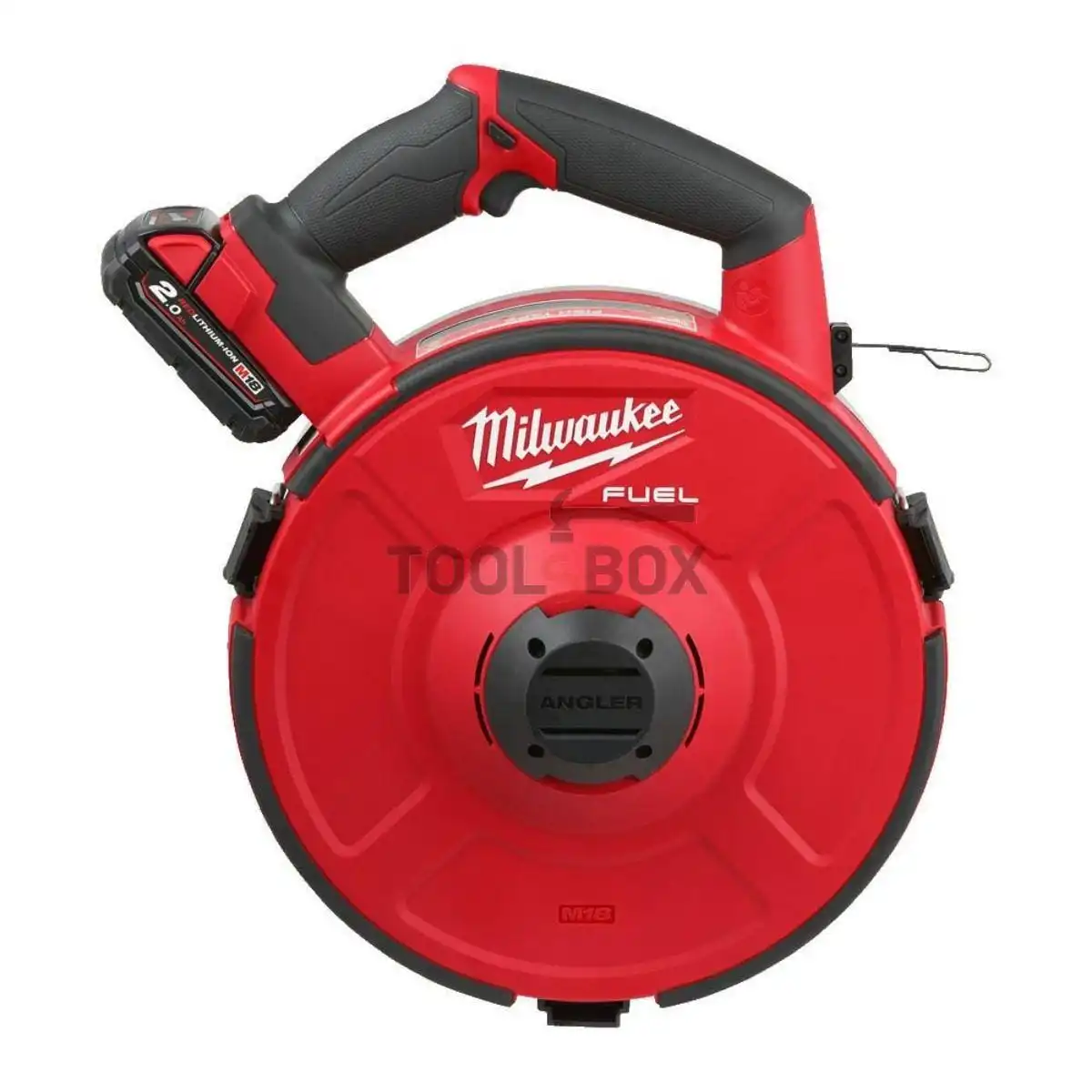
Cable pulling machine
Cable pulling machine for electrical installations and construction sites
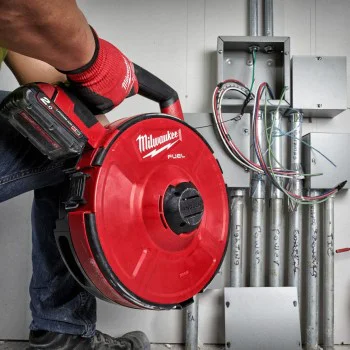
A cable pulling machine is a practical piece of equipment for the controlled pulling of cables through pipes, ducts, shafts, underground routes, and utility tunnels. It replaces heavy manual pulling on long runs, in tight sections, or on routes with many turns, where the force on the cable and the strain on the installation team increase. Such machines are sought after by electricians, construction companies, telecommunications network teams, service technicians, and demanding users who perform more complex installations in buildings, yards, industrial areas, or infrastructure sites.
When pulling cables, precision and control are just as important as the pulling force itself. Excessive tension, improper guidance, or sudden movements damage the insulation, deform the cable, or complicate subsequent connections. Machines designed for this task facilitate smooth movement along the route, reduce physical strain, and provide better control when working with electrical, communication, fiber-optic, and power lines.
Purpose and Main Applications
Cable pulling machines are used in new construction, electrical installation repairs, replacement of old lines, and the installation of power cables to machinery, lighting systems, video surveillance, internet networks, alarm systems, and industrial panels. They are invaluable for long-distance routes, when working in cable trenches, during installation through corrugated pipes, metal or PVC conduits, floor-mounted installation systems, and open utility channels.
In professional use, the cable pulling machine helps improve team organization, as one operator monitors the pulling while the others guide the cable through reels, inlets, and outlets along the route. For home use, such a device is valuable for major renovations, building a workshop or garage, installing outdoor lighting, providing power to outbuildings, or running communication cables through pre-installed conduits.
Types of machines and differences between models
The different models differ in drive type, pulling force, control method, construction, and accessories. For lighter tasks, compact mechanical devices or manually operated cable winches are used. For longer runs, heavier cables, and intensive work, electric machines are preferred, as they provide consistent pulling force and higher productivity during installation.
Key factors include the length and type of rope, cable diameter, load capacity, frame stability, mounting options for the work area, and ease of transport. Some solutions use a drum and a pulling rope, while others rely on guide rollers, clamps, gripping heads, or additional adapters. On routes with more turns, the rollers and guides protect the cable from chafing and reduce resistance.
| Criterion | Practical significance |
|---|---|
| Pulling force | Determines what load and what route length can be safely handled. |
| Drive type | Manual solutions are compact; electric ones facilitate heavier and repetitive tasks. |
| Cable or belt length | Must correspond to the actual length of the cable route. |
| Portability | This is important when working on different floors, outdoor sites, or in tight technical spaces. |
| Accessories | Rollers, guides, clamps, and carabiners improve cable routing and protection. |
Selecting the Right Model
When selecting a model, start with the type of cable and the work environment. For thin communication lines, a lighter system with precise cable guidance is sufficient. For power cables, long underground runs, or installation in industrial buildings, a model with greater pulling force, stable mounting, and the ability to control movement is required. The cable's diameter, weight, and the number of bends along the route affect the load on the machine, so the technical specifications must be compared with the actual task.
Check the compatibility between the machine, the pulling rope, the clamps, and the cable. Improper clamping can lead to slipping, twisting, or damage to the outer sheath. For optical cables, data cables, and fine communication lines, a more careful operating mode is required because these lines cannot withstand rough pulling or sharp bends. For power cables, the main focus is on stable guidance, secure fastening, and sufficient pulling capacity.
Installation in buildings, shafts, and outdoor routes
In buildings, compact size, easy positioning, and low weight are valued. In shafts and underground routes, a stable base, protected cable routing, and the ability to work with roller guides play a greater role. On open construction sites, the machine must be kept free of dust, mud, and construction debris to ensure smooth movement of the rope and mechanisms.
Safety, Maintenance, and Accessories
Operating a cable pulling machine requires a well-prepared route. The cable path must be free of sharp edges, obstructions, and improperly installed pipe joints. The operator must monitor the tension in the cable, and people near the route must stay out of the line of pull. For electric models, a stable power supply and a dry work area are required when the equipment is not designed for wet environments.
Maintenance includes cleaning the cables, pulleys, and contact surfaces, inspecting for wear, checking fasteners, and storing the equipment in a dry place. For intensive service work, it is advisable to keep accessories organized: pulling socks, carabiners, guides, corner rollers, cable route lubricants, and spare ropes. Properly selected consumables reduce friction and protect the cable during installation.
Machines for Faster and More Controlled Cable Installation
A high-quality cable pulling machine makes installation more predictable, reduces physical effort, and helps ensure cleaner work on complex cable runs. Compare models based on pulling force, drive type, rope length, accessories, and site conditions. At Toolsbox.bg, you can find the right solution for electrical installations, repairs, construction work, and professional installation based on actual workload and working conditions.