
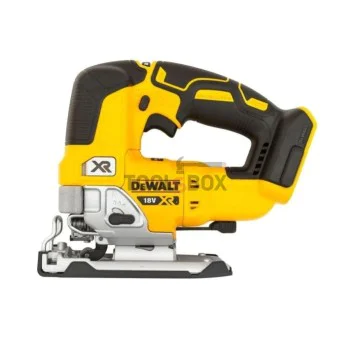
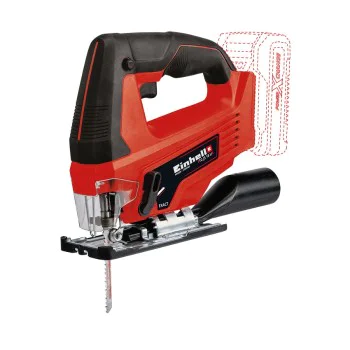

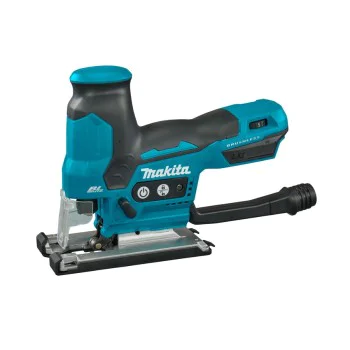
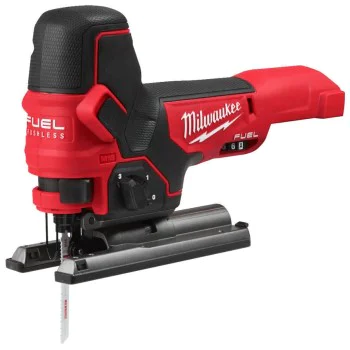
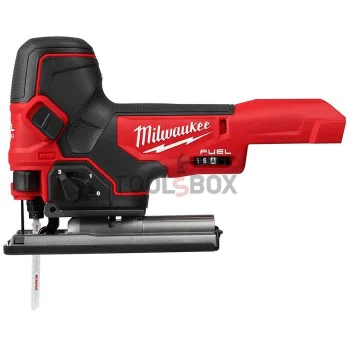
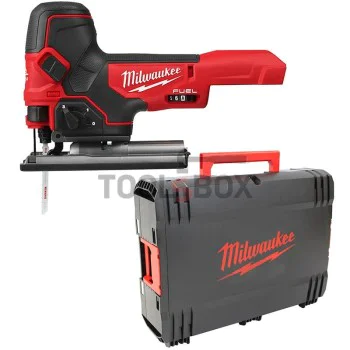
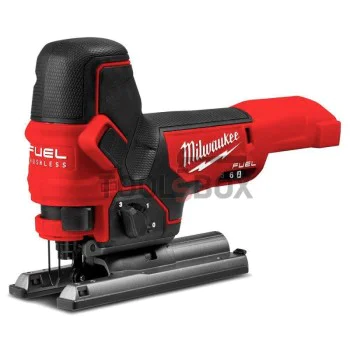
Sege
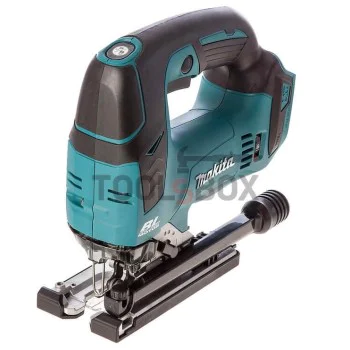
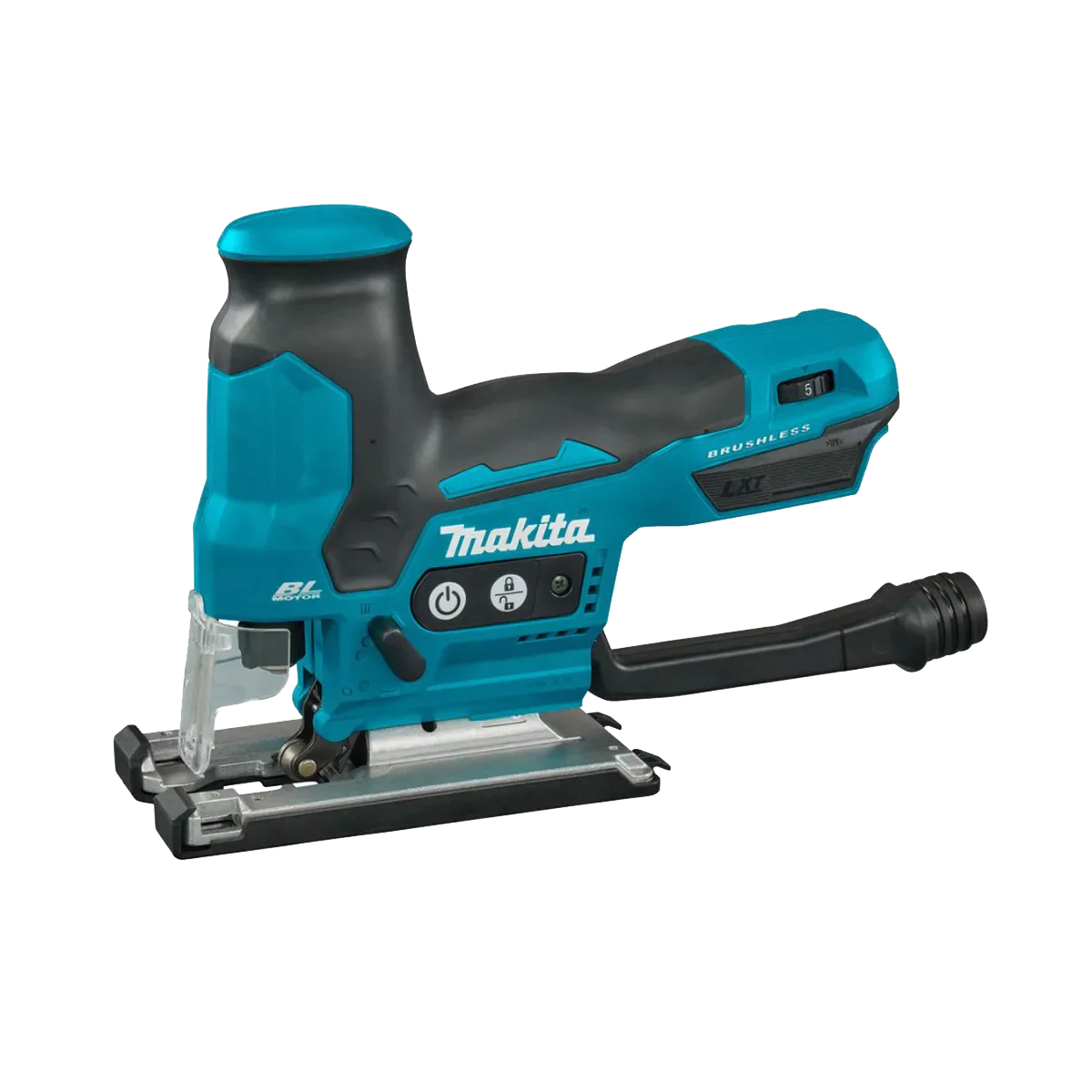
Cordless jigsaw for repair, installation, and finishing work
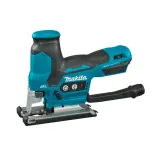
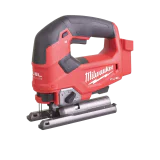
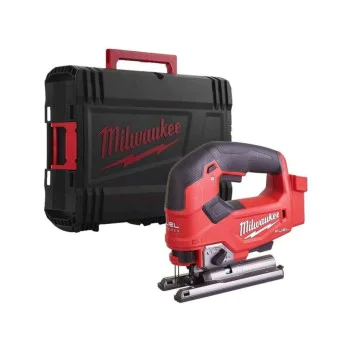
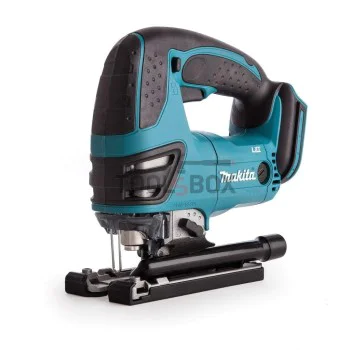
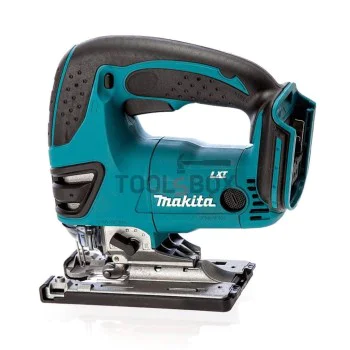
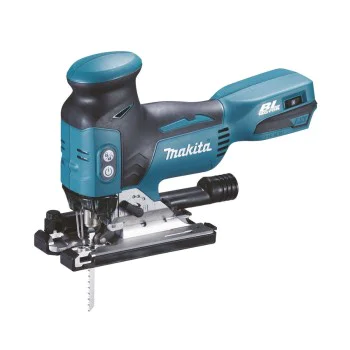
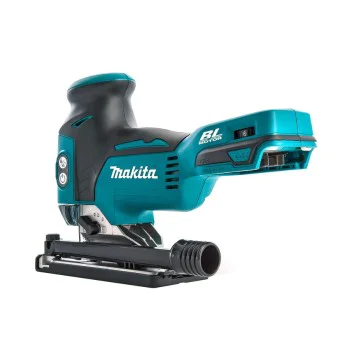
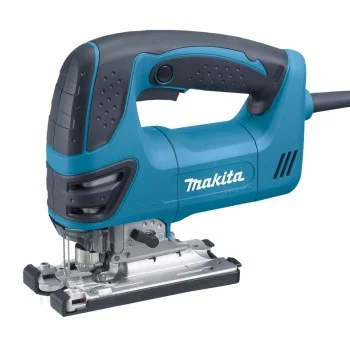
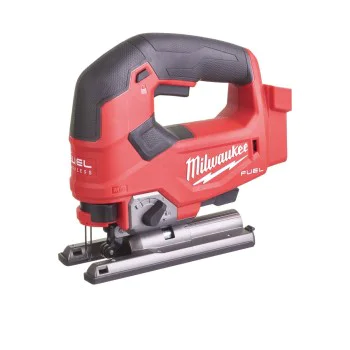
A jigsaw is a practical power tool for precise cutting along straight lines, curved lines, and pre-marked contours. Cordless models offer freedom of movement without a power cord, which is convenient when working on a job site, in a workshop, in a garage, or during installation far from an outlet. With the right blade, the tool cuts wood, particleboard, MDF, laminated panels, plastic, aluminum, and thin metal sheets, making it ideal for furniture repairs, installing paneling, mounting countertops, cutting openings, and small construction and repair tasks.
This section includes cordless jigsaws with varying power, blade stroke, speed control, pendulum action, and blade chuck type. Some models are designed for light household tasks, while others are intended for heavy-duty professional use with a longer duty cycle and more stable cutting action.
What tasks is a jigsaw used for?
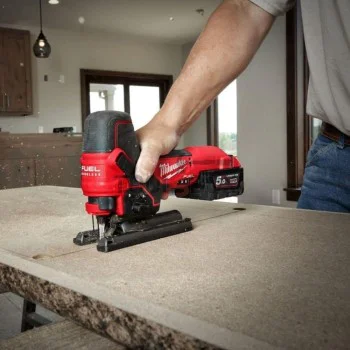
A jigsaw is valued for tasks where a circular saw is too rough and a hand saw takes too much time. When cutting countertops and furniture panels, the tool allows for cutting out openings for sinks, outlets, ventilation grilles, and technical components. During renovation work, it helps shape details around pipes, columns, baseboards, and corners, where the cut line is rarely perfectly straight.
For professionals involved in installation and finishing work, the cordless jigsaw is convenient for on-site adjustments-shortening battens, shaping wainscoting, cutting gypsum fiber and wood panels, and fitting decorative elements. For home use, the tool is useful for building shelves, repairing furniture, hobby projects, and small home improvements.
Differences between models
When choosing a jigsaw, the main differences relate to the battery platform, cutting speed, cutting depth, and blade control. Higher battery voltage is usually associated with better performance on thicker materials, while a brushless motor reduces overheating and extends runtime on a single charge.
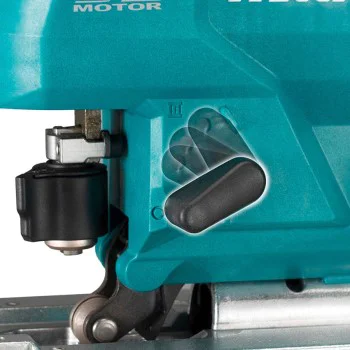
Speed control is useful for different materials. Wood allows for a faster feed rate, while metal and plastic require a more controlled speed to reduce overheating and maintain a clean cut. The pendulum action speeds up cutting in wood, while turning it off helps with finer contours or metal work.
- Blade stroke-affects cutting speed and the ability to work with thicker materials.
- Speed control-facilitates adjustment for wood, plastic, or metal.
- Pendulum action-accelerates cutting in wood, but is reduced or turned off for fine work.
- Base tilt-required for bevel cuts, most commonly up to 45°.
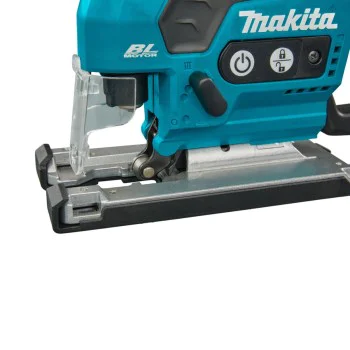
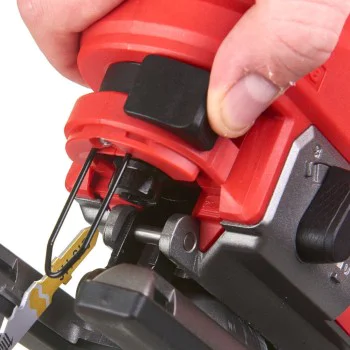
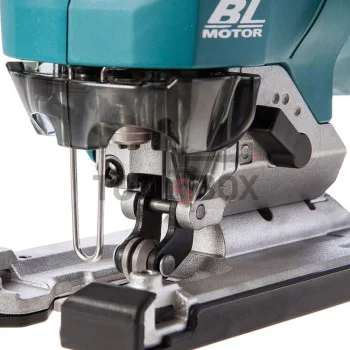
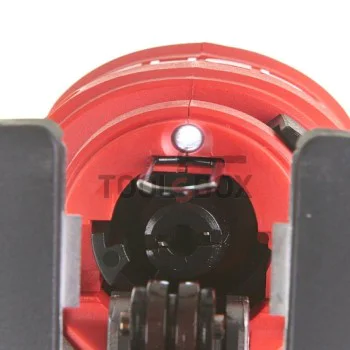
- Tool-free blade change-saves time when switching between materials and operations.
Compatibility with batteries and blades
For cordless tools, battery compatibility is of great importance. A jigsaw from the same system as a screwdriver, impact driver, or other power tool reduces the need for separate chargers and batteries. When choosing, it's important to consider the voltage, battery capacity, and intended use-whether for quick adjustments, a series of cuts, or extended work on a project.
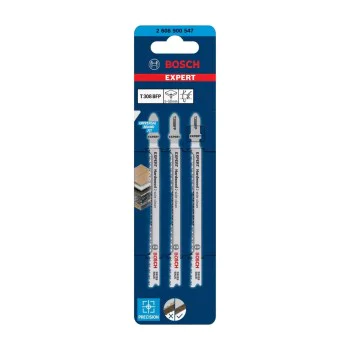
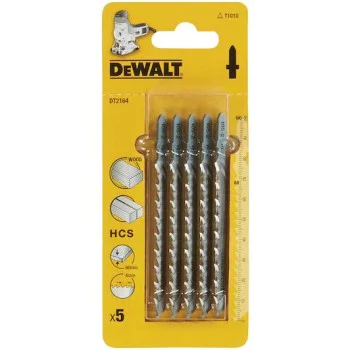
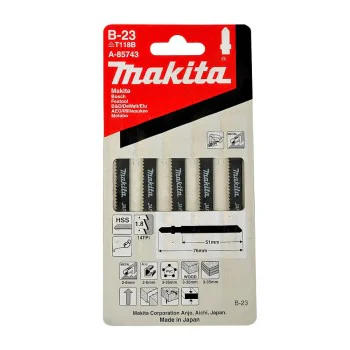
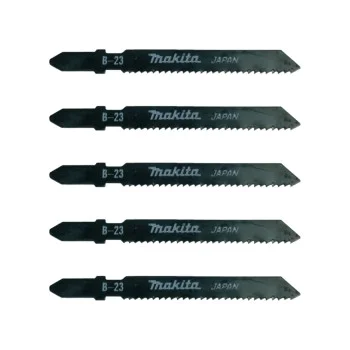
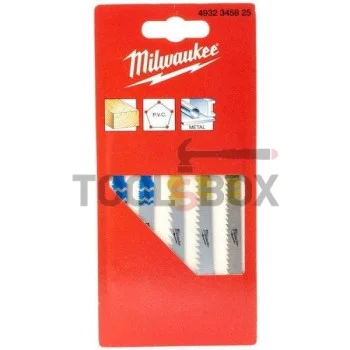
Jigsaw blades are just as crucial to the final result as the tool itself. The T-shank is widely used in modern models, but other types are also found on some machines. Blades vary in length, tooth pitch, material, and intended use. For a clean cut in laminated panels, finer teeth are preferred; for fast wood cutting, coarser teeth; and for metal, specialized blades with finer teeth and a sturdy body.
Features that make work easier
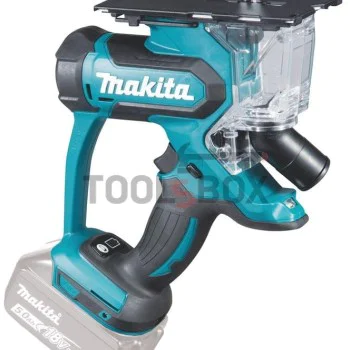
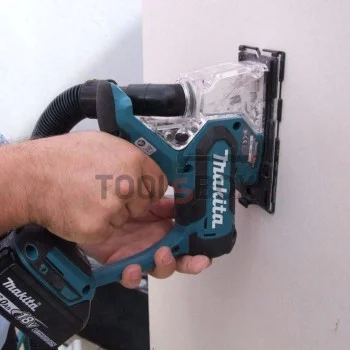
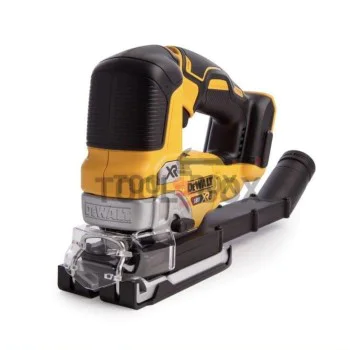
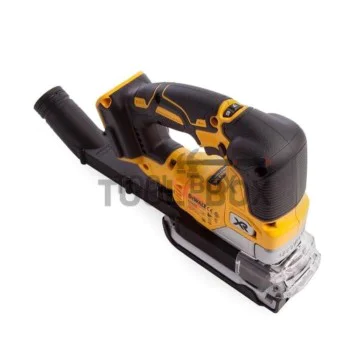
Many cordless jigsaws feature built-in lighting, a cutting line blower, or the ability to connect to a dust collector. These features help improve visibility and keep the work area cleaner, especially when cutting panels indoors. The ergonomic handle, stable base, and good balance reduce fatigue during longer operations.
The blade guard, soft start, and motor brake enhance control during operation. When cutting delicate surfaces, a protective mat for the base is useful, as it reduces the risk of marks on laminated or varnished materials. The guide rail or parallel guide helps with repeatable straight cuts.
How to choose the right jigsaw
When choosing, start with the materials you'll be cutting most often. For wood and panels, you need a stable base, sufficient blade travel, and pendulum action. For metal, look for smooth speed control and appropriate blades. When working on construction sites, a larger battery capacity ensures longer runtime, while for home repairs, a lighter body offers more convenience.
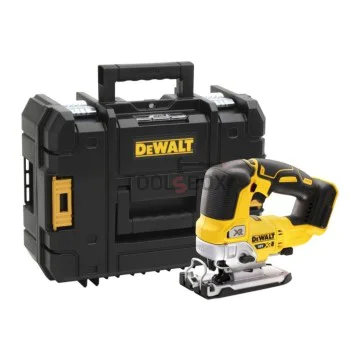
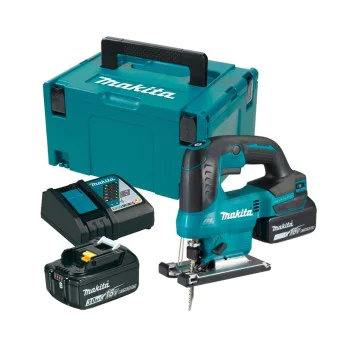
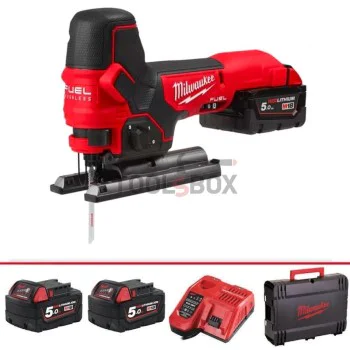
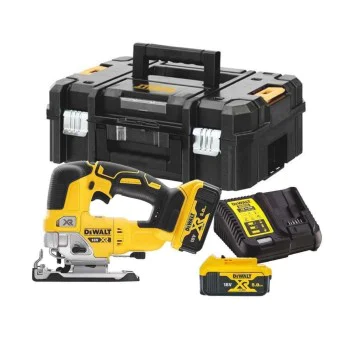
Pay attention to the cutting depth, blade mounting type, weight, vibration level, and whether a carrying case or additional accessories are included. If you already own a cordless system from a particular brand, a model without a battery and charger is often a sensible choice. For a first purchase, a set with a battery and charger makes getting started easier.
Safety, Maintenance, and Long Tool Life
Working with a jigsaw requires a stable workpiece, a properly positioned blade, and the right speed. The blade should be selected based on the material and thickness, and worn-out blades should be replaced in a timely manner to avoid overloading the motor. Excessive pressure does not speed up cutting but often leads to deviation from the line and a rougher cut.
After use, it is advisable to clean the area around the guide and the chuck of dust and shavings. Store batteries in a dry place, away from intense heat and direct sunlight. Regularly inspecting the base, the blade lock, and the ventilation openings keeps the tool in good working condition.
Browse the jigsaw offerings at Toolsbox.bg and choose a model that suits your tasks, battery system, and preferred work style-whether for repairs, installation, workshop use, or precision home projects.