
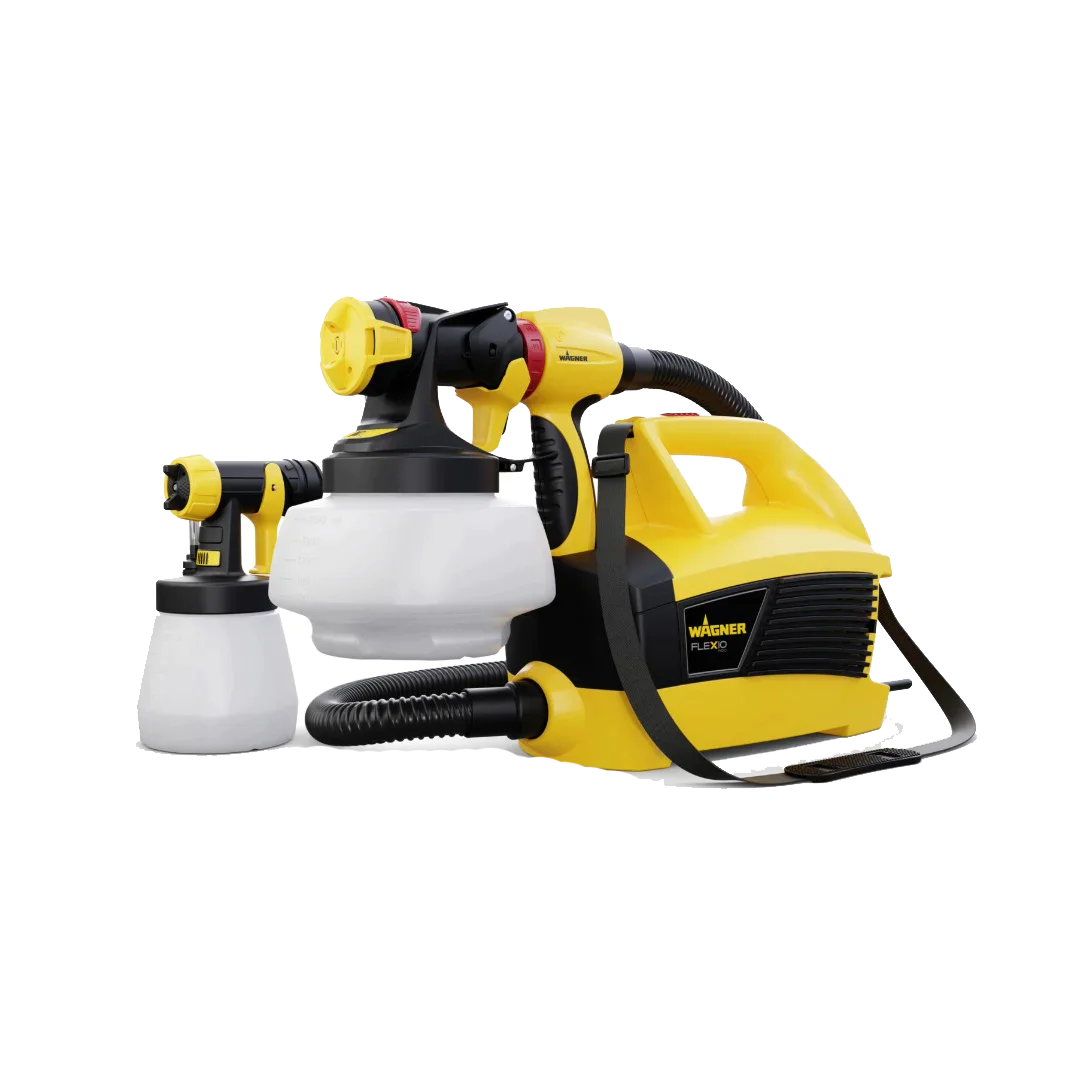
Painting machines
Painting machines for the even application of paints and coatings
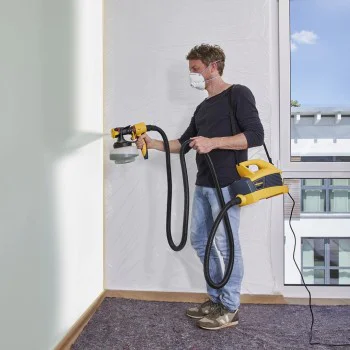
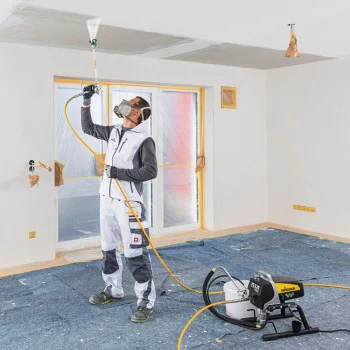
Paint sprayers save time when painting walls, ceilings, fences, metal structures, furniture, doors, facade elements, and various details in a workshop or on a job site. They atomize the paint into fine particles and form an even layer on the surface without the need for repeated brushing or rolling. This results in a smooth finish, better coverage of corners, contours, and hard-to-reach areas, and ensures more precise work on large surfaces and high-volume projects.
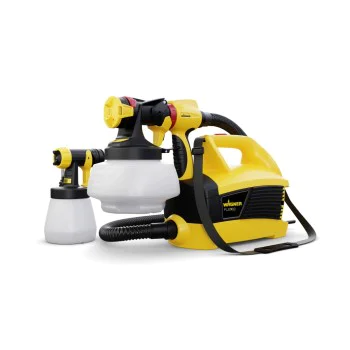
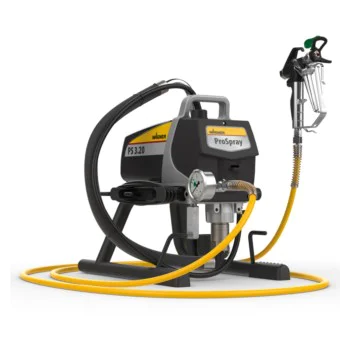
The group of painting machines includes electric spray guns, pneumatic spray guns, airless systems, models with top or bottom tanks, machines with separate reservoirs, nozzles, hoses, and additional accessories. The different variants differ in terms of spray pattern, flow rate, tank capacity, compatibility with paints and varnishes, ease of cleaning, and suitability for use on horizontal or vertical surfaces.
Main Applications in Painting
Paint sprayers are practical for home repairs, refreshing outdoor elements, painting wood paneling, metal railings, garage doors, radiators, and decorative details. For larger projects, they are valuable for contractors, installation crews, and service providers, where speed and consistent results are critical to workflow.
For interior walls and ceilings, machines with good coverage and a steady flow are preferred. For furniture, window frames, and decorative elements, a finer spray is preferred to prevent dripping and excessive buildup of material. For fences, railings, garden structures, and metal frames, models that can easily reach edges, openings, and uneven areas are preferred.
Types of spray guns
| Type of machine | Nature of work | Typical tasks |
|---|---|---|
| Electric spray gun | Plugs directly into the electrical outlet, is compact, and is easy to use | Home repairs, furniture, fences, small and medium-sized areas |
| Pneumatic nailer | Requires a compressor and operates with compressed air | Workshop, painting parts, varnishes, primers |
| Airless sprayer | Delivers the material under pressure without an air jet | Walls, facades, large areas, repair crews |
| Model with separate tank | Lighter gun in the hand and larger material capacity | Continuous operation, larger projects |
How to navigate the different models
When selecting a paint sprayer, it is helpful to consider the material, the area, the frequency of use, and the desired finish. Latex, exterior paint, primer, varnish, stain, and protective sealants have different viscosities. Some machines work better with thinner coatings, while others handle thicker materials after proper dilution. Information on permissible viscosity, recommended nozzle, and flow rate settings helps prevent splatter, clogging, or uneven coverage.
Power and flow rate are essential for large areas. Higher capacity reduces downtime but requires more careful control of the spray. For small details, furniture, and delicate finishes, lightweight spray guns with smooth adjustment are more convenient. The tank capacity affects the pace: a small tank reduces the weight in your hand, while a larger tank limits the need for frequent refilling.
Nozzle, spray pattern, and adjustment
The nozzle determines the amount of material and the coverage width. Smaller orifices are suitable for varnishes, stains, and fine finishes, while larger orifices are preferred for thicker paints and primers. The adjustable spray pattern allows for vertical, horizontal, or circular application. This feature is useful when transitioning from a flat wall to a frame, corner, grille, or molded detail.
Flow control reduces material waste and makes the result more predictable. When painting vertical surfaces, the lower flow helps prevent sagging. On large flat areas, the wider spray covers more area with fewer passes.
Compatibility with paints, varnishes, and consumables
Before starting work, check the paint instructions and the machine's settings. Some coatings are applied directly, while others require dilution with water or a thinner. Incorrect viscosity makes spraying difficult, strains the mechanism, and compromises the finish. For more delicate surfaces, testing on a separate piece of material helps adjust the spray pattern and the distance to the surface.
Nozzles, filters, seals, hoses, tanks, and cleaning accessories are selected for the sprayers. Compatible accessories extend service life and facilitate maintenance. When working with different coatings, it is advisable to have separate nozzles for primer, topcoat, and clear coat to reduce the risk of mixing residues.
Safe Operation and Maintenance
Spray painting requires protection for the respiratory tract, eyes, and skin. A mask, goggles, gloves, and good ventilation are an important part of preparation, especially when using varnishes, primers, and solvent-based materials. Cover the surrounding area with plastic sheeting or masking tape, as fine particles can drift outside the work area.
Cleaning after finishing should not be delayed. Paint residue dries in the nozzle, filter, and channels, making the next use difficult. The tank is emptied, the system is flushed with the recommended cleaning agent, and small parts are dried and stored separately. Regular maintenance ensures consistent spray distribution and reduces the need for service.
Paint sprayers for professionals, service shops, and home repairs
A well-chosen paint sprayer makes it easier to apply coatings to various surfaces and reduces the time needed to achieve a finished look. For home use, compact electric models that are easy to disassemble are convenient. For workshops and professional use, air-powered spray guns, airless systems, and machines with higher capacity are more valuable.
At Toolsbox.bg, you can choose sprayers based on the task, type of coating, and method of application. Compare models by power, flow rate, tank size, nozzles, and accessories to ensure you have the right tool for your painting, installation, or maintenance work.