
Gas equipment
Gas equipment for heating, cooking, installation, and service work
Gas equipment encompasses appliances, accessories, and components designed for tasks requiring mobility, autonomous power supply, and controlled heat. This section of Toolsbox.bg offers solutions for heating workspaces, temporary structures, garages, and warehouses; for outdoor cooking; and for soldering, heating, ignition, drying, repair work, and maintenance. Gas appliances are valued for their ability to quickly reach operating temperature, their compact size, and the ability to operate away from the electrical grid.
The range of gas equipment includes heating appliances, burners, gas stoves, soldering irons, regulators, hoses, clamps, nozzles, adapters, and other accessories. Some products are designed for professional use in construction, service, installation, and workshops, while others are practical for the home, yard, camping, vacation homes, or seasonal maintenance. The right choice depends on the task, fuel type, working environment, and required power.
Applications of gas equipment
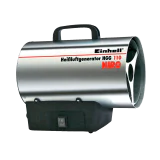
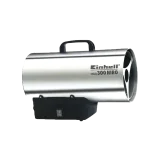
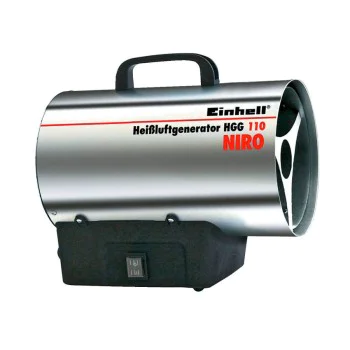
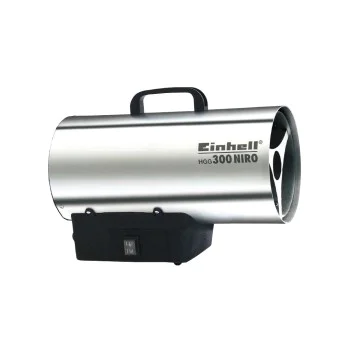
Gas heating appliances are sought after for quickly heating rooms, temporary work areas, and sites without permanent heating. They are useful for renovation work, painting, drying surfaces, and maintaining a comfortable temperature in a garage or workshop. When selecting such a unit, factors such as heat output, fuel consumption, ignition method, housing stability, and safety features are evaluated.
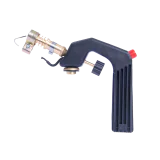
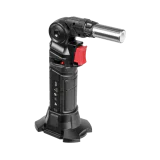
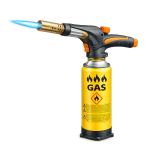
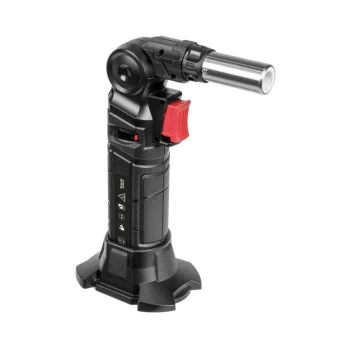
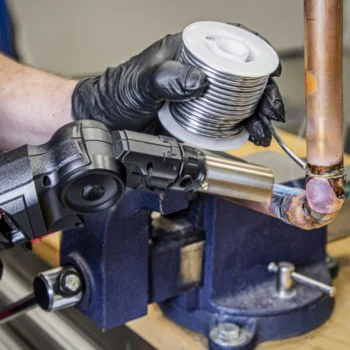
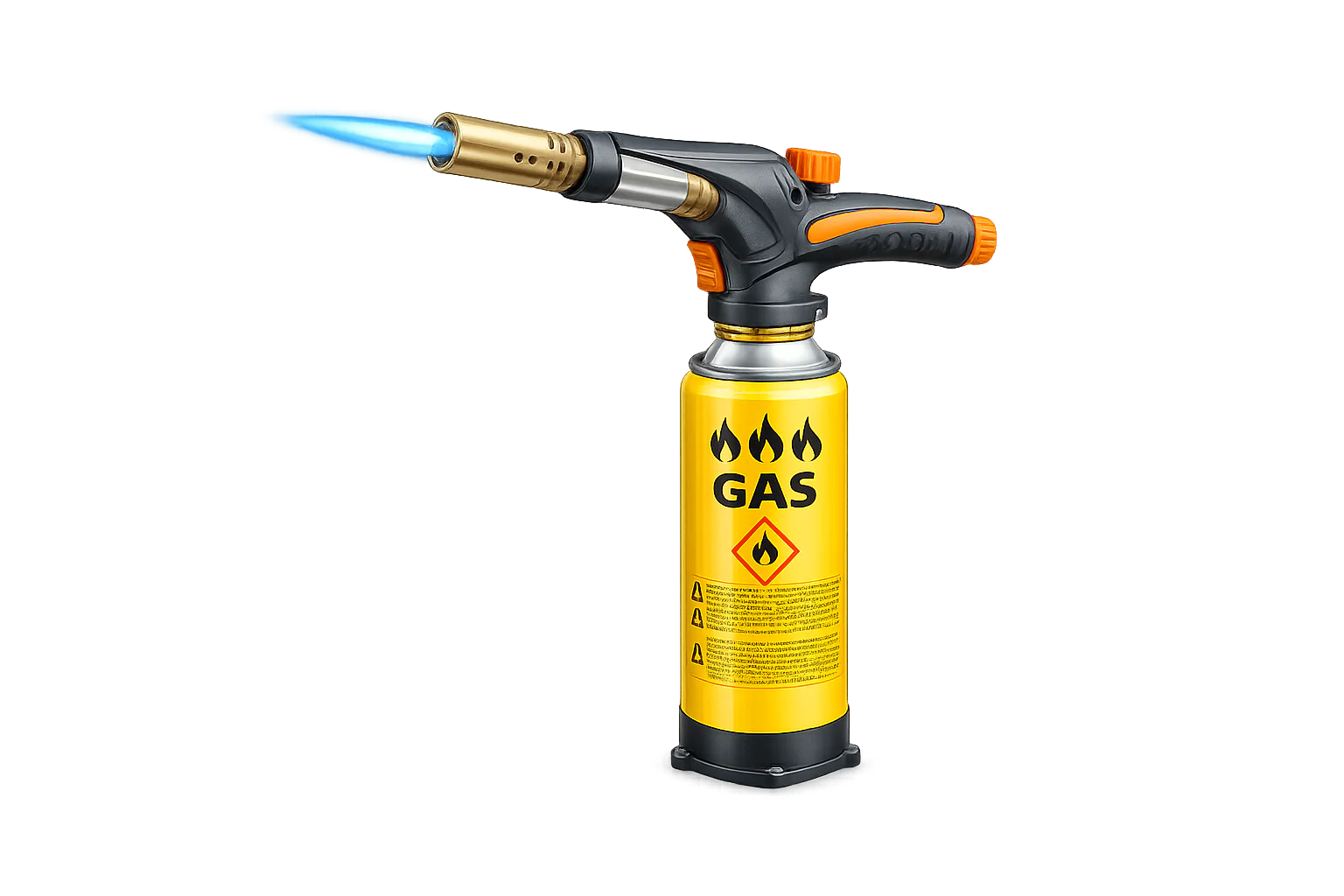
Gas burners and soldering torches are used for soldering, heating metal parts, defrosting, removing old coatings, starting fires, processing bituminous materials, and localized heating during installation. They differ in nozzle shape, tip length, flame intensity, connection type, and compatibility with gas canisters or cylinders.
Gas stoves, camping stoves, and compact heaters are convenient for outdoor use, camping, fishing, at a vacation home, or in temporary structures. Key factors include a stable base, wind protection, the type of gas canister, burner power, and portability. For household use, smooth flame adjustment, stable operation, and easy cleaning are valued.
What to Look for When Choosing Gas Equipment
Selecting gas appliances starts with the actual task: heating, cooking, heating, soldering, ignition, or maintenance work. A heating appliance is selected based on the room's volume and the required heat output, while a welding torch is chosen based on flame shape, ergonomics, and control precision. For outdoor appliances, weight, stability, and flame protection are important factors.
- Power and gas consumption: higher power speeds up heating but increases fuel consumption.
- Fuel type: Check compatibility with propane-butane, cylinders, bottles, or a specific type of cartridge.
- Connections: Pressure regulators, hoses, and nozzles should be selected based on the appliance's connection type.
- Flame control: Precise control is essential for soldering, heat treatment, and cooking.
- Working environment: For outdoor use, a stable base, wind protection, and portability are required.
- Safety: For heating appliances and burners, stability, secure connections, and proper ventilation are essential.
Main categories of gas appliances and accessories
| Type of gas equipment | Typical use | Purchase criteria |
|---|---|---|
| Gas heaters | Heating of garages, warehouses, workshops, and temporary structures | Heat output, gas consumption, safety features, stability |
| Gas burners | Heating, ignition, brazing, construction and repair work | Nozzle type, flame control, tip length |
| Gas stoves | Outdoor cooking, camping, vacation homes, temporary kitchens | Number of burners, stability, type of canister or bottle |
| Regulator valves and hoses | Connecting appliances to gas cylinders | Pressure, diameter, length, compatible connectors |
| Nozzles, adapters, and clamps | Maintenance, replacement, and adaptation of gas systems | Size, thread, material, compatibility with the appliance |
Compatibility, materials, and safe operation
In gas technology, compatibility between the appliance, the cylinder, the pressure regulator, the hose, and the nozzles is critical for safe operation. An incorrect connection size, improper pressure, or a worn hose creates a risk of leaks and an unstable flame. Hoses should be inspected for cracks, hardening, and signs of overheating, and connections should be secured with the correct clamps and fittings.
The materials used in gas appliances affect heat resistance and ease of use. Metal housings, heat-resistant handles, stable stands, and well-designed nozzles facilitate flame control. For soldering irons and torches, the ergonomics of the handle are important during prolonged use, while for heating appliances, stable positioning reduces the risk of tipping over.
Working with gas equipment requires a well-ventilated area, keeping a safe distance from flammable materials, and maintaining control over the flame. Store the equipment in a dry place, protected from impact, and away from intense heat. After finishing work, the gas supply should be shut off, and the appliance should be allowed to cool before being stored or moved.
Maintenance and Accessories for Longer Equipment Life
Regular maintenance keeps gas equipment in good working condition. Nozzles should be cleaned of debris, hoses should be replaced when visibly worn, and pressure-reducing valves should be protected from mechanical impact. For burners and stoves, it is helpful to periodically clean the area around the flame, as dust, grease, or residue from use can affect combustion.
Properly selected accessories facilitate installation and enhance system safety. Clamps, adapters, hoses, regulators, and spare nozzles are selected based on size, thread, pressure, and intended use. For professional work, it is wise to have spare parts on hand so that the task is not interrupted due to a small but necessary component.
Gas equipment from Toolsbox.bg
At Toolsbox.bg, you can browse the available gas equipment for heating, cooking, construction, repair, installation, and maintenance. Select an appliance or accessory based on power, fuel type, compatibility, and operating environment to get a practical setup for your task at home, in the workshop, or on-site.