
Engine oil
Engine oil for machinery, equipment, and maintenance
Engine oil is a consumable that plays a direct role in the lubrication, cooling, and protection of internal engine components. It reduces friction between moving parts, aids in heat dissipation, limits deposits, and protects the engine under load. Properly selected oil extends the service life of equipment and helps ensure smooth operation during construction, repairs, yard and garden maintenance, or service activities.
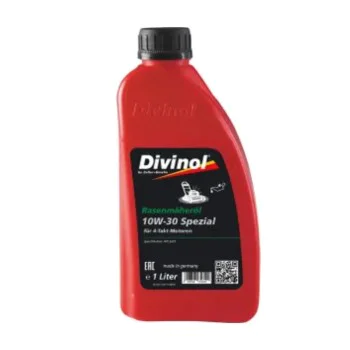
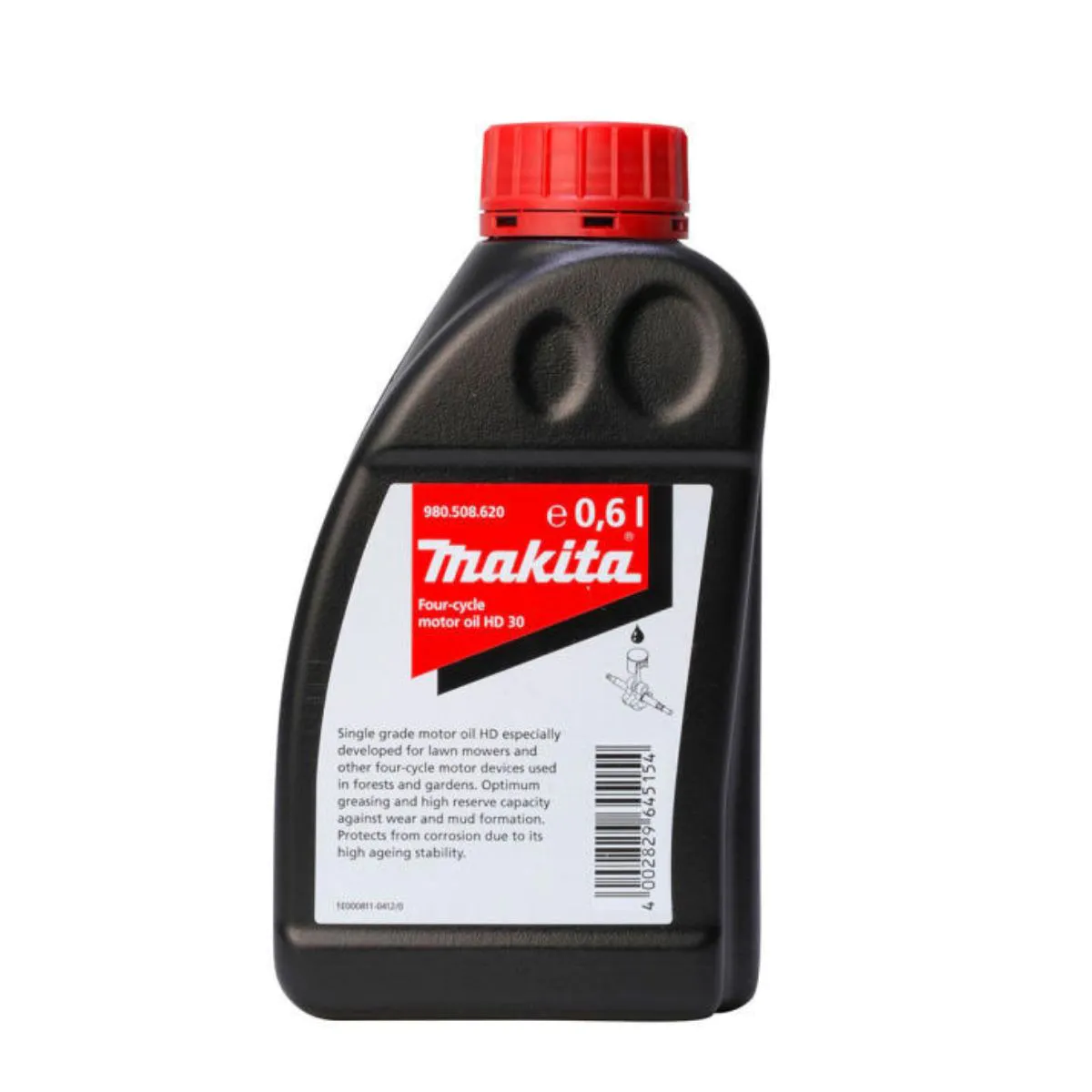
Engine oil is needed for various machines and equipment-generators, water pumps, vibrating plates, motor cultivators, lawn mowers, rotary tillers, snow blowers, engine-powered compressors, construction equipment, and other motorized units. Some machines use four-stroke oils, while two-stroke engines require special 2T oils, which are mixed with the fuel or supplied through a separate system. The difference between these options is significant, and the wrong choice leads to increased wear, smoke, overheating, or difficulty starting.
What engine oils include
The range of oils includes mineral, semi-synthetic, and synthetic formulations, as well as single-use or service-use sizes, and oils for gasoline and diesel engines. The various products differ in viscosity, service class, base type, additive package, and compatibility with specific engines. Engine oil with the correct viscosity forms a stable lubricating film during cold starts and maintains protection when the engine is hot.
In small garden equipment and construction machinery, air-cooled engines are common, operating in dusty conditions, high temperatures, and under prolonged load. For these, the choice of oil should not be based solely on price or package size. The machine manufacturer's specifications, the operating season, the load, and the change interval are all important factors.
Types of engine oil and their applications
| Oil type | Characteristics | Application |
|---|---|---|
| Mineral | Classic base, good protection under standard operating conditions | Older engines, equipment with moderate loads, machines with clear service requirements |
| Semi-synthetic | Combines a mineral and synthetic base for more stable performance under variable operating conditions | Landscaping and construction equipment, units with periodic or more intensive operation |
| Synthetic | Better resistance to temperature changes and load | Modern engines, equipment with higher lubrication requirements |
| 2-stroke oil | For two-stroke engines where lubrication is provided by the fuel mixture or separate metering | Chainsaws, brush cutters, trimmers, some small machines with two-stroke engines |
| 4-stroke oil | For four-stroke engines with a separate oil system | Lawn mowers, generators, tillers, water pumps, motor cultivators |
Criteria for choosing oil
When selecting engine oil, first check the viscosity, designated by SAE-for example, 10W-30, 10W-40, 15W-40, or another grade specified in the machine's manual. The first part of the designation relates to cold-start performance, and the second to stability at operating temperature. For machines that are started cold or operate across different seasons, this specification directly affects ease of starting and protection during the first few minutes of operation.
The engine type should be verified-gasoline, diesel, two-stroke, or four-stroke. Two-stroke oil should not be substituted with four-stroke oil, as the lubrication method differs. For 2-stroke engines, a precise oil-to-fuel ratio specified by the equipment manufacturer is required. For 4-stroke engines, monitor the oil level in the crankcase and perform periodic changes after a certain number of operating hours or at the end of the season.
- Viscosity-select according to operating temperature and engine specifications.
- Base type-mineral, semi-synthetic, or synthetic, depending on the load and the unit's requirements.
- Class and specification-API, ACEA, JASO, or another standard when specified by the manufacturer.
- Packaging - a small bottle for a single oil change, a larger container for a service center, workshop, or frequent maintenance.
- Compatibility-the oil must be suitable for the specific engine, not just the general purpose of the machine.
Maintenance, Safety, and Proper Operation
Engine oil must be filled to the specified level, without overfilling or running low. A low level increases friction and the risk of damage, while an excessive amount creates pressure, leaks, or smoke. Before changing the oil, allow the engine to cool to a safe temperature, secure the machine in a stable position, and collect the used oil in a suitable container for proper disposal.
Regular changes are especially important for equipment operating in dusty environments-construction sites, dry grassy areas, yards, storage areas, and service bays. The oil gradually loses its properties and accumulates contaminants and metal particles, so fresh engine oil protects the bearings, piston group, cylinder, and valve train. For machines with an oil filter, it is advisable to schedule the filter change along with the oil change, when the design requires it.
For professional and home use
Professional users typically look for larger quantities and oils designed for heavy-duty use across multiple machines. For home use, a smaller package is often sufficient, tailored to the oil pan capacity and seasonal maintenance. In both cases, exact compatibility is more important than visually similar packaging or general-purpose labeling.
At Toolsbox.bg, you'll find engine oil for service shops, workshops, construction equipment, and garden machinery. Browse the available options, compare viscosity, base type, and package size, and choose an oil that suits your machine and its operating conditions.