
Tool boxes
Tool Boxes for Organized and Safe Work
Tool boxes are essential in every workshop, service center, installation team, and home repair corner. They keep hand tools, small consumables, accessories, fasteners, and measuring tools all in one place, making them easy to transport and protecting the contents from impacts, dust, and spillage. A well-organized box saves time on the job, because the wrench, screwdriver, pliers, bit, or drill bit you need remains visible, separate, and easy to grab.
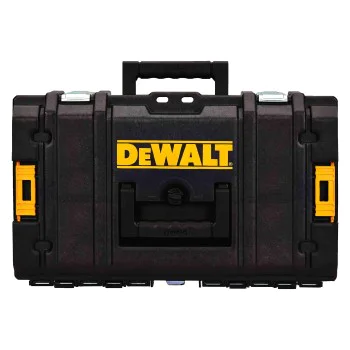
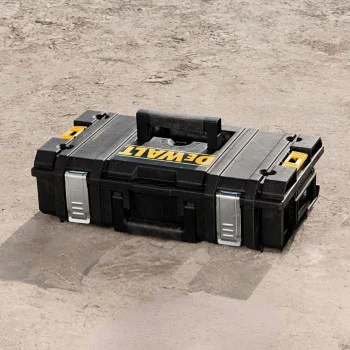
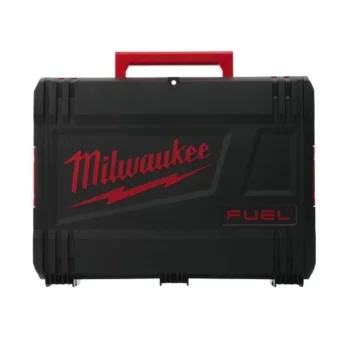
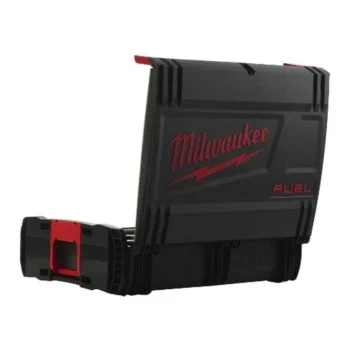
The Tool Boxes category includes compact models for a basic set of tools, larger boxes with trays and compartments, models with organizers in the lid, metal versions for heavy-duty environments, and mobile boxes with wheels for more substantial equipment. The choice depends on the volume of the inventory, the method of transport, the weight of the load, and the work environment.
What tool boxes hold
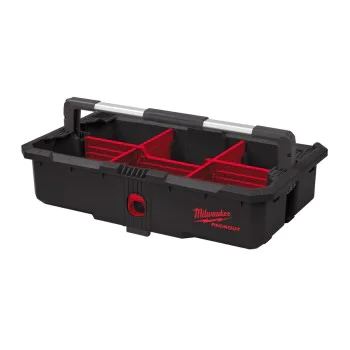
Tool boxes are used to organize screwdrivers, ratchets, sockets, wrenches, pliers, hammers, knives, tape measures, levels, bits, drill bits, dowels, screws, and other small items. During repairs and installation, convenient internal organization is just as important as external durability. The removable tray helps separate frequently used hand tools from larger accessories, while the compartments in the lid keep fasteners sorted by size.
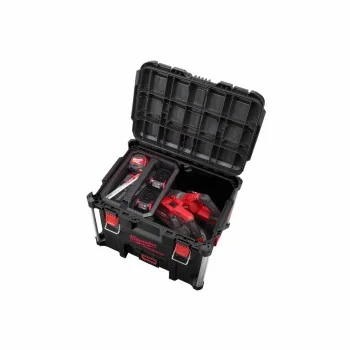
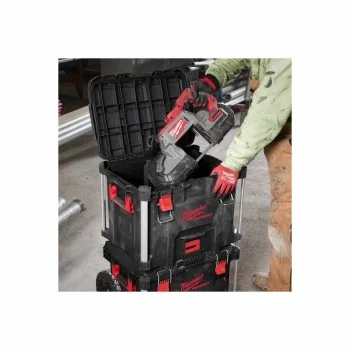
For power tools and their accessories, it is advisable to consider the internal length, width, and height. Chargers, batteries, discs, bits, and consumables for sanding or drilling require more free space and a secure closure. For service work, models with a clear internal layout are preferred, as work is often performed at different sites and tools must be transported without loss.
Types of tool boxes by application
Different tool boxes are selected based on the frequency of use, workload, and need for mobility. For home use, a compact plastic box with a comfortable handle and several compartments is often sufficient. For professional use in construction, maintenance, and service, larger models with reinforced hinges, sturdy latches, and higher load capacity work better.
| Type | Main Application | When choosing, look for |
|---|---|---|
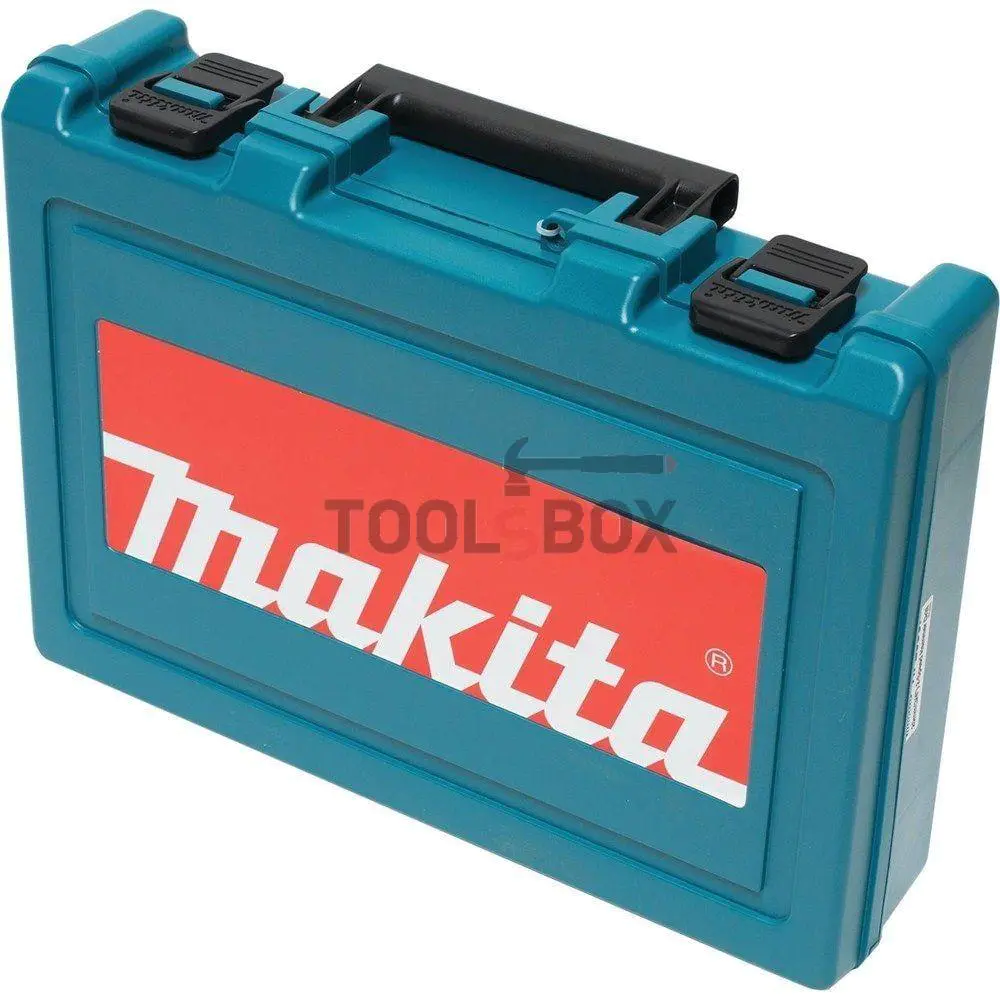
| Plastic boxes | Home repairs, installation, light maintenance | Size, handle, inner tray, compartments in the lid |
| Metal boxes | Workshop, service, heavier hand tools | Body thickness, hinges, lock, weight |
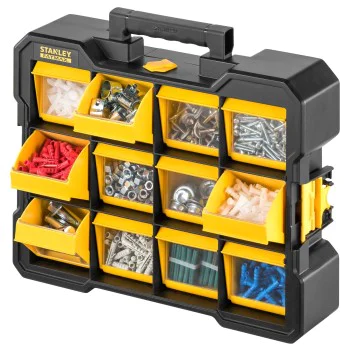
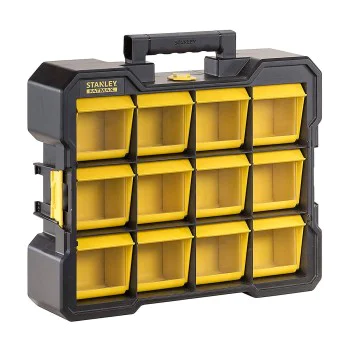
| Boxes with organizers | Fasteners, bits, drill bits, small parts | Number of compartments, lid transparency, securing of small items |
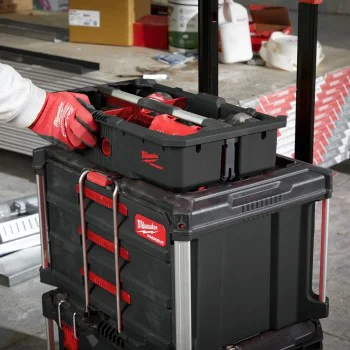
| Mobile boxes | Transporting more tools between sites | Wheels, telescoping handle, capacity, stability while moving |
Material and construction
Plastic tool boxes are lightweight, comfortable for daily carrying, and practical for smaller sets of equipment. They are a good choice for home repairs, furniture assembly, electrical work, and garden equipment maintenance. When choosing one, it's important to consider the wall thickness, the shape of the handle, and how the lid fits the body.
Metal versions are preferred for heavier hand tools and rougher work environments. Their body withstands heavier loads, and the metal hinges and latches keep the lid securely closed. Such toolboxes are commonly found in auto repair shops, manufacturing facilities, and mobile repair teams.
Size, Internal Layout, and Portability
The size should match the actual set of tools, without making the box too heavy to carry. Small models are convenient for a basic set of screwdrivers, pliers, and fasteners. Medium-sized boxes provide space for more hand tools, consumables, and accessories. Large toolboxes are practical for on-site work when a more complete set and spare parts are needed.
The internal trays, dividers, and mini-organizers in the lid are essential for keeping things organized. For small parts, look for compartments that close tightly so that screws, nuts, washers, and sockets don't get mixed up during transport. For heavy tools, the handle should fit comfortably in your hand, and the locking mechanisms should not open while in motion.
Criteria for choosing tool boxes
When buying tool boxes, pay attention to several practical factors. The external dimensions indicate how much space the case will take up in a car, cabinet, or workshop, while the internal dimensions determine what it can actually hold. The material affects the weight and impact resistance. The fasteners should close securely, and the hinges should be firmly attached to the body.
- Capacity and layout: consider the number of tools, supplies, and accessories.
- Load and transport: for a heavy set, look for a reinforced handle or a version with wheels.
- Small parts: Compartments and organizers keep fasteners sorted.
- Work environment: For service and construction, more durable cases and sturdy fasteners are required.
- Compatibility with existing equipment: Check the length of larger tools and the height of inserts, bit boxes, and chargers.
Maintenance and safe storage
Toolboxes retain their good appearance and functionality longer when cleaned of dust, metal shavings, oil, and construction debris. Overloading shortens the life of handles and locking mechanisms, so it's wise to distribute heavy accessories evenly. Sharp tools should be kept in a separate tray or case, and small consumables should be stored in compartments.
When working on-site, the box must stand securely on a flat surface, away from areas where it could fall. If you're transporting power tools, batteries, or measuring equipment, additional internal padding reduces the risk of scratches and impact damage. Proper organization protects not only your equipment but also your workflow.
Choose toolboxes for your workshop
At Toolsbox.bg, you'll find tool boxes for home workshops, professional service shops, installation work, construction, and maintenance. Compare size, material, interior layout, and carrying method to select a box that organizes your tools and keeps them ready for work.