
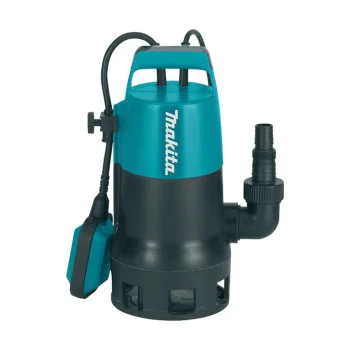
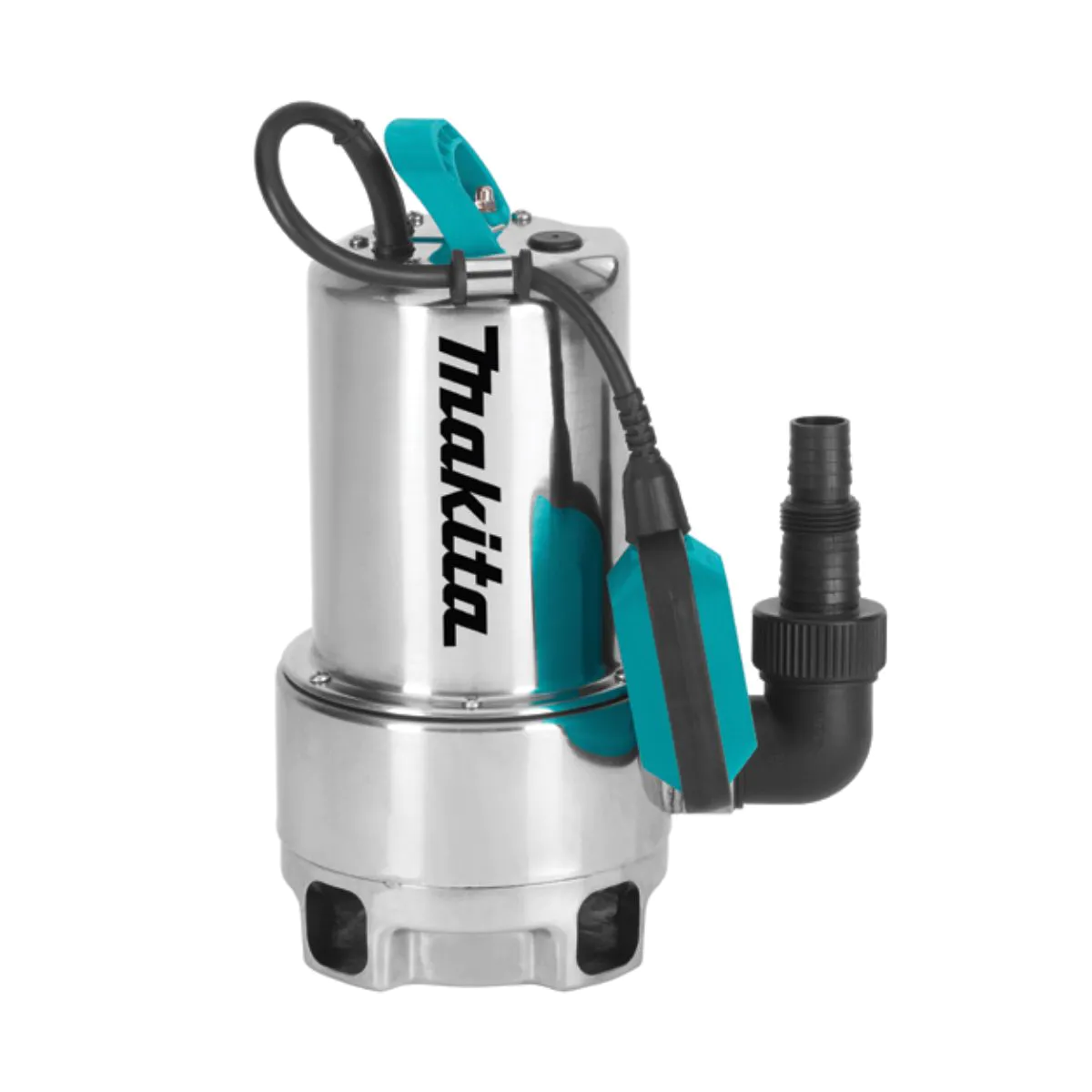
Submersible Probe Pump
Submersible well pump for water supply, irrigation, and domestic use
A submersible well pump is a practical choice for extracting water from narrow and deep water sources where standard surface pumps lack the necessary head. This type of pump operates submerged in water and pushes the liquid upward to a plumbing system, tank, pressure booster system, or garden irrigation line. Among water pumps, these machines are valued for use in homes, vacation homes, farmyards, greenhouses, small farms, and locations without a permanent central water supply network.
A submersible well pump is selected based on the depth of the water column, the borehole's inner diameter, the required flow rate, and the distance to the delivery point. Different models vary in power, maximum head, connection size, housing, number of impellers, and permissible water temperature. When properly sized, the pump delivers a steady flow of water for domestic use, drip irrigation, filling containers, washing areas, or garden maintenance.
What applications is a submersible well pump used for?
A submersible well pump is primarily designed for clean or relatively clean water from boreholes and deep wells. It is particularly valuable where water is located at greater depths and a constant head is required to the building or irrigation system. For domestic water supply, the pump is often combined with a pressure switch, an expansion tank, a check valve, and dry-run protection. For garden irrigation, the number of sprinklers, the length of the hose, the elevation of the terrain, and the water volume required for the plants must be taken into account.
For professional use in construction, service operations, and property maintenance, such pumps are sought after for temporary or permanent water installations. For home use, they are convenient for supplying water to faucets, washing machines, toilet tanks, showers, irrigation systems, and storage tanks. A submersible well pump is not designed for muddy water, large amounts of sand, aggressive liquids, or wastewater, unless the technical specifications of the specific model indicate such use.
How to choose a submersible well pump
The right choice starts with the actual parameters of the well. The inner diameter determines whether the pump housing will fit freely and leave enough space for cooling and safe installation. For narrow boreholes, more compact cylindrical models are used, while larger openings offer more options in terms of flow rate and power. The depth to the water and the distance to the consumers affect the required head. The higher and farther the water is delivered, the more carefully the operating characteristics must be selected.
- Pump diameter-must match the borehole pipe and the free space around the housing.
- Maximum head-indicates the height to which the pump can deliver water under specified conditions.
- Flow rate-determines the amount of water per unit of time and is tailored to the needs of the home, garden, or farm.
- Power - affects performance in deeper wells and over longer distances.
- Housing material-stainless steel and durable engineering plastics are commonly used in this type of machine.
- Power supply-standard models for residential use operate on 230 V, while three-phase versions are also available for larger installations.
Flow rate, head, and actual consumption
A submersible well pump with too low a flow rate will not properly supply multiple consumers simultaneously, while an overly powerful unit places unnecessary strain on the system and the well. When supplying water to a house, the number of plumbing fixtures, the expected simultaneous usage, and the pressure required for the comfortable operation of faucets, water heaters, and appliances are calculated. For irrigation, the flow rate of the sprinklers, the system's operating pressure, and the total length of the pipes are considered.
Head is not limited to just the geometric height. The calculation includes losses from pipes, fittings, filters, elbows, and long horizontal sections. Therefore, for more complex installations, it is wise to leave a technical margin without selecting excessively high capacity. A submersible well pump works best when its operating range matches the actual water consumption.
Installation, Compatibility, and System Protection
Installation requires a stable mounting, a proper power cable, a water-lifting pipe of the correct size, and a check valve that prevents water from flowing back into the well. Best practices include filtration based on water quality, dry-run protection, and pressure control via a pressure switch or electronic controller. In domestic water supply systems, an expansion tank reduces the number of starts and protects the motor.
Compatibility with accessories is essential for the machine's long service life. Pipes, fittings, and cable connections are selected based on pressure and depth. Cable connections in wet environments require precise insulation, and electrical protection safeguards the motor against overload or a drop in water level. If there is sand in the water, it is advisable to monitor its quantity, as abrasive particles wear down the impellers and seals.
Maintenance and Safe Operation
A submersible well pump does not require complex daily care, but periodic checks of pressure, flow rate, electrical connections, and filter cleanliness extend its service life. A drop in water flow is often caused by a clogged filter, a change in water level, a restriction in the pipe, or wear on the hydraulic components. Noise, vibrations, or frequent cycling indicate the need for a system inspection.
Safe operation begins with proper electrical connections and protection against moisture. The pump is lowered and removed using a lifting rope or a suitable suspension line, not the power cable. In winter conditions, external pipes must be protected from freezing, and for seasonal use, the system should be inspected before startup. This reduces the risk of malfunctions and unnecessary strain on the motor.
Submersible well pump at Toolsbox.bg
At Toolsbox.bg, you'll find options for various boreholes, water systems, and property maintenance tasks. Compare specifications such as diameter, flow rate, head, power, connection type, and compatible accessories to select a submersible borehole pump suited to your specific application. This way, the equipment will meet the needs of your home, garden, workshop, or commercial site and ensure a stable water supply when properly installed.