
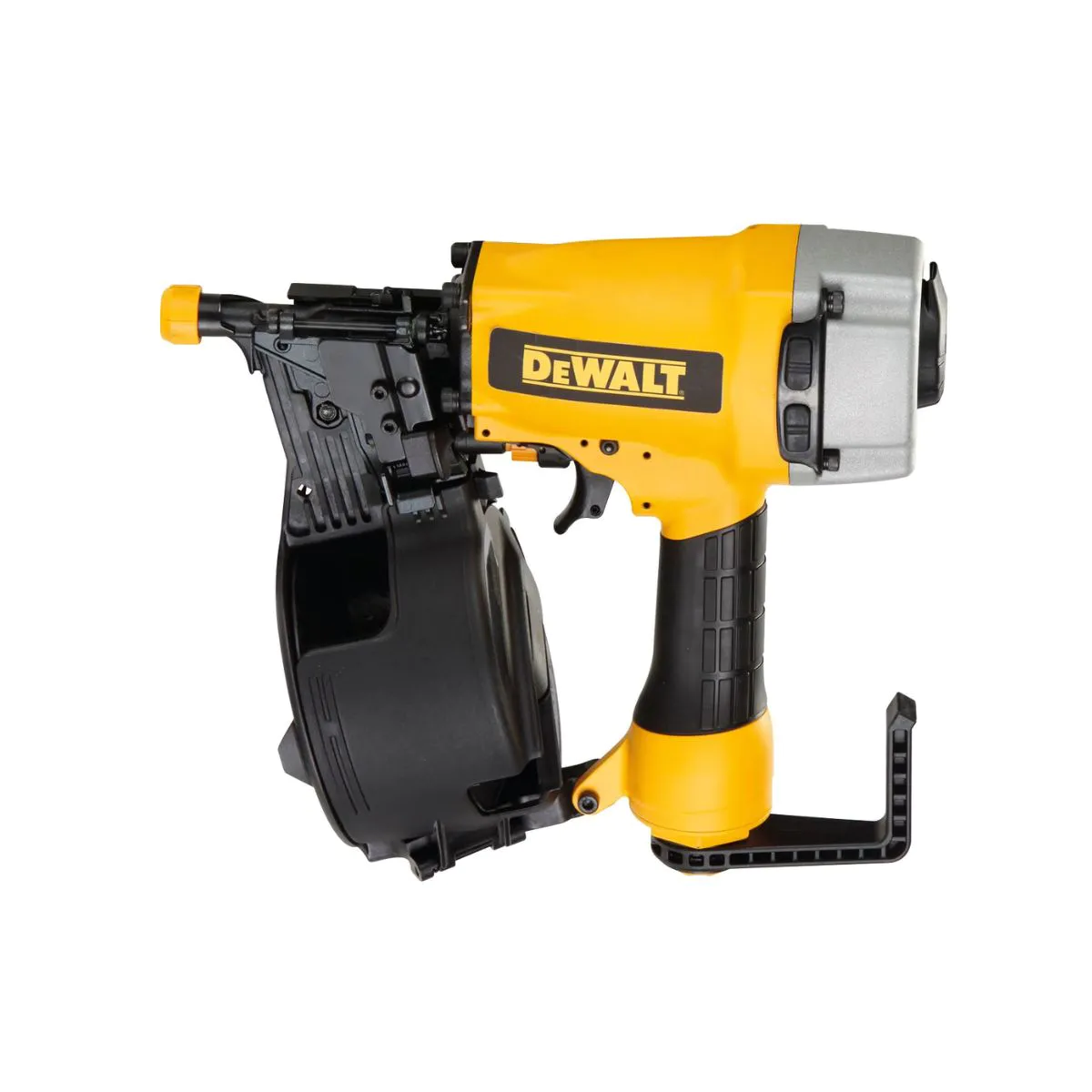
Pneumatic nail gun
Pneumatic nail gun for fast and precise fastening
A pneumatic nail gun is a practical tool for driving nails in series into wood, panels, wainscoting, crates, frames, pallets, and various elements in construction, repair, and installation. It operates using compressed air from a compressor and allows for even, clean, and fast fastening without the fatigue associated with prolonged hammering. In this section, you will find models for workshops, carpentry, finishing work, roofing, cladding installation, and maintenance at home or on-site.
A pneumatic nail gun is especially valuable for tasks involving a large number of repetitive fastenings. The tool feeds the nails from a magazine, and the impact mechanism drives them into the material with controlled force. This saves time, reduces strain on the hand, and achieves a more consistent result during long runs. With a properly selected compressor, hose, pressure, and consumables, performance remains stable and predictable even under prolonged use.
Applications in construction, renovation, and woodworking
A pneumatic nail gun is used in the construction of wooden structures, fastening battens, installing decorative panels, and making furniture, chests, fences, temporary structures, and packaging elements. For finishing work, more compact models are preferred, as they leave a smaller hole and ensure a clean fastening line. For rough installation, more powerful models are used, capable of driving longer and thicker nails.
For professional use, the magazine capacity, operating speed, durability of the body, and comfort during all-day operation are important. For home use, ease of operation, clear pressure adjustment, a comfortable grip, and compatibility with an existing compressor are more important. For both types of work, the right choice of nails is crucial for the strength of the joint and the good appearance of the finished piece.
Types by Application
Pneumatic nail guns are available in various models depending on the length of the fasteners, the loading method, and the intended use. Finishing models are preferred for trim, decorative moldings, window frames, and interior elements. Frame models are designed for structural joints, wooden grids, roofing details, and heavier installation tasks. There are also compact tools for tight spaces where a standard-sized body would hinder access.
- Finishing guns-for cladding, baseboards, wainscoting, furniture components, and clean installation.
- Construction models-for wooden frames, grids, formwork, pallets, and heavier-duty assemblies.
- Models with straight or angled magazines-the choice depends on access to the work area and the type of nails.
- Depth-adjustable tools-useful for varying material hardness and visible surfaces.
Criteria for selecting a pneumatic nailer
A pneumatic nail gun must be suited to the actual tasks it will perform. First, consider the permissible length and gauge of the nails, as these determine the strength of the fastening and the tool's application. For decorative installation, finer fasteners are sufficient, while longer nails and a more powerful hammering mechanism are required for load-bearing wood joints.
The working pressure and air flow rate must match the compressor's capabilities. A small compressor can handle short runs, but for intensive work, a higher flow rate is needed to avoid pauses and a drop in driving force. Pay attention to the size of the air inlet, the type of quick-connect fitting, the length of the hose, and the presence of a moisture separator or lubricator when the tool requires one.
Weight, balance, and the handle directly affect control. When working overhead or on long runs, a lighter body and a comfortable trigger reduce fatigue. A non-marking tip is useful for painted surfaces, decorative trim, and delicate finishes. Depth adjustment helps the nail sink in properly without tearing the grain or sticking out above the surface.
Compatibility with Nails, Compressors, and Accessories
A pneumatic nail gun works properly only with fasteners within the range specified by the manufacturer. The length, diameter, angle of the shank, head shape, and arrangement in the magazine are all important factors. Unsuitable nails can cause jamming, uneven driving, or damage to the guide. When selecting consumables, it is advisable to compare the tool's specifications with the specifications on the nail packaging.
Air hoses, quick-connect couplers, a pressure-reducing valve, a filter, an oiler, air tool oil, and safety goggles are often included with the equipment. Clean air and proper lubrication extend the life of the mechanism, reduce seal wear, and maintain a consistent impact. When working on a construction site, it is best for the hose to be kink-resistant and long enough not to restrict movement.
Safety and Maintenance
A pneumatic nail gun requires careful handling because it operates with high impact energy. The nozzle should be directed only at the work area, and hands should remain out of the line of fire. Before cleaning, changing nails, or clearing a jam, disconnect the tool from the air supply. Safety goggles are a mandatory part of the equipment for woodworking, installation, and repair.
Regular cleaning of the magazine, checking the seals, and proper storage protect the mechanism from premature wear. If you notice a weak impact, air leakage, or frequent jams, check the pressure, the condition of the consumables, and the cleanliness of the guide. This way, the tool maintains its accuracy and remains ready for daily tasks in the workshop or on a construction site.
Selection from Toolsbox.bg
At Toolsbox.bg, you can browse pneumatic tools for various fastening applications, along with the necessary consumables and accessories for working with compressed air. Compare models by nail length, operating pressure, magazine capacity, weight, and application type, then choose the right pneumatic nail gun for your workshop, repair work, or professional installation.