
Hydraulic oil
Hydraulic oil for hydraulic systems, machinery, and maintenance
Hydraulic oil is a working and lubricating fluid for systems in which pressure drives cylinders, pumps, valves, and hydraulic motors. It transmits force within the system, reduces wear on moving parts, dissipates heat, and protects metal surfaces from corrosion. Selecting the right fluid is critical for smooth machine operation, stable pressure, and the long service life of seals, hoses, and pump assemblies.
This section includes oils for hydraulic units, lifting equipment, jacks, presses, wood splitters, construction machinery, agricultural equipment, service facilities, and other equipment with oil-based hydraulics. Hydraulic oil is used in professional workshops, auto repair shops, manufacturing facilities, construction sites, and for the maintenance of household equipment when the machine requires a specific fluid grade.
Applications in Machines, Tools, and Equipment
Hydraulic systems operate under load, so the fluid within them performs more than one function. In hydraulic jacks and presses, it ensures smooth operation and stable lifting. In construction and agricultural machinery, it is involved in the control of working parts, lifting arms, cylinders, and auxiliary mechanisms. In stationary workshop equipment, the oil aids in precise movement and reduces mechanical friction within the system.
Hydraulic oil is also selected for regular fluid changes, topping off after servicing, repairing leaks, or recommissioning a machine after a prolonged period of inactivity. Incorrect viscosity or mixing with an unsuitable fluid can lead to noisy operation, overheating, unstable pressure, delayed cylinder response, or accelerated pump wear.
Types and Characteristics of Hydraulic Oils
Different hydraulic oils are selected based on viscosity, additive type, temperature range, and machine requirements. Viscosity indicates how thick the oil is at operating temperature. Lower grades are preferred for lighter systems, cold starts, or precision mechanisms, while higher grades are sought after for heavier loads, higher temperatures, and hydraulics with wider clearances.
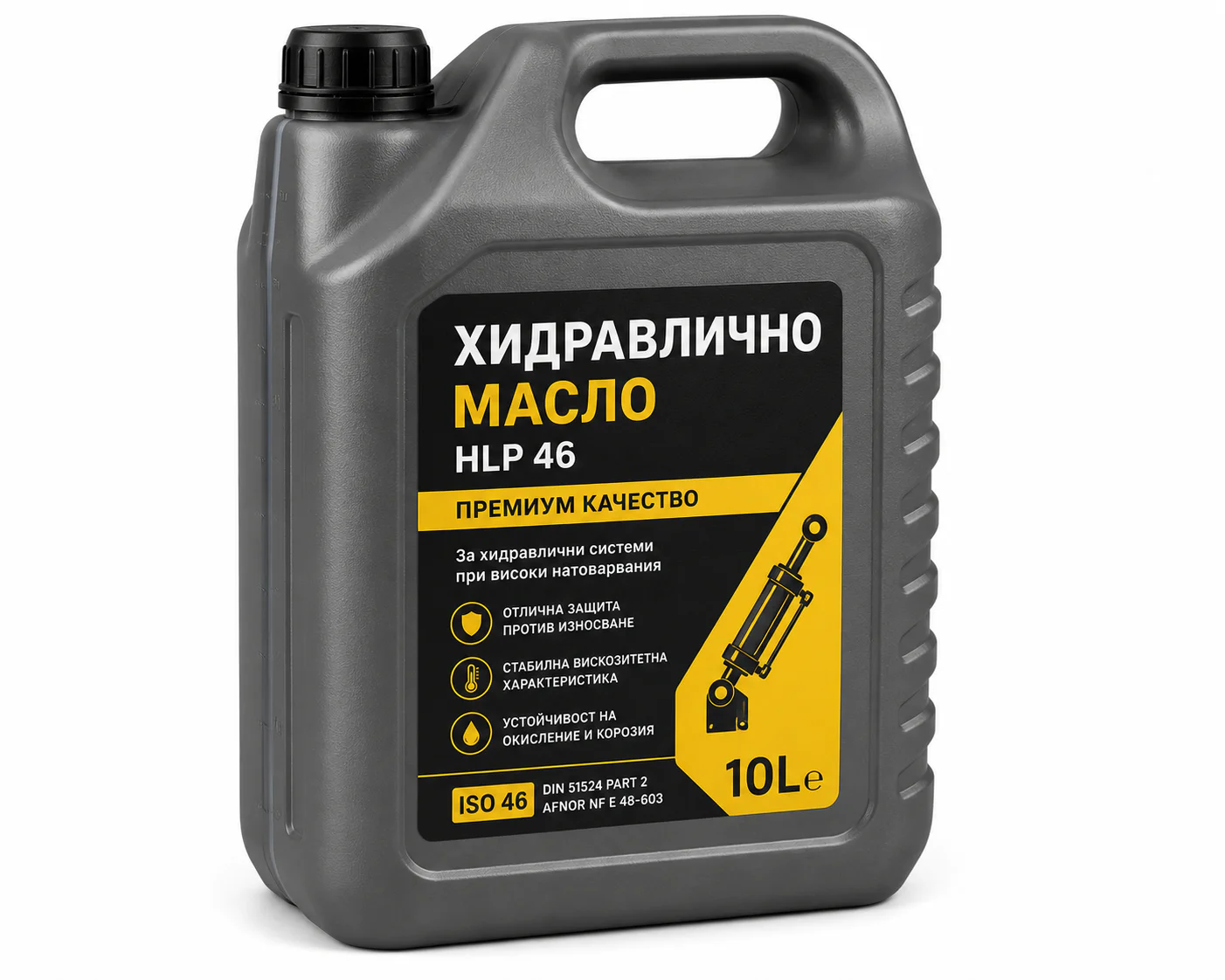
When selecting a hydraulic oil, grades such as ISO VG 22, ISO VG 32, ISO VG 46, and ISO VG 68 are commonly encountered. The specific grade should be verified in the machine manual or by checking the label on the old oil. Oils may contain anti-wear additives, anti-foaming agents, anti-corrosion packages, and additives for thermal stability. These characteristics are particularly valuable in machines that operate continuously or with frequent pressure changes.
| Criterion | Practical significance |
|---|---|
| Viscosity | Determines fluidity, system response, and pump protection. |
| Temperature range | Selected based on operation in cold, moderate, or warmer operating zones. |
| Additives | Provide protection against wear, foaming, oxidation, and corrosion. |
| Compatibility | Check against the requirements of the machine, seals, and existing fluid. |
How to Select Hydraulic Oil for a Specific Machine
The most reliable guide is the machine's technical documentation. It typically specifies the viscosity grade, recommended standard, or acceptable oil type. If documentation is unavailable, refer to the equipment's nameplate, service history, and the parameters of the fluid previously used in the system.
- For jacks and hand-held hydraulic tools, look for oil with the correct viscosity and good flow properties for smooth lifting and easy bleeding.
- For presses, lifts, and service equipment, stable pressure, pump protection, and consistent performance under cyclic loading are valued.
- For construction and agricultural machinery, select fluids with good thermal stability and protection during prolonged operation.
- For repairs and preventive maintenance, check the cleanliness of the system and the condition of the filters, hoses, and seals before refilling.
When topping off, it is advisable to use a fluid of the same type and grade as that already present in the system. Mixing different oils without reliable compatibility data can alter viscosity, affect additives, or cause deposits. If in doubt, it is better to drain the system, clean it, and refill it with new hydraulic oil that meets the correct specifications.
Storage, Replacement, and Safe Operation
Clean hydraulic oil is essential for the operation of pumps, valves, and cylinders. Contamination with dust, water, or metal particles is among the common causes of hydraulic system failures. Keep the containers closed, away from moisture and direct sunlight, and when refilling, use clean funnels, containers, and filters when the machine requires them.
Change the hydraulic oil if it darkens, develops an unpleasant odor, contains foam, has visible particles, causes a drop in system performance, or after the service interval has been reached. After servicing, check the level, bleed the system according to the manufacturer's instructions, and check for leaks around connections, cylinders, and seals. Used oil must be disposed of at hazardous waste collection sites and must not be poured into drains, soil, or water sources.
Hydraulic Oil for Professional and Home Maintenance
Hydraulic oil may seem like a minor consumable at first glance, but choosing the right one protects expensive components and reduces the risk of downtime. For a service center, workshop, construction machine, or home hydraulic tool, choose a fluid with the correct viscosity that is compatible with the equipment and intended operating conditions.
Select hydraulic oil at Toolsbox.bg based on the machine, operating environment, and required grade. This ensures more precise maintenance, and the hydraulic system receives the necessary protection during daily operation, repairs, or seasonal maintenance.